
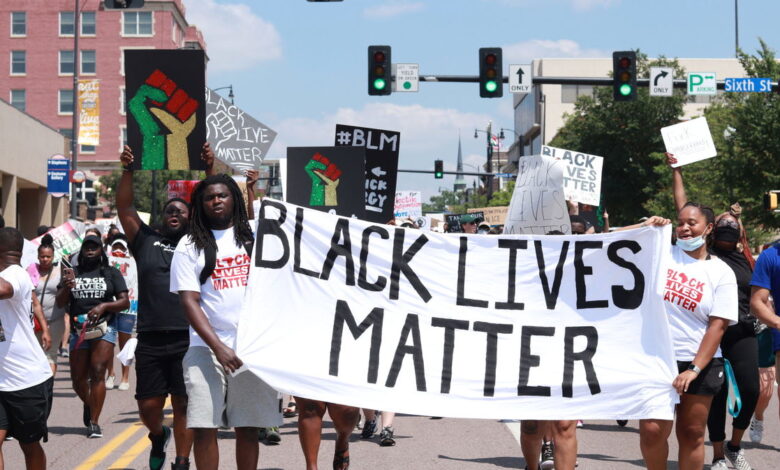
Columbia Campus Protests Streets and Police
Columbia campus protests streets police have ignited a firestorm of debate, raising critical questions about the balance between student activism and law enforcement response. This examination delves into the historical context of protests on campus, exploring their evolution alongside broader societal movements. We’ll analyze the recent protests, examining their causes, participants, and demands, juxtaposing them against past events.
The police response, media coverage, public opinion, and the impact on campus life will also be scrutinized, providing a comprehensive view of this complex situation.
From the historical roots of student activism to the contemporary concerns raised by recent protests, this exploration offers a nuanced perspective on the multifaceted relationship between the Columbia campus, its students, and the surrounding community. Understanding the complexities of this issue is crucial for a deeper comprehension of the current events.
Historical Context
The recent protests on the Columbia campus, like many before them, are a part of a long history of student activism and social change. Understanding this historical context illuminates the motivations and methods employed by protestors, and helps us contextualize the current events within a broader societal framework. Columbia University, a historical center of intellectual discourse and debate, has consistently been a stage for student activism, reflecting broader social movements and challenges.This historical overview will trace the evolution of student activism at Columbia, examining its relationship to broader societal movements, and analyzing the role of law enforcement in responding to these protests.
It will also highlight key events and figures involved, providing a deeper understanding of the complex interplay of social, political, and institutional forces at play.
Evolution of Student Activism at Columbia
Student activism at Columbia has evolved alongside significant societal movements. Early forms of student protest often focused on campus-specific issues, such as academic freedom and curriculum reform. As societal movements gained momentum, student activism became increasingly intertwined with broader social justice issues. This connection is clearly evident in the civil rights movement, the anti-war movement, and the feminist movement, all of which found strong echoes on Columbia’s campus.
The recent Columbia campus protests and the interactions with police on the streets definitely brought a lot of attention to the issues at hand. It’s fascinating to consider how different forms of expression and artistic endeavors can intersect with social and political movements. For example, Keith McNally’s and Balthazar’s filmmaking past, as explored in keith mcnally balthazar filmmaking past , could offer some unique perspectives on the creative processes behind challenging social narratives.
Ultimately, the campus protests and the involvement of law enforcement are complex issues that need more in-depth exploration and discussion.
These campus protests, in turn, often influenced and inspired larger societal movements.
Role of Law Enforcement in Previous Protests
The role of law enforcement in responding to protests on the Columbia campus has been a recurring theme, often marked by tension and controversy. Historically, police responses have varied in their approach, ranging from attempts to maintain order to instances of perceived overreaction and brutality. These responses have frequently been scrutinized for their effectiveness, fairness, and potential impact on the protesters’ ability to express their views.
Key Events and Figures in Columbia Protests
Several key events and individuals have shaped the history of protests on the Columbia campus. These events, often intertwined with broader societal movements, offer valuable insights into the motivations, methods, and outcomes of student activism. For example, the 1960s anti-war movement saw student protests against the Vietnam War, which significantly influenced national policy. These protests, alongside others, have often been characterized by direct action, sit-ins, and civil disobedience.
Comparison of Protest Periods, Columbia campus protests streets police
| Period | Methods | Motivations | Outcomes |
|---|---|---|---|
| Early 20th Century | Mostly focused on academic reforms and student rights. | Improved student experience, better resources, more academic freedom. | Mixed results; some changes implemented, but others fell short of expectations. |
| 1960s-1970s | Direct action, sit-ins, civil disobedience, often tied to broader social movements. | Civil rights, anti-war, feminist causes. | Significant societal impact; influenced national policies and sparked broader dialogue. |
| 1980s-2000s | Continued use of direct action, but also more focus on political organizing and advocacy. | Diverse range of issues, including environmental concerns, economic inequality, and political corruption. | Varied outcomes; some campaigns achieved tangible results, others had more limited impact. |
| Present Day | Utilizing various forms of communication, digital activism, and mobilization. | Addressing social injustices, political concerns, and societal inequalities. | Ongoing impact; influencing policy debates and societal discourse. |
This table provides a simplified overview of different protest periods. Each period involved diverse methods, motivations, and outcomes.
Recent Protests
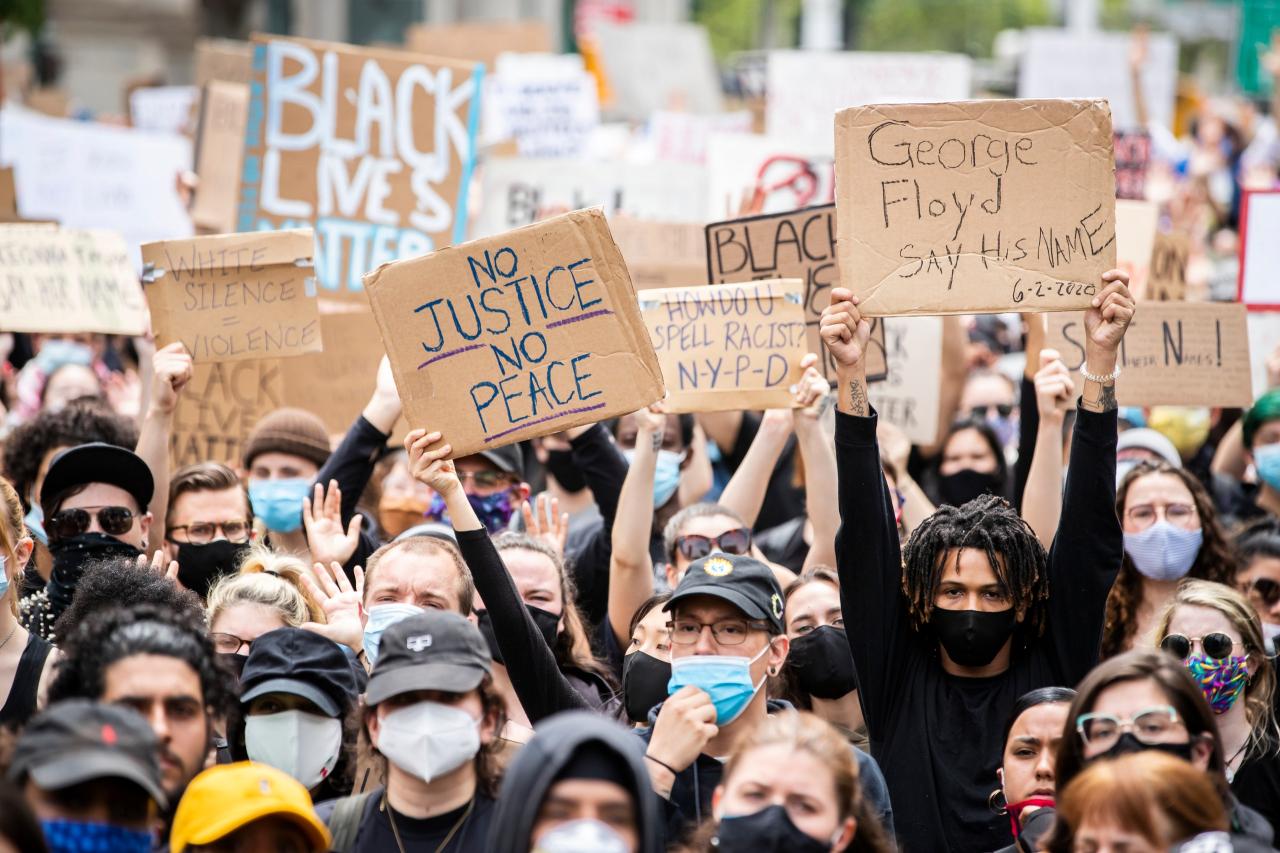
The recent wave of protests on the Columbia campus, while rooted in historical grievances, has unfolded with unique characteristics. These demonstrations have garnered significant media attention and sparked important conversations about the university’s role in societal issues. Understanding the specific events, motivations, and demographics involved is crucial to comprehending the current landscape of student activism.The recent protests on the Columbia campus have centered around a multifaceted array of issues, demonstrating a convergence of concerns regarding systemic inequalities and institutional shortcomings.
These concerns, often interconnected, have fueled the intensity and duration of the protests.
Specific Events of Recent Protests
The recent protests have involved a series of demonstrations, rallies, and sit-ins across various locations on campus. These events have often included speeches, presentations of grievances, and symbolic actions, such as occupying administrative buildings or blocking traffic. A significant feature of the recent protests has been their sustained nature, reflecting the depth and persistence of the issues at hand.
Reported Causes and Motivations
The reported causes and motivations behind the recent protests are diverse. They include concerns over academic policies, student support services, and resource allocation. Furthermore, broader societal issues, such as racial justice and economic inequality, have also played a prominent role in shaping the motivations of the protesters. These varied motivations contribute to the complexity of the issues being addressed.
Participants and Demographics
The participants in the recent protests represent a broad spectrum of demographics, encompassing students, faculty, staff, and community members. The protests have attracted a diverse range of participants, from first-year undergraduates to tenured professors. This diversity reflects the broad societal impact of the issues at hand. The demographics of participants are not solely focused on one group, rather, it’s a combined effort of people from different backgrounds and experiences.
Comparison with Historical Protests
While drawing parallels between the recent protests and historical ones is essential for understanding the context, it’s crucial to recognize the unique characteristics of the current demonstrations. The recent protests, while sharing some common themes with past movements, differ in their specific demands and the social media and digital platforms utilized for organizing and communication. The methods and technologies used for organization and communication have changed significantly, and the current protests have incorporated these advancements in ways that differ from the past.
Specific Demands of the Protesters
The protesters have Artikeld a range of specific demands. These include policy changes, increased funding for specific programs, and the establishment of new initiatives to address the concerns raised. These demands reflect a desire for tangible improvements within the university system. They also include broader societal demands and concerns that go beyond the university itself.
Police Response
The police response to the Columbia campus protests was a significant focal point, generating considerable discussion and debate. Observations of the tactics employed, the reported incidents, and public perception will be explored in detail. The way law enforcement handled the situation, compared to past responses, offers insights into evolving approaches to protest management.The police presence was substantial, anticipating potential unrest and ensuring public safety.
Their strategy was clearly defined, with specific tactics employed to manage the crowds and maintain order. Understanding the strategies and tactics is crucial to evaluating the effectiveness and appropriateness of the response. The potential for conflict was high, and the resulting incidents, if any, must be assessed objectively.
The Columbia campus protests, with clashes between students and police on the streets, highlight a broader societal tension. While these issues are deeply rooted in local concerns, they’re not isolated. The ongoing geopolitical tensions, particularly Russia’s escalating activity in space and development of nuclear weapons, like the recent advancements in their space-based nuclear weaponry , cast a long shadow over global stability.
These events serve as a stark reminder of the complex factors influencing even seemingly local conflicts like the ones we’re seeing at Columbia.
Police Strategies and Tactics
The police employed a multi-layered approach, which included establishing a perimeter around the protest area, deploying riot control equipment, and maintaining a visible presence throughout the demonstrations. This proactive approach sought to deter escalation and manage the flow of protesters. Their strategy focused on crowd control, minimizing the risk of property damage and maintaining public order.
Reported Incidents of Conflict
Reports of specific incidents of conflict between protesters and police varied widely. Some accounts indicated minor altercations, while others detailed more serious confrontations. Accurate documentation of these incidents is crucial for a thorough understanding of the events. The lack of precise details makes it difficult to assess the extent of any potential escalation.
Comparison to Previous Protests
Comparing the police response to the recent protests with past responses is crucial for evaluating potential changes in tactics or policies. Previous protests on the Columbia campus, or elsewhere, might show similar or different approaches to managing demonstrations. This comparative analysis allows for an assessment of evolving strategies in managing public demonstrations.
Public and Protester Perception of the Response
Public and protester perceptions of the police response were varied. Some viewed the police actions as necessary to maintain order, while others saw them as excessive or heavy-handed. The public perception was often influenced by the media coverage and the perspectives of individuals involved. Different individuals and groups experienced the situation differently, resulting in varied perceptions.
Media Coverage
The media’s portrayal of the Columbia campus protests played a crucial role in shaping public perception. Different news outlets presented varying perspectives, often influenced by their own biases and agendas. This complex interplay of narratives underscores the importance of critically evaluating media reports, moving beyond superficial summaries, and delving into the nuances of the coverage.The media’s lens through which these events were presented significantly impacted public understanding.
Understanding the different perspectives presented by various news outlets is essential to appreciating the multifaceted nature of the situation. This analysis examines how media portrayal of the events potentially influenced public opinion and scrutinizes the language employed in reporting the protests.
The Columbia campus protests saw tense moments on the streets with police presence. It’s fascinating how trends like the viral popularity of Acne Studios scarves on TikTok, acne studios scarf tiktok , can completely overshadow even significant events. While these protests certainly warrant attention, they seem to be fading from the mainstream spotlight, perhaps as quickly as the latest fashion craze.
Media Perspectives
Various news outlets presented diverse perspectives on the Columbia campus protests. News sources often leaned toward specific narratives, highlighting certain aspects while downplaying others. This varied coverage reflects the complex nature of the protests and the differing priorities of various news organizations.
- Pro-establishment media frequently emphasized law and order concerns, highlighting potential property damage and disruptions to campus life. These reports often focused on the police response, framing it as necessary and proportionate.
- Progressive media, on the other hand, tended to focus on the protesters’ grievances and the underlying issues driving the demonstrations. These reports emphasized the historical context of the protests and the systemic issues they addressed.
- Neutral media aimed for a balanced approach, seeking to present both sides of the story. They often included diverse viewpoints and attempted to provide context for the actions of both protesters and authorities.
Language and Framing
The language employed by the media significantly influenced the way the protests were perceived. Certain words and phrases could evoke strong emotional responses and potentially shape public opinion.
- Words like “riots” or “violent”, when used repeatedly, could create a negative image of the protesters and their actions. These terms often overshadowed the motivations and grievances behind the demonstrations.
- Conversely, terms like “peaceful demonstration” could be used to downplay potential conflicts or violence that may have occurred. This selective use of language may present an incomplete picture of the events.
- The choice of adjectives and descriptions used to portray protesters and authorities can also subtly shape public perception. For example, describing protesters as “disruptive” versus “advocates for change” can dramatically alter public opinion.
Headlines and Narratives
Different media outlets presented distinct headlines and narratives surrounding the Columbia campus protests. This variation reveals the subjective nature of news reporting and highlights the importance of considering multiple sources to gain a comprehensive understanding of the events.
The Columbia campus protests and the presence of police on the streets are definitely a hot topic right now. It’s fascinating to consider how these events compare to the high-energy atmosphere at saint laurent dior paris fashion week , where the focus is on something entirely different, but both showcase powerful visual displays and the way people can express themselves through different means.
Ultimately, both events, in their own ways, highlight the power of collective action and public expression.
| Media Source | Headline Example | Narrative Focus |
|---|---|---|
| News Network A | “Protests Turn Violent at Columbia” | Focus on clashes with police and property damage. |
| News Network B | “Students Demand Change at Columbia” | Highlighting student grievances and systemic issues. |
| News Website C | “Columbia Students Protest University Policies” | Focus on specific policy demands and student voices. |
| Local Newspaper | “Campus Tensions Rise as Protests Continue” | Emphasizing the escalating situation and impact on the community. |
Public Opinion
The Columbia campus protests have ignited a firestorm of public opinion, reflecting diverse perspectives on the issues at hand and the actions taken by various parties. Reactions ranged from fervent support for the protesters’ cause to strong condemnation of their methods. This complex web of opinions reveals deep divisions within the community and underscores the challenges in navigating such contentious situations.Public sentiment was not monolithic, rather a complex tapestry of views and concerns.
Different segments of the population reacted in various ways, with the intensity of the response often correlating with their proximity to the events or their personal investment in the issues being addressed. Understanding these differing perspectives is crucial to comprehending the broader impact of the protests on the community.
Columbia campus protests saw tense moments on the streets, with police presence a constant. It’s interesting to note how these kinds of situations, involving clashes between protesters and law enforcement, can be contrasted with, say, the recent news about the Niue .nu domain dispute in Sweden. Niue .nu domain Sweden highlights a very different kind of conflict altogether, but both situations raise questions about the balance between public expression and maintaining order.
Ultimately, the ongoing protests in Columbia continue to unfold with a watchful eye on the police response.
Varying Reactions to the Protests
Public reactions to the protests were multifaceted, ranging from outright support to staunch opposition. Protesters themselves often felt strongly about the issues at hand, expressing their beliefs through demonstrations and public statements. This sentiment was not uniformly shared across the community.
- Supportive Reactions: A significant portion of the public, particularly students and faculty members affiliated with the protesting groups, voiced strong support for the cause behind the demonstrations. This support was often framed around concerns about specific issues like social justice, environmental protection, or political reform.
- Critical Reactions: Conversely, a considerable segment of the community expressed criticism of the protesters’ actions, citing concerns about disruption to daily life, property damage, or perceived overreach in their demands. This opposition was often fueled by concerns about safety and the maintenance of order.
- Neutral Reactions: A portion of the public remained largely neutral, taking a more reserved stance and observing the unfolding events without openly endorsing either side. These individuals often cited a need for further information or a more complete understanding of the situation before forming an opinion.
Differing Viewpoints on the Police Response
The police response to the protests also elicited a wide range of opinions. Some viewed the police actions as necessary to maintain order and protect public safety, while others argued that the response was excessive or disproportionate to the situation.
- Justification for Police Action: Those who supported the police response often emphasized the importance of upholding the law and ensuring the safety of all community members. They might cite specific incidents of property damage or threats to public safety as justification for the level of police intervention.
- Criticism of Police Tactics: Conversely, others criticized the police response, arguing that it was heavy-handed or disproportionate to the actions of the protesters. Concerns about potential misconduct or excessive force were often raised.
Impact on the Community and Surrounding Areas
The protests’ impact extended beyond the immediate campus. The demonstrations had a demonstrable effect on local businesses, transportation systems, and the overall atmosphere of the surrounding areas.
- Economic Impact: Businesses near the protest sites experienced fluctuations in sales, and some reported significant losses due to the disruption of traffic and reduced foot traffic. The economic impact varied depending on the specific business and its location relative to the protests.
- Disruption to Daily Life: Residents and commuters experienced disruptions to their daily routines due to altered traffic patterns and occasional road closures. The degree of disruption was affected by the intensity and duration of the protests.
- Community Relations: The protests’ impact on community relations was complex, with some reports suggesting a decline in neighborly goodwill, while others highlighted efforts to bridge divides through community dialogues and outreach programs.
Impact on Campus Life: Columbia Campus Protests Streets Police
The ongoing protests on the Columbia campus have undeniably cast a long shadow over the university’s daily life. Students, faculty, and administrators alike have had to navigate a complex and often tense environment, grappling with the multifaceted effects of the demonstrations. The disruptions to normal routines, the concerns voiced by various stakeholders, and the impact on academic activities have all contributed to a significant shift in the campus atmosphere.
Disruptions to Normal Functioning
The protests have resulted in intermittent disruptions to the usual flow of campus activities. Classes have been cancelled or moved, administrative meetings have been postponed, and extracurricular events have been affected. These disruptions, while sometimes necessary to facilitate the protest itself, have inevitably led to a sense of uncertainty and inconvenience for the entire campus community. Students have faced challenges in attending classes, accessing resources, and participating in campus life as usual.
Concerns Raised by Stakeholders
Students, faculty, and university administrators have voiced a range of concerns about the protests. Students expressed worries about their academic progress and safety, while faculty expressed anxieties regarding the impact on their research and teaching. Administrators, on the other hand, expressed concerns regarding the safety and well-being of the entire campus community. These concerns highlight the multifaceted nature of the challenges faced by the university during this period.
Impact on Academic Activities
The protests have undeniably influenced academic activities. The cancellation of classes and the shifting of schedules have affected students’ ability to engage in coursework and complete assignments. The atmosphere of uncertainty and tension on campus may have also impacted student concentration and motivation to learn. Furthermore, the heightened security presence on campus might have limited the free exchange of ideas and the creation of a stimulating learning environment.
Effects on Student Morale
The prolonged protests and the resulting disruptions to campus life have had a noticeable effect on student morale. Uncertainty about the future, feelings of anxiety, and a sense of disruption have been pervasive. The lack of predictability and the constant presence of protests have contributed to a palpable shift in the atmosphere, creating a sense of unease and tension among students.
Table: Immediate and Long-Term Impacts
| Impact Category | Immediate Impacts | Long-Term Impacts |
|---|---|---|
| Academic Activities | Class cancellations, schedule changes, difficulty concentrating. | Potential impact on academic performance, potential learning loss, long-term adjustments to curriculum or pedagogy. |
| Student Morale | Anxiety, uncertainty, decreased motivation, a sense of unease. | Potential long-term impact on student engagement and retention, potentially affecting career plans and future prospects. |
| Campus Environment | Increased security presence, heightened tension, restricted access to certain areas. | Potential long-term impact on the campus environment and the sense of community, possible changes in campus policies and procedures. |
| Faculty and Staff | Disrupted research, difficulty delivering instruction, potential administrative challenges. | Potential impact on faculty productivity and morale, adjustments to research schedules, changes in instructional methods. |
Legal and Ethical Considerations
The Columbia campus protests, like many other demonstrations, raised complex legal and ethical questions surrounding the exercise of free speech, the role of law enforcement, and the balance between public order and individual rights. Understanding these considerations is crucial for a nuanced perspective on the events and their aftermath.Navigating the interplay between protected First Amendment rights and potential disruptions to campus life and public order requires careful examination of existing laws and regulations.
The specifics of these legal considerations, and the subsequent ethical debates, vary significantly depending on the context of the protest and the actions taken by participants and authorities.
Legal Aspects of the Protests
The legal framework surrounding protests often centers on the First Amendment’s guarantee of freedom of speech and assembly. However, this right is not absolute. Laws governing public order, such as those prohibiting unlawful assembly or inciting violence, can restrict protest activities if they violate those laws. Specific regulations, often at the local or state level, define permissible protest locations, noise levels, and other factors that can affect the conduct of demonstrations.
Police Actions and the Law
Police responses to protests are subject to legal constraints, including adherence to the Fourth Amendment’s protection against unreasonable searches and seizures, and the Fourteenth Amendment’s guarantee of due process and equal protection under the law. Excessive force or discriminatory enforcement of regulations are potential violations. The use of force, even for crowd control, must be proportionate to the threat and necessary to maintain order.
Legal Proceedings Following the Protests
In some cases, protests can lead to legal proceedings, such as lawsuits against protestors or law enforcement officers. These proceedings may involve allegations of assault, property damage, or violations of specific ordinances. The outcome of these legal actions can shape future protest activities and police responses. The nature and outcome of these proceedings will depend on the specific details of the case, including witness testimony and evidence presented.
Ethical Concerns Related to the Protests
Ethical considerations extend beyond the legal framework. The protestors’ motivations, the methods they employed, and the impact on the campus community are all factors to consider. Ethical dilemmas arise when considering the potential for harm, whether physical or psychological, to individuals or groups.
Comparison with Similar Protests Worldwide
The ethical and legal dilemmas surrounding protests aren’t unique to the Columbia campus. Protests around the world, driven by various social and political issues, often face similar challenges. Comparing these instances can reveal common threads and differing approaches to addressing them. For example, protests regarding climate change often involve environmental and social justice considerations, prompting discussions on the ethics of disrupting business operations versus the urgent need to address environmental concerns.
The response from authorities varies widely, reflecting different cultural and legal contexts.
Alternative Perspectives
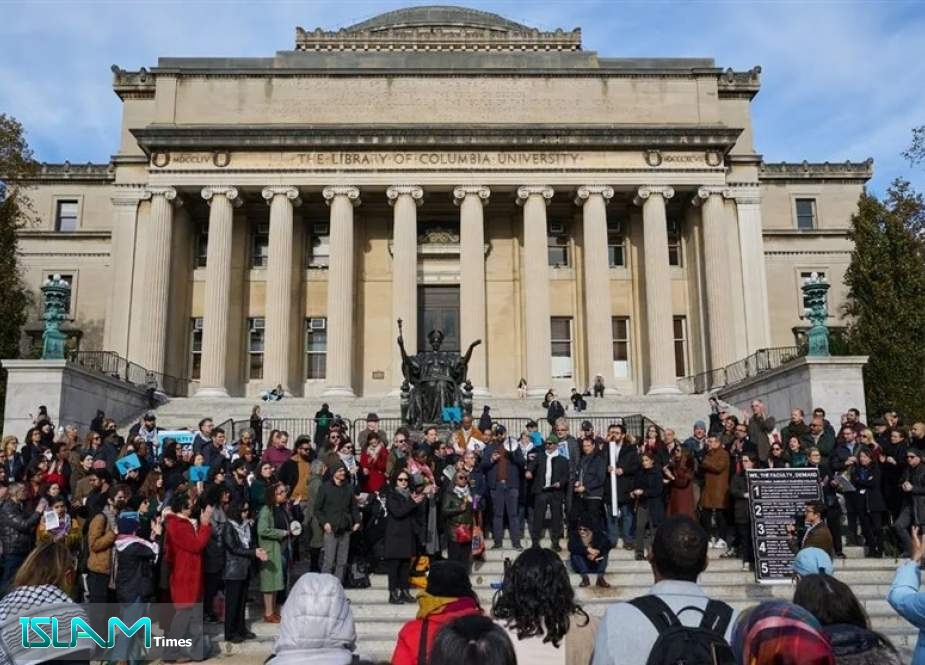
The Columbia campus protests, while intensely focused on specific issues, have inevitably impacted a broader range of individuals beyond the direct participants. Understanding the diverse perspectives of bystanders, faculty, and local residents is crucial to a complete picture of the situation. These perspectives offer valuable insight into the motivations and concerns driving the conflict, and the broader implications for the university and surrounding community.These diverse viewpoints highlight the multifaceted nature of the protests, revealing the complex interplay of emotions, values, and interests that shape the narrative.
Examining these different angles provides a more comprehensive understanding of the situation and helps in finding potential avenues for reconciliation and constructive dialogue.
Bystander Perspectives
The experience of bystanders during the protests varied significantly, reflecting different levels of involvement and varying degrees of comfort or concern. Some bystanders reported feeling a sense of unease or anxiety due to the disruption to their daily routines or the perceived escalation of tension. Others felt a sense of solidarity with the protesters, while others remained neutral, observing the unfolding events with a sense of detached curiosity.
Faculty Perspectives
Faculty members, often caught between their commitment to academic freedom and the need to maintain a productive learning environment, faced unique challenges during the protests. Some expressed concerns about the potential impact of the protests on student morale and academic performance, while others voiced support for the students’ right to protest. The disruption to their teaching schedules and the potential for student safety were also significant considerations.
Local Resident Perspectives
Local residents, whose daily lives were impacted by the protests, held diverse perspectives. Some residents reported concerns about traffic disruptions and the potential for increased crime rates. Others expressed solidarity with the protesters’ cause, recognizing the importance of civic engagement and the university’s role in the community. Still others expressed concerns about the potential long-term impact on property values or business activity.
Table of Perspectives
| Perspective Group | Primary Concerns | Reasoning |
|---|---|---|
| Bystanders | Disruption to daily routines, perceived escalation of tension, safety concerns | Bystanders may experience discomfort from the disruption of normal activities, witnessing potentially escalating conflicts, and possible threats to personal safety. |
| Faculty | Impact on student morale and academic performance, disruption to teaching schedules, student safety | Faculty members are responsible for maintaining a productive learning environment. The protests might affect students’ focus and well-being, as well as the faculty’s ability to deliver lessons. |
| Local Residents | Traffic disruptions, potential increase in crime rates, impact on property values/business activity | Local residents experience direct impacts on their daily lives, like commuting difficulties, and potential for elevated safety concerns. Their livelihood and property values are also at stake. |
Underlying Motivations and Concerns
Different groups held varying motivations and concerns during the protests. Bystanders often prioritized personal safety and the preservation of a peaceful community environment. Faculty were concerned with the potential for disruptions to the educational process and the well-being of students. Local residents, often indirectly affected, prioritized maintaining the tranquility and safety of their neighborhood. These varied concerns underscore the complex and interconnected nature of the protests.
Ending Remarks
In conclusion, the Columbia campus protests streets police underscore the enduring power of student activism and the vital role of law enforcement in these situations. The events highlight the interplay of historical context, societal influences, and immediate concerns. The diverse perspectives and public reactions, along with the lasting impact on campus life, all contribute to a multifaceted narrative. This examination aims to provide a balanced understanding of the events, prompting critical reflection on the complex issues at play.
Detailed FAQs
What were the specific demands of the protesters?
Protester demands varied, but some common themes included issues related to campus resources, academic policies, and social justice concerns.
How did the media portray the protests?
Media coverage varied widely, with different outlets emphasizing different aspects of the events and presenting diverse perspectives.
What were the concerns raised by faculty and administration regarding the protests?
Faculty and administration voiced concerns about disruptions to academic activities and the overall impact on campus morale and the learning environment.
Were there any legal ramifications stemming from the protests or police actions?
Legal proceedings related to the protests and any police actions were detailed, including relevant laws and regulations.