

Transgender Children Gender Dysphoria Explained
Transgender children gender dysphoria is a complex and multifaceted issue affecting many young people and their families. This exploration delves into the nuances of this topic, examining the emotional, psychological, and developmental aspects of gender dysphoria in children, while also considering the medical and social considerations. We will also consider the critical role of family and societal perspectives, educational strategies, and the essential support needed through healthcare.
Understanding the experiences of transgender children requires empathy, sensitivity, and a willingness to learn. This discussion will provide a comprehensive overview, drawing on current research and trends to paint a clearer picture of this important topic.
Understanding Gender Dysphoria in Children
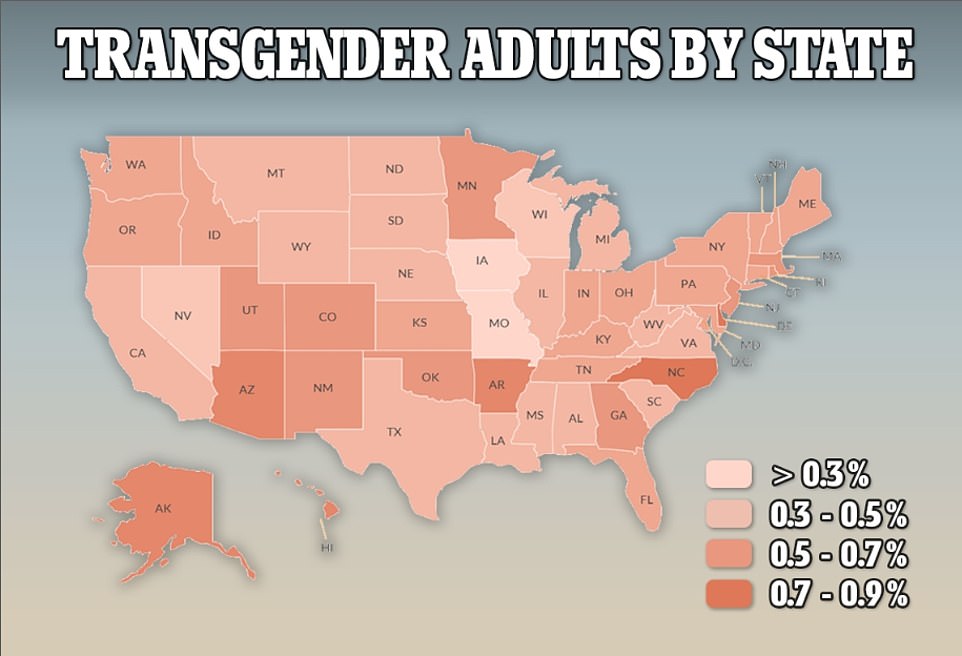
Gender dysphoria in children is a complex experience that requires careful understanding and support. It’s crucial to recognize that gender dysphoria isn’t simply a phase or a choice; it’s a deeply felt sense of incongruence between one’s assigned sex at birth and one’s internal gender identity. This often manifests in children in ways that can be easily misinterpreted. This exploration delves into the nuances of gender dysphoria in children, differentiating it from typical childhood explorations of gender, and outlining the various factors that might contribute to its development.A child experiencing gender dysphoria may feel a strong and persistent sense of discomfort or distress about their assigned sex and a strong desire to live as a gender different from the one they were assigned at birth.
This is not simply a preference; it’s a fundamental aspect of their identity. Children may express this through their behaviour, clothing choices, and play preferences, but the experience is often profoundly personal and challenging to articulate.
Manifestations of Gender Dysphoria in Children
Children often express gender dysphoria through a variety of behaviours and statements. They may consistently express a desire to be the opposite gender, or to have the characteristics of the opposite gender. This can manifest in a strong preference for toys, clothing, and activities typically associated with the opposite gender. These expressions might include a desire to be called by different names or pronouns, or a preference for interacting with people who understand and support their gender identity.
For example, a child assigned male at birth might consistently refer to themselves using female pronouns, and insist on wearing dresses and playing with dolls.
Navigating the complexities of transgender children’s gender dysphoria can be emotionally challenging for families. It’s a journey filled with unique struggles and often requires a deep understanding of the child’s needs. This often involves researching various support systems, and understanding the filmmaker’s background can be surprisingly insightful. For example, exploring Keith McNally Balthazar’s filmmaking past at keith mcnally balthazar filmmaking past could offer a different perspective on navigating the creative process, which can be mirrored in some ways when supporting a child through this stage.
Ultimately, supporting transgender children through gender dysphoria involves a holistic approach that acknowledges the child’s unique experience.
Common Signs and Symptoms
The signs and symptoms of gender dysphoria in children are varied and often subtle. Children may express discomfort with their assigned sex through behaviours such as consistently choosing toys, clothing, or activities traditionally associated with the opposite gender. They may also exhibit a strong preference for playing with others of the opposite gender or display a desire to be seen or perceived as a different gender.
Another common symptom is a strong desire to change their physical appearance, such as their hairstyle, or clothing, to align with their desired gender. This may manifest in the child’s self-expression and interactions. It is important to note that these behaviours do not necessarily indicate gender dysphoria, but when combined with other factors, they may suggest a need for further exploration and support.
Comparing Experiences Across Development
The experience of gender dysphoria varies across different developmental stages. In children, gender dysphoria often manifests as a consistent preference for activities, toys, and social roles associated with the opposite gender. In adolescents, the intensity of these feelings often increases, as they begin to explore their identity and navigate societal expectations. Adults with gender dysphoria often experience a greater desire for medical interventions, such as hormone therapy or surgeries, to align their physical presentation with their gender identity.
The specific needs and expressions of gender dysphoria vary significantly depending on the individual and their developmental stage.
Psychological and Emotional Factors
Various psychological and emotional factors may contribute to the development of gender dysphoria in children. These factors include individual experiences, family dynamics, and societal pressures. It is essential to acknowledge that gender dysphoria is a complex phenomenon, and no single factor is typically responsible for its development. For example, a child may have observed or been influenced by positive role models or experiences that aligned with their internal gender identity.
Conversely, negative experiences or lack of support could also influence the expression of gender dysphoria.
Types of Gender Dysphoria in Children
| Type | Description |
|---|---|
| Gender Identity Dysphoria | A deep and persistent discomfort with the sex assigned at birth and a strong sense of identification with a different gender. |
| Gender Expression Dysphoria | Discomfort with the expression of gender roles and expectations typically associated with the assigned sex, and a preference for expressing gender in a way that aligns with their internal gender identity. |
The table above provides a basic overview of the two key types of gender dysphoria in children. It’s crucial to remember that each child’s experience is unique, and the manifestations of dysphoria may vary significantly. A thorough understanding and evaluation by a qualified professional are essential to accurately assess the specific needs of the child.
Medical and Social Considerations

Navigating the complexities of gender dysphoria in children requires a multifaceted approach that considers both medical interventions and crucial social support. Understanding the potential long-term effects of medical interventions is vital, alongside the development of robust support systems for the child and their family. This is a journey that demands sensitivity, empathy, and a commitment to the child’s well-being.Medical interventions play a significant role in helping transgender children feel more comfortable in their bodies.
These interventions, however, should be approached with a deep understanding of their potential impact on the child’s overall health and development, and their future. Crucially, medical and social support should be tailored to the individual needs of each child.
Medical Approaches to Supporting Transgender Children
Medical interventions, such as hormone therapy and puberty blockers, are sometimes employed to manage gender dysphoria in transgender children. These interventions are carefully considered, focusing on the child’s well-being and long-term health. The decision to initiate these interventions is complex and involves collaboration between medical professionals, therapists, and the child’s family.
- Hormone therapy involves administering hormones that align with the child’s gender identity. This can significantly impact physical development, leading to changes in secondary sexual characteristics. Hormone therapy is typically initiated after a thorough evaluation by endocrinologists and in consultation with therapists.
- Puberty blockers can delay the onset of puberty. This approach allows time for the child to mature emotionally and understand their gender identity more fully. Puberty blockers are reversible and are typically used as a temporary measure to manage puberty-related distress and give the child time to consider their options.
Potential Long-Term Effects of Medical Interventions
The long-term effects of medical interventions, including hormone therapy and puberty blockers, are not fully understood, and ongoing research is crucial. Studies are constantly evolving and tracking the impacts on physical and mental well-being. Individual responses to these interventions vary, and the potential long-term effects must be weighed against the immediate relief from gender dysphoria.
- Long-term physical effects of hormone therapy may include changes in bone density, cardiovascular health, and reproductive capabilities. These effects are closely monitored by healthcare professionals.
- The long-term effects of puberty blockers are currently being investigated, with research focusing on potential impacts on bone density and reproductive health. The reversibility of puberty blockers is a significant factor in the decision-making process.
Social Support Systems
Robust social support systems are essential for transgender children and their families. This includes supportive family members, friends, and mental health professionals who can provide guidance and understanding. Finding a community of like-minded individuals and families is also crucial.
- Family support is paramount. Open communication, acceptance, and understanding from family members are critical in fostering a positive environment for the child.
- Friendships and social networks play a vital role in providing emotional support and reducing feelings of isolation. Schools and communities can play a role in creating a more inclusive environment.
- Mental health professionals, such as therapists and counselors, provide valuable guidance and support for the child and family, helping to navigate the challenges of gender transition.
Roles of Professionals in Supporting Transgender Children
Collaboration between various professionals is vital in supporting transgender children and their families. Each professional brings unique expertise and plays a crucial role in the child’s well-being.
| Profession | Role |
|---|---|
| Doctors (Endocrinologists, Pediatricians) | Assess physical health, manage medical interventions (hormone therapy, puberty blockers), and monitor potential side effects. |
| Therapists (Psychologists, Counselors) | Provide psychological support and guidance to the child and family, addressing emotional and mental health concerns, and facilitating communication. |
| Educators (Teachers, School Counselors) | Create a safe and inclusive school environment, educate peers and staff about gender identity, and support the child’s social and emotional well-being. |
Challenges Faced by Transgender Children in Different Social Environments
Transgender children may face various challenges in different social environments, including schools, communities, and social circles. Understanding and addressing these challenges is crucial for creating a supportive and inclusive environment.
- Schools: Bullying, lack of understanding from peers and teachers, and inappropriate or insensitive treatment can create a hostile learning environment. Educating staff and peers about gender identity and providing resources for support can significantly improve the experience.
- Communities: Lack of acceptance or understanding from community members can lead to social isolation and discrimination. Building inclusive communities and promoting understanding are vital.
Developmental Aspects

Understanding the developmental journey of gender identity in children is crucial for providing appropriate support and fostering a healthy sense of self. This process is complex and multifaceted, influenced by various factors both internal and external to the child. The stages of development, parental and societal roles, and the impact of the social environment all play a significant part in shaping a child’s gender identity.Children’s understanding of gender identity is not a sudden revelation but a gradual process unfolding across different developmental stages.
This process is influenced by biological factors, cognitive development, and social interactions, all contributing to a child’s growing sense of self.
Stages of Gender Identity Formation
The development of gender identity in children is not a linear progression, but rather a complex interaction of internal and external factors. Children typically begin to understand gender roles and expectations early in their lives, often influenced by observations of adults and peers. This understanding evolves as they grow and encounter more diverse perspectives.
Parental and Caregiver Support
Parents and caregivers play a vital role in supporting a child’s exploration of gender identity. Creating a safe and accepting environment where children feel comfortable expressing themselves is paramount. Encouraging open communication and validating a child’s feelings, regardless of their expressed gender identity, is essential. Providing resources and support for parents to understand and navigate this process is equally important.
This can include connecting them with support groups, therapists, or other resources.
Impact of Societal Norms and Expectations
Societal norms and expectations regarding gender roles significantly impact a child’s development of gender identity. Traditional gender roles can create pressure on children to conform to specific behaviors and expectations. Children who do not conform to these expectations may experience social stigma or prejudice. Understanding and challenging these norms is essential to fostering a more inclusive environment for all children.
For instance, the expectation that girls should be nurturing and boys should be assertive can limit a child’s expression of their true self.
Navigating the complexities of transgender children’s gender dysphoria is a deeply personal journey, and understanding the evolving support systems is crucial. Recent legislative debates, like those surrounding Steve Garvey’s California Senate candidacy, steve garvey california senate , highlight the political landscape surrounding these issues. Ultimately, fostering a supportive and inclusive environment for transgender children remains paramount.
Framework for Understanding Social Environment Impact
A child’s social environment, including family, peers, and community, significantly influences their gender identity development. The acceptance and support within these social circles can significantly impact a child’s sense of self. Children who experience prejudice or discrimination based on their gender identity may develop negative self-perceptions and internalized biases. Conversely, children who feel accepted and supported are more likely to develop a healthy and positive sense of self.
Significance of Play and Activities
Play and activities are vital components in the development of gender identity. Play allows children to explore different roles, express themselves, and experiment with different aspects of their identity. Providing a diverse range of play opportunities can foster a child’s understanding of gender as a spectrum rather than a rigid binary. For example, allowing a child to engage in activities traditionally associated with the opposite gender can promote a broader understanding of gender roles and help children feel more comfortable expressing their true selves.
Navigating the complexities of transgender children’s gender dysphoria can be emotionally challenging for families. It’s a journey filled with unique considerations, and understanding the support systems available is crucial. While researching different resources, I stumbled upon an interesting article about the Niue .nu domain in Sweden , a fascinating cultural and domain-related development. Ultimately, though, the most important focus remains supporting transgender children and ensuring their well-being throughout this process.
Family and Societal Perspectives
Navigating the complexities of a child’s gender identity journey can be profoundly challenging for families and communities. Understanding the diverse range of reactions and responses, from acceptance and support to fear and rejection, is crucial for creating environments that foster well-being and allow transgender children to thrive. The journey requires empathy, education, and a willingness to adapt and learn.A supportive and understanding environment is vital for a transgender child’s mental and emotional health.
When families and communities embrace and celebrate differences, children feel safe, validated, and empowered to explore their identities. Conversely, rejection and discrimination can have devastating consequences, leading to isolation, anxiety, and depression.
Reactions from Families and Communities, Transgender children gender dysphoria
Families’ reactions to a child’s gender transition vary greatly. Some families embrace the transition with love and support, while others struggle with feelings of confusion, fear, or even anger. These reactions are often rooted in personal beliefs, cultural norms, and lack of understanding about gender identity.
Importance of Supportive Environments
Creating a supportive environment for transgender children and their families is paramount. Supportive environments foster a sense of belonging and acceptance, allowing children to explore their identities without fear of judgment or rejection. Such environments are essential for a child’s emotional well-being and overall development. Acceptance and understanding from family and community are fundamental to the child’s mental and physical health, and overall well-being.
Challenges Faced by Families
Navigating the complexities of gender transition can present significant challenges for families. These challenges include grappling with questions about medical interventions, adjusting to social expectations, and navigating potential societal resistance. Families may also face financial burdens, emotional distress, and difficulties accessing appropriate resources. The process requires careful consideration of the child’s well-being, and requires ongoing education and support.
Examples of Supportive and Unsupportive Community Responses
Supportive responses might involve community groups organizing workshops, providing educational resources, or creating inclusive spaces for transgender children and their families. Unsupportive responses, conversely, might manifest in discrimination, bullying, or outright hostility.
| Supportive Response | Unsupportive Response |
|---|---|
| Community center hosts a workshop on gender identity for parents and children. | Social media posts expressing hateful comments about transgender children. |
| School creates a safe space for transgender students. | Exclusion from social activities or sports due to gender identity. |
| Religious community leader gives a sermon promoting inclusivity. | A community member publicly denouncing gender transition as harmful. |
Need for Education and Understanding
Education and understanding are critical in fostering acceptance of transgender children within families and communities. Increased awareness and knowledge can dispel misconceptions and promote empathy. Education initiatives, including workshops, presentations, and community discussions, can empower individuals and groups to become more informed and supportive allies. Open dialogue and active listening are essential to addressing concerns and fostering understanding.
Encouraging empathy and building bridges of understanding are critical to fostering acceptance.
Educational Strategies
Educating children about gender diversity and inclusion is crucial for fostering a safe and accepting environment for all. This involves understanding the spectrum of gender identities, recognizing the importance of inclusive language, and creating a supportive learning environment that embraces differences. By implementing these strategies, educators can empower children to understand and respect the diversity of human experience.Effective education strategies require a multi-faceted approach, including explicit instruction, creating a supportive school climate, and promoting inclusive language.
A proactive and comprehensive approach to gender education is essential for cultivating a society that embraces diversity and inclusivity.
Best Practices for Educating Children About Gender Diversity
Comprehensive gender education should begin with accurate and age-appropriate information. It’s important to avoid presenting gender as a binary concept, but rather as a spectrum. Early education should introduce children to various gender identities and expressions, ensuring that transgender identities are represented in a positive and accurate manner. This can be achieved through age-appropriate books, videos, and discussions.
Resources Available to Educators
Numerous resources are available to support educators in their efforts to create inclusive learning environments. Professional development opportunities, including workshops and online courses, provide valuable insights into gender diversity and best practices. Organizations dedicated to LGBTQ+ advocacy and education offer a wealth of materials, including lesson plans, guides, and support networks for educators. These resources are essential for equipping educators with the knowledge and tools needed to effectively address gender diversity in the classroom.
Importance of Inclusive Language and Terminology
Using inclusive language is vital when discussing gender with children. Avoid using gendered terms that may not reflect the diversity of gender identities. Instead, use gender-neutral language whenever possible. For example, use “they/them” pronouns to refer to individuals whose gender identity is not explicitly known. This fosters respect and understanding among children and promotes inclusivity in the classroom.
Age-Appropriate Ways to Discuss Gender with Children
| Age Group | Approaches |
|---|---|
| Preschool (3-5 years) | Introduce the concept of different ways people express themselves. Use simple, age-appropriate language to describe gender diversity. Focus on characteristics like clothes, activities, and interests. |
| Elementary School (6-10 years) | Introduce a broader range of gender identities and expressions. Discuss how gender is not always binary. Use real-life examples and stories to illustrate different experiences. |
| Middle School (11-14 years) | Explore the complexities of gender identity and expression. Discuss social norms and expectations surrounding gender. Introduce terminology like “transgender” and “non-binary” in a respectful and age-appropriate manner. |
| High School (15-18 years) | Deepen the understanding of gender identity and expression, exploring societal impacts and challenges faced by transgender individuals. Discuss intersectionality and the interplay of gender with other identities. |
Creating a Safe and Supportive Learning Environment
Creating a safe and supportive learning environment for transgender children requires careful consideration of their needs and experiences. Educators should strive to create a classroom environment where all students feel respected, valued, and accepted for who they are. This involves actively listening to students’ experiences, addressing any biases or misconceptions, and ensuring that transgender children feel comfortable expressing themselves.
It is crucial to establish clear policies and procedures to address issues of discrimination or harassment. The school should implement a process that protects and supports students and addresses issues with respect and sensitivity.
Supporting Transgender Children Through Healthcare: Transgender Children Gender Dysphoria
Navigating the complexities of gender identity, particularly for transgender children and adolescents, necessitates a nuanced and compassionate approach. Healthcare providers play a critical role in providing the necessary support and medical care for these young individuals, ensuring their well-being and affirming their identities. This often involves a multi-faceted strategy that addresses both the medical and psychosocial needs of the child.
The Role of Healthcare Providers
Healthcare providers are vital in supporting transgender children and adolescents. Their role extends beyond simply diagnosing gender dysphoria. It encompasses providing comprehensive care, fostering a supportive environment, and advocating for the child’s best interests. This includes understanding the child’s unique experience, addressing their concerns, and working collaboratively with families to develop individualized care plans. Furthermore, healthcare providers must stay abreast of the latest research and best practices in the field.
This ongoing education is essential for providing accurate and evidence-based information.
Types of Medical Care and Support
Providing appropriate medical care for transgender children requires a comprehensive approach. This includes psychosocial support, such as counseling and therapy, to address the emotional and psychological challenges of transitioning. Medical interventions, when deemed necessary, can encompass hormone therapy, which involves the use of hormones to support the child’s gender identity. Other types of care include puberty blockers, which can delay the onset of puberty.
Navigating the complexities of transgender children’s gender dysphoria can be emotionally challenging for everyone involved. It’s a journey filled with unique struggles, and, as with any significant life change, grief is a natural part of the process. Just like the exploration of grief in the context of personal loss, as explored in grief is for people sloane crosley , understanding and supporting these children through their transition requires empathy and a willingness to learn and adapt.
Ultimately, the support system needs to acknowledge and address the complex emotional landscape, ensuring the well-being of all involved, in this sensitive journey of self-discovery.
Surgical interventions, if appropriate and desired, may also be considered. It’s crucial to emphasize that the decision-making process should be collaborative, involving the child, family, and healthcare professionals.
Importance of Culturally Sensitive and Affirming Healthcare
Culturally sensitive and affirming healthcare is paramount in providing support to transgender children. This approach recognizes and respects the child’s unique cultural background and identity. It also involves creating a safe and welcoming environment where the child feels comfortable expressing their gender identity and seeking help. Providers must be knowledgeable about the cultural nuances and sensitivities related to gender identity, recognizing that these factors can influence the child’s needs and preferences.
Moreover, affirming care acknowledges and validates the child’s gender identity, fostering a sense of belonging and self-acceptance.
Ethical Considerations
Ethical considerations surrounding medical interventions for transgender children are complex. Discussions surrounding the long-term effects of medical interventions must be open and honest, and the potential risks and benefits of various treatment options must be carefully considered. Consent procedures must be tailored to the child’s age and maturity level, ensuring that the child has a voice in the decision-making process.
Additionally, the potential for coercion or undue influence from family members or others must be addressed. Prioritizing the child’s best interests and well-being is paramount in all ethical considerations.
Table of Healthcare Support Types
| Type of Support | Description |
|---|---|
| Psychosocial Support | Counseling, therapy, and support groups that address emotional and psychological needs related to transitioning. |
| Hormone Therapy | Use of hormones to support the child’s gender identity, such as estrogen or testosterone, under medical supervision. |
| Puberty Blockers | Medications to temporarily halt puberty, allowing more time for the child and family to make informed decisions. |
| Surgical Interventions | Procedures to support the child’s gender identity, if deemed appropriate and desired. This should only occur after extensive discussion, psychological assessment, and consultation. |
| Culturally Sensitive Care | Healthcare that acknowledges and respects the child’s unique cultural background and gender identity. |
Current Research and Trends
Research on gender dysphoria in children is a rapidly evolving field, driven by increasing awareness and the need for evidence-based understanding and support. Current studies aim to better define the nature of gender dysphoria, identify potential risk factors, and explore effective treatment strategies. The research landscape is marked by both significant progress and ongoing debates, reflecting the complexities of this issue.Research consistently indicates that gender dysphoria in children is a complex and multifaceted experience, not simply a phase or a form of rebellion.
Studies are exploring the neurological and psychological underpinnings of gender dysphoria, aiming to understand the interplay of biological, environmental, and social factors. This complex interaction is reflected in the varied perspectives and approaches to understanding and addressing this issue.
Current Research Findings
Numerous studies are investigating the prevalence, developmental trajectory, and potential risk factors associated with gender dysphoria in children. These studies are crucial for developing effective interventions and support systems. Research on the prevalence of gender dysphoria in children continues to be an area of active investigation, with studies using diverse methodologies and populations. This research has implications for resource allocation, policy development, and broader societal understanding.
Navigating the complexities of transgender children’s gender dysphoria can be emotionally draining for everyone involved. Balancing the child’s needs with the demands of daily life often requires careful consideration. This is where a “right to disconnect law” right to disconnect law could potentially provide valuable support, enabling parents to prioritize personal well-being and focus on the child’s transition journey without constant pressure.
Ultimately, ensuring the best possible outcomes for these children requires a holistic approach that considers everyone’s mental health and needs.
Emerging Trends and Debates
Emerging trends include a focus on the importance of early intervention and support, recognizing that early access to appropriate care can positively impact the well-being of transgender children. The role of social transition in the experience of gender dysphoria is being actively investigated, examining the impact of social affirmation on the mental health and overall well-being of transgender youth.
The research is exploring the relationship between gender identity and other developmental factors, such as social and emotional development, and how these factors interact. The ethical considerations surrounding medical interventions for gender dysphoria in children are frequently debated, reflecting the complexities involved. Discussions about the appropriate timing and nature of medical interventions, such as hormone therapy, are ongoing.
Major Studies on Gender Dysphoria
Significant research efforts have focused on the development of validated diagnostic tools and criteria for gender dysphoria in children. These efforts contribute to the consistent and accurate identification of individuals experiencing gender dysphoria. Several studies have explored the long-term outcomes of gender-affirming care for transgender youth, investigating factors such as mental health, social adjustment, and overall well-being. These studies contribute valuable insights into the potential benefits and risks associated with these interventions.
Longitudinal studies, following individuals over extended periods, are increasingly important for gaining a more complete understanding of the long-term effects of gender affirmation.
Impact of Media Coverage and Public Discussion
Media coverage and public discourse play a significant role in shaping public perception and understanding of gender dysphoria in children. Positive portrayals of transgender children can foster empathy and understanding, while negative or sensationalized portrayals can contribute to stigma and misinformation. The influence of media and public discussions on the experiences of transgender children and their families is a critical aspect of this complex issue.
The availability of accurate and balanced information is crucial to fostering constructive dialogue and addressing potential biases.
Different Viewpoints on Causes and Treatment
There are varied perspectives on the causes of gender dysphoria in children, ranging from biological predispositions to social influences. The nature and extent of the interaction between biological and social factors are actively investigated in current research. Discussions about the most appropriate treatment approaches for gender dysphoria in children are ongoing, with varying perspectives on the role of social support, medical interventions, and psychological therapies.
This includes the use of gender-affirming care, including hormone therapy and surgeries, and the timing of such interventions. The ethical and societal implications of these interventions are actively discussed. The need for individualized approaches to treatment and support, taking into account the unique needs and circumstances of each child, is a common theme.
End of Discussion
In conclusion, navigating the complexities of transgender children gender dysphoria demands a multifaceted approach. This discussion has highlighted the need for education, understanding, and support systems, from medical care to family and societal acceptance. Ultimately, fostering a supportive environment where transgender children can thrive requires a concerted effort from all stakeholders, encouraging open dialogue and empathy.
Clarifying Questions
What are some common signs of gender dysphoria in children?
Children experiencing gender dysphoria may express discomfort with their assigned sex, demonstrate a strong desire to identify with the opposite gender, or express a wish to change their physical appearance to align with their gender identity. This can manifest in various ways, from clothing choices to a desire to use different names and pronouns.
What role do parents play in supporting a child’s gender exploration?
Parental support is crucial. Creating a safe and accepting environment where the child feels comfortable exploring their identity is key. This involves listening to the child’s feelings, providing affirmation, and seeking guidance from professionals.
How can schools create a more inclusive environment for transgender children?
Schools can foster inclusivity by implementing policies that respect transgender students’ identities, including the use of preferred names and pronouns. Educating students about gender diversity and providing resources for teachers are crucial steps.
What are some resources available to families dealing with this issue?
Numerous organizations and support groups offer valuable resources for families navigating gender dysphoria. Online forums, local support groups, and professional therapists can provide guidance and support during this challenging time.