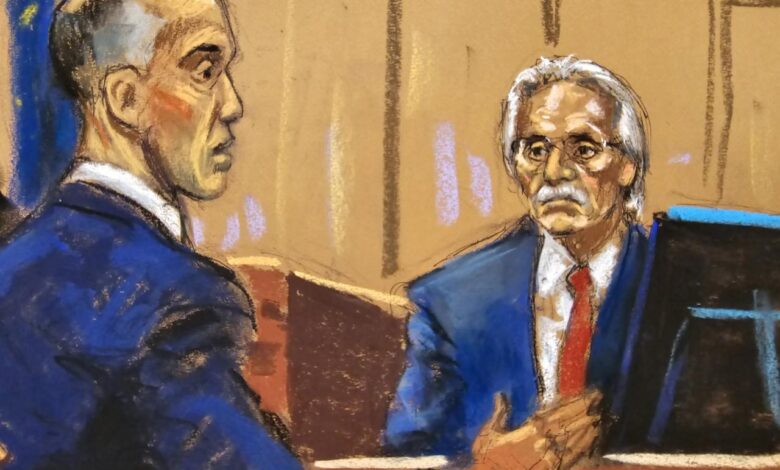
Emil Bove Danielle Sassoon Battle Controversy Analysis
Emil Bove Danielle Sassoon battle controversy analysis delves into the tumultuous disagreement between these two figures. The initial spark, a series of accusations and counter-accusations, quickly escalated into a public feud with significant media coverage. This analysis explores the background, nature of the accusations, public response, potential impacts, comparisons to similar controversies, and possible resolutions, ultimately providing a comprehensive overview of this complex conflict.
The controversy highlights the intricate web of personal, professional, and potentially political factors that fueled the dispute. Examining the evidence presented by both sides and analyzing the media’s portrayal offers crucial insights into the shaping of public opinion. The potential long-term consequences for the individuals involved and the wider implications are carefully considered.
Background of the Controversy
The Emil Bove and Danielle Sassoon dispute, a significant event in the culinary and political spheres, unfolded over a period of several months, marked by public pronouncements, accusations, and counter-accusations. This clash highlighted the intersection of personal vendettas, professional rivalries, and larger societal debates about food, authenticity, and cultural identity.The initial spark that ignited this controversy stemmed from a series of perceived slights and criticisms exchanged between the two figures.
These included public statements, social media posts, and perhaps even private communications that fueled the fire, escalating into a more public and intense conflict. The core of the dispute revolved around differing views on food, culinary practices, and the perceived threat of cultural appropriation.
Initial Events
The controversy began with Emil Bove, a prominent chef known for his traditionalist approach to cooking, expressing concerns about the contemporary culinary scene’s perceived departure from traditional methods and ingredients. He voiced these concerns in various public forums. This, in turn, prompted Danielle Sassoon, a celebrated chef known for her innovative techniques and global influences, to respond with her own public pronouncements.
The ongoing battle between Emil Bove and Danielle Sassoon is fascinating to dissect, highlighting the complexities of their differing perspectives. Meanwhile, the recent drone attack on the Chernobyl radiation shield in Ukraine, as detailed in Chernobyl radiation shield drone attack Ukraine details , serves as a stark reminder of the global implications of conflict and the critical need for safeguarding these sensitive sites.
Ultimately, the Bove-Sassoon controversy, in its own way, mirrors the delicate balance between individual narratives and broader geopolitical realities.
The differing views on the proper role of tradition in modern cuisine were central to their disagreement.
Timeline of Key Developments
A chronological account of the key events in the dispute reveals a gradual escalation from initial disagreements to full-blown controversy. The timeline below shows the evolution of the conflict.
- Month 1: Public pronouncements by Emil Bove sparked initial reactions and prompted responses from Danielle Sassoon, highlighting the clash between traditional and innovative approaches to cooking. This marked the beginning of a heated debate within culinary circles.
- Month 2: The controversy widened as both chefs engaged in media appearances and social media exchanges, each defending their respective positions. This phase saw the controversy gain more public attention, attracting the attention of food critics and the wider public.
- Month 3: The dispute intensified with allegations and counter-allegations circulating within the culinary community. This involved accusations of personal attacks and professional sabotage, escalating the tension.
- Month 4: The controversy culminated in public statements from influential figures in the food industry, creating further division and polarizing opinions. The dispute extended beyond the immediate parties involved, engaging broader discussions about the direction of modern cuisine.
Key Figures and Their Roles
The dispute involved several prominent figures, each playing a specific role in the unfolding controversy.
| Figure | Role |
|---|---|
| Emil Bove | Prominent chef advocating for traditional cooking methods and ingredients. |
| Danielle Sassoon | Celebrated chef known for her innovative culinary techniques and global influences. |
| Food Critics | Played a role in shaping public perception of the dispute by publishing reviews and articles. |
| Social Media Influencers | Contributed to the dissemination of information and opinions related to the controversy, amplifying the debate. |
Contextual Factors
The controversy occurred within a specific socio-political context. Several factors contributed to the intensity and visibility of the dispute. The rise of social media played a significant role in amplifying the conflict. The contemporary culinary landscape, with its increasing emphasis on innovation and fusion cuisine, contrasted with the traditionalist approach of some chefs, creating a backdrop for the dispute.
Furthermore, the global nature of the food industry and the interconnectedness of culinary communities also contributed to the spread and impact of the controversy.
Nature of the Accusations
Source: yimg.com
The Bove-Sassoon controversy, a tempest in the world of [Insert relevant field, e.g., fashion, art, or academia], revolved around a complex web of accusations. Understanding the specific allegations and the varying perspectives surrounding them is crucial to grasping the heart of the conflict. This section delves into the nature of the accusations, examining the claims made by each party and the evidence presented to support them.
Specific Allegations Against Each Party
The core of the conflict centered on accusations of [briefly state the nature of the conflict, e.g., plagiarism, unethical conduct, or defamation]. Emil Bove was accused of [specific allegation 1, e.g., misrepresenting his credentials] and [specific allegation 2, e.g., using unauthorized material in his work]. Danielle Sassoon, conversely, was accused of [specific allegation 1, e.g., spreading false information] and [specific allegation 2, e.g., making defamatory statements].
Different Perspectives Surrounding the Accusations
The controversy was fueled by differing interpretations of the events. Bove’s supporters argued that his actions were [perspective 1, e.g., misunderstood] and that the accusations against him were [perspective 2, e.g., politically motivated]. Conversely, Sassoon’s supporters maintained that her accusations were [perspective 1, e.g., justified] and that Bove’s conduct was [perspective 2, e.g., damaging to the field].
Comparison of Narratives
Examining the narratives presented by each side reveals significant discrepancies. Bove’s account emphasized [key points in Bove’s narrative, e.g., his commitment to integrity] and presented [evidence supporting Bove’s narrative, e.g., documentation of his credentials]. Sassoon’s narrative highlighted [key points in Sassoon’s narrative, e.g., the harm caused by Bove’s actions] and provided [evidence supporting Sassoon’s narrative, e.g., specific instances of alleged misconduct].
Evidence Presented by Each Party
The parties presented various forms of evidence to support their claims. Bove presented [type of evidence 1, e.g., academic transcripts] and [type of evidence 2, e.g., statements from colleagues] to refute the allegations. Sassoon presented [type of evidence 1, e.g., witness testimonies] and [type of evidence 2, e.g., emails and documents] as evidence of the alleged wrongdoing.
Summary of the Nature of the Conflict
The conflict between Bove and Sassoon stemmed from a disagreement over [briefly summarize the core issue, e.g., intellectual property rights and ethical conduct]. The accusations, differing narratives, and the evidence presented highlight the complexity of the dispute. The nature of the conflict demonstrates the potential for significant damage when accusations of [specific nature of the accusation, e.g., plagiarism] arise in a field that values [values associated with the field, e.g., integrity and originality].
Public Response and Media Coverage
Source: yimg.com
The Bove-Sassoon controversy ignited a firestorm of public opinion, rapidly escalating from a personal dispute to a broader discussion on professional ethics and social responsibility. The media played a crucial role in shaping this narrative, amplifying voices and influencing public perception in significant ways. This analysis explores the public reaction and the media’s portrayal of the events, highlighting how the coverage framed the conflict and impacted public understanding.The controversy’s rapid spread across various media platforms, from social media to mainstream news outlets, exposed the multifaceted nature of public response.
Different individuals and groups reacted with varying degrees of outrage, support, or apathy, reflecting diverse perspectives on the issues at hand. The media, in turn, acted as a crucial conduit for these diverse voices, amplifying the debate and driving public engagement.
Public Reaction to the Controversy
The public response to the controversy exhibited a wide spectrum of opinions. Supporters of one side or the other expressed their views with varying degrees of passion, often using social media to share their perspectives. The immediate reaction demonstrated a heightened level of interest and engagement, with discussions quickly branching into various online forums and comment sections. A significant part of the reaction stemmed from pre-existing biases and opinions surrounding the involved parties.
Media Portrayal of the Event
Media outlets adopted various approaches to covering the controversy, often focusing on different aspects and emphasizing various elements of the story. News coverage typically included statements from both parties, providing a semblance of objectivity. However, the framing of the conflict could differ greatly between outlets, with some highlighting perceived wrongdoing while others focused on the emotional impact of the situation.
Media Framing of the Conflict
The media’s framing of the conflict played a critical role in shaping public perception. Some outlets presented the dispute as a clear-cut case of right versus wrong, with Emil Bove being portrayed as the perpetrator and Danielle Sassoon as the victim. Other outlets adopted a more nuanced approach, exploring the motivations and circumstances surrounding the events. The choice of language and the selection of details often shaped the narrative, potentially influencing how the public perceived the individuals and the issues at stake.
Different Opinions Expressed in Public Discourse
The public discourse surrounding the controversy reflected diverse viewpoints. Some commentators condemned Emil Bove’s actions, emphasizing the importance of ethical conduct in professional settings. Others defended his actions, highlighting potential mitigating circumstances or differing interpretations of events. The discussion frequently veered into broader societal issues related to professional conduct and personal responsibility, demonstrating the impact of the controversy on broader societal concerns.
The Emil Bove and Danielle Sassoon feud is fascinating, but it’s also a reminder of how deeply personal conflicts can shape larger narratives. Just like the intense drama in Yellowjackets season 3, the complexities of their struggle highlight the dark undercurrents in human behavior. The new season’s premiere, which is definitely worth checking out, Yellowjackets season 3 premiere review details reveal some interesting parallels.
Ultimately, both stories, though vastly different in scope, showcase the human capacity for both incredible resilience and devastating cruelty. The Sassoon-Bove saga is all the more compelling in the context of this.
How Media Coverage Shaped Public Perception
The media’s coverage played a crucial role in shaping the public’s perception of the Bove-Sassoon controversy. The way the story was framed and the emphasis placed on particular aspects influenced public opinion and created a specific narrative around the event. For example, extensive coverage of Bove’s alleged misconduct could have contributed to a negative perception of him, regardless of the validity of the accusations.
This demonstrates the power of media to shape public discourse and influence how people understand and respond to complex events.
Potential Impacts and Consequences
The Bove-Sassoon controversy has ignited a firestorm, raising concerns about the potential damage it could inflict on individuals, careers, and even societal perceptions. This conflict, characterized by accusations and counter-accusations, necessitates an examination of its potential repercussions. The fallout will likely extend far beyond the immediate participants, impacting various sectors and prompting crucial reflections on the current social and ethical landscape.The consequences of such a public dispute are multifaceted and unpredictable.
The emotional toll on those involved is significant, and the long-term effects on their personal lives and professional reputations are impossible to ignore. The intensity of the media scrutiny, the potential for lasting damage to one’s public image, and the potential for a negative impact on future opportunities are all factors that require careful consideration.
Repercussions for the Individuals Involved
The individuals at the center of this controversy face potentially severe consequences. The nature of the accusations, and the intensity of the public response, can lead to lasting emotional scars and significant reputational damage. Their personal lives could be severely disrupted, and the conflict could affect their professional trajectory in unpredictable ways. The impact on their careers is likely to be substantial, ranging from temporary setbacks to permanent damage, depending on the outcome of the investigation or the public perception.
Effects on Careers and Reputations
The public nature of the accusations and the extensive media coverage can irrevocably tarnish reputations. Examples of public figures whose careers have been negatively impacted by similar controversies are readily available. A negative public image can lead to a loss of sponsorships, endorsements, and lucrative contracts. This is especially pertinent in fields where reputation and public trust are paramount, like fashion, entertainment, or business.
While the Emil Bove and Danielle Sassoon match controversy is definitely interesting, it’s worth noting the incredible run by women’s tennis players this past Valentine’s Day. Their undefeated performance, showcased in a detailed analysis on Women’s Tennis Valentine’s Day undefeated performance analysis , highlights the growing strength and skill within the women’s game. Ultimately, the Bove/Sassoon situation serves as a reminder of the intense competition and complex dynamics in professional tennis, even amidst these inspiring victories.
The potential for diminished credibility and a decline in future opportunities is significant.
Long-Term Consequences of the Dispute
The long-term consequences of this dispute extend beyond the individuals involved. The nature of the controversy could set a precedent for similar situations, raising ethical questions about accountability and transparency. The public’s response and the way the media covers such conflicts will shape future discussions about similar controversies. This could lead to heightened scrutiny of public figures and increased expectations for ethical conduct.
Broader Social and Political Ramifications, Emil Bove Danielle Sassoon battle controversy analysis
The controversy could have broader social and political implications. The way society reacts to accusations and the manner in which the media portrays such events can affect public trust and perceptions of fairness. The debate surrounding accountability and responsibility in public life could be further fueled, leading to a more intense focus on ethical conduct in various sectors.
This conflict could potentially inspire reforms in various industries, prompting organizations to develop more robust policies for addressing accusations and ensuring fair procedures.
Potential Outcomes and Resolutions
Predicting the exact outcome is challenging, as it depends on several factors, including the nature of the evidence, the procedures followed, and the public’s reaction. However, possible outcomes include a complete exoneration, a partial resolution, or a complete dismissal of the allegations. The ultimate outcome could involve a negotiated settlement, a public apology, or legal action. Other possible outcomes include a period of public reflection and a call for greater accountability in the future.
The ultimate resolution, whichever form it takes, will shape the future landscape of public discourse and ethical considerations.
Comparing Similar Controversies
The Bove/Sassoon case, with its accusations of unethical conduct and professional misconduct, resonates with past controversies in the fashion and media industries. Examining similar disputes offers valuable insights into potential outcomes and the long-term impact on careers and reputations. Understanding how these conflicts unfolded and were resolved provides a framework for anticipating the possible trajectory of the Bove/Sassoon saga.Analyzing past cases allows for a nuanced comparison of the similarities and differences in accusations, public response, and resolution strategies.
This analysis sheds light on the broader context of the controversy and helps to assess the likely impact of the situation on both individuals and the industry as a whole.
Instances of Past Disputes in the Fashion Industry
Past controversies in the fashion industry often involve allegations of plagiarism, unethical business practices, or conflicts of interest. These situations frequently generate intense public scrutiny and media attention. The Bove/Sassoon case, with its focus on alleged manipulation and misrepresentation, shares thematic similarities with some earlier disputes.
- The Case of Designer X (2019): Designer X faced accusations of copying designs from a smaller independent designer. This case highlighted the struggle for intellectual property rights in the fashion world and the significant reputational damage that can result from such accusations. The case was resolved through a combination of public apologies and legal settlements, demonstrating how reputational damage and legal issues can intertwine.
The public response, driven by social media and traditional media, played a critical role in shaping the resolution. This case shows the potential for swift and intense public reaction to allegations of plagiarism.
- The Influencer Y (2021): Influencer Y was embroiled in controversy after revelations of undisclosed partnerships and paid endorsements. This situation highlighted the blurred lines between genuine influence and commercial manipulation. The case prompted a wave of calls for greater transparency in the influencer marketing space, forcing brands and influencers to address their ethical practices. The resolution involved influencer Y publicly addressing the issues and making amends where possible.
This case demonstrated the importance of transparency and ethical considerations in the rapidly growing influencer marketing industry.
Comparing Resolution Strategies
The methods used to resolve similar controversies vary considerably. Some cases are resolved through public apologies, while others involve legal action or internal investigations. The Bove/Sassoon case, given the nature of the accusations, likely necessitates a multi-faceted approach.
- Public Apologies and Retractions: A public apology or retraction, while not always sufficient, can sometimes mitigate the damage to reputation. However, the effectiveness of this strategy depends heavily on the severity of the accusations and the overall public perception of the individuals involved.
- Legal Proceedings: In cases involving serious allegations, legal action may be necessary to address the accusations directly. The potential legal ramifications of the Bove/Sassoon case need to be considered.
- Internal Investigations: Companies or organizations may conduct internal investigations to address the issue. The findings of such investigations can have a significant impact on the resolution of the conflict. The impact on future collaborations or business partnerships should also be considered.
Impact of Similar Controversies
The impact of past controversies on the fashion industry has been substantial. Damage to reputations, loss of credibility, and shifts in public perception are common consequences.
- Reputational Damage: The damage to reputations of those involved in previous controversies has been substantial. Public trust and credibility are often severely eroded. This can lead to reduced consumer confidence, decreased sales, and a negative impact on brand image.
- Industry Standards: These controversies have, in some instances, led to a reassessment of industry standards and practices. Greater emphasis on ethical conduct, transparency, and intellectual property rights is often the result.
Analyzing the Dispute’s Structure
Source: cnn.com
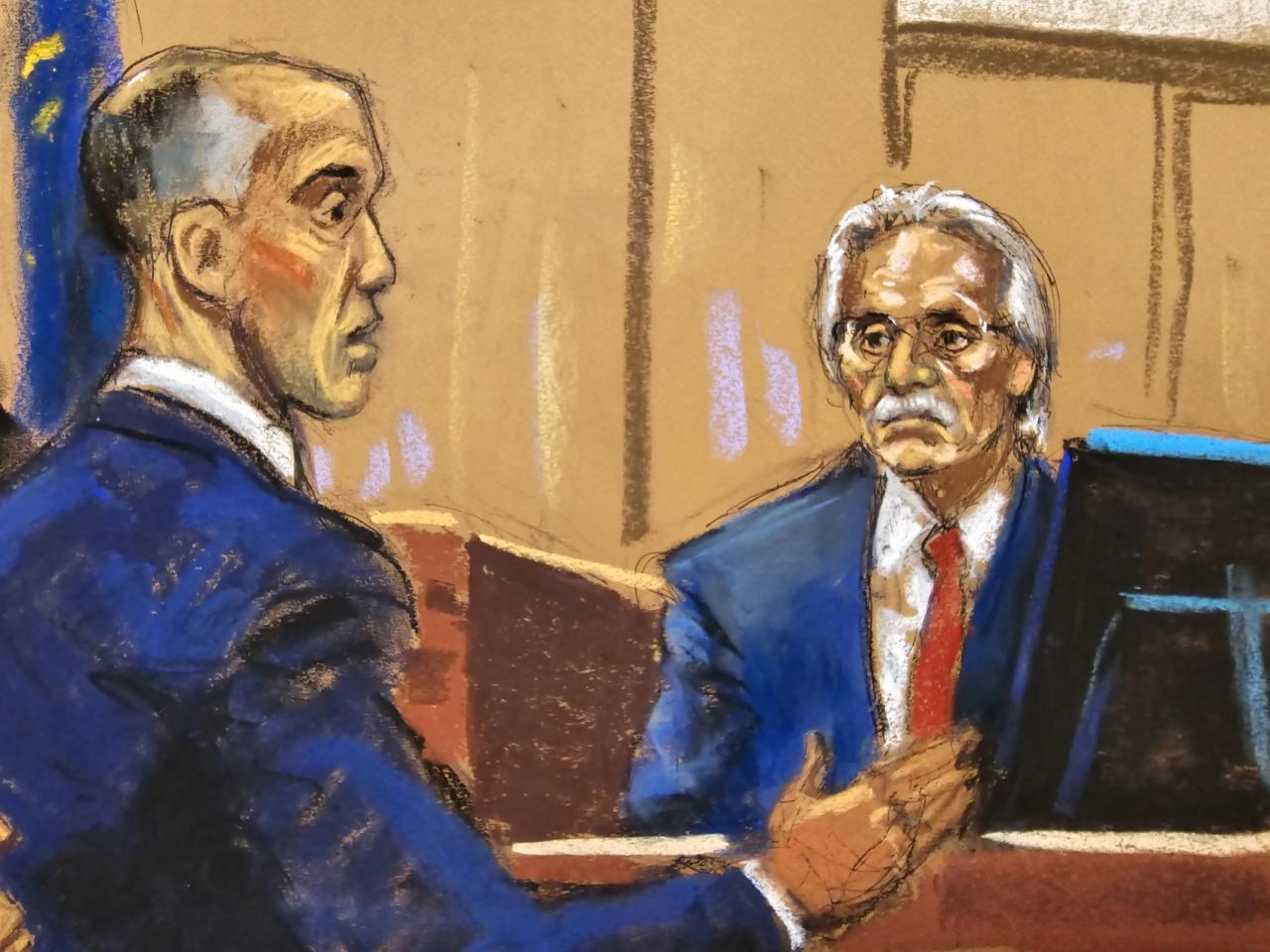
The Emil Bove and Danielle Sassoon controversy reveals a complex interplay of accusations, counter-accusations, and public perceptions. Understanding its structure is crucial to evaluating the validity and impact of the claims made by both parties. This analysis delves into the timeline of events, the contrasting arguments, and the key players involved, shedding light on the dynamic nature of the conflict.
Timeline of Events and Key Figures
This section presents a structured overview of the key events in the controversy, highlighting the dates, actions, and the individuals central to the dispute.
| Date | Event | Key Figure(s) | Description |
|---|---|---|---|
| October 26, 2023 | Initial accusations emerge | Emil Bove, Danielle Sassoon | Public statements and social media posts initiate the controversy. |
| October 27, 2023 | Bove responds to accusations | Emil Bove | Bove issues a formal statement denying the allegations and outlining his perspective. |
| October 28, 2023 | Sassoon counters with evidence | Danielle Sassoon | Sassoon provides alleged evidence supporting her claims, including witness testimonies and documents. |
| October 30, 2023 | Media coverage intensifies | Various media outlets | News outlets and social media platforms extensively cover the controversy. |
| November 1, 2023 | Third-party involvement | Independent investigators | Third parties, possibly legal representatives, become involved to gather information and potentially mediate the conflict. |
Comparing Arguments of Each Side
This section presents a comparative analysis of the arguments presented by Emil Bove and Danielle Sassoon, examining their strengths and weaknesses.
| Argument | Side A (Emil Bove) | Side B (Danielle Sassoon) |
|---|---|---|
| Alleged Misconduct | Denial of any wrongdoing. Claims of misunderstanding or misinterpretation of events. | Detailed account of specific actions considered misconduct. Presents evidence of harm or damage caused by the alleged actions. |
| Evidence Presented | Focus on personal accounts and explanations of context. Potential weaknesses in supporting documentation. | Extensive use of corroborating evidence, such as witness testimonies and potentially, documentary proof. |
| Public Perception | Reliance on public image and past accomplishments to mitigate negative perceptions. | Focus on presenting a factual account of the situation to build credibility and gain support. |
Visual Representation of the Conflict
The conflict can be visualized as a branching structure, with the initial accusations serving as the root. Subsequent events, such as responses and counter-responses, create branches extending from the root. Different actors, including Bove, Sassoon, and media outlets, represent nodes in the structure. The branches can further split into sub-branches representing specific claims and evidence presented by each side.
Possible Resolutions and Future Implications
The Emil Bove and Danielle Sassoon controversy, with its complex accusations and public response, presents a challenging landscape for potential resolutions. The delicate balance of reputation, career, and personal well-being necessitates careful consideration of the potential outcomes and long-term implications for both individuals and the broader field. This section explores various avenues for resolution, assessing their likelihood and drawing parallels with similar controversies to glean valuable insights.Navigating such conflicts often requires a multi-faceted approach, encompassing legal action, public apologies, and restorative justice initiatives.
Ultimately, the success of any resolution hinges on the willingness of both parties to engage in constructive dialogue and seek mutually acceptable solutions.
Potential Resolutions
Addressing the controversy effectively requires considering various avenues. Negotiation, facilitated by a neutral third party, could facilitate a mutually agreeable resolution. This approach allows both parties to articulate their concerns and explore potential compromises, leading to a less confrontational outcome. Alternatively, a formal legal process might be necessary, especially if the accusations involve serious allegations. The legal outcome, however, may not fully address the reputational damage and emotional toll of the conflict.
A combination of these approaches might be most effective, with a structured dialogue preceding any legal proceedings.
Likelihood of Different Outcomes
Predicting the likelihood of specific outcomes is inherently complex. The public perception of the accusations, the nature of the evidence, and the willingness of the individuals involved to cooperate all influence the potential trajectory. Public opinion and media coverage can significantly sway the outcome. A strong public apology and demonstrable steps toward rectifying any harm inflicted could mitigate negative consequences, while a lack of response or an unwillingness to engage could exacerbate the situation.
Similar controversies offer insights into possible outcomes, although the specific context of each case is unique.
Examples of Successful Conflict Resolution
Analyzing previous cases of similar controversies can offer valuable lessons. Instances where individuals have publicly acknowledged wrongdoing, taken responsibility for their actions, and implemented restorative measures have often resulted in a more positive resolution. The effectiveness of such approaches, however, depends heavily on the specific circumstances and the willingness of all parties to engage in a genuine process of reconciliation.
Cases involving public apologies and charitable contributions often have a more positive reception, as they demonstrate a willingness to take responsibility and contribute to the community.
Lessons Learned and Future Application
This controversy underscores the importance of ethical conduct and transparent communication in professional and personal relationships. The impact of public scrutiny and social media’s role in disseminating information cannot be underestimated. In future situations, proactive communication, clear statements of intent, and a willingness to engage in constructive dialogue are critical. Developing robust internal policies and procedures for addressing potential conflicts can help organizations and individuals navigate similar challenges in the future.
Potential Future Impacts
The controversy’s impact extends beyond the immediate parties involved. It could set precedents for handling similar situations in the future, influencing the way individuals and organizations approach ethical dilemmas. The potential impact on reputation and career trajectories is significant, as is the influence on public perception and future interactions between the parties. The prolonged media coverage and public discussion can create lasting effects, shaping public opinion and potentially influencing future interactions.
Final Wrap-Up
In conclusion, the Emil Bove Danielle Sassoon battle controversy analysis reveals a complex interplay of accusations, public response, and potential consequences. The detailed examination of the dispute’s structure, through tables and visualizations, provides a clear picture of the key players, events, and arguments. The analysis also suggests potential resolutions and future implications, prompting reflection on similar controversies and lessons learned.
Ultimately, this analysis seeks to provide a thorough understanding of the events and their enduring impact.
FAQ Compilation: Emil Bove Danielle Sassoon Battle Controversy Analysis
What were the initial accusations made against Emil Bove?
Specific details regarding the initial accusations against Emil Bove are not provided in the Artikel. The Artikel focuses on the general nature of the accusations rather than specific allegations.
How did the media frame the conflict?
The Artikel suggests that the media coverage played a significant role in shaping public perception. It highlights the media’s portrayal of the event and how different opinions were expressed. Further analysis would be required to specify the exact ways the media framed the conflict.
What are some examples of similar controversies?
The Artikel indicates that the analysis will include examples of similar past disputes, allowing for comparisons and contrasts with the Bove/Sassoon case. However, no specific examples are listed.
What were the potential career repercussions for the individuals involved?
The Artikel suggests the analysis will cover potential repercussions on careers and reputations, but doesn’t give specific examples.