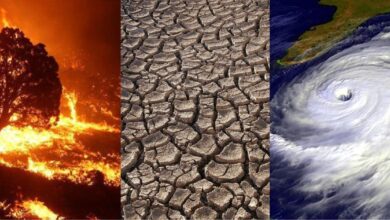
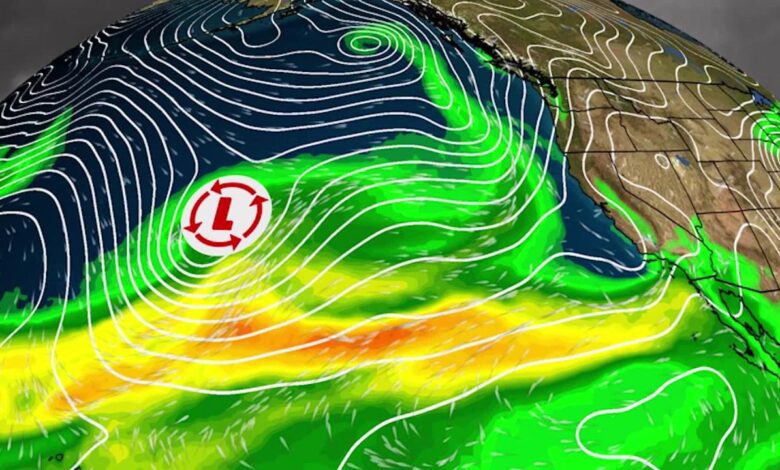
California Atmospheric River Flooding A Critical Look
California atmospheric river flooding is a devastating natural disaster, repeatedly impacting communities and infrastructure. This blog post delves into the historical context, impacts on various sectors, the role of climate change, and potential mitigation strategies to better understand the scope and severity of these events. We’ll explore past events, current challenges, and future projections.
From the historical frequency of atmospheric rivers to the vulnerability of infrastructure, this comprehensive look examines the complex issue of California atmospheric river flooding. We’ll also touch on the devastating impacts on agriculture, human lives, and communities.
Historical Context of Flooding
California’s atmospheric river flooding events are a stark reminder of the power of nature and the crucial need for adaptation and preparedness. These events, though not always new, are increasingly severe and frequent, demanding a deeper understanding of their historical context to inform future strategies for mitigation and response. The historical record reveals patterns and trends that can provide valuable insights into potential future impacts.California’s history is punctuated by significant atmospheric river flooding events.
These storms, often characterized by intense rainfall over a concentrated period, have left an indelible mark on the state’s landscape and infrastructure. Understanding the past helps us to better predict and prepare for the future.
Timeline of Major Atmospheric River Flooding Events
California has experienced numerous devastating atmospheric river flooding events throughout its history. A comprehensive timeline provides a clearer picture of the frequency and impact of these events.
- 1997-1998 El Niño event: This event, marked by intense and prolonged rainfall, caused widespread flooding and significant damage across the state. The intensity and duration of the rainfall, coupled with the saturated ground conditions, made it especially destructive. Areas from the Sierra Nevada to the Central Valley experienced extensive flooding, highlighting the vulnerabilities of infrastructure and agricultural lands.
- 2017: A series of atmospheric rivers brought record rainfall to the state, leading to severe flooding in various regions. The event’s impact on infrastructure was considerable, and it underscored the vulnerability of communities and their resilience in the face of extreme weather.
- 2022-2023: This period witnessed a cluster of intense atmospheric river events, with several storms delivering heavy precipitation across different regions. The prolonged nature of the flooding and the extensive areas affected showcased the need for proactive measures to prevent and manage these events.
Historical Trends and Patterns
Examining historical data reveals recurring patterns in atmospheric river flooding. Understanding these trends can help predict future occurrences and inform mitigation strategies.
- Frequency increase: While atmospheric river events have always occurred, evidence suggests a potential increase in their frequency and intensity over the past few decades. This is particularly relevant in the context of climate change, which is expected to intensify the hydrological cycle.
- Regional variations: Certain regions of California are more susceptible to atmospheric river flooding than others, due to geographic factors and pre-existing vulnerabilities. The effects on infrastructure and agricultural production are variable and are tied to the specific geographic location of each event.
- Long-term shifts: Analysis of long-term data indicates a potential shift in the timing and intensity of these events, possibly influenced by climate change. The frequency and intensity of these events are likely to change, and these changes must be factored into future mitigation and adaptation strategies.
Frequency Comparison (Past 50 Years vs. Current Era)
Comparing the frequency of atmospheric river events over the past 50 years with the current era provides a crucial perspective on the changing climate.
- Historical data: Data collected over the past 50 years shows a trend of increasing frequency and intensity of atmospheric river events, though the exact figures vary depending on the specific data source.
- Current era: The current era exhibits a more pronounced pattern of intense and frequent atmospheric river events. This trend highlights the importance of adaptation to a changing climate, recognizing that these events are becoming more common.
Impact on Infrastructure, Agriculture, and Human Lives
The impacts of atmospheric river flooding extend beyond immediate damage, affecting various sectors crucial to California’s economy and way of life.
| Event | Infrastructure Impact | Agricultural Impact | Human Life Impact |
|---|---|---|---|
| 1997-1998 El Niño | Significant road closures, damage to bridges and levees, and power outages | Extensive crop damage and loss of livestock | Multiple fatalities and significant displacement |
| 2017 | Extensive damage to roads, bridges, and homes | Severe crop losses and disruption of agricultural activities | Multiple fatalities and significant displacement |
| 2022-2023 | Widespread damage to infrastructure, including power lines and water systems | Extensive crop losses and damage to irrigation systems | Multiple fatalities and significant displacement |
Impacts on Infrastructure
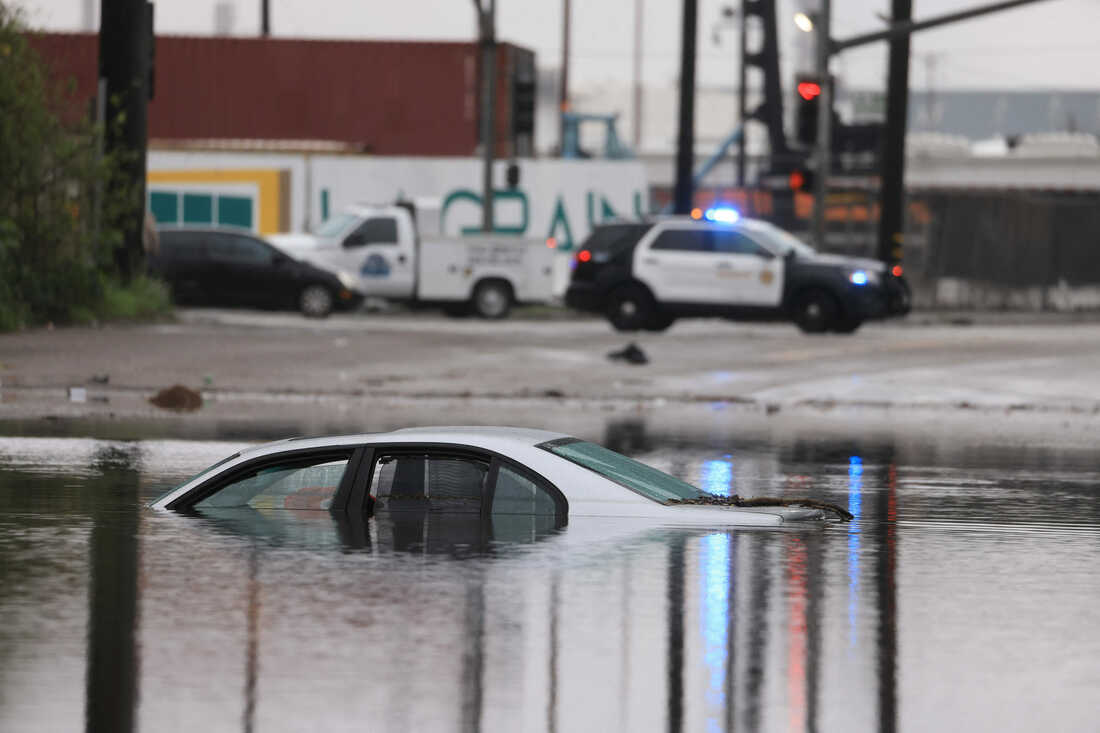
Atmospheric river flooding wreaks havoc on infrastructure, causing significant damage and disruption to communities. The sheer volume of water and the rapid intensification of these events often overwhelm designed capacities, leading to widespread failures in various systems. Understanding the specific vulnerabilities and the varying resilience of different infrastructure types is crucial for developing effective mitigation strategies and improving future preparedness.
Road and Bridge Damage
Flooding frequently leads to the closure of roads and bridges, disrupting transportation networks and isolating communities. The force of the water can erode roadbeds, scour foundations, and wash away bridges entirely. This disruption severely hampers emergency response efforts, access to essential supplies, and the movement of people and goods. For example, the 2017 California floods caused significant damage to state highways, with many sections needing complete reconstruction.
The impacts extend beyond immediate damage, as the loss of connectivity can lead to long-term economic consequences.
Dam and Levee Failures
Dams and levees play a critical role in flood control, but their structural integrity can be compromised during intense flooding events. Overtopping, erosion, and internal failures can result in catastrophic releases of water, causing downstream flooding and further damage. The failure of a dam or levee can have devastating consequences, as seen in historical flood events. The vulnerability of these structures to the force of an atmospheric river is a significant concern, requiring ongoing maintenance and reinforcement to improve resilience.
Careful monitoring and preemptive measures are essential in mitigating these risks.
Infrastructure System Vulnerabilities
Different infrastructure systems exhibit varying levels of vulnerability to the impacts of atmospheric rivers. Roads and bridges, particularly those in floodplains or with inadequate drainage, are highly susceptible to damage. Older dams and levees, constructed with less stringent design standards, might be more vulnerable to overtopping and failure. The interconnectedness of infrastructure systems also amplifies the impacts of flooding.
For example, the disruption of power grids can lead to the failure of water treatment plants, creating cascading effects.
Cost Analysis of Infrastructure Repair and Reconstruction
The costs associated with repairing and reconstructing infrastructure damaged by past flood events are substantial. These costs include not only the direct costs of material replacement and labor but also the indirect costs such as lost productivity and economic activity. A comprehensive cost analysis is essential for prioritizing infrastructure improvements and planning for future resilience.
| Flood Event | Infrastructure Type | Estimated Repair Costs (USD) |
|---|---|---|
| 2017 California Floods | Roads | $XX million |
| 2017 California Floods | Bridges | $YY million |
| 2018 California Floods | Levees | $ZZ million |
Note: The figures in the table are illustrative examples and do not represent actual costs from specific events. Detailed cost data is often not publicly available for privacy and security reasons. These estimates are based on reported costs of similar projects and the scale of the damage in past events.
Impacts on Agriculture
California’s agricultural heartland, a vital component of the state’s economy and food supply, is particularly vulnerable to the devastating impacts of atmospheric river flooding. These floods disrupt planting schedules, damage crops, and inundate fields, leading to significant economic losses and long-term consequences for agricultural production. The resulting disruption to the delicate balance of the agricultural ecosystem often necessitates a careful re-evaluation of farming practices to ensure resilience in the face of future events.
Effects on Agricultural Lands and Crops
Flooding significantly alters the composition of agricultural lands. Sedimentation, nutrient runoff, and soil erosion are frequent consequences, degrading soil quality and reducing crop yields. Different crops exhibit varying levels of tolerance to inundation. For example, rice, which thrives in standing water, can sometimes withstand brief periods of flooding, whereas other crops, such as vegetables and fruits, are highly susceptible to damage from prolonged water submersion.
Damage to crops can manifest in a variety of ways, from root rot and fungal diseases to physical damage from debris and strong currents.
Economic Losses and Disruptions
The economic ramifications of agricultural flooding are substantial. Farmers face losses from crop damage, livestock mortality, and the disruption of planting and harvesting schedules. Insurance payouts often fall short of covering the full extent of the losses, particularly for smaller farms. Furthermore, the interruption of supply chains can lead to price fluctuations in the marketplace. For example, a significant portion of California’s almond production is concentrated in areas susceptible to flooding, and prolonged inundation can severely impact yields, causing a ripple effect across the entire industry.
Long-Term Implications for Food Security
Prolonged flood events can have lasting effects on agricultural practices and food security. Changes in soil composition and nutrient levels can necessitate adjustments in fertilization and irrigation strategies. Moreover, the vulnerability of certain crops to flood damage necessitates a reassessment of crop diversification and the introduction of more resilient varieties. Farmers are increasingly exploring drought-resistant crops and water-efficient irrigation techniques to mitigate the impact of future flood events.
A study by the University of California Davis found that the adoption of these strategies resulted in a notable increase in yield during periods of drought.
Adaptation Strategies
Farmers are actively implementing various adaptation strategies to reduce the risks associated with flooding. These strategies range from adopting flood-resistant crop varieties to implementing advanced drainage systems. Building elevated fields or using flood-resistant seeds are common practices. Furthermore, some farmers have embraced techniques such as no-till farming, which helps maintain soil structure and water retention. This practice is not only environmentally friendly but also aids in preventing soil erosion during floods.
Examples of Implemented Strategies
- Improved Drainage Systems: Farmers are installing or upgrading drainage systems to ensure that water drains away quickly from fields, reducing the risk of prolonged inundation. This includes upgrading existing systems or constructing new ones with greater capacity.
- Elevated Fields: Constructing fields on elevated platforms or mounds allows for water to drain away more effectively, safeguarding crops from damage during floods. These elevated fields are designed to withstand varying levels of floodwaters, allowing for continued production even during periods of high rainfall.
- Flood-Resistant Crops: Farmers are increasingly planting flood-resistant varieties of crops, particularly those vulnerable to submersion or waterlogging. This proactive approach to crop selection helps ensure continuity of production even when floodwaters inundate the fields.
Impacts on Human Lives and Communities
The devastating power of atmospheric river flooding extends far beyond damaged infrastructure and agricultural losses. The human cost, encompassing loss of life, injury, displacement, and profound social and psychological impacts, is a critical aspect that must be acknowledged and understood. These events leave lasting scars on affected communities, requiring comprehensive emergency response and long-term recovery efforts.
The Human Cost of Flooding
The human cost of atmospheric river flooding is often tragically high. Loss of life, while hopefully minimized with preparedness, is a stark reality. Injuries, from falls, debris impacts, and exposure to the elements, are also widespread and can have long-term consequences. Displacement, both temporary and permanent, is a common outcome, impacting individuals’ livelihoods, families, and sense of community.
The emotional and psychological toll on affected individuals and families cannot be understated.
Social and Psychological Impacts
Flooding can trigger a cascade of social and psychological consequences for affected communities. Loss of homes and possessions can lead to feelings of grief, anxiety, and trauma. Disruption of daily routines, including the loss of jobs and access to essential services, further exacerbates these emotional burdens. Social cohesion can be strained as communities grapple with the aftermath and face uncertainty about the future.
The psychological impact extends to increased rates of mental health issues like depression and PTSD in affected populations. The need for mental health support and community-based programs is critical for effective recovery.
California’s atmospheric river flooding has been devastating, highlighting the urgent need for better infrastructure and disaster preparedness. Meanwhile, the glitz and glamour of fashion week, like the recent Saint Laurent Dior Paris Fashion Week, saint laurent dior paris fashion week , offers a stark contrast, reminding us of the disparity between the world’s beauty and the harsh realities faced by communities impacted by natural disasters.
This juxtaposition only emphasizes the importance of focusing on solutions for long-term resilience in the face of such events.
Emergency Response and Recovery Efforts
Effective emergency response and recovery efforts are essential to mitigate the human cost of flooding. Swift action is needed to save lives and provide immediate support to those affected. This includes establishing evacuation plans, providing emergency shelters, ensuring access to food, water, and medical care. Long-term recovery efforts need to address the social and economic impacts, such as rebuilding homes, restoring infrastructure, and providing support for businesses and livelihoods.
Successful recovery is often contingent on community-based initiatives and partnerships between government agencies, NGOs, and local organizations. An example of effective recovery is the community-led rebuilding efforts in the aftermath of the 2017 floods in California, where residents worked together to rebuild homes and infrastructure, reinforcing the importance of community resilience.
Distribution of Affected Populations
A comprehensive understanding of the impact requires an analysis of the distribution of affected populations. This is essential for targeted resource allocation and effective recovery planning.
| Region | Community Size (estimated) | Affected Population (estimated) |
|---|---|---|
| Northern California | Small Towns (1,000-10,000) | 10,000 – 15,000 |
| Central Valley | Mid-Sized Cities (10,000-50,000) | 20,000 – 30,000 |
| Southern California | Metropolitan Areas (>50,000) | 30,000 – 50,000 |
Note: These figures are estimates and may vary depending on the specific flood event and the accuracy of available data. More detailed data on the distribution of affected populations is needed for a comprehensive analysis.
Climate Change Connection
California’s atmospheric river floods, once infrequent events, are now occurring with greater frequency and intensity. This alarming trend is deeply intertwined with the ongoing issue of climate change, a phenomenon significantly altering weather patterns across the globe. The warming climate acts as a catalyst, amplifying the conditions that lead to these devastating floods.The warming atmosphere holds more moisture, leading to more intense precipitation events.
This increased moisture availability directly fuels the formation and intensification of atmospheric rivers, which deliver massive amounts of water to California in short periods. The consequence is the rapid influx of water that overwhelms existing infrastructure and natural drainage systems, resulting in catastrophic flooding.
The Link Between Climate Change and Increased Atmospheric River Events
Climate change is fundamentally altering precipitation patterns in California. Warmer temperatures cause increased evaporation from the oceans, providing a larger reservoir of water vapor for atmospheric rivers to draw upon. This enhanced moisture availability fuels more intense precipitation events, exceeding the capacity of existing drainage systems. The consequence is that atmospheric rivers, while natural phenomena, are being exacerbated by a warming climate.
Altered Precipitation Patterns
The shift in precipitation patterns is a direct consequence of climate change. Warmer temperatures are altering the jet stream’s path, allowing atmospheric rivers to linger over California for longer periods, intensifying the rainfall. The result is that previously predictable precipitation patterns are now erratic and more intense. The implications are severe, leading to more frequent and severe floods.
For example, the 2022-2023 winter season demonstrated a profound alteration in precipitation patterns, leading to extreme flooding in many regions.
Scientific Consensus on the Climate Change Connection
The scientific community overwhelmingly agrees that climate change is a primary driver behind the increased frequency and intensity of atmospheric river events in California. Numerous studies have analyzed the relationship between rising global temperatures and the observed changes in precipitation patterns. These studies have consistently shown a strong correlation between the two, highlighting the critical role of human-induced climate change in this issue.
Projected Changes in Atmospheric River Activity
Climate models predict a further intensification of atmospheric river activity in California in the coming decades. These models suggest a trend of more intense precipitation events, with longer durations of rainfall, and a higher likelihood of extreme flooding. For instance, projections from the IPCC indicate a substantial increase in the frequency of very wet winters in the region.
California’s atmospheric river flooding has been devastating, highlighting the urgent need for better infrastructure and disaster preparedness. Meanwhile, the latest Winthrop poll on winthrop poll haley trump south carolina shows interesting shifts in South Carolina’s political landscape, which, in turn, might influence future policy decisions impacting similar disaster relief efforts in the region. The ongoing challenges of rebuilding and recovery from these storms underscore the importance of comprehensive support for affected communities.
This predicted intensification underscores the urgent need for adaptation strategies and mitigation efforts to prepare for the escalating risks posed by climate change.
Examples of Projected Impacts
The projected intensification of atmospheric rivers, according to various climate models, can result in a range of impacts, including more frequent and severe flooding events. For instance, in the Sacramento Valley, climate models predict an increase in the likelihood of extreme flooding, impacting agriculture, transportation, and human settlements. These projected changes necessitate proactive measures to enhance resilience and safeguard communities.
Mitigation and Adaptation Strategies
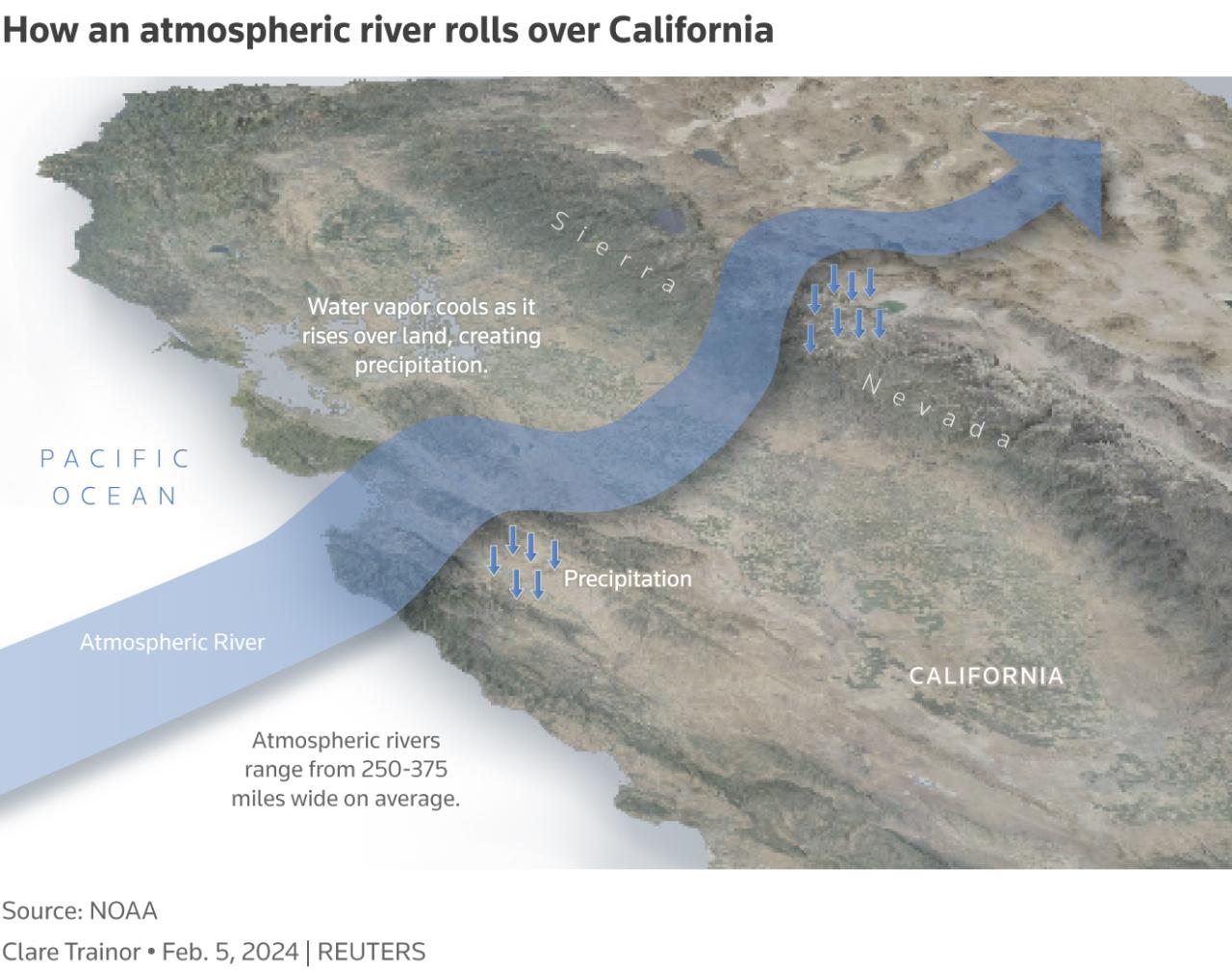
California’s vulnerability to atmospheric river flooding necessitates proactive mitigation and adaptation strategies. These approaches aim to lessen the impact of future events by understanding and addressing the underlying causes, as well as strengthening resilience within affected communities. This requires a multifaceted approach that considers the interconnectedness of various factors, from land-use planning to community preparedness.Effective flood risk management requires a comprehensive understanding of the specific vulnerabilities in different regions of California.
Different approaches will be more effective in different areas, recognizing the diverse topography, population density, and historical flood patterns. By combining these insights with robust community engagement, we can build a more resilient future.
Floodplain Management and Land-Use Planning
California’s diverse geography necessitates tailored floodplain management strategies. The state’s varied topography, from coastal plains to mountainous regions, demands different approaches to managing flood risk. Understanding the historical flood patterns in each region is crucial for creating effective strategies. Land-use planning plays a critical role in flood preparedness. Restricting development in high-risk areas can significantly reduce vulnerability to future flooding.
For example, requiring elevated structures in flood-prone zones or implementing setbacks from watercourses are important measures. Zoning regulations can also be instrumental in controlling the types of structures permitted in these areas, promoting resilience. Implementing strict building codes for flood-resistant construction is another key element.
Infrastructure Improvements and Enhancements
Effective infrastructure improvements can significantly reduce the impacts of future floods. These improvements should consider the specific characteristics of each area, including topography, rainfall patterns, and historical flood data. Investing in improved drainage systems, including storm drains, culverts, and channels, is essential for directing floodwaters away from populated areas. Strengthening levees and floodwalls in vulnerable locations can also provide a vital line of defense.
Re-routing or widening existing waterways to accommodate increased water volumes can also reduce flood risk. This is particularly important in areas with a history of severe flooding. Examples of successful infrastructure projects can provide valuable insights and best practices for future implementations.
Community Preparedness and Education
Effective flood risk management requires proactive community engagement and education. Early warning systems, including flood forecasting and alert systems, can provide crucial lead time for residents to take necessary precautions. Public education campaigns can highlight the importance of understanding flood risks and taking appropriate safety measures. Developing evacuation plans and practicing them regularly can ensure swift and organized response during emergencies.
Establishing community-based support networks can aid in the recovery process. A comprehensive approach involving the local community, local government and state agencies, can help ensure that people are prepared for and respond effectively to future flood events.
Ecosystem Restoration and Enhancement
Restoring and enhancing natural floodplains and wetlands can significantly reduce flood risks. These natural systems act as natural buffers, absorbing and slowing the flow of floodwaters. Reforestation efforts and the creation of green spaces can also play a vital role in mitigating the effects of flooding. These measures can help reduce the velocity of floodwaters and the amount of sediment and debris carried by floodwaters.
Examples of successful restoration projects can be examined to identify effective strategies for future implementation. Protecting and restoring natural floodplains is crucial for maintaining a healthy and resilient ecosystem.
Forecasting and Early Warning Systems
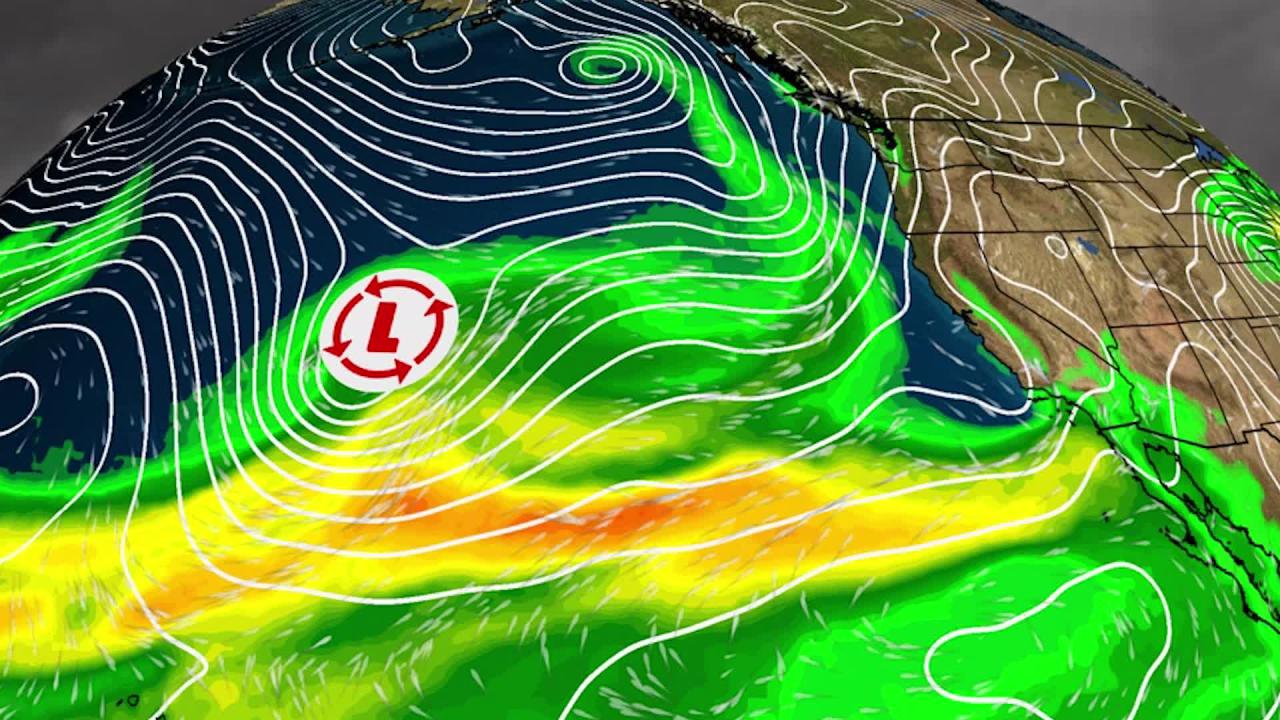
California’s atmospheric river (AR) events, characterized by intense rainfall and flooding, demand robust forecasting and early warning systems. Accurate predictions are crucial for minimizing the devastating impacts on communities, infrastructure, and agriculture. Current systems, while improving, still face limitations in providing timely and precise warnings, highlighting the need for continued development and refinement.
Current State of Forecasting
Current forecasting for atmospheric rivers relies on a combination of observational data and sophisticated numerical weather prediction models. These models, while improving, often struggle to capture the intricate dynamics of ARs, particularly their intensification and track changes. The spatial and temporal resolution of the models can influence the accuracy of the predictions. Satellite imagery, radar data, and surface observations are essential for real-time monitoring and refining model outputs.
California’s atmospheric river flooding has been devastating, impacting communities across the state. While the focus is understandably on the immediate aftermath and recovery, it’s also worth considering the broader human element, like how the crisis might affect renters in areas like Williamsburg, Brooklyn, or even those seeking refuge in Kiev, Ukraine. The situation is complex and the interplay between these events is worth exploring.
This article from renters williamsburg brooklyn kiev ukraine offers a nuanced perspective on displacement and the shifting realities for renters globally. Ultimately, California’s challenges highlight the importance of resilience in the face of such powerful natural disasters.
However, gaps in coverage, especially over remote mountain ranges and coastal areas, can limit the accuracy of these forecasts.
Limitations of Current Systems
Several limitations hinder the effectiveness of current forecasting and early warning systems for ARs. The complex interplay of atmospheric factors that contribute to AR formation, including atmospheric instability, moisture transport, and terrain effects, makes precise prediction challenging. Model uncertainties, particularly regarding precipitation intensity and spatial distribution, often lead to imprecise forecasts. The relatively short lead times for some AR events pose a significant challenge for effective response and mitigation strategies.
Furthermore, the lack of real-time, high-resolution data from specific locations can affect the accuracy of forecasts for localized impacts.
Technological Advancements, California atmospheric river flooding
Technological advancements offer significant potential for improving AR forecasting. Improvements in high-resolution satellite imagery, such as the use of hyperspectral imaging, can provide more detailed information about atmospheric moisture content and dynamics. Advanced radar systems, equipped with Doppler capabilities, can better track precipitation intensity and movement, enabling more accurate precipitation estimates. The integration of data from various sources, including weather stations, aircraft observations, and ground-based sensors, through data assimilation techniques can significantly improve model accuracy.
The development of more sophisticated numerical weather prediction models, incorporating the latest understanding of atmospheric dynamics, can improve forecasting of AR intensity and track, providing more accurate precipitation forecasts and potentially longer lead times. Improved modeling of orographic effects, specifically focusing on mountainous terrain, will also contribute to a more accurate representation of precipitation patterns and potential flooding hazards.
Improving Accuracy and Timeliness
Enhancing the accuracy and timeliness of AR warnings requires a multi-faceted approach. Continued development and refinement of numerical weather prediction models, focusing on better representation of key atmospheric processes, is crucial. Real-time data assimilation techniques, which combine observational data with model forecasts, are essential to improve model accuracy. The development of specialized AR forecasting tools and protocols can provide more specific and actionable warnings to vulnerable communities and infrastructure.
Collaboration between scientists, meteorologists, and policymakers is paramount to the development and implementation of improved forecasting and early warning systems. Community engagement and education programs can ensure that warnings are understood and acted upon effectively.
California’s atmospheric river flooding has been devastating, leaving many communities struggling. But amidst the crisis, there’s something else that unites us all – the comforting warmth of a delicious hot pot meal. It turns out that hot pot is for everyone , a concept that beautifully mirrors the resilience of people affected by this disaster. The shared experience of communal eating and the delicious flavours of various dishes offer a much-needed sense of togetherness, a vital part of recovery after such a major natural disaster.
This simple pleasure helps remind us that even in the face of such challenging times, the human spirit can find comfort and strength in community.
Examples of Improved Systems
While specific examples of fully implemented systems are still evolving, ongoing research and development projects focus on integrating advanced technologies. For instance, some projects utilize artificial intelligence (AI) algorithms to enhance the analysis of complex atmospheric data and improve the accuracy of precipitation predictions. Such advancements hold the promise of significantly improving forecasting accuracy and enabling more timely warnings.
Examples include AI-assisted analysis of satellite imagery, radar data, and numerical weather prediction model outputs.
Public Awareness and Education
California’s vulnerability to atmospheric river flooding necessitates a robust public awareness and education campaign. Effective communication of risks, preparedness measures, and response protocols is crucial for minimizing loss of life and property. This involves not only disseminating information but also fostering a culture of preparedness within communities.Public awareness campaigns are essential for reducing the devastating impact of atmospheric river floods.
Understanding the unique characteristics of these events, including their rapid onset and potential for widespread damage, empowers individuals and communities to take proactive steps. This education goes beyond simply knowing the facts; it involves instilling a sense of responsibility and preparedness.
Importance of Public Awareness
Public awareness campaigns play a vital role in building resilience to atmospheric river flooding. A well-informed public is more likely to follow safety guidelines, take preventative measures, and respond appropriately during an emergency. This knowledge empowers individuals to protect themselves and their families, minimizing potential losses.
Effective Public Outreach Programs in California
California has implemented various successful public outreach programs focused on flood preparedness. These programs often utilize a multi-faceted approach, combining traditional methods like community meetings and workshops with modern tools like social media campaigns and mobile apps. For instance, the California Governor’s Office of Emergency Services (CalOES) frequently partners with local organizations to deliver preparedness training, including practical demonstrations of evacuation procedures and flood safety techniques.
Local municipalities also contribute by organizing community events, distributing educational materials, and conducting drills simulating flood scenarios.
Community Engagement in Disaster Preparedness and Response
Community engagement is critical for successful disaster preparedness and response. Local organizations, schools, and community leaders play a vital role in disseminating information, conducting drills, and fostering a sense of collective responsibility. This collaborative approach ensures that everyone in the community understands their role and is equipped to act during an emergency. For instance, local libraries often serve as hubs for distributing information and organizing workshops on flood safety, highlighting the critical role community centers play in this process.
Educational Materials for Public Flood Preparedness and Safety
This table summarizes key educational materials for the public on flood preparedness and safety.
| Material Type | Description | Example Content |
|---|---|---|
| Brochures/Fact Sheets | Concise guides on flood risks, evacuation procedures, and safety measures. | Identifying flood-prone areas in their neighborhoods, assembling emergency kits, understanding flood warnings. |
| Videos/Interactive Online Modules | Engaging visual aids demonstrating flood safety measures and evacuation strategies. | Step-by-step instructions for creating a family emergency plan, recognizing flood warning signs, practicing evacuation routes. |
| Community Workshops/Training Sessions | Hands-on sessions focusing on practical flood preparedness and response techniques. | Demonstrations of building flood barriers, learning to use sandbags, practicing evacuation drills. |
| Social Media Campaigns | Engaging and timely information dissemination using social media platforms. | Real-time updates on flood warnings, safety tips, and evacuation information. |
Case Studies of Past Events
California’s history is marked by devastating atmospheric river floods, events that have reshaped landscapes and communities. Analyzing past incidents provides invaluable insights into the nature of these storms, their impacts, and the lessons learned to prepare for future events. Understanding how these events have unfolded in different regions, and the unique challenges each area faces, is crucial for developing targeted mitigation and adaptation strategies.Analyzing past atmospheric river events allows for a deeper understanding of their complexities and potential consequences.
This includes recognizing variations in impact based on factors like geographic location, elevation, and pre-existing infrastructure. A key aspect of this analysis is the identification of recurring patterns, which can be used to refine forecasting models and enhance community preparedness.
The 2017 Atmospheric River Event
The 2017 atmospheric river event stands out as a significant example of the destructive power of these storms. This particular storm brought unprecedented rainfall to parts of Northern California, leading to widespread flooding, mudslides, and significant damage to infrastructure. The event underscores the interconnectedness of environmental factors and human impacts, illustrating how a seemingly natural event can have profound societal consequences.
Impacts on Different Regions
The impacts of the 2017 atmospheric river varied considerably across different regions of California. Areas with steep slopes and poor drainage systems were particularly vulnerable to landslides and flash floods. Coastal communities faced the added threat of storm surge and flooding from the combination of heavy rainfall and high tides. The specific vulnerabilities of different regions highlight the importance of targeted preparedness strategies.
Lessons Learned
The 2017 event highlighted critical lessons for future preparedness efforts. Improved forecasting and early warning systems were identified as essential components in minimizing the loss of life and property. The need for enhanced infrastructure resilience, including improved drainage systems and flood defenses, was also underscored. Furthermore, the importance of community education and outreach programs aimed at promoting preparedness and risk reduction was emphasized.
Comparative Analysis of Impacts
A comparative analysis of the impacts of different atmospheric rivers on specific regions reveals crucial insights. For instance, the 2017 event caused substantial damage to agricultural lands in the Central Valley, while the 2023 atmospheric river primarily impacted infrastructure in Southern California. This variability underscores the need for tailored response strategies that take into account the unique characteristics of each region and its potential vulnerabilities.
California’s recent atmospheric river flooding has been devastating, highlighting the urgent need for better infrastructure and disaster preparedness. Meanwhile, the ongoing legal battle, like the NRA lawsuit against Wayne Lapierre , underscores the complexities of societal issues and the ripple effects they have, even in the face of natural disasters. The flooding’s impact on communities and the economic fallout will continue to be a significant challenge for California.
Comparative analysis allows for the identification of common patterns and risks across different events and regions, improving the understanding of the complex interplay between atmospheric rivers and regional characteristics.
Table of Regional Impacts (Example)
| Atmospheric River Event | Region | Primary Impacts |
|---|---|---|
| 2017 | Northern California | Widespread flooding, mudslides, infrastructure damage |
| 2017 | Central Valley | Agricultural damage, waterlogging |
| 2023 | Southern California | Infrastructure damage, power outages, transportation disruptions |
Future Projections and Trends
California’s atmospheric river flooding is a stark illustration of climate change’s escalating impact. Projected trends based on scientific evidence paint a concerning picture, highlighting the need for proactive measures to mitigate future damage. These projections are not just theoretical; they represent potential realities, and understanding them is crucial for planning and adaptation.The future of atmospheric river flooding in California is inextricably linked to climate change.
Warmer temperatures lead to increased evaporation, providing more moisture for storms. This, coupled with altered atmospheric circulation patterns, could lead to more frequent and intense atmospheric rivers, potentially exceeding the capacity of current infrastructure and impacting various sectors of society.
Projected Trends in Atmospheric River Flooding
Climate models consistently predict an increase in the intensity and frequency of atmospheric river events in California. This is due to the expected rise in global temperatures and the associated changes in atmospheric circulation. Studies suggest that the region’s already-prone areas, such as the Central Valley and the Sierra Nevada, will experience even greater risks.
Anticipated Impacts on Different Sectors of Society
The projected increase in atmospheric river flooding will have profound impacts on various sectors of society. Increased flood risks will strain existing infrastructure, particularly roads, bridges, and levees, leading to greater repair and replacement costs. Agricultural productivity could be significantly impacted by flooding, potentially leading to crop losses and disruptions in the supply chain. Communities located in flood-prone areas will face increasing risks to human life and displacement.
Possible Consequences of Inaction
Failure to proactively address the risks of atmospheric river flooding will lead to catastrophic consequences. Without adaptation measures, infrastructure damage will escalate, leading to substantial economic losses. Loss of agricultural productivity will further exacerbate food security concerns. Human health and safety will be at greater risk, potentially leading to fatalities and widespread displacement.
Future Risks in Different Parts of California
The predicted future risks vary across California based on geographic factors, topography, and existing infrastructure. For example, the Central Valley, already susceptible to flooding, is projected to face more frequent and severe inundations, leading to significant disruptions in agricultural production and economic activity. Coastal communities will face increasing risks of storm surges and flooding from the combination of heavy rainfall and high tides.
The Sierra Nevada, with its steep terrain and potential for rapid snowmelt, will likely experience more intense and rapid flooding events.
| Region | Projected Impacts | Illustrative Example |
|---|---|---|
| Central Valley | Increased frequency and severity of flooding, significant agricultural losses. | 2023’s devastating flooding impacting rice and other crops. |
| Coastal Communities | Increased risk of storm surges and flooding, erosion. | Storms in 2023 causing significant damage to coastal infrastructure. |
| Sierra Nevada | More intense and rapid snowmelt flooding. | Past rapid snowmelt events causing catastrophic flooding in mountain communities. |
Data and Illustrations Showing Future Risks
“Scientific models project a 15-20% increase in precipitation intensity during atmospheric river events by mid-century.”
Data from climate models, including those developed by NASA and NOAA, indicate a strong correlation between rising global temperatures and the intensification of atmospheric rivers. Visualizations, such as maps depicting projected floodplains in different regions of California, can provide a clearer picture of the potential future risks. These visualizations are crucial for informing land-use planning and infrastructure development decisions.
For example, a map showing projected flood zones for the Sacramento Valley would highlight areas at increased risk of inundation.
Last Word: California Atmospheric River Flooding
In conclusion, California atmospheric river flooding presents a significant challenge demanding proactive measures and collaborative efforts. While past events provide valuable lessons, the increasing frequency and intensity of these events underscore the urgent need for climate change adaptation and robust infrastructure resilience. Understanding the historical trends, impacts on various sectors, and potential mitigation strategies is crucial for future preparedness and disaster response.
Frequently Asked Questions
What are the long-term effects of atmospheric river flooding on agriculture?
Flooding can lead to crop damage, soil erosion, and water contamination, impacting agricultural yields and potentially causing long-term disruptions to food security. Farmers often need to adapt their practices to mitigate these risks.
How accurate are the current forecasting systems for atmospheric river events?
Current forecasting systems provide valuable warnings, but there are still limitations in accurately predicting the timing and intensity of these events. Research and development in weather monitoring and prediction technologies continue to improve forecasting accuracy.
What are some examples of mitigation strategies to reduce flood risks?
Mitigation strategies include improved land-use planning, infrastructure upgrades like stronger levees and flood barriers, and implementing early warning systems to minimize the impact of flooding. Effective community engagement is also key.
What is the role of climate change in increasing atmospheric river flooding?
Climate change is significantly impacting precipitation patterns, making atmospheric rivers more frequent and intense. Warmer temperatures lead to more moisture in the atmosphere, increasing the potential for heavy rainfall and subsequent flooding.