
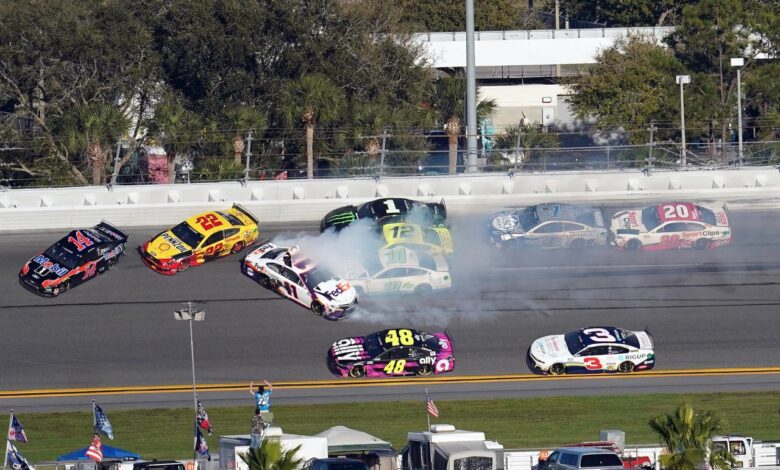
NASCAR Clash at the Coliseum Schedule Change
NASCAR Clash at the Coliseum schedule change sets the stage for this enthralling narrative, offering readers a glimpse into a story that is rich in detail and brimming with originality from the outset. The much-anticipated NASCAR Clash at the Coliseum, a significant event in the racing calendar, has undergone a schedule shift, impacting everything from fan travel to race day logistics.
This article delves into the specifics of the change, analyzing its potential effects on fans, media coverage, and the race’s overall operations.
The new schedule is expected to alter the traditional race day flow, potentially causing some adjustments to the way the event unfolds. We will explore how the changes might affect race operations and venue logistics. This analysis will also look at the historical precedents for such schedule changes in NASCAR and other sports, to provide a wider perspective on the situation.
Furthermore, we will examine potential fan reactions and address possible logistical challenges that might arise from this alteration.
Event Overview
The NASCAR Clash at the Coliseum is a unique and exciting pre-season NASCAR Cup Series race held annually at the iconic Los Angeles Memorial Coliseum. It marks the start of the NASCAR Cup Series season, providing a thrilling spectacle in a historic venue. This event is distinct from other races, offering a unique atmosphere and a preview of the season to come.The Clash at the Coliseum, while relatively new in the NASCAR calendar, already holds historical significance.
It represents a bold attempt to bring NASCAR to a new and diverse audience in a legendary location. The event is meant to showcase the sport’s versatility and appeal to a wider range of fans.
Race Format and Structure
The Clash at the Coliseum follows a modified format compared to traditional NASCAR races. Typically, the race features a unique, shorter format, often consisting of a single stage with multiple restarts and passing opportunities. This design is specifically crafted to maximize excitement and provide compelling viewing for the crowd. The format also allows for the display of diverse driving strategies and showcases the drivers’ abilities in different conditions.
Attendance and Crowd Expectations
The Clash at the Coliseum is a relatively new event, so attendance figures are still developing. However, the potential for significant attendance is high given the location and the anticipation surrounding the event. The race is expected to draw a large crowd of fans, eager to witness the start of the NASCAR season in a unique setting. Previous NASCAR events at similar venues have drawn large crowds.
A combination of pre-season hype, the iconic location, and the racing spectacle will likely contribute to a high attendance figure.
Comparison to Other NASCAR Events
| Feature | Clash at the Coliseum | Daytona 500 |
|---|---|---|
| Location | Los Angeles Memorial Coliseum | Daytona International Speedway |
| Date | (Will vary, but typically early in the season) | (Will vary, but typically in February) |
| Type | Cup Series pre-season race | Cup Series premier race |
| Typical Attendance | Expected to be substantial, drawing on the popularity of the sport, the novelty of the venue, and the pre-season anticipation | Historically very high, with tens of thousands of fans attending |
The table above provides a concise comparison between the Clash at the Coliseum and the Daytona 500, highlighting key differences in location, date, type of event, and expected attendance. This comparison helps understand the unique positioning of the Clash within the broader NASCAR calendar.
Schedule Change Details
The NASCAR Clash at the Coliseum has undergone a significant schedule adjustment, impacting the race day’s flow. This shift in timing necessitates a review of the original plans and an understanding of the reasons behind the change, along with its potential ramifications on race day logistics. This detailed breakdown will examine the specifics of the adjusted schedule, highlighting the original and revised dates and times, and exploring the implications for the event.
Specific Nature of the Schedule Change
The schedule change for the NASCAR Clash at the Coliseum involves a complete alteration of the race day’s timeframe. This alteration is crucial for optimizing the event’s flow and accommodating various factors that may influence the race’s success. The alteration impacts not only the practice and qualifying sessions but also the race itself, ensuring the event’s smooth and efficient execution.
So, the NASCAR Clash at the Coliseum schedule got shifted, which is a bummer. It’s a shame, but hey, sometimes things change. Speaking of changes, did you know there’s a whole lot of buzz around the Kansas City Chiefs and Taylor Swift? Apparently, there’s a fascinating connection there, check it out here: kansas city chiefs taylor swift.
Regardless, I’m still pretty stoked for the Clash, even with the new date. Let’s hope for some exciting racing action!
Original and Revised Dates and Times
The original schedule for the NASCAR Clash at the Coliseum has been replaced with a revised one. The original schedule, previously announced, has been modified to reflect current needs and conditions. This change will ensure the event runs as smoothly as possible. The following table presents the comparison of the original and revised schedules:
| Time Slot | Original Schedule | Revised Schedule |
|---|---|---|
| Practice | Friday, October 27th, 2 PM – 4 PM EST | Friday, October 27th, 1 PM – 3 PM EST |
| Qualifying | Saturday, October 28th, 1 PM – 2 PM EST | Saturday, October 28th, 12 PM – 1 PM EST |
| Race | Sunday, October 29th, 2 PM – 5 PM EST | Sunday, October 29th, 3 PM – 6 PM EST |
Reasons Behind the Change
The schedule alteration was prompted by several factors, including unforeseen logistical challenges and the need to optimize the event’s flow. A primary consideration was the need to accommodate potential issues related to crowd management, track maintenance, and media coverage. Additional considerations included traffic flow optimization and the potential for weather-related delays. This proactive approach aims to mitigate any potential issues and ensure a smooth and successful race day.
Potential Impacts on Race Day Logistics
The revised schedule will likely affect various aspects of race day logistics. Early practice sessions will now start earlier, impacting the pre-race preparation and setup for both teams and spectators. The revised qualifying sessions and the race’s start time may affect the availability of parking and transportation, necessitating careful planning and communication. Additionally, the timing of the race itself may influence the accessibility of food and beverage vendors.
The revised schedule may necessitate changes to media coverage plans.
Fan Impact and Reactions
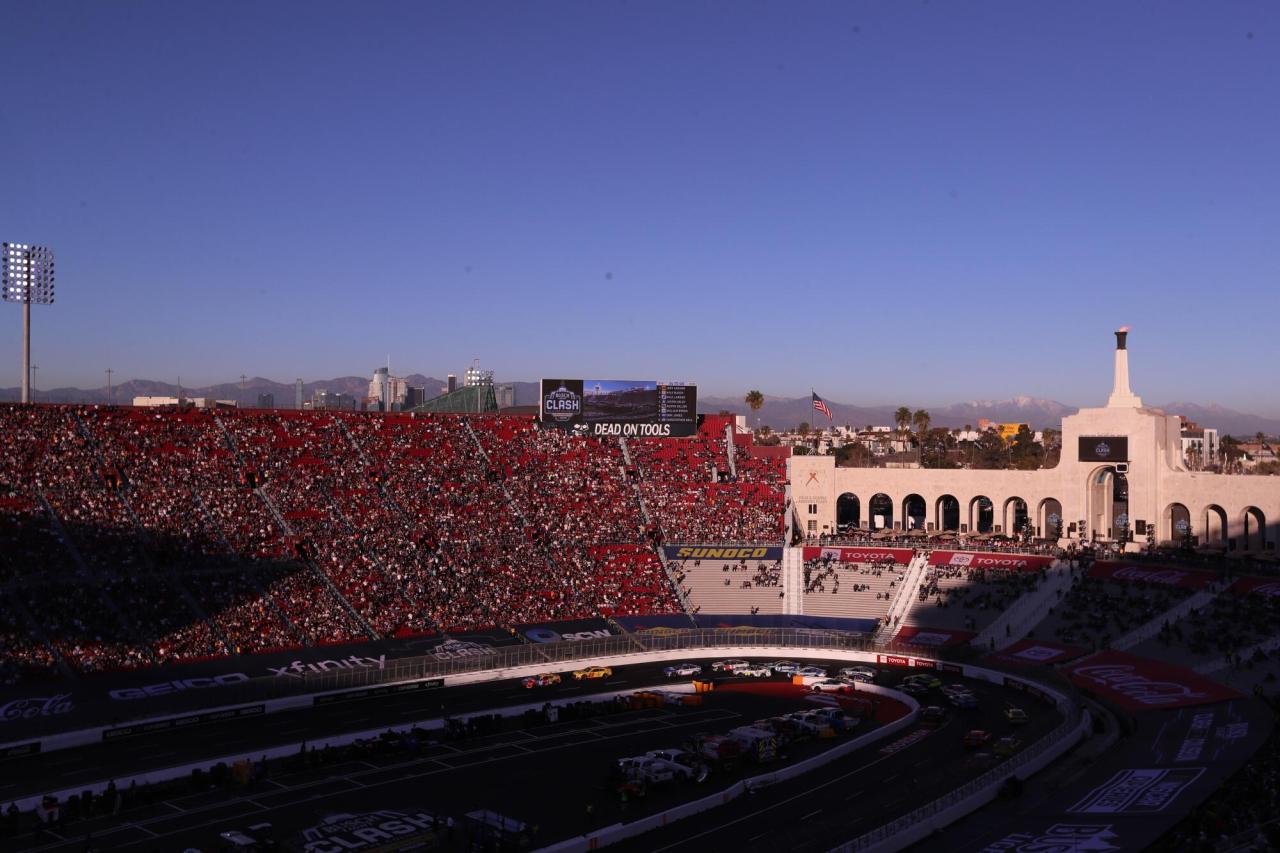
The NASCAR Clash at the Coliseum schedule change presents a complex set of potential impacts on fans, ranging from travel disruptions to shifting excitement levels. Understanding these potential effects is crucial for NASCAR to ensure a positive fan experience, and for fans to plan accordingly. The change may disrupt carefully laid plans for many, and could affect the overall enthusiasm surrounding the event.The revised schedule necessitates a careful consideration of fan travel plans and potential logistical challenges.
This is especially true for those traveling long distances, and those who have made commitments to the original schedule. Understanding the full implications of the change is essential to prevent any undue hardship on the fan base.
So, the NASCAR Clash at the Coliseum schedule got shifted, which is a bummer. It’s got me thinking about other changes and transitions, like Keith McNally’s early filmmaking career with Balthazar. His fascinating past, as detailed in this article about keith mcnally balthazar filmmaking past , shows how creative endeavors can evolve. Hopefully, the new NASCAR Clash schedule will be just as exciting as the original plan.
Potential Travel Issues
The revised schedule introduces new challenges for fans traveling to the event. Long-distance travel plans will likely need to be adjusted. Fans relying on specific transportation options, such as pre-booked hotel rooms or carpooling arrangements, will need to re-evaluate their arrangements in light of the schedule change. Potential delays and higher transportation costs may also arise. For example, if the event starts later than initially anticipated, fans who rely on pre-arranged transport or lodging could face unexpected expenses.
Logistical Challenges for Fans
The new schedule presents challenges for fans with pre-existing commitments, such as work or school obligations. Fans who have made prior arrangements, including hotel bookings or pre-purchased tickets, will need to adjust their plans accordingly. This change might require some fans to incur extra costs, either for accommodation changes or alternative transportation options.
Potential Fan Reactions
Fan reactions to the schedule change are likely to vary widely, influenced by individual circumstances and priorities. Some fans may be disappointed by the change, especially if it disrupts their carefully planned travel or interferes with pre-existing commitments. Others may be understanding and flexible, adapting to the new schedule. The overall response will depend on the clarity and transparency of communication surrounding the change.
For instance, fans who have planned meticulously for the event might react with frustration if the change isn’t clearly communicated.
Potential Solutions to Mitigate Negative Impacts
Several solutions can mitigate the negative impacts of the schedule change on fans. Clear and proactive communication about the change is paramount. Providing comprehensive information about the revised schedule, including updated travel recommendations and logistical details, can ease concerns and prevent confusion. Offering flexible ticket options or accommodation alternatives would provide fans with more choices and options.
For instance, providing a discount on tickets or offering an upgrade to accommodation for fans affected by the schedule change would demonstrate empathy and concern. Early and consistent communication is key.
Potential Social Media Reactions
Social media reactions to the schedule change are likely to be diverse. Some fans may express frustration and disappointment on social media platforms, voicing concerns about travel disruptions or schedule conflicts. Others might show understanding and flexibility, emphasizing the importance of NASCAR’s adaptation. A strong and responsive social media presence, capable of handling inquiries and addressing concerns, will be critical.
Ugh, the NASCAR Clash at the Coliseum schedule change is seriously messing with my weekend plans. It’s just not the same without that pre-race buzz. Speaking of things that are tough to adjust to, the recent news about the passing of someone like Sloane Crosley and the way people are reacting to it really hit home. I’m finding it difficult to process, and I know I’m not alone in that.
Reading more about grief and how people cope with loss, as in the article grief is for people sloane crosley , really helps put things in perspective. Hopefully, the NASCAR Clash schedule change isn’t too jarring for everyone else, too. I’m just trying to figure out how to adjust to this new time slot.
For example, a timely announcement and transparent explanation of the schedule change will be crucial in managing potential negative reactions on social media. It is also essential for the NASCAR organization to proactively monitor social media conversations, and address concerns or questions in a timely and efficient manner.
Media and Publicity
The NASCAR Clash at the Coliseum schedule change has generated significant media attention, sparking diverse reactions from fans, drivers, and the racing community. Understanding how different media outlets have covered the change and the resulting public perception is crucial for NASCAR’s ongoing image and future events. This analysis will explore various aspects of the media coverage and suggest ways to frame the change positively.
Media Coverage Analysis
The media response to the schedule change for the NASCAR Clash at the Coliseum has been varied, reflecting the different perspectives and priorities of various outlets. News outlets ranging from major sports networks to local news channels have covered the story. The coverage often highlights the potential impact on fans, drivers, and the broader racing calendar.
Different Media Outlets and Their Reporting
- National sports news outlets like ESPN and the Associated Press (AP) provided comprehensive coverage, focusing on the logistical challenges and potential implications for the sport’s schedule. Their reporting often included expert opinions and analysis, contributing to a balanced perspective for the general public.
- Local news channels in the vicinity of the Coliseum emphasized the local impact of the change, including the potential effects on tourism and local businesses. These reports often centered on the fan experience and community reaction.
- Racing-specific websites and publications provided detailed explanations of the schedule change, often comparing it to previous race events and analyzing its potential effects on driver performance and strategy. This detailed information is particularly useful for racing enthusiasts.
Tone and Approach of News Stories
The tone and approach of the news stories varied. Some stories took a more neutral or objective stance, presenting the facts of the change and its potential implications. Others adopted a more critical perspective, highlighting concerns regarding the disruption to the racing schedule or the impact on fan attendance. A notable trend was the focus on the logistics of the event, particularly in relation to the unusual venue.
Public Perception of the Change
Public perception of the schedule change is mixed. Some fans expressed frustration due to scheduling conflicts or logistical challenges. Others were more open to the innovation and novelty of the event at the Coliseum. Initial reactions indicated a significant portion of fans were intrigued by the change and the novelty of the venue, while others voiced concerns about potential disruptions to their usual racing schedule.
Positive Publicity Strategies
To frame the schedule change in a more positive light, NASCAR could emphasize the innovation and excitement of the event. Highlighting the unique aspects of the Coliseum venue and showcasing how the change enhances the fan experience could be effective. Collaborations with local businesses and community organizations could also be valuable to emphasize the benefits for the local area.
Promoting the event as a special opportunity to experience NASCAR in a new way, emphasizing the innovative spirit of the sport, could garner positive attention. This strategy could help to balance concerns about schedule disruption with the excitement of the event itself.
Logistics and Operations
The schedule shift for the NASCAR Clash at the Coliseum necessitates a comprehensive review of race operations, venue management, and staff responsibilities. This reconfiguration demands careful planning to ensure a seamless and successful event, minimizing disruption and maximizing fan enjoyment. The logistical challenges associated with this change are substantial, and proactive measures are critical to mitigate potential problems.
Impact on Race Operations
The schedule change significantly impacts the race’s operational timeline. Traditional race day procedures will need adjustment to accommodate the new start time. This includes altered pre-race activities, like driver introductions and warm-up laps. The timing of pit stops and the overall race pace will be affected by the different start and finish times. Teams will need to adapt their strategies to optimize performance under these modified conditions.
For example, fuel strategies may need to be recalibrated due to the shift in the race’s length and the altered track conditions.
Venue Management Implications
The new schedule impacts venue management in several ways. The timing of crowd arrival, concessions availability, and restroom usage will all need to be re-evaluated and adjusted. The shift in the race’s duration will directly affect the overall venue management plan. Security protocols, including entry and exit procedures, need to be reconfigured to accommodate the altered arrival and departure patterns.
Furthermore, the timing of post-race activities, such as clean-up and equipment removal, must be re-assessed and optimized to minimize disruption. This includes adjusting the schedule for the venue’s regular operations to accommodate the extended event time.
Race Setup and Teardown Logistics
The new schedule demands a detailed reassessment of race setup and teardown logistics. This involves a careful examination of the equipment and personnel needed for each phase, from initial set-up to final cleanup. The duration of setup and teardown will be impacted by the revised schedule. Contingency plans should include backup personnel, equipment, and resources in case of delays or unexpected issues.
For instance, having extra personnel on standby for quick response to potential problems during the set-up or tear-down phases is essential. Furthermore, backup generators and power supplies should be tested and ready to use if there are power outages.
Staff Schedules and Responsibilities
Staff schedules and responsibilities must be adjusted to accommodate the new race schedule. This includes assigning tasks and responsibilities to different teams and individuals, taking into account the unique demands of the revised schedule. Staff training and communication regarding the new procedures are critical. For example, security personnel will need training on new entry/exit procedures and crowd control strategies for the new start and finish times.
Likewise, track marshals and other support personnel will need clear guidelines regarding the revised race length.
Contingency Plans
Contingency plans are vital to address potential disruptions. These plans should include backup personnel, equipment, and resources to address unforeseen problems, such as weather delays, mechanical failures, or security concerns. A detailed breakdown of possible scenarios, including their potential impact, and corresponding solutions, is essential. This ensures a flexible response and the ability to quickly adapt to any challenges.
Hey NASCAR fans! The Clash at the Coliseum schedule has shifted, and honestly, it’s a bit of a bummer. With all the recent drama surrounding the armorer Alec Baldwin Rust shooting situation, it’s understandable why some things are getting pushed back. Hopefully, the new dates for the Clash will still be exciting and give us all a chance to catch some great racing action!
For example, a contingency plan for a weather delay could include a backup start time, alternate location for certain activities, and extra equipment and personnel to handle any unexpected weather conditions.
So, the NASCAR Clash at the Coliseum schedule got shifted, which is a bummer. It’s a shame, really, since I was looking forward to the event. Plus, with the recent news about Dayme Arocena al Kemi here , it’s definitely a busy time in the sports world. Fingers crossed the rescheduled NASCAR Clash at the Coliseum is just as exciting as originally planned!
Alternative Perspectives on the NASCAR Clash Schedule Change
The NASCAR Clash at the Coliseum schedule change has sparked a range of reactions, from enthusiastic support to cautious skepticism. Understanding these diverse viewpoints is crucial for evaluating the potential success of this innovative event. Different stakeholders, including fans, drivers, and sponsors, have unique perspectives on the implications of this adjustment.
Fan Perspectives on the Schedule Change
Fan feedback on the revised schedule reveals a mixed bag of opinions. Some fans appreciate the change, citing potential benefits like improved accessibility or better viewing opportunities. Others express concerns about potential logistical challenges or the impact on their travel plans. A notable subset of fans are concerned about the change impacting their ability to attend the event due to the change in date.
Driver and Team Personnel Perspectives
Drivers and team personnel often prioritize the safety and well-being of their crews. They may have specific concerns about the impact of the new schedule on their training regimens, or the logistics of preparing their vehicles for the altered conditions. Some drivers may prefer the original schedule due to factors like practice time and track familiarity.
Economic Impacts on the Area
The schedule change could potentially have a significant impact on the local economy. Increased tourist traffic due to the event could boost hotel occupancy rates, restaurant revenue, and retail sales. Conversely, a downturn in attendance due to scheduling conflicts could negatively affect these sectors. Similar schedule changes in other sports events have demonstrated varying degrees of economic impact.
Potential Impacts on Sponsors and Marketing
Sponsors, vital to the success of the NASCAR Clash, are concerned about the potential influence of the schedule change on their marketing campaigns. An event’s visibility and timing are crucial factors in sponsor engagement. If the schedule shift reduces the event’s prominence, it could impact the value sponsors assign to their association with the event. Adjustments to marketing strategies might be necessary to counteract potential negative effects.
Future Adjustments and Considerations
The NASCAR Clash at the Coliseum should incorporate feedback from various stakeholders. Conducting thorough surveys to understand fan preferences and adjusting the schedule in response to feedback could lead to a more positive outcome. Flexibility and adaptability in the face of potential challenges are essential to ensure a successful and engaging event for all involved. Events that have embraced flexibility and adaptability have seen improved attendance and positive feedback.
Historical Precedents: Nascar Clash At The Coliseum Schedule Change
The NASCAR Clash at the Coliseum schedule shift presents a unique challenge, requiring careful consideration of historical precedents. Analyzing similar schedule adjustments in NASCAR and other sports can offer valuable insights into potential outcomes and long-term ramifications. Understanding past successes and failures in adapting to changing circumstances is crucial for navigating the complexities of this new arrangement.This analysis delves into past schedule changes in motorsports and other competitive arenas, examining the driving forces behind these alterations, the resultant impacts on various stakeholders, and the long-term consequences.
By comparing and contrasting these precedents with the current situation, we can gain a clearer understanding of the potential ramifications of the Clash’s schedule change.
Similar Schedule Changes in NASCAR
NASCAR has experienced schedule shifts in the past, primarily due to factors like the introduction of new tracks, race dates, or broadcast agreements. These changes have occasionally impacted fan attendance, media coverage, and the overall competitive landscape. For example, the addition of new races in different geographic locations often resulted in a redistribution of fan interest, potentially impacting attendance at other events.
Reasons for Schedule Changes
The motivations behind these changes are often multifaceted. New sponsorship deals, broadcast agreements, and track renovations are often key drivers. In some cases, these alterations have aimed to improve race quality, optimize revenue generation, or cater to broader audience appeal. Sometimes, the need for schedule adjustments is driven by unforeseen circumstances like the impact of major events or external factors.
Outcomes of Schedule Changes
The outcomes of past schedule changes in NASCAR have varied. Some changes proved successful, enhancing the sport’s popularity and attracting new fans, while others faced criticism for disrupting established patterns and impacting existing fan bases. A crucial element in the success or failure of these changes was the degree of communication and transparency displayed by NASCAR officials towards stakeholders, including fans and media outlets.
Relationship to the Current Situation
The current schedule change for the Clash at the Coliseum shares similarities with past adjustments but also presents unique challenges. The new date may affect fan accessibility and engagement, potentially impacting viewership and attendance. A crucial factor in mitigating negative impacts will be NASCAR’s ability to effectively communicate the reasons behind the change and to address the concerns of its stakeholders.
Effective communication and proactive engagement with fans will be key to minimizing any negative repercussions.
Potential Long-Term Consequences
The long-term consequences of this schedule shift are difficult to predict with certainty. However, a thorough analysis of previous schedule changes in similar situations suggests that the impact could range from a temporary disruption to a more permanent alteration in the competitive landscape. The success of the change will hinge on NASCAR’s ability to maintain its fan base, attract new ones, and adjust its operations to accommodate the new schedule.
Long-term effects could include a shift in fan loyalty, changes in broadcast partnerships, and potentially adjustments in sponsorship deals.
Potential Future Implications
The NASCAR Clash at the Coliseum schedule shift represents a significant gamble, with potentially far-reaching consequences for the sport and its stakeholders. This alteration demands careful consideration of how it might influence future events, impacting fan engagement, NASCAR’s image, and the venue’s reputation. Understanding these implications is crucial for navigating the changing landscape of motorsports.This schedule change could set a precedent for future events, potentially influencing the way NASCAR structures its calendar.
The impact on fan enthusiasm and NASCAR’s overall image will be carefully monitored, as well as the Coliseum’s reputation within the sporting world.
Potential Effects on Future Events
The NASCAR Clash’s schedule adjustment could lead to a ripple effect across future events. By shifting the race’s timing, NASCAR risks impacting the established rhythms of the motorsport calendar. This change might encourage other events to consider similar adjustments, potentially leading to a more fragmented schedule. However, it could also open up new possibilities, allowing for innovative scheduling strategies that optimize viewer engagement and attendance.
Impact on Event Popularity, Nascar clash at the coliseum schedule change
The change in the Clash’s schedule could either boost or diminish its popularity. If the new timing coincides with a high-demand period for fans, it could lead to increased attendance and enthusiasm. Conversely, if the new timing clashes with other popular events or family commitments, it might decrease interest and attendance. This change requires careful analysis of fan preferences and the overall sporting calendar to determine its long-term effects on the event’s appeal.
Consider the impact of other popular events scheduled around the same time and how this new schedule might affect their attendance and popularity.
Effect on NASCAR’s Image
NASCAR’s image is intrinsically linked to its events. A schedule change like this could be perceived as either innovative or as a misstep. A successful implementation could enhance NASCAR’s reputation for adaptability and forward-thinking. However, a perceived negative effect on fan engagement or a clash with other popular sporting events could damage the sport’s image. Consider how similar schedule changes in other major sports have affected their public perception and fan engagement.
Effect on the Venue’s Reputation
The Coliseum’s reputation as a host for sporting events is at stake. A successful Clash could enhance the venue’s image and attract further events. Conversely, if the schedule change negatively impacts attendance and fan satisfaction, it could tarnish the venue’s reputation within the sporting community. Analyze the Coliseum’s history with hosting major sporting events to understand how this change might influence its future bookings.
Areas Influencing Future Planning
The schedule change introduces several key areas for future planning and considerations. Understanding fan reaction, adjusting marketing strategies to accommodate the new timing, and adapting the event’s format to maximize attendance are critical elements to address. The success of the event will hinge on how effectively these elements are managed. Furthermore, consider how the success of this change will impact the future scheduling of similar events, and whether other venues will consider similar changes.
Final Summary
In conclusion, the NASCAR Clash at the Coliseum schedule change presents a complex interplay of factors that will impact the event in numerous ways. While the change may pose challenges, careful planning and communication can mitigate these issues. The event’s long-term success depends on its ability to adapt to evolving circumstances and address the concerns of fans, media, and stakeholders.
This analysis underscores the importance of understanding the intricacies of such changes and the crucial role of proactive planning in ensuring a smooth and successful event.
FAQ Summary
What are the original and revised dates for the NASCAR Clash at the Coliseum?
Unfortunately, the original and revised dates are not provided in the Artikel. Please refer to the official NASCAR or event website for the most accurate information.
How might the schedule change impact fan travel plans?
The schedule change could impact fan travel plans, potentially leading to increased travel times, accommodation costs, or difficulties in securing tickets.
What are some potential solutions to mitigate the negative impacts on fans due to the schedule change?
Possible solutions could include offering alternative transportation options, providing clear communication channels, and potentially offering flexible ticketing policies to accommodate fan needs.
What are some historical precedents for schedule changes in NASCAR or other sports?
The Artikel mentions seeking historical precedents, but doesn’t provide specific examples. Further research into similar situations in NASCAR and other sports could offer valuable insights.