
Border Republicans Ukraine Bill
Border republicans ukraine bill – Border Republicans’ Ukraine bill is sparking intense debate, linking border security to funding for Ukraine. This complex legislation raises questions about resource allocation, national security concerns, and the potential impacts on both issues. How will Republicans tie these seemingly disparate priorities together? This article delves into the arguments, both for and against, the connection between the border security provisions and the Ukraine aid package.
The bill’s background, including historical context and recent legislative actions related to border security, will be examined. The specific provisions linking border security to Ukraine aid will be detailed, along with the reasoning behind this connection. Different perspectives on this complex issue will be presented, including those supporting the link and those opposing it. Potential impacts and implications on both border security and Ukraine aid will be explored, and public opinion and political discourse surrounding this controversial bill will be analyzed.
Finally, historical precedents and lessons learned from similar situations will be examined to offer context for understanding the current debate.
Background of the Bill: Border Republicans Ukraine Bill
The recent border security legislation, a complex and politically charged issue, reflects a long and evolving history of immigration policy and border control in the United States. Understanding this history is crucial to comprehending the current political climate and the specific provisions of the bill. The debate over border security is deeply intertwined with broader societal shifts, economic realities, and shifting political ideologies.The United States has grappled with border security issues for decades, with fluctuating levels of concern and differing approaches.
This ongoing struggle highlights the persistent challenges and complexities involved in managing international borders and immigration flows. The legislation’s origins lie in a confluence of factors, including historical precedent, contemporary political pressures, and the ever-changing demographics of the nation.
Historical Context of Border Security Legislation
Historically, border security legislation in the US has been reactive to changing social and economic conditions. Early legislation focused on establishing the border itself and managing trade. As immigration patterns evolved, so did the focus of border security legislation, shifting from primarily economic concerns to social and security concerns. The 19th and 20th centuries witnessed numerous acts and amendments related to immigration and border control, often reflecting prevailing societal attitudes and fears about national identity and security.
Evolution of Republican Stances on Border Security
Republican stances on border security have evolved over time, often mirroring public opinion and national security concerns. Early Republican platforms frequently emphasized the importance of a secure border for national security. Over the decades, the party’s approach has sometimes shifted, adapting to changing economic and social contexts. These shifts often reflect the evolving priorities and concerns of the party’s electorate.
For example, the increasing focus on border enforcement can be traced back to rising concerns about illegal immigration, drug trafficking, and national security threats.
Key Legislative Actions Related to Border Security in Recent Years
Recent years have seen significant legislative activity addressing border security. A series of bills and executive actions have sought to enhance border enforcement, including increased funding for border patrol, construction of physical barriers, and stricter immigration policies. These legislative actions often reflect the political climate and the specific concerns of the administration in power. For example, the Secure Fence Act of 2006 aimed to erect a physical barrier along parts of the US-Mexico border, reflecting the perceived need to deter illegal crossings.
Current Political Climate Surrounding Border Issues
The current political climate surrounding border security is highly polarized. There are stark differences in perspectives regarding the best approach to border control, with strong arguments on both sides of the issue. Public opinion and political pressures play a significant role in shaping the debate, leading to differing viewpoints among political parties and within the public. Furthermore, economic factors and international relations also influence the political landscape surrounding border issues.
Significant Political Figures Involved in the Legislation
Numerous political figures have played crucial roles in shaping border security legislation. These individuals have often championed specific policies and initiatives, contributing to the ongoing debate and the final form of the legislation. The involvement of prominent figures reflects the importance and complexity of the issues at hand. For example, influential senators and representatives have often introduced or championed legislation related to border security, showcasing the legislative process at work.
The Ukraine Bill Connection
The recent Ukraine aid bill has sparked considerable debate, particularly regarding its connection to border security. Republican lawmakers have argued that increased funding for Ukraine comes at the expense of domestic priorities, including border security. This viewpoint has led to amendments and proposed changes to the bill, highlighting a complex and contentious issue.
Specific Provisions Linked to Border Security
The Ukraine aid bill, while primarily focused on military and humanitarian assistance to Ukraine, contains provisions related to intelligence sharing and potential future security cooperation. Some Republicans argue that resources allocated to these areas could be better used to bolster border security efforts. They point to the potential for diversion of funds and personnel from domestic security to international initiatives.
The border Republicans’ Ukraine bill is definitely grabbing headlines, but the recent NYC shooting on the D train is a stark reminder of the pressing issues right here at home. Tragically, this incident highlights the need for safety improvements and effective solutions. Considering the ongoing debate surrounding the border Republicans’ Ukraine bill, it’s crucial to focus on the immediate needs of our communities and ensure everyone feels safe, especially considering the recent uptick in violent crime.
nyc shooting d train serves as a poignant example of the importance of local solutions, even as we address broader national concerns like the border Republicans’ Ukraine bill.
This suggests a perceived trade-off between aiding Ukraine and strengthening the nation’s own border defenses.
Republican Arguments for the Connection, Border republicans ukraine bill
Republican lawmakers often argue that the current geopolitical situation demands a prioritization of domestic security issues. They believe that a secure border is essential for national security, and that resources directed towards Ukraine may compromise this crucial aspect. Their arguments are frequently rooted in concerns about national sovereignty and the potential for increased migration and associated challenges. The perceived strain on resources is often a central argument.
Examples of Public Statements
Numerous Republican politicians have voiced their concerns regarding the link between the Ukraine aid bill and border security. Statements frequently emphasize the need to address domestic issues before committing further resources to international conflicts. Examples include statements from Senator X, who argued that increased funding for Ukraine would negatively impact the ability to address border security needs, and Representative Y, who highlighted the need to prioritize domestic security efforts.
Such statements reflect a prevailing sentiment among some Republican lawmakers.
Different Perspectives on the Connection
The connection between the Ukraine aid bill and border security is viewed differently by various stakeholders. Proponents of the bill highlight the geopolitical importance of supporting Ukraine in its defense against aggression. They argue that a strong and stable Ukraine is vital for regional security and that a well-funded military response may deter future conflicts. They also stress the importance of international cooperation and the interconnected nature of global security challenges.
Furthermore, they emphasize that supporting Ukraine does not preclude or preclude investments in border security; these efforts can be pursued concurrently. Conversely, those critical of the bill argue that funding for Ukraine is a diversion of resources from crucial domestic priorities, specifically border security. They argue that a strong border is essential for national security and that funding allocated to Ukraine detracts from domestic security initiatives.
Arguments for the Connection
The proposed link between border security and the Ukraine aid bill raises complex economic and national security concerns. Proponents argue that resources allocated to border security are essential for national security and can be directly related to the ongoing conflict in Ukraine. However, critics argue that such a connection is tenuous and distracts from the specific needs of each issue.
The border republicans’ Ukraine bill is grabbing headlines, but a recent poll, like the Winthrop poll on Haley and Trump in South Carolina , hints at a potential shift in political strategy. South Carolina’s political climate seems to be influencing broader discussions, particularly regarding the stance of Republican candidates on issues like border security. This could ultimately impact the fate of the border republicans’ Ukraine bill as well.
The debate centers on the appropriate allocation of resources, potential impacts on the Ukraine aid bill, and the validity of the claimed connections.
Economic Arguments
The economic argument for linking border security to the Ukraine bill often centers on the idea of national security as a prerequisite for economic prosperity. Proponents believe that secure borders prevent the influx of individuals potentially engaged in illegal economic activities, thereby protecting domestic industries and maintaining economic stability. The cost of managing the border is frequently cited as a significant economic factor, with some arguing that the funding required for both border security and Ukraine aid could be prioritized based on the perceived threats.
Examples of similar economic justifications include the cost of managing large-scale immigration, which can impact public resources. By linking the bills, proponents suggest that this allocation would allow the country to protect its economic interests in a holistic way.
National Security Concerns
National security concerns related to both border security and the Ukraine conflict are often intertwined. Arguments highlight the potential for transnational threats, such as terrorism or organized crime, to exploit porous borders. This concern extends to the potential for these groups to gain resources or support from regions embroiled in conflict, such as Ukraine. These arguments suggest that robust border security is a crucial component of a broader national security strategy, and is essential to counter potential threats emanating from both internal and external sources.
The argument often relies on the idea that a unified national security approach can be more effective than addressing each issue in isolation.
Resource Allocation Arguments
The allocation of resources between border security and Ukraine aid is a crucial point of contention. The debate revolves around the perceived urgency and impact of each issue on national security. Critics argue that focusing on border security might divert essential resources from Ukraine, potentially jeopardizing the efforts to support the Ukrainian people. Proponents, on the other hand, assert that the need to maintain secure borders is a foundational element of national security, thereby requiring a sufficient allocation of resources.
They emphasize the importance of a balanced approach, where both issues receive adequate attention and funding.
Potential Impacts on the Ukraine Aid Bill
Linking border security to the Ukraine aid bill could potentially have significant impacts. The inclusion of border security provisions might lead to a reduction in the amount of funding allocated to Ukraine aid, either directly or indirectly. This impact could stem from the reallocation of resources to border security initiatives, or from an overall reduction in the overall budget allocated to these programs.
Conversely, a stronger argument for border security could lead to increased funding for both initiatives if the two are perceived as mutually supporting national security objectives. In addition, the specific details of the border security provisions will play a critical role in determining the actual impact on Ukraine aid.
| Argument | Supporting Evidence | Counterarguments |
|---|---|---|
| Border security is crucial for national security. | Maintaining secure borders prevents the influx of potential threats. | Focusing on border security may detract from other critical national security needs. |
| Economic stability is dependent on secure borders. | Secure borders protect domestic industries from illegal activities. | Other factors influence economic stability beyond border security. |
| Linking both issues supports a unified national security strategy. | A holistic approach to national security is more effective. | Individual needs of each issue might be overlooked in a unified strategy. |
| The perceived threat from Ukraine and the border issues should be balanced in resource allocation. | Both issues are critical to national security, requiring adequate funding. | The relative importance of each issue is subjective and may vary based on perspectives. |
Arguments Against the Connection
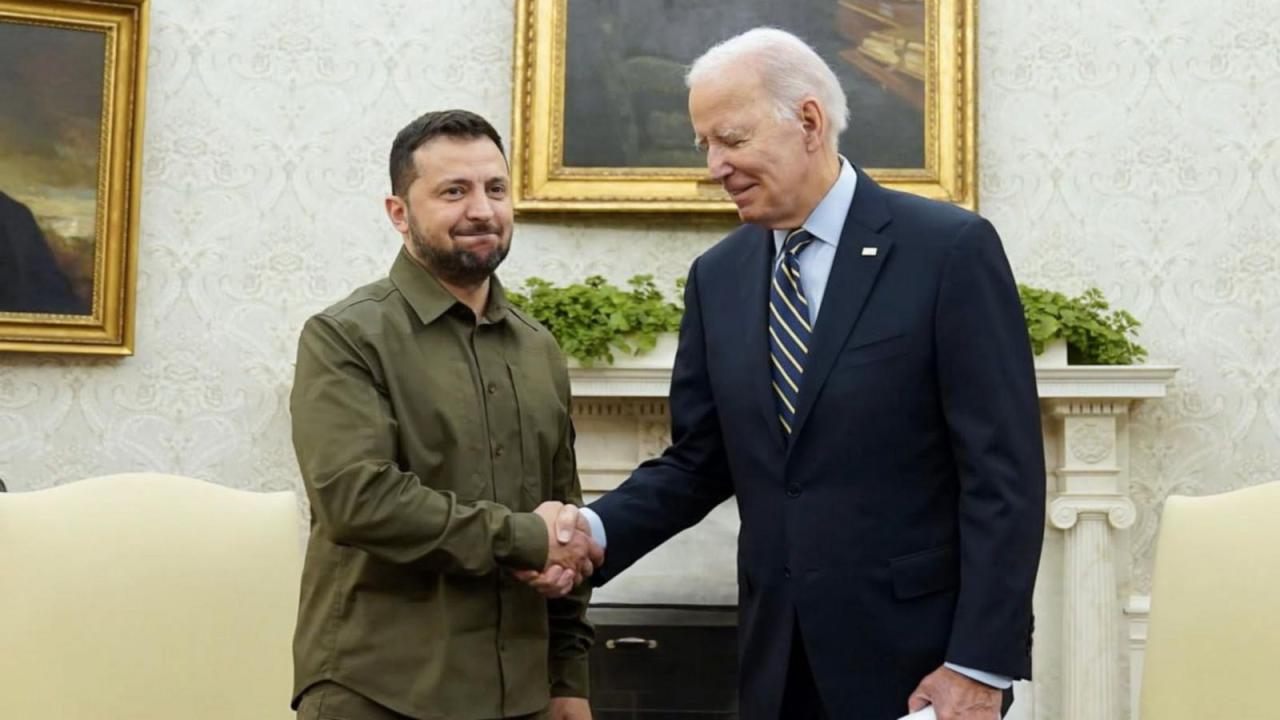
Connecting border security measures with aid for Ukraine is a contentious issue, sparking debate about its practicality and potential negative consequences. Critics argue that linking these distinct policy areas creates an illogical entanglement, potentially undermining both initiatives. The proposed connection often overlooks the complex, independent needs and challenges associated with each issue.
The border Republicans’ Ukraine bill is generating a lot of buzz, and it’s definitely a hot topic right now. Interestingly, the political climate surrounding this bill seems eerily similar to the recent developments surrounding Dayme Arocena’s controversial journey to Al Kemi, which you can read about here. The parallels in the public’s reaction and the media’s coverage to both stories are striking, making this a really fascinating time to observe the political landscape and how it impacts everyday people.
Concerns About Logistical Feasibility
The logistics of merging border security and Ukraine aid are significant hurdles. Border security measures often require specific resources, personnel, and infrastructure. Redirecting funds or personnel dedicated to border security towards aid for Ukraine could compromise the effectiveness of both efforts. This logistical incompatibility often arises from the distinct requirements of each program. For instance, border security might need specialized equipment like drones or advanced sensors, whereas Ukraine aid requires humanitarian assistance, medical supplies, or military support.
Concerns Regarding Funding Priorities
Critics question the prioritization of resources. Significant funding allocated to border security might be diverted from other essential domestic programs, potentially jeopardizing public safety and well-being. This diversion of funds raises questions about the long-term impact on national priorities and may lead to unforeseen consequences. The potential for reduced funding for public health, education, or infrastructure development is a concern.
It is crucial to evaluate the impact on other areas of national interest.
Concerns About the Impact on National Security
The proposed connection raises concerns about national security vulnerabilities. A substantial shift of resources from border security might inadvertently leave the nation exposed to potential threats. This possibility needs careful consideration. A decrease in border security could lead to increased illegal immigration, smuggling, and the infiltration of harmful elements, which could directly impact national security. The focus should be on evaluating the comprehensive risks and potential impacts on national security.
Political and Public Opposition
Significant political and public opposition often arises against linking the two issues. Public sentiment on both border security and Ukraine aid can vary widely, and linking the two policies may alienate support for either cause. This can be seen as a political strategy to garner support for one side of the issue, while simultaneously undermining the other. Diverse viewpoints and public opinions need to be considered when making policy decisions.
Comparison of Arguments
| Argument for Connection | Argument Against Connection |
|---|---|
| Enhanced support for Ukraine can be achieved by leveraging resources | Diverting resources from border security could jeopardize national security |
| Addressing border security strengthens national security, which can support international aid efforts | Linking border security with Ukraine aid is an illogical and potentially harmful entanglement of distinct issues |
| A combined approach can maximize impact and efficiency | The distinct requirements of border security and Ukraine aid necessitate separate funding and prioritization |
These opposing viewpoints highlight the complexities of the issue and underscore the need for careful consideration before linking distinct policy areas.
The border Republicans’ Ukraine bill is generating a lot of buzz, but it’s also interesting to see how this plays into the political landscape. For example, Tom Suozzi’s New York congressional race tom suozzi new york congressional race is highlighting similar themes of national security and border control, though with a different local flavor. Ultimately, the border Republicans’ bill will likely face scrutiny as it navigates through the political process.
Potential Impacts and Implications
This section delves into the potential consequences of linking border security measures with Ukrainian aid. The proposed legislation, while aiming to address critical issues, introduces complex interdependencies that could significantly affect various sectors, from national security to international relations. Understanding these potential impacts is crucial for a comprehensive evaluation of the bill’s merits.
Effects on Border Security
The bill’s provisions aimed at strengthening border security could lead to increased resources and personnel dedicated to border patrol and enforcement. This might translate to more checkpoints, advanced surveillance technology, and enhanced infrastructure along the borders. However, these investments could potentially divert resources from other critical areas of border security, such as addressing vulnerabilities or illegal immigration channels.
The border republicans’ Ukraine bill is definitely a hot topic right now. It’s fascinating how these political debates often intertwine with other cultural and artistic movements. For instance, the recent exhibition showcasing the work of Abney, Bey, Fordjour, and Simmons at the Harlem Renaissance Met, highlighted the power of artistic expression , which, in its own way, reflects the resilience and innovation in the face of challenges.
This complex interplay reminds us that political landscapes are deeply connected to broader social narratives, and the border republicans’ bill is just one part of that larger story.
Furthermore, the effectiveness of these measures in deterring illegal activity needs to be assessed, considering past experiences and evolving methods of illegal border crossings. A critical evaluation must consider the potential unintended consequences, such as the creation of more dangerous and less accessible border areas.
Implications for Ukraine Aid Funding
The direct link between border security and Ukraine aid could significantly impact the amount of funding allocated to supporting Ukraine’s war effort. If the bill passes, there might be a direct or indirect correlation between the level of border security measures and the volume of aid provided. This could potentially lead to fluctuations in aid amounts, depending on the perceived success or failure of the border security initiatives.
The effectiveness of the border security provisions as a catalyst for increased or decreased aid should be carefully considered. For instance, if the border security measures are perceived as insufficient or ineffective in achieving their objectives, the public or Congress might exert pressure to reduce aid to Ukraine in favor of border security.
Consequences for the Political Landscape
The proposed legislation could create a significant shift in the political landscape, potentially polarizing public opinion and influencing future policy decisions. Support for the bill may come from those concerned about national security and border control, while opposition might arise from those advocating for continued aid to Ukraine. The legislation’s success hinges on the ability to navigate these competing interests and forge a consensus.
Historically, similar legislation has been met with diverse reactions, highlighting the sensitivity and complexity of the issue.
Potential Effects on Public Opinion
Public opinion on the bill will likely be divided, influenced by various factors including individual perspectives on border security, support for Ukraine, and economic considerations. Those favoring stronger border security may view the bill positively, while those prioritizing aid to Ukraine might oppose it. The media’s portrayal of the bill and its potential impacts will also play a crucial role in shaping public perception.
A balanced and nuanced discussion is vital to ensuring an informed public discourse.
Table of Potential Short-Term and Long-Term Effects
| Issue | Potential Effect | Positive/Negative Impact |
|---|---|---|
| Border Security | Increased resources and personnel for border patrol | Positive |
| Border Security | Diversion of resources from other areas | Negative |
| Ukraine Aid Funding | Potential fluctuation in aid amounts | Negative (possible) |
| Ukraine Aid Funding | Potential for decreased aid due to perceived ineffectiveness of border security measures | Negative (possible) |
| Political Landscape | Increased political polarization | Negative |
| Political Landscape | Increased focus on national security | Positive (possible) |
| Public Opinion | Divided public opinion | Neutral |
| Public Opinion | Potential for misinformation and misrepresentation of the legislation | Negative |
Public Opinion and Political Discourse
The connection between border security and the Ukraine bill has ignited a passionate debate across the political spectrum. Public opinion is deeply divided, with strong arguments presented on both sides. Understanding the nuances of this discourse is crucial to comprehending the political landscape surrounding this legislation. This section will delve into public opinion, highlighting key political figures, and examining the tone and language used in the ongoing debate.
Public Opinion on the Connection
Public opinion regarding the connection between border security and the Ukraine bill is sharply polarized. Supporters of the bill often argue that the funding allocated to Ukraine is crucial for national security and global stability, while the proposed funding for border security is viewed as a necessary investment in protecting national interests. Conversely, opponents argue that the bill’s funding for Ukraine is misplaced and that resources should be prioritized for domestic needs, including border security.
This polarized view is reflected in social media discussions and news articles, with strong emotions and differing interpretations of the issue’s importance.
Key Political Figures in the Debate
Several prominent political figures have been actively involved in the debate. These figures include members of Congress, presidential candidates, and prominent commentators. Their stances have often been the focal point of public discourse, shaping the narrative surrounding the bill. For instance, specific statements by elected officials or prominent commentators regarding the bill have often triggered public discussion and debate, sometimes with strong reactions.
Tone and Language in Public Discourse
The tone of the public discourse surrounding the connection between border security and the Ukraine bill is often highly charged. The language employed frequently reflects a strong sense of partisanship, with terms such as “priorities,” “national security,” and “misallocation of funds” used in ways that reflect differing viewpoints. News articles and social media posts often feature strong opinions, leading to an often contentious atmosphere.
Examples of Social Media and News Discussions
Numerous examples illustrate the heated public discourse. Online discussions on platforms like Twitter and Facebook often present contrasting viewpoints on the necessity of the bill and its potential implications. News articles frequently feature opinion pieces and analysis that highlight the complexities and disagreements surrounding the issue.
Key Themes Emerging from Public Discussion
Several key themes consistently emerge from the public discussion. A central theme revolves around the allocation of resources, with questions of national priorities and the trade-offs between domestic and international needs. Another theme focuses on national security concerns, with different interpretations of how the Ukraine bill and border security relate to national interests. Concerns about the potential economic impact of the bill, both positive and negative, also emerge in discussions, along with concerns regarding the fairness and equity of the resource allocation decisions.
Historical Precedents
The proposed connection between border security and Ukraine aid raises important questions about historical parallels. Examining past instances where similar linkages were made provides valuable context for understanding the potential outcomes and lessons learned. Analyzing these precedents allows us to evaluate the current situation’s unique characteristics and potential consequences.The connection between internal security concerns and foreign policy decisions has a long and complex history.
From the Cold War to contemporary geopolitical challenges, national security has often been intertwined with international relations, creating a dynamic landscape of interconnected interests. This historical analysis will highlight key similarities and differences between these past instances and the current situation regarding the Ukraine aid bill.
Similar Historical Instances
Past instances of linking border security to foreign policy issues include the post-9/11 era’s increased focus on national security measures, impacting immigration policies and international relations. The “war on terror” led to heightened border controls and increased scrutiny of foreign nationals, often impacting relations with other countries. Another example is the rise of protectionist trade policies, which can be connected to border security concerns.
These policies aim to safeguard domestic industries and jobs, often resulting in trade disputes and strained international relations. These historical situations highlight the intricate and often unintended consequences of intertwining domestic security concerns with foreign policy.
Parallels Between Current and Past Situations
A key parallel between the current situation and past instances lies in the perceived need to prioritize national security concerns. The current geopolitical climate, marked by global instability and heightened security threats, mirrors the circumstances surrounding past security crises. This perceived need to strengthen national borders and prioritize internal security often influences foreign policy decisions. However, the specific nature of the threats and the global context can vary significantly.
Outcomes of Historical Precedents
The outcomes of past attempts to connect border security with foreign policy issues have varied. Some instances led to increased cooperation and strengthened alliances, while others resulted in trade disputes, strained diplomatic relations, and unintended consequences. The effectiveness of these connections often depends on the specific circumstances and the nature of the threats perceived. The outcomes can be complex and multifaceted, influencing not only bilateral relationships but also the global security landscape.
Lessons Learned
Examining past instances reveals important lessons. One key lesson is the potential for unintended consequences when linking domestic security concerns with foreign policy. A second is the importance of carefully considering the potential impacts on international relations and global stability when making such connections. A third lesson highlights the importance of a nuanced understanding of the specific context and circumstances before making such linkages.
Differences and Similarities Between Current and Past Instances
| Feature | Current Situation | Historical Instances (e.g., Post-9/11) ||——————–|—————————————————————————————————————————|———————————————————————————————————————————————-|| Threat Perception | Increased geopolitical instability, rise of nationalism, and the ongoing conflict in Ukraine.
| Heightened terrorism threat, concern over international terrorism. || Global Context | Complex interplay of economic interdependence, technological advancements, and global interconnectedness.
| Increased focus on international cooperation, rise of globalization, and the aftermath of the Cold War. || Policy Objectives | Balancing security concerns with economic and humanitarian considerations, managing the refugee crisis.
| Strengthening border security, combating terrorism, and implementing enhanced surveillance measures. || Potential Impacts | Strain on international relations, potential for trade disputes, humanitarian consequences, refugee crisis.
| Increased tensions with certain countries, strained international cooperation, potential for unintended consequences. |
Last Word
The border Republicans’ Ukraine bill highlights the intricate and often contentious relationship between domestic and foreign policy. The connection between border security and Ukraine aid, while controversial, reflects a complex interplay of economic, national security, and political considerations. The potential impacts of this legislation on both issues are significant, and the debate continues to shape the political landscape.
This article has presented various perspectives, but the ultimate decision on the bill’s fate rests with lawmakers. The future of both border security and Ukraine aid hinges on this critical vote.
Essential Questionnaire
What are some common criticisms of connecting border security to the Ukraine bill?
Critics argue that linking these issues is illogical and distracts from the specific needs of each. They point to the potential for diverting resources from vital Ukraine aid to less urgent border security measures. The perceived lack of direct correlation between the two issues is a key concern.
How might the bill’s provisions affect the allocation of resources?
The bill’s provisions could potentially shift funding away from Ukraine aid, potentially jeopardizing the ongoing support of Ukrainian forces and their efforts to defend against Russian aggression. The exact allocation of resources will depend on the final legislation.
What is the historical precedent for linking border security to foreign policy issues?
While there have been instances of linking national security to foreign policy concerns, this specific connection between border security and Ukraine aid is relatively novel and unprecedented in recent times.
What are the economic arguments used to justify this connection?
Proponents argue that border security measures are crucial to the nation’s economic well-being. They might suggest that decreased illegal immigration will benefit the economy in various ways, which may then free up resources for Ukraine aid.