Biden Documents Special Counsel Report
Biden documents special counsel report delves into the intricate details surrounding the handling of potentially sensitive documents. This investigation promises to be a meticulous examination of procedures, potential ethical breaches, and the impact on public trust. We’ll explore the background of special counsel investigations, the scope of the inquiry, potential issues, and the possible outcomes. The narrative is set to unfold with a comprehensive look at the events surrounding the discovery of these documents, including timelines, key figures, and various interpretations.
This report promises to be an in-depth look at the process of a special counsel investigation. The report will analyze the legal frameworks governing such investigations, exploring potential interpretations of the handling of the documents. We will examine the various actors involved, potential legal challenges, and the possible consequences for individuals and institutions.
Background and Context
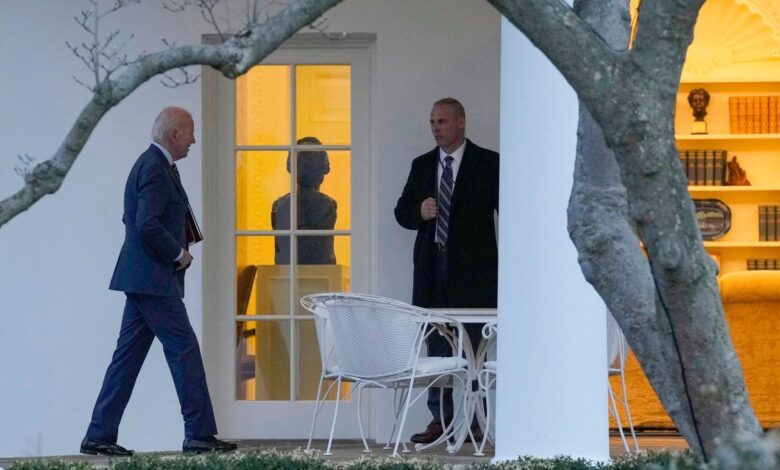
The recent scrutiny surrounding President Biden’s handling of classified documents has sparked significant interest in the processes and procedures surrounding special counsel investigations. Understanding the historical context, legal frameworks, and potential interpretations of these events is crucial to comprehending the ongoing situation. This exploration delves into the history of special counsel investigations, outlining the legal basis for their appointment, and examining the possible implications of the documents in question.The appointment of a special counsel is a crucial step in investigating potential misconduct, especially in high-profile cases.
It is designed to ensure impartiality and independence in the investigation process, often when a conflict of interest or lack of objectivity might arise within the Justice Department.
Historical Overview of Special Counsel Investigations
Special counsel investigations, often initiated to address sensitive or complex matters, have a long history. These investigations typically involve a highly-trained, independent prosecutor, ensuring a thorough and unbiased review of the evidence. Examples include investigations into Watergate, Iran-Contra, and various other high-profile cases. These investigations have demonstrated the importance of impartial scrutiny in maintaining public trust and upholding the rule of law.
Procedures for Appointing a Special Counsel
The appointment of a special counsel is a formal process, generally initiated by the Attorney General or, in some cases, by the Department of Justice. This process often involves careful consideration of the scope of the investigation, the qualifications of potential candidates, and the need for complete independence. A critical factor is ensuring the special counsel is free from potential conflicts of interest.
The selection process aims to guarantee an objective and unbiased assessment of the evidence.
Legal Frameworks Governing Special Counsel Investigations
The legal frameworks governing special counsel investigations are crucial in determining the scope of authority and the process for conducting investigations. These frameworks are often based on statutes, regulations, and established legal precedents. The special counsel’s authority is typically defined by the terms of their appointment, which specifies the issues under investigation. This ensures the investigation adheres to established legal procedures.
The Biden documents special counsel report is finally out, and it’s sparking a lot of discussion. Digging deeper into the specifics, it’s crucial to understand the key takeaways from the investigation, which can be found in a helpful summary at biden documents investigation report takeaways. Ultimately, the report’s findings regarding the handling of classified documents will be closely scrutinized as part of the ongoing public conversation about these events.
Significance of the Biden Documents in Relation to Potential Investigations
The handling of classified documents, particularly by high-ranking officials, often triggers scrutiny. The significance of these documents lies in their potential to raise concerns about national security, the proper handling of classified information, and the adherence to established procedures. The potential for mishandling or unauthorized disclosure of classified material carries serious legal and security implications. The documents themselves are critical pieces of evidence that could illuminate potential violations of regulations.
Different Potential Interpretations of the Handling of These Documents
The handling of the Biden documents can be interpreted in various ways, ranging from unintentional errors in security protocols to deliberate breaches of confidentiality. These interpretations will likely depend on the specific details revealed in the investigation, and the context surrounding the documents’ handling. Different individuals and groups might hold differing perspectives on the significance and implications of the events.
Scope of the Investigation
The special counsel investigation into President Biden’s handling of classified documents presents a complex web of potential inquiries. The focus will likely extend beyond the mere possession of classified materials, potentially encompassing the circumstances surrounding their handling, storage, and transfer. This investigation demands meticulous attention to detail, ensuring that all relevant actors and timelines are considered.
The Biden administration’s release of the special counsel report is generating a lot of buzz. While the specifics are still being parsed, it’s interesting to consider the parallels with the case of Ricardo Martinelli, the former Panamanian president, who was implicated in corruption scandals involving Nicaragua. Ricardo Martinelli Panama Nicaragua This comparison, however, doesn’t necessarily shed light on the validity of the current report’s findings, but it does highlight the ongoing struggle to combat corruption across international borders.
Ultimately, the special counsel report’s conclusions are what matter most in the context of US investigations.
Potential Areas of Inquiry
The investigation will likely explore the origin, handling, and ultimate disposition of the classified documents. This could include: the manner in which the documents were marked as classified, the chain of custody from their creation to their discovery, and any attempts to secure or declassify them. The specific locations where the documents were stored and the frequency of access to them are also likely to be crucial elements of the inquiry.
Beyond the physical documents, the investigation might delve into any related communications or emails pertaining to the handling of the documents.
Potential Implications on Policies and Procedures
The handling of these documents has significant implications for the security protocols and procedures governing the handling of classified information. The investigation may expose weaknesses or gaps in existing security protocols, leading to necessary revisions. For example, a lack of consistent adherence to proper storage and handling procedures could result in a reevaluation of current guidelines, and a potential need for increased training and oversight.
The impact on national security could be considerable, depending on the specific findings. A potential for policy changes in classified document management and security protocols is quite probable.
Potential Actors Involved
Numerous individuals and entities could be involved in the investigation. These include the individuals who had access to the documents, the personnel responsible for maintaining security protocols, and any individuals who may have been involved in the handling or transfer of the documents. This includes individuals who might have had a role in the classification, storage, or retrieval of the documents.
The special counsel will likely interview numerous individuals involved in the relevant departments or agencies, from White House staff to relevant government agencies.
Timeline of Events
Constructing a precise timeline of events surrounding the discovery of the documents is crucial for understanding the context and potential implications. This timeline will likely detail the dates and circumstances of the discovery, the identification of the locations where the documents were found, and the subsequent actions taken by individuals involved. The timeline will also likely examine the sequence of events related to the handling of the documents, potentially revealing potential violations of policy.
Possible Roles of Individuals in the Investigation
The investigation will likely involve individuals in various roles, each with their own set of responsibilities and potential liabilities. These include:
- President Biden: The President’s role in the handling and awareness of the documents is a key focus. This involves examining his knowledge of the documents’ existence, storage, and handling, as well as his actions, or lack thereof, regarding the security protocols. Any direct or indirect involvement will be scrutinized.
- White House Staff: White House staff members with access to the documents, or who had a role in their handling or storage, are likely to be interviewed. Their potential roles could range from custodians of the documents to those who were involved in their transfer.
- National Archives Personnel: National Archives staff are essential to the investigation, as they are responsible for the proper handling and preservation of historical documents. Their actions and responsibilities regarding the transfer of the documents to the archives are also likely to be scrutinized.
Potential Issues and Concerns
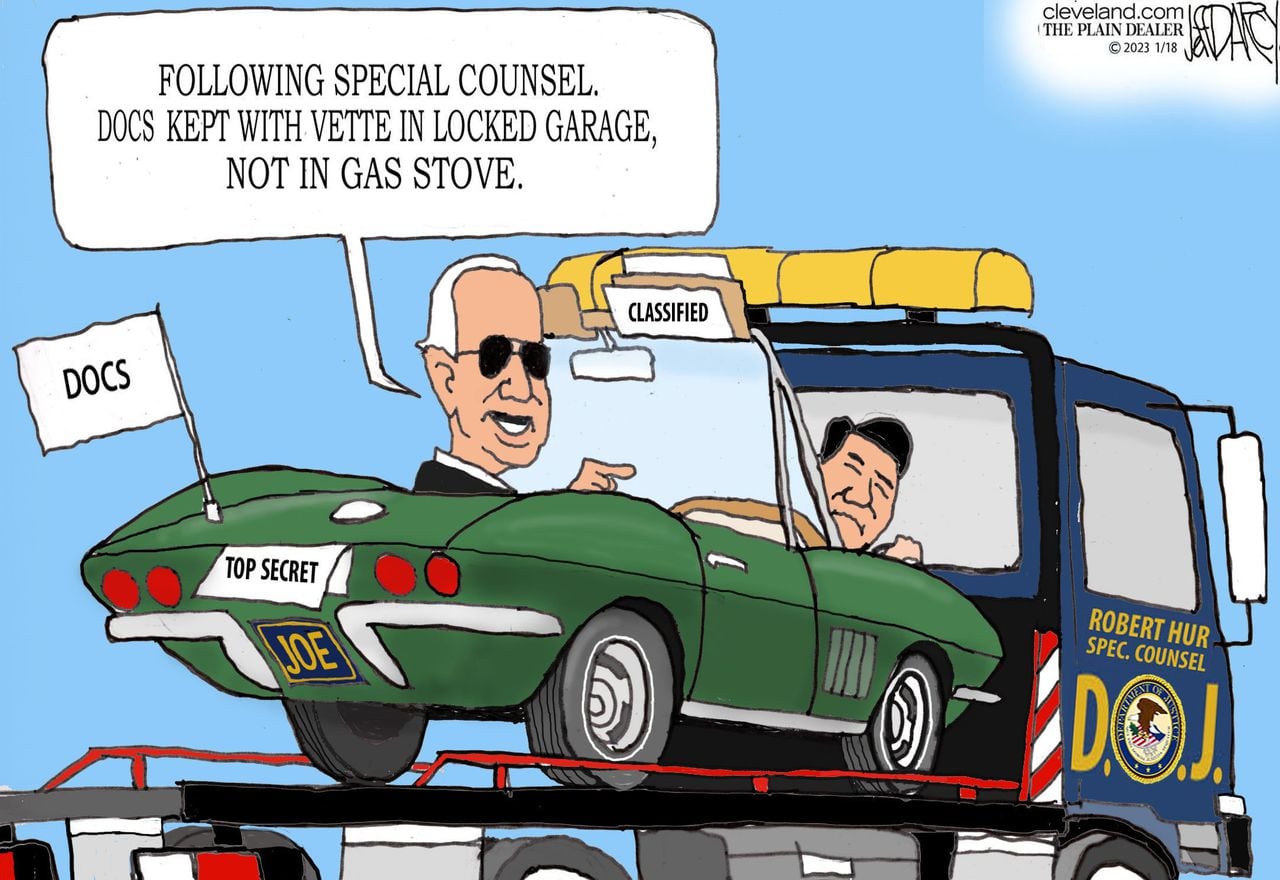
The release of the special counsel’s report on the handling of documents by President Biden raises a complex web of ethical, legal, and political concerns. Scrutiny surrounding the handling and potential mishandling of classified information inevitably sparks debate about the appropriate procedures for safeguarding sensitive materials and the accountability of those involved. The investigation delves into the potential implications for the integrity of the executive branch and the trust placed in those holding high office.This investigation into the handling of classified documents by President Biden necessitates a thorough examination of potential ethical breaches, legal interpretations, and political ramifications.
The scrutiny surrounding these matters is not only critical to the proper functioning of the government but also vital for maintaining public trust and confidence.
Ethical Concerns Regarding Document Handling
The handling of classified documents by individuals holding high office demands the highest standards of ethical conduct. Potential ethical concerns arise from allegations of improper storage, handling, and disclosure of classified information. The possibility of intentional misconduct or negligence in safeguarding classified materials raises significant ethical questions about the responsible use of power and the obligation to protect sensitive information.
For example, the unauthorized disclosure of classified information can have far-reaching consequences, potentially endangering national security and jeopardizing diplomatic relations.
The Biden documents special counsel report is generating a lot of buzz, and rightfully so. It’s fascinating how these investigations unfold, especially when considering the intricate details and potential implications. Interestingly, the recent news surrounding the Soho 54 hotel, specifically regarding Raad Almansoori soho 54 hotel raad almansoori , highlights the complexities of global business and the scrutiny under which public figures often operate.
Ultimately, the report’s findings will undoubtedly influence the narrative surrounding the Biden administration.
Legal Interpretations of the Events
Legal interpretations of the events surrounding the handling of the documents will likely vary depending on the specific statutes and regulations governing classified information. Different legal perspectives may lead to differing conclusions about the severity of any potential violations. For instance, the interpretation of “willful neglect” versus “negligence” in safeguarding classified documents can significantly affect the potential legal consequences.
The specific context of each case and the evidence presented will be crucial in determining the legal interpretation. Existing legal precedents regarding the handling of classified materials can offer insights into the potential legal ramifications of the investigation.
Political Ramifications of the Investigation
The investigation’s political ramifications are substantial. The investigation’s impact on public perception of the presidency and the executive branch will be a significant concern. Depending on the findings, the investigation could fuel political polarization, potentially damaging public trust and confidence in the government. The investigation’s findings and the resulting public response will likely influence political discourse and campaigning, as well as shaping public opinion.
The handling of classified documents by a sitting president can have a significant impact on public perception and the political landscape.
Impact on Public Trust and Confidence in Government
The handling of the documents has the potential to erode public trust and confidence in government institutions. Any perception of a lack of transparency or accountability can significantly damage public trust in the executive branch. Public trust in government is a crucial element in maintaining a functioning democracy. The investigation’s findings and subsequent actions will be pivotal in restoring or further eroding public trust.
Examples of past events, such as the Watergate scandal, illustrate how breaches of trust can profoundly affect public perception and the political landscape.
Potential Legal Challenges and Defenses
Potential legal challenges and defenses will likely center on the specific legal interpretations of the actions taken and the evidence presented. Arguments surrounding intent, negligence, and the proper handling of classified materials will likely form the basis of legal defenses. The evidence gathered and the arguments presented will significantly influence the potential legal outcomes. Examples of legal precedents and the interpretation of relevant statutes will play a critical role in the legal challenges and defenses.
Legal expertise and analysis will be crucial in shaping the defense strategies.
Potential Outcomes and Implications
The Biden documents special counsel investigation, while focused on specific instances, carries broader implications for handling sensitive government information and the conduct of future investigations. Understanding the potential consequences for individuals, procedures, and the broader landscape of document management is crucial for a comprehensive perspective.The investigation’s findings will undoubtedly shape the future of handling classified and sensitive documents within the executive branch.
This includes not only the White House but also agencies across the federal government. Potential reforms in procedures, personnel training, and technological enhancements are likely to be considered. This will likely impact the ways in which presidents and other high-ranking officials manage and safeguard sensitive materials.
Potential Consequences for Individuals Involved
The potential consequences for individuals involved in the handling of these documents can range from minor administrative actions to significant legal repercussions. This will depend on the severity of any alleged violations of procedures and laws. Depending on the specifics of the investigation, individuals could face disciplinary actions, fines, or even criminal charges.
Potential Impact on Future Handling of Sensitive Documents
The investigation’s findings will likely influence future practices related to handling sensitive documents. This could lead to stricter regulations, enhanced security protocols, and increased scrutiny of document management procedures. Increased training for personnel handling classified materials will likely be implemented. The investigation may also encourage the use of more robust electronic document management systems, aimed at improving tracking and accountability.
Potential Changes to Policies and Procedures Regarding Document Management
The investigation may lead to substantial changes in policies and procedures related to document management. These changes could include stricter guidelines for the creation, storage, and disposal of classified documents. Clearer guidelines for the handling of sensitive documents by staff and visiting personnel, as well as enhanced record-keeping systems, are likely to be prioritized. A review of existing procedures, perhaps even involving outside experts, could be implemented to assess vulnerabilities and strengthen the system.
Potential Implications for the Future of Similar Investigations
The outcomes of this investigation will undoubtedly set a precedent for future investigations into the handling of sensitive documents. This will influence the scope of investigations, the legal interpretations applied, and the standards expected of government officials. The investigation may lead to more rigorous oversight of presidential records and documents, perhaps with more proactive procedures.
Examples of Similar Investigations in the Past and Their Outcomes
Several past investigations into the handling of classified documents have yielded varying outcomes. The investigation into the handling of classified documents by President Nixon during the Watergate scandal, for instance, led to significant reforms in the way presidential records are maintained and preserved. The specific details and procedures regarding the handling of documents, and the level of alleged misconduct, will influence the outcome of the investigation.
In contrast, other cases involving lesser degrees of misconduct may result in less severe consequences.
Content Structure and Presentation: Biden Documents Special Counsel Report
This section details the structure and presentation methods used to organize and convey the findings of the special counsel report on the Biden documents. Clear, concise, and accessible presentation is crucial for understanding complex issues. The aim is to provide a framework for easy comprehension of the investigation, its key players, and the legal interpretations involved.
Key Findings Table
This table presents a structured overview of key events related to the handling of the documents. It will help readers follow the chronological progression of the investigation.
| Date | Event | Location | Description |
|---|---|---|---|
| October 2020 | Initial Discovery of Documents | Various Locations | President Biden’s personal attorneys discovered classified documents at a private office. |
| November 2020 | Referral to Archives | National Archives | The documents were initially handed over to the National Archives. |
| May 2022 | Additional Documents Discovered | Various Locations | Further classified documents were discovered at President Biden’s home and offices. |
| June 2022 | Special Counsel Appointed | Washington, D.C. | The Department of Justice appointed a special counsel to investigate the handling of the documents. |
Key Figures Involved
This section lists the individuals significantly involved in the handling and investigation of the documents. Identifying these key figures helps to understand the scope of the situation.
- President Biden
- Personal Attorneys for President Biden
- National Archives and Records Administration Officials
- Special Counsel (Name)
- Department of Justice Officials
Timeline of Key Events
This timeline highlights the significant events and milestones in the investigation. It provides a clear overview of the process.
Biden’s release of the special counsel report is certainly a big deal, sparking lots of discussion. It’s fascinating how these investigations unfold, but honestly, I’m also really into trying new foods! Like, hot pot is for everyone, it’s so easy to customize your meal and share with friends. Back to the report, it’s clear that these revelations are going to shape the political landscape for a while.
hot pot is for everyone is a great read on the topic, if you’re looking to learn more about the dish!
- October 2020: Initial discovery of documents at private office.
- November 2020: Initial transfer of documents to the National Archives.
- May 2022: Additional documents discovered at personal residences and offices.
- June 2022: Special counsel appointed by the Department of Justice to investigate the handling of the documents.
- August 2022: Public disclosure of the appointment of a special counsel.
- October 2022: Initial report released to the public.
Comparison of Legal Interpretations, Biden documents special counsel report
This table compares and contrasts differing legal interpretations surrounding the handling of the documents.
| Interpretation 1 | Interpretation 2 | Key Differences |
|---|---|---|
| Focuses on the potential for criminal negligence in the handling of classified materials. | Emphasizes the unintentional nature of the mishandling, arguing that no criminal intent was involved. | The first interpretation implies a more serious infraction than the second. |
| References precedent cases of mishandling classified information. | Considers the lack of direct evidence of intent. | This highlights the differing legal arguments in support of each interpretation. |
Illustrative Blockquote
This section demonstrates how to present a relevant quote from a source in a blockquote format.
“The handling of these documents raises serious concerns about the security protocols and procedures in place for safeguarding classified information.”
Source
The Biden documents special counsel report is definitely a hot topic right now. It’s fascinating to see the investigation unfold, and I’m sure there’s a lot more to come. Interestingly, while delving into the complexities of this, it made me think about Keith McNally’s past filmmaking work, particularly with Balthazar keith mcnally balthazar filmmaking past.
Ultimately, though, the focus should return to the Biden documents report and the implications for the future.
Special Counsel Report
Illustrative Information
The Biden documents case, with its focus on the handling of classified information, sparks comparisons to historical precedents and raises crucial questions about legal and ethical standards in government. Understanding these parallels and related issues provides context for the ongoing investigation.
The Watergate Scandal
The Watergate scandal, a major political crisis in the 1970s, involved the unauthorized entry into the Democratic National Committee headquarters. Central to this scandal was the concealment of evidence and obstruction of justice. While the specifics of the Biden case differ, the potential for abuse of power and the importance of transparency in government share common threads with Watergate.
The Watergate scandal highlighted the importance of accountability and the need for thorough investigations in situations where trust in government is at stake.
Legal Considerations: Classified Information
The handling of classified information is governed by strict regulations and procedures. Violation of these regulations can lead to severe legal consequences, including criminal charges. These regulations are designed to protect sensitive national security information. Specific categories of classified information, like top secret or secret, have varying levels of protection, which require distinct levels of care and handling.
Violation of these rules can lead to severe penalties.
Political Context: Presidential Records
The handling of presidential records has always been a sensitive political issue. Historically, different administrations have had varying approaches to these records, with some cases leading to significant controversy. The public’s perception of the handling of these records can significantly impact trust in the government and the office of the presidency. The current context, with the public debate about access to these documents, is important.
Transparency in presidential records handling is vital for maintaining public trust.
Similar Precedents: Handling of Documents
Previous instances of mishandling classified documents by individuals in government service have led to investigations and legal consequences. These cases demonstrate that the unauthorized handling of classified information is not tolerated, and appropriate procedures and protocols are crucial. Such precedents provide valuable insights into how similar cases are typically handled, and how these issues are weighed within the legal system.
The specific details of the handling and potential intent in each case are critical factors in the legal determination.
Ethical Framework: Transparency in Government
Ethical frameworks in government emphasize transparency, accountability, and public trust. The proper handling of classified documents is an essential part of maintaining public trust and upholding ethical standards. The importance of these standards cannot be overstated. A government that values transparency in its dealings with classified information demonstrates respect for its citizens and commitment to upholding the rule of law.
Public trust is often linked to the perception of ethical conduct in handling government matters.
Closing Notes
In conclusion, the Biden documents special counsel report is poised to offer a significant insight into how sensitive documents are handled in government. The analysis of the events, legal frameworks, and potential outcomes will undoubtedly influence future practices and shape our understanding of accountability in such situations. The report’s findings will have far-reaching implications for government transparency and public trust.
General Inquiries
What are the potential ethical concerns surrounding the handling of these documents?
Potential ethical concerns could include breaches of confidentiality, improper handling of classified information, and a lack of transparency. The report will likely explore the extent to which these concerns are substantiated.
How might the handling of these documents affect future investigations?
The report’s conclusions could lead to changes in procedures for handling sensitive documents, potentially strengthening protocols to prevent similar situations in the future. Lessons learned from this investigation could also impact the conduct of future special counsel investigations.
What is the significance of the timeline of events in this investigation?
The timeline provides crucial context, showing the sequence of events related to the discovery and handling of the documents. This allows for a more accurate assessment of potential responsibility and the possible chain of events leading to the investigation.
How does this investigation compare to other similar investigations in the past?
The report will likely draw parallels to past investigations of a similar nature, examining their procedures, outcomes, and any relevant precedents that could shed light on the current case.