Nevada Caucus Election Day Delayed
Its election day in Nevada caucus day comes later, setting a unique rhythm for the presidential election cycle. This intriguing schedule raises questions about its impact on voter engagement, candidate strategies, and the overall political landscape. Why does Nevada’s caucus process differ from other states’ primary elections, and what are the potential consequences of this timing?
This blog post delves into the intricacies of Nevada’s caucus system, exploring its historical significance, procedures, and its place within the broader election picture. We’ll examine the specifics of Nevada’s election day, contrasting it with the caucus process and highlighting potential challenges and opportunities.
Nevada Caucus Overview: Its Election Day In Nevada Caucus Day Comes Later
The Nevada caucuses are a crucial part of the US presidential primary process. They serve as a significant early indicator of voter preferences and often play a pivotal role in shaping the narrative of the election cycle. Nevada’s caucuses, held before many other primaries, are important because they help narrow the field of candidates and provide early insights into the strengths and weaknesses of different campaigns.Nevada’s caucuses are not just another step in the primary process; they are a significant event, often determining the momentum and direction of a campaign.
The results, combined with the other early state contests, can influence national media coverage and fundraising efforts. Candidates must carefully strategize to perform well in Nevada, as a strong showing can propel them forward while a poor showing can be detrimental to their chances.
Nevada’s election day is coming up, but the caucuses are later. This election cycle is interesting, especially considering the global tensions surrounding US-Russia relations, nuclear proliferation, and space exploration, particularly in Pakistan and Asia. Recent developments in these areas, as discussed in more detail on this page about us russia nuclear space pakistan asia , might influence the upcoming Nevada caucuses.
The election will be an important step in the democratic process.
Historical Context and Importance
Nevada’s caucuses have a history of impacting the overall election landscape. In recent elections, the outcome has sometimes surprised political analysts and shifted the focus of the campaign. Nevada’s geographic and demographic characteristics, such as its significant Latino population, often influence the outcome of the caucuses, making them a unique barometer of national trends. The caucuses have historically been a bellwether, indicating which issues resonate most with voters and shaping the discourse surrounding the election.
Typical Procedures and Rules
The Nevada caucus process follows specific procedures to ensure fairness and transparency. Registered voters attend caucus meetings, participate in discussions, and cast their votes for preferred candidates. The caucuses are structured to allow for debate and deliberation among participants, providing a forum for candidates to interact with voters directly. Rules regarding voter eligibility and participation are rigorously enforced to maintain the integrity of the process.
The specific rules and procedures are published well in advance, allowing potential participants to understand their responsibilities and rights.
Types of Voters Participating
A variety of voters participate in the Nevada caucuses. These include registered Democrats and Independents who meet specific eligibility criteria, such as proof of residency. The demographic mix of voters often varies from election to election, influencing the outcome. The presence of different voter types underscores the importance of the caucus as a representation of the electorate’s diverse opinions.
Key Dates and Timelines
The Nevada caucuses occur on a specific date each election cycle, typically early in the calendar year. The specific date is published well in advance, allowing candidates and voters ample time to prepare. Key dates for the caucuses, including voter registration deadlines, candidate filing deadlines, and the date of the caucus itself, are crucial for maintaining the election’s integrity.
The precise dates and timelines are critical for candidates to strategize and voters to participate effectively.
Comparison of Nevada Caucuses to Other State Primaries
| Feature | Nevada Caucuses | Other State Primaries (e.g., New Hampshire) |
|---|---|---|
| Process | Voter discussions and votes at local caucus meetings | Voters cast ballots directly for a candidate |
| Voter Participation | Generally requires in-person attendance at caucus meetings | Often conducted by mail or in-person at polling places |
| Impact | Can significantly impact campaign momentum, especially if a candidate does well. | Significant impact on campaign momentum. |
| Timing | Often one of the earliest contests in the election cycle | Timing varies widely by state, some occur later in the primary season |
The table illustrates the distinct procedures and characteristics that differentiate Nevada’s caucuses from other state primaries. These differences highlight the unique nature of the Nevada process and its role in the broader election landscape.
Nevada’s election day is coming up, but caucus day is later. While we’re all focused on the political landscape, there’s also some buzz around the St. Louis Blues and Pavel Buchnevich’s potential trade interest, which is generating quite a bit of speculation. Hopefully, the excitement surrounding the upcoming election will keep things interesting until the caucuses arrive.
Election Day in Nevada
Nevada’s election day offers a crucial opportunity for citizens to shape their state’s future. Understanding the specifics of the process, including voting procedures, locations, and registration requirements, is vital for ensuring a smooth and accurate election. This overview will delve into the details of election day, highlighting its nuances compared to the caucus system, and examining potential challenges and factors influencing voter turnout.
Voting Procedures and Locations
Nevada utilizes a system of in-person voting on election day. Registered voters can cast their ballots at designated polling places across the state. Voters should confirm their polling place using online resources or by contacting their county election office. A significant aspect of the process is the availability of absentee voting options for those unable to vote in person.
Nevada’s election day is upon us, but the caucus day is still to come. While we wait for the crucial caucuses, it’s worth noting the significant contributions being recognized with the Davine Joy Randolph Awards. These awards highlight the important work of individuals and organizations, and will likely be an interesting side note as we look forward to the upcoming Nevada caucuses.
This process allows for mail-in ballots, ensuring inclusivity for individuals with valid reasons for not attending in-person voting.
Nevada’s election day is coming up, but the caucus day is later. While we’re focusing on the upcoming political process, it’s worth a listen to some great music, like the Broadway cast albums, especially Sweeney Todd. broadway cast albums sweeney todd offer a fantastic soundtrack to the day. Regardless of the music choices, it’s still a busy time for Nevada’s election.
Registration Requirements
To participate in Nevada’s election process, individuals must meet specific registration requirements. These include U.S. citizenship, Nevada residency, and proof of age. The deadlines for registration vary, so it’s essential to stay updated on the official state election website. Furthermore, voters must register in the correct party affiliation to vote in the primary election.
Nevada Caucuses vs. Election Day
Nevada’s caucus system, while also crucial, differs significantly from its election day procedure. Caucuses typically involve a series of meetings where voters gather to express their preferences for candidates, and those meetings often take place over several days. In contrast, election day involves casting a ballot at designated polling places on a single day. This difference highlights the distinct mechanisms for selecting candidates within the Nevada political landscape.
Voter Turnout Comparison
Analyzing voter turnout across previous election cycles in Nevada offers insights into potential trends. Factors like presidential elections, local issues, and the overall political climate can influence voter engagement. For example, high-profile presidential races often see increased voter turnout compared to midterm elections, which can focus on state-level issues.
Potential Challenges and Obstacles
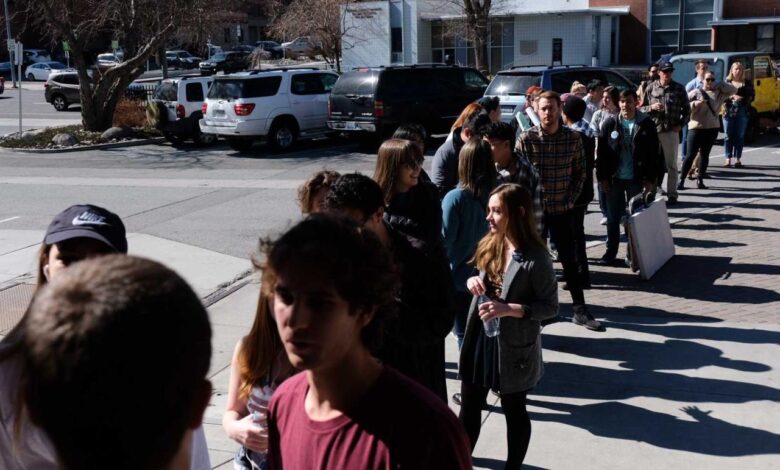
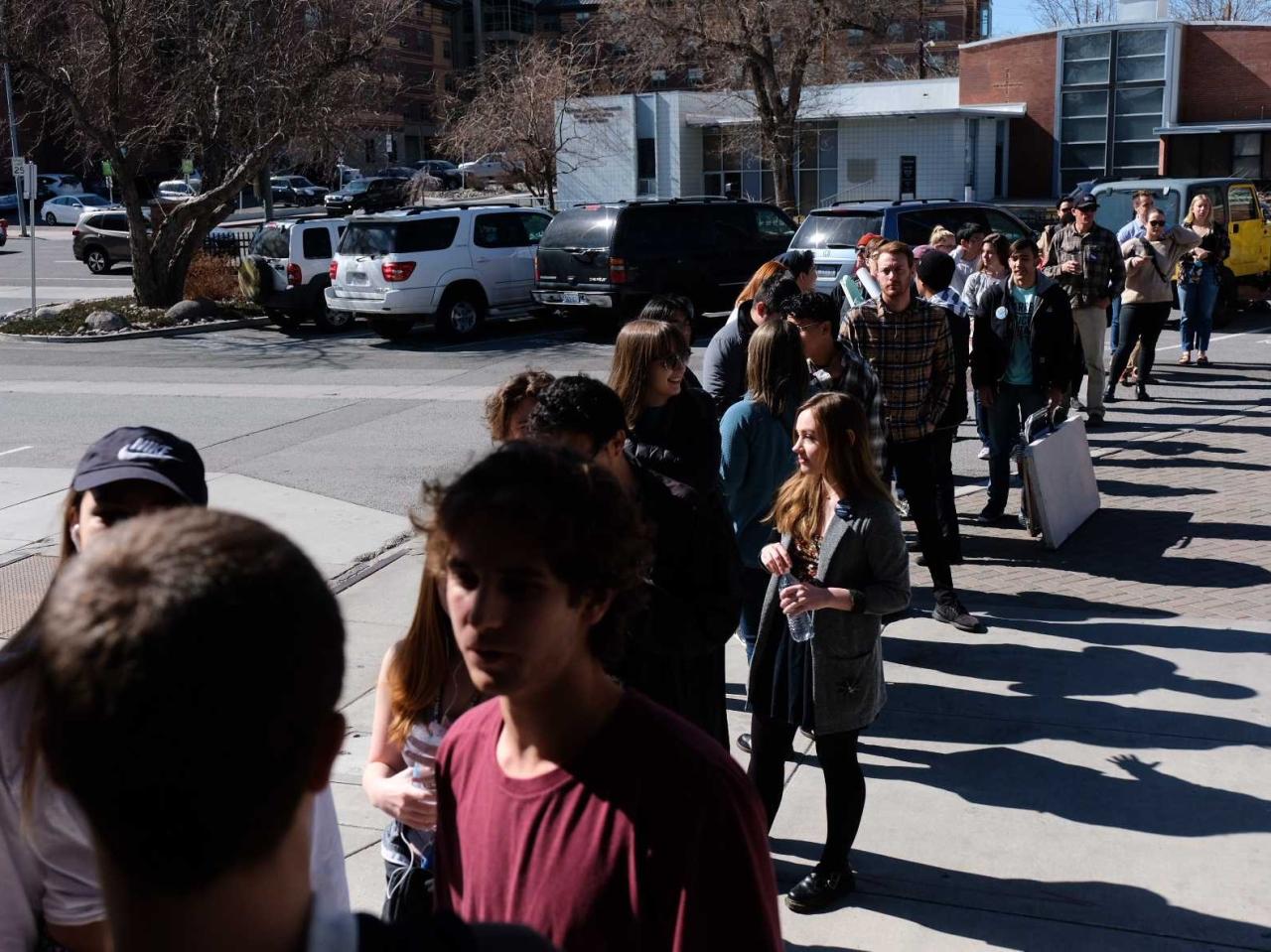
Several factors could potentially hinder a smooth election day. Challenges such as voter registration issues, long lines at polling places, or difficulties accessing polling locations could discourage participation. Furthermore, misinformation and disinformation campaigns could influence voter decisions. To ensure a transparent and reliable election, addressing these potential issues is crucial.
Factors Affecting Voter Turnout
Voter turnout in Nevada, like other states, is influenced by various factors. Factors such as voter education, accessibility to polling locations, candidate popularity, and the perceived importance of the election all play significant roles. Furthermore, the level of political engagement in the community can significantly impact the number of voters participating.
Security Measures
Nevada employs robust security measures to maintain the integrity of its election process. These include measures such as strict verification protocols for registered voters, secure ballot counting procedures, and training for poll workers. Furthermore, observation by election officials and third-party organizations plays a crucial role in verifying the accuracy of the voting process. These measures help to guarantee the reliability and security of the election results.
Nevada Caucuses – Timing and Impact
The Nevada caucuses, a crucial event in the American presidential primary election cycle, hold a unique position in the calendar. Their timing, relatively late in the process compared to other early-voting states, often shapes the political landscape and influences candidate strategies. Understanding this timing and its potential effects is essential for grasping the dynamic nature of the American electoral system.The Nevada caucuses, occurring later in the election calendar, serve as a critical testing ground for candidates who have already participated in earlier primaries.
This timing allows for a unique opportunity to assess candidate performance and public support after the initial stages of the election cycle. The caucus results often offer a snapshot of how the political climate is evolving, providing a glimpse into voter preferences and the effectiveness of candidate campaigns.
Reasons for Late Timing
Nevada’s caucuses, held later than other states, stem from various factors. The state’s desire to ensure a diverse and engaged electorate is one key element. Another factor is the state’s commitment to a process that prioritizes the direct involvement of voters, fostering a participatory democracy. The Nevada caucuses often occur following significant primary elections, allowing candidates to gain momentum or adjust their strategies.
Impact on the Election Process
The late timing of the Nevada caucuses can significantly influence the overall election process. Candidates who have performed well in earlier contests often gain a significant advantage, whereas those lagging behind face an uphill battle to regain momentum. The outcome can sway the media narrative, altering public perception of candidates and their viability. The late timing can also create pressure to make impactful adjustments in campaign strategies, as the results often determine the allocation of resources.
Candidate Strategies and the Nevada Caucuses
The timing of the Nevada caucuses influences candidate strategies in several ways. Candidates may adjust their messaging and policy positions based on feedback and learnings from earlier contests. The late timing allows for strategic pivots in campaign messaging, allowing candidates to target specific voter demographics. For example, candidates might focus on issues particularly relevant to Nevada voters.
Nevada’s election day is coming up, but the caucuses are later. It’s a busy time for sports fans too, as we see the legacy of athletic families continue, like the story of Christian McCaffrey, 49ers Super Bowl hero and son of Ed McCaffrey, a truly inspiring athlete. With so many important events happening, it’s a great time to stay informed and engaged in the political process as Nevada’s election day draws near.
Campaign fundraising strategies may also be affected, as candidates need to demonstrate continuing support to maintain momentum.
Influence on the Broader Political Landscape
The Nevada caucuses can have a substantial impact on the broader political landscape. Their results can influence the direction of the overall election, and the national media attention often shifts to the state. Candidates who win or perform strongly in Nevada can experience a boost in national polls and media coverage. The outcomes can impact voter turnout and enthusiasm in subsequent primary contests.
Media Coverage and Public Discourse, Its election day in nevada caucus day comes later
The timing of the Nevada caucuses affects media coverage and public discourse. The media often focuses on the state as a crucial bellwether, and the results can shape the conversation surrounding the election. The results can shift public opinion, and candidates who perform well in Nevada often gain more attention in the national media. Candidates may utilize this media coverage to further develop their campaign strategies.
Comparison with Other Key Events
| Event | Timing (Typical) |
|---|---|
| Iowa Caucus | Early January |
| New Hampshire Primary | Early February |
| Nevada Caucus | February/March |
| South Carolina Primary | February/March |
This table highlights the relative positioning of the Nevada caucuses within the broader election calendar. The later timing compared to other key events in the cycle contributes to the unique dynamics and influence of the Nevada caucuses.
Nevada Caucuses and Presidential Primaries
The Nevada caucuses, a crucial early step in the presidential election process, stand apart from other primary election formats. Unlike the straightforward voting in primaries, Nevada caucuses involve a more intricate process of deliberation and group decision-making. This unique approach often leads to different outcomes compared to traditional primary elections. Understanding these distinctions is key to grasping the significant role the Nevada caucuses play in shaping the presidential race.The Nevada caucus system, while resembling a primary in its aim of selecting a nominee, differs fundamentally in its method.
This contrasts sharply with the direct, individual voting characteristic of most other primaries. This unique approach can dramatically affect the political landscape, potentially favoring candidates with strong grassroots support over those relying on broad name recognition.
Similarities and Differences between Nevada Caucuses and Other Primary Election Formats
Nevada caucuses and other primary election formats share the goal of selecting a candidate for a party’s nomination, but they differ significantly in their methods. Both systems are integral parts of the nomination process, but the methods used to determine the outcome are fundamentally different. Nevada caucuses involve a process of discussion, debate, and group decision-making, whereas primaries rely on individual voters casting ballots.
This difference in methodology creates unique challenges and opportunities for candidates.
Methods for Determining Outcomes
Nevada caucuses utilize a system of group discussions and votes to determine the outcome, while presidential primaries typically involve individual ballots cast by voters. The caucus process often favors candidates who can effectively mobilize their supporters and win over undecided voters in smaller, localized settings. Primaries, conversely, tend to reward candidates who can generate broad support and garner a substantial number of individual votes across the state.
Impact on Presidential Primary Dynamics
The Nevada caucuses can significantly influence the dynamics of the presidential primaries. Early success in Nevada can boost a candidate’s visibility and fundraising capacity, potentially positioning them as a frontrunner in subsequent primaries. Conversely, a poor showing in Nevada might lead to a diminished campaign strategy or a change in approach. The results can even shift the entire political narrative, often altering expectations and predictions regarding future outcomes.
For example, a candidate who performs exceptionally well in Nevada may attract more media attention and financial support, setting the stage for stronger showings in subsequent contests.
Role of Delegates in Nevada Caucuses and Presidential Primaries
Delegates play a critical role in both Nevada caucuses and presidential primaries. In caucuses, delegates are chosen based on the outcome of the group discussions and votes. In primaries, delegates are typically awarded based on the results of the individual ballots cast by voters. The allocation of delegates varies by state and party rules, which can significantly influence the outcome of the overall election.
The number of delegates each candidate receives is directly linked to the votes cast for them, either in caucus groups or in individual ballots.
Candidate Strategies in Nevada Caucuses and Presidential Primaries
| Category | Nevada Caucuses | Presidential Primaries |
|---|---|---|
| Focus | Mobilizing grassroots support, winning over undecided voters in local settings | Generating broad support, garnering a large number of individual votes across the state |
| Strategy | Building strong local organizations, emphasizing personal connections, actively participating in debates and discussions within caucus groups | Broadcasting messages through media, advertising, and town hall meetings; focusing on a wide range of voters |
| Resources | Strong ground game, volunteers, and financial support from local donors | National campaign apparatus, extensive media buys, endorsements from powerful figures |
| Candidate Profile | Candidates who can effectively connect with voters on a personal level, often those with strong local ties | Candidates with broad appeal and recognizable names, those who can articulate their platform in a way that resonates with a large audience |
Visual Representation of Information
Understanding the Nevada caucus process requires more than just reading about it. Visual representations, like infographics and timelines, can significantly enhance comprehension and retention of key details. These visual aids make complex information more accessible and engaging, allowing a quick grasp of the sequence of events, the allocation of delegates, and the geographical spread of voting locations. This section details how visual aids can make the Nevada caucus process more understandable.
Nevada Caucus Process Flowchart
Visualizing the caucus process from registration to the final results is crucial for grasping the entire timeline. An infographic depicting this flow can include key stages such as voter registration, caucus location identification, candidate preference selection, delegate allocation, and the announcement of results. Each stage should be clearly labeled and linked visually to show the progression. Color-coding different phases of the process can further improve the clarity and visual appeal.
Delegate Allocation Comparison
A side-by-side comparison chart or bar graph highlighting the number of delegates awarded in the Nevada caucuses against other state primaries is vital. This comparison allows for a quick understanding of Nevada’s significance in the overall presidential nominating process. The chart should clearly display the number of delegates each state provides and the total number of delegates awarded in the Nevada caucuses.
This enables viewers to immediately see the impact of the Nevada caucuses on the race.
Timeline of Key Events
A timeline displaying key events and dates related to the Nevada caucuses and election day is an excellent way to present the timing of crucial events. This includes dates for voter registration deadlines, caucus dates, the election day, and the expected announcement of results. A visual representation of these dates and events will help in understanding the overall timeline of the process.
Including icons or symbols to denote specific events can make the timeline even more effective.
Voting Process Steps
Illustrating the steps involved in voting during the Nevada caucuses using a flowchart or series of images is helpful. This would include the steps involved in arriving at the caucus location, the process of selecting a candidate, the method of recording preferences, and the procedures for verifying voter identity. Detailed explanations of each step will ensure the visual representation is comprehensive.
Geographical Distribution of Polling Places
A map highlighting the geographical distribution of polling places and voting locations in Nevada is essential for understanding the accessibility of the caucus process. The map should clearly identify the location of each polling place and voting location within the state, potentially with different colors or markers to differentiate the different voting sites. This visual representation will help voters understand the proximity of polling places to their homes.
Candidate Strategies Diagram
A diagram illustrating the potential strategies of different candidates in the Nevada caucuses can be helpful in understanding their campaign plans. This could involve a flowchart depicting potential strategies based on the demographics of Nevada, the political leanings of the state, and the candidate’s strengths and weaknesses. The diagram should Artikel the candidate’s targeted approach in terms of advertising, campaign rallies, and other campaign strategies to appeal to Nevada voters.
Closure
In conclusion, the Nevada caucus, coming later than election day in other states, presents a fascinating case study in election dynamics. Its unique approach to candidate selection, coupled with the timing, influences the election process in several ways. Understanding these nuances provides valuable insight into the complexities of presidential elections. We’ve explored the history, procedures, and potential impacts, leaving you with a clearer picture of Nevada’s distinctive role.
FAQs
What are the typical procedures for participating in a Nevada caucus?
Nevada caucuses involve voters gathering in local meetings to express their preferences for candidates. Participants discuss candidates, and votes are tallied to determine the outcome.
How does the timing of the Nevada caucuses affect candidate strategies?
Candidates often adjust their campaign strategies based on the Nevada caucuses’ later date. They might focus on different demographics or issues compared to candidates who focus on earlier primary states.
What security measures are in place to ensure the integrity of the voting process in Nevada?
Nevada employs standard election security measures, including voter registration verification and secure ballot counting procedures. Details on specific measures are publicly available.
What are the similarities and differences between Nevada caucuses and other primary elections?
Nevada caucuses differ from other primary elections in their methods of candidate selection. While both aim to determine the best candidate, caucuses use a discussion-based process, while primaries typically involve individual voting.