Ukraine US Military Aid Russia A Complex Analysis
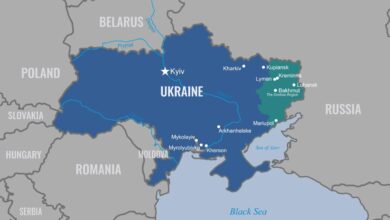
Ukraine US military aid Russia is a critical issue with far-reaching implications. The flow of weaponry and training from the US to Ukraine has become a focal point in the ongoing conflict, raising complex questions about geopolitical strategy, international relations, and the future of global security. This article delves into the historical context, Russia’s perspective, types of aid, and the impact on the conflict itself.
Understanding the evolution of US military assistance to Ukraine, from its historical roots to its current form, is crucial. This analysis examines the specifics of aid packages, evaluating the types of equipment and training provided, and considering the financial implications. Furthermore, we will explore how this aid affects the battlefield, potential outcomes, and the reactions of other countries.
Historical Context of US Military Aid to Ukraine
The United States’ relationship with Ukraine, particularly regarding military aid, has evolved significantly over time. Initially marked by limited engagement, the situation has been dramatically altered by the 2014 Russian annexation of Crimea and the ongoing conflict in eastern Ukraine. This shift has seen a substantial increase in US military assistance, driven by geopolitical concerns and a desire to support Ukraine’s sovereignty and territorial integrity.The US approach to military aid is not simply a response to a current crisis, but is deeply rooted in a historical context, influenced by factors such as the Cold War, the post-Soviet era, and the evolving geopolitical landscape.
Understanding this history is crucial to comprehending the current situation and the potential implications for the future.
Evolution of US-Ukraine Military Relations
The relationship between the US and Ukraine concerning military aid has undergone several distinct phases. Initially, cooperation was limited, primarily focused on non-lethal assistance and training programs. The collapse of the Soviet Union and the emergence of an independent Ukraine presented both opportunities and challenges. This period saw a gradual increase in military cooperation, marked by growing concerns over Russian expansionism in the region.
Factors Influencing US Military Support, Ukraine us military aid russia
Several factors have shaped the US approach to military aid to Ukraine. Geopolitical considerations, including the perceived threat posed by Russian aggression and the importance of maintaining a stable Eastern European region, have played a significant role. Furthermore, the desire to bolster Ukraine’s defense capabilities and support its democratic values have contributed to the increasing level of assistance.
The need to deter further Russian aggression in the region is a key driving force behind the US policy.
Comparison with Military Aid to Other Countries
Comparing US military aid to Ukraine with aid to other countries requires careful consideration of the specific geopolitical context. While assistance is provided to other countries facing security challenges, the unique circumstances surrounding Ukraine, including the ongoing conflict with Russia, often necessitate a different approach. Factors such as the immediate threat posed by a neighboring state and the potential implications for regional stability play a crucial role in the allocation of resources.
Timeline of Significant Military Aid Milestones
- 2014: Following the annexation of Crimea and the escalation of conflict in eastern Ukraine, the US initiated a more substantial approach to military assistance. This included non-lethal aid and training programs to help Ukraine improve its defense capabilities. These early steps were essential to building a foundation for future aid.
- 2015-2021: Continued support for Ukraine through various forms of military assistance. This period saw an increase in the volume and sophistication of training programs, and the introduction of certain types of defensive equipment to aid Ukrainian forces. This period witnessed a steady rise in the US commitment to Ukraine’s defense.
- 2022: The full-scale invasion of Ukraine by Russia prompted an unprecedented level of military aid from the US. This aid package included sophisticated weapons systems and substantial financial support, highlighting the urgent need to bolster Ukraine’s defensive capabilities against Russian aggression.
Russia’s Perspective on US Military Aid
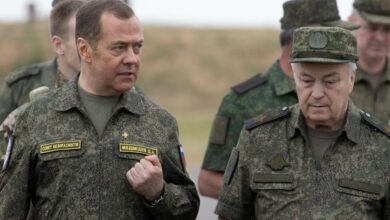
The ongoing US military aid to Ukraine has profoundly impacted the Russian perspective on the conflict. Moscow views this aid not as humanitarian assistance, but as a direct escalation of the conflict, fueling the war and prolonging the suffering. This perspective is heavily interwoven with Russia’s own narrative about the conflict and its perceived security concerns.Russia’s interpretation of the situation is significantly shaped by its own justifications for the invasion, which centers on the protection of Russian-speaking populations and the prevention of NATO expansion.
The ongoing US military aid to Ukraine in the face of Russia’s aggression is a complex issue, and it’s worth considering the broader geopolitical landscape. The tensions between the US and Russia extend far beyond Ukraine, impacting nuclear arms, space exploration, and regional alliances like those in Pakistan and Asia. For example, the intricate web of US-Russia relations, particularly concerning nuclear capabilities and the strategic implications in the Asia-Pacific region, is explored in more depth at this site us russia nuclear space pakistan asia.
Ultimately, these global dynamics heavily influence the ongoing situation in Ukraine and the US’s response to Russia’s actions.
The US military aid is, therefore, seen as a challenge to these claims, bolstering Ukraine’s resistance and undermining Russia’s stated objectives.
Official Statements and Reactions
Russia’s official statements regarding US military aid consistently portray it as a deliberate provocation aimed at prolonging the conflict and escalating tensions. These statements often highlight the perceived threat posed by the aid to Russia’s security interests. For example, Russian officials frequently accuse the US of supplying weapons that are used in attacks against Russian forces, fueling the conflict.
Perceived Implications on the Conflict
From Russia’s viewpoint, the US military aid has significant implications for the course and outcome of the conflict. It is seen as providing Ukraine with the means to resist Russian forces, thereby increasing the intensity and duration of the fighting. This, in turn, leads to higher casualties on both sides and greater destruction of Ukrainian infrastructure. Furthermore, the aid is perceived as directly supporting Ukraine’s efforts to regain territories Russia considers part of its historical sphere of influence.
Arguments and Justifications
Russia’s justifications for its concerns regarding US military aid are rooted in its interpretation of the conflict. They argue that the aid is a violation of international law and an act of aggression. Furthermore, Moscow emphasizes that the aid is not just about supporting Ukraine but also about weakening Russia and undermining its global influence. These arguments are often presented in Russian media outlets as part of a broader narrative that casts the US as a hostile power seeking to contain Russia.
Potential Consequences
Russia anticipates several consequences from the US military aid, both in the short-term and long-term. Short-term consequences include increased fighting, more casualties, and a prolonged conflict. Long-term consequences are perceived as the further erosion of Russia’s international standing and a potentially more unstable geopolitical landscape. The potential for the conflict to spill over into other regions and the emergence of new proxy wars are also significant concerns.
Summary of Themes in Russian Media
Russian media outlets consistently portray the US military aid to Ukraine as a major factor contributing to the conflict’s escalation. The recurring themes in their coverage emphasize the following:
- The aid is viewed as an aggressive act aimed at weakening Russia and prolonging the conflict.
- The US is seen as directly responsible for the suffering and destruction caused by the conflict, due to its perceived support of Ukraine.
- The aid is presented as a violation of international law and a dangerous escalation of tensions.
- The narrative emphasizes the potential for further escalation and instability in the region and beyond.
Types and Amounts of US Military Aid
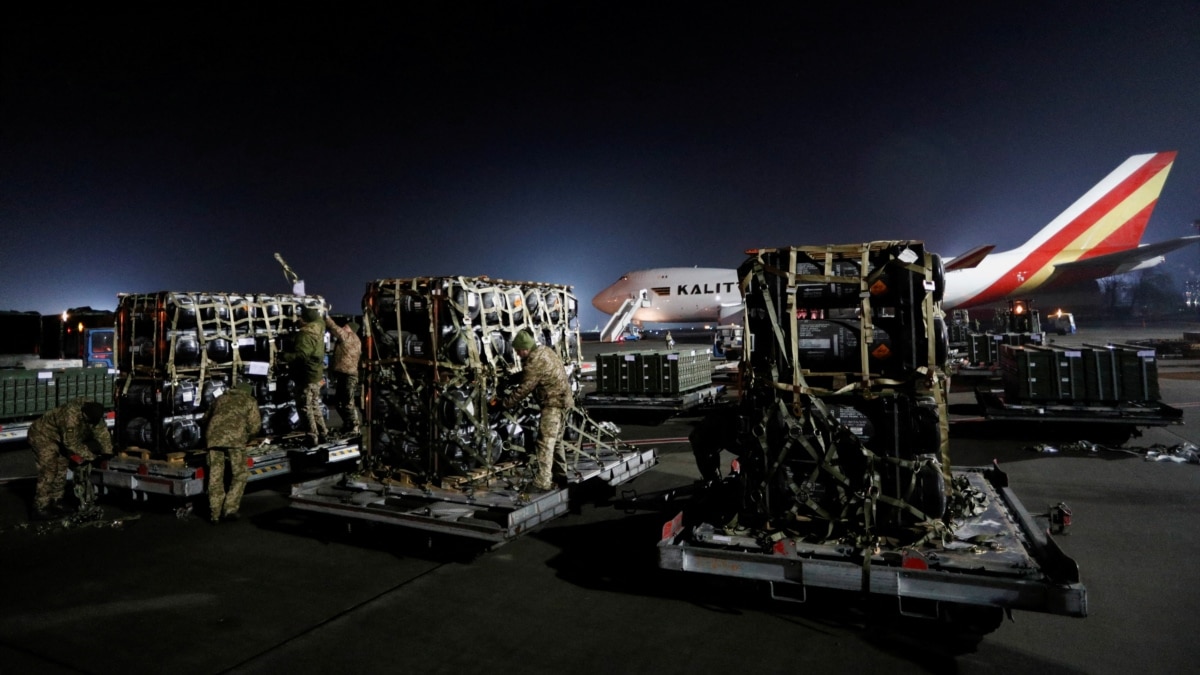
The United States has provided significant military assistance to Ukraine since the beginning of the Russian invasion. This aid has evolved over time, adapting to the changing battlefield dynamics and Ukrainian needs. This support, while controversial in some quarters, has been crucial in Ukraine’s defense efforts.This analysis delves into the specifics of US military aid, outlining the types of equipment and training provided, the financial value of these packages, and how this assistance has adapted to the ongoing conflict.
The ongoing US military aid to Ukraine against Russia’s aggression is a complex issue. It’s important to consider the broader implications of such conflicts, including the need for comprehensive preventative measures. For example, promoting safe sexual practices through resources like condon prevencion vih sida is crucial in combating HIV/AIDS. Ultimately, these considerations are linked back to the need for responsible global action in the face of geopolitical conflicts like the one in Ukraine.
The sheer volume of aid underscores the commitment of the United States to supporting Ukraine’s sovereignty and territorial integrity.
Specific Types of Military Equipment
The US military aid packages have included a diverse range of equipment, tailored to address the evolving needs of the Ukrainian armed forces. This assistance goes beyond mere weaponry; it encompasses critical logistical and training components.
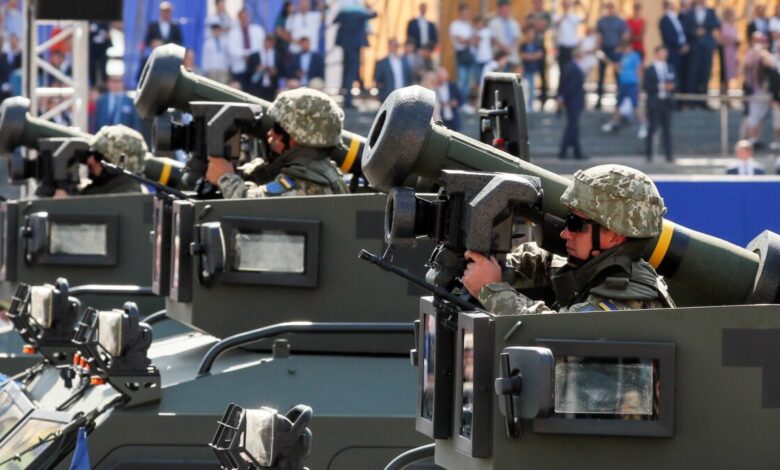
- Air Defense Systems: The US has supplied advanced air defense systems, such as Patriot missiles, to counter Russian air and missile threats. This has proven vital in protecting critical infrastructure and civilian populations.
- Ammunition and Small Arms: A significant portion of the aid has been dedicated to providing ammunition and small arms for Ukrainian forces. This includes rifles, machine guns, and various types of artillery shells, vital for ground combat operations.
- Armored Vehicles: The provision of armored personnel carriers and other armored vehicles enhances Ukraine’s ability to maneuver and protect its troops on the battlefield. This is crucial for sustained offensive and defensive operations.
- Training and Personnel Support: The US has provided training programs for Ukrainian personnel on the operation and maintenance of the supplied equipment. This includes extensive field exercises and simulations.
- Logistics and Maintenance Support: Beyond equipment, US aid also encompasses logistical support, enabling the Ukrainian military to effectively deploy and maintain the provided hardware. This includes spare parts and maintenance personnel.
Financial Value of Aid Packages
The financial value of US military aid to Ukraine is substantial and reflects the scale of the support provided. Quantifying the precise value of training and other non-tangible aspects is challenging, yet the overall cost is significant.
- The value of the aid packages has fluctuated based on the changing needs and demands on the battlefield. Aid is not a static sum; it evolves with the war.
- While precise figures are often not publicly released, the cumulative amounts have been reported as reaching into the billions of dollars. This reflects the substantial financial commitment to Ukraine’s defense efforts.
- The ongoing and escalating conflict necessitates continuous support and resupply, adding to the cost of these aid packages.
Key Components of US Military Assistance Packages
The US military aid packages aren’t simply about supplying equipment; they are designed with a strategic focus on effectiveness and sustainability. The key components often include not only the equipment but also the necessary training, maintenance, and logistics support.
- Equipment Delivery: The aid packages involve the delivery of a variety of weapons, vehicles, and other equipment. This is frequently coordinated with the logistical capabilities of Ukraine.
- Training Programs: Critical to the success of the aid packages is the provision of training programs for Ukrainian personnel to operate and maintain the equipment. This often takes place in Ukraine and other locations.
- Logistics and Support: The support extends beyond the delivery of equipment. This includes training on maintaining the equipment and logistical assistance in transporting and deploying it.
Evolving Nature of the Aid
The nature of US military aid has adapted to the changing landscape of the conflict. As the war progresses, needs shift, and the aid packages are modified to address new battlefield realities.
- The aid has evolved from initial defensive supplies to include more advanced systems and equipment. This reflects the changing nature of the conflict.
- The changing nature of the battlefield has required the US to adapt its aid packages, addressing specific needs as they emerge.
Table of Aid Types, Quantities, and Estimated Values
Note: Estimated values are approximate and subject to change. Exact quantities and values are often not publicly released.
| Aid Type | Quantity (Approximate) | Estimated Value (USD, Approximate) |
|---|---|---|
| Air Defense Systems | Several | Billions |
| Ammunition and Small Arms | Millions of rounds | Hundreds of millions |
| Armored Vehicles | Hundreds | Hundreds of millions |
| Training Programs | Thousands of personnel trained | Difficult to quantify |
| Logistics and Support | Ongoing | Difficult to quantify |
Impact of US Military Aid on the Conflict
The substantial US military aid to Ukraine has profoundly altered the battlefield dynamics. This aid, encompassing a wide range of weaponry and training, has directly impacted Ukraine’s ability to defend itself and counter Russia’s offensive operations. The effectiveness of this aid, however, is a complex issue with both anticipated and unforeseen consequences.The influx of weaponry and training programs has undeniably bolstered Ukraine’s military capabilities.
The aid has allowed Ukraine to adapt its tactics and strategies, potentially turning the tide of the conflict in certain areas. However, the long-term impact on the conflict’s trajectory remains uncertain, intertwined with various factors beyond the scope of this analysis.
Perceived Impact on Ukrainian Military Capabilities
The US military aid has been instrumental in upgrading Ukraine’s armed forces, providing them with advanced weaponry and crucial training. This has enabled Ukraine to maintain a robust defense against Russia’s aggression, and has improved its ability to launch counteroffensives. Specific examples include the provision of anti-aircraft systems and long-range missiles, which have significantly enhanced Ukraine’s defensive posture.
Short-Term Effects on the War’s Trajectory
The short-term effects of the aid are evident in the battlefield successes Ukraine has achieved. The supply of sophisticated weaponry has allowed Ukraine to inflict significant losses on Russian forces, potentially slowing down their advance and changing the momentum of the conflict. Furthermore, the aid has facilitated the training of Ukrainian personnel, improving their skills and readiness to engage in combat.
However, these effects are not uniform across all fronts, and their long-term impact is still unfolding.
The ongoing US military aid to Ukraine in the face of the Russian invasion is a complex issue, and it’s fascinating to see how these global events play out. Thinking about the different perspectives on this conflict reminds me of the drama surrounding ann maddox vanderpump rules , where personal conflicts and public opinions intertwine in interesting ways.
Ultimately, the aid’s impact on the war remains a crucial subject of discussion and debate, impacting global stability.
Possible Outcomes of Military Aid
The outcomes of the military aid are multi-faceted and can be both positive and negative. Positive outcomes include enhanced Ukrainian military capabilities, potentially leading to a more favorable outcome for Ukraine in the long term. Negative outcomes could potentially include escalation of the conflict, prolongation of the war, and unforeseen consequences due to the introduction of new military technology.
Influence on Conflict Duration and Resolution
The aid’s influence on the conflict’s duration and resolution is a complex calculation. The provision of advanced weaponry could shorten the conflict by enabling a swift Ukrainian victory. Conversely, the aid could prolong the conflict if it incentivizes Russia to escalate its actions in response. The final outcome will depend on numerous factors, including the level of continued support, Russia’s response, and the overall geopolitical context.
Potential Military Advantages and Disadvantages Gained by Ukraine
| Potential Military Advantages | Potential Military Disadvantages |
|---|---|
| Enhanced defensive capabilities, improved offensive potential, increased operational flexibility, improved training and experience for Ukrainian forces. | Potential escalation of conflict, potential miscalculation in use of aid, potential overreliance on US aid. |
| Increased ability to counter Russian advances, greater ability to defend critical infrastructure, and potential for counter-offensive operations. | Potential for aid to be misappropriated, potential for the aid to be insufficient for long-term needs, and the possible unintended consequences of the aid. |
International Responses to US Aid
The United States’ substantial military aid to Ukraine has sparked a wide range of reactions from the international community. These responses reflect a complex interplay of geopolitical interests, historical alliances, and varying perspectives on the conflict. Understanding these reactions is crucial for comprehending the evolving dynamics of the war and the broader global response.
Reactions of Key International Players
Diverse responses from nations underscore the multifaceted nature of the global response to the conflict. Some nations openly support the US aid package, while others express reservations or outright opposition. The motivations behind these differing stances are often rooted in national interests, pre-existing alliances, and assessments of the conflict’s implications for regional stability.
Countries Expressing Support
Many countries have voiced support for the US military aid to Ukraine, viewing it as a crucial measure to deter further Russian aggression and bolster Ukraine’s defense capabilities. These nations often share strategic alliances with the US and perceive Russia’s actions as a threat to international security. For example, many NATO members have actively supported the aid package, recognizing the importance of Ukraine’s sovereignty and territorial integrity.
Countries Expressing Opposition or Reservations
Conversely, some nations have expressed opposition or reservations about the US aid, citing concerns about escalating the conflict, triggering wider geopolitical tensions, or potentially destabilizing the region. These concerns often stem from economic interdependence with Russia, a desire to maintain neutral stances, or a perception that the aid is counterproductive to diplomatic solutions. China, for instance, has consistently called for diplomatic resolutions and expressed concerns about the escalation of the conflict.
Reasons Behind Varying Responses
The diverse international responses to US military aid are rooted in a variety of factors. Economic ties, historical alliances, and geopolitical interests all play a significant role. Some countries might favor diplomatic solutions, while others prioritize regional stability or national security. Understanding these motivations is key to analyzing the evolving global dynamics surrounding the conflict.
Stance of Different Countries on US Military Aid
| Country | Stance | Reasoning |
|---|---|---|
| United States | Supportive | Maintaining Ukrainian sovereignty and deterring further Russian aggression. |
| NATO Members (e.g., UK, France, Germany) | Supportive | Shared strategic interests, upholding international norms of sovereignty, and deterring further Russian aggression. |
| China | Opposition/Reservations | Concerns about escalating the conflict, promoting diplomatic solutions, and maintaining its own strategic interests in the region. |
| Russia | Opposition | Views the aid as an act of aggression against Russia and an escalation of the conflict. |
| Neutral Nations (e.g., some in Latin America) | Neutral/Reservations | Seeking to avoid taking sides in the conflict and prioritizing regional stability. |
| Some Middle Eastern Countries | Neutral/Support | Balancing economic and geopolitical interests, while potentially supporting Ukraine based on shared values or opposition to Russia. |
Potential Implications for Global Security
The escalating conflict in Ukraine, fueled by substantial US military aid, presents profound and multifaceted implications for global security. This aid, while intended to bolster Ukraine’s defense against Russian aggression, carries the risk of further destabilizing the region and potentially triggering broader international conflicts. Understanding these implications is crucial for mitigating potential risks and fostering a more secure global environment.
Escalating Risks and Challenges
The ongoing conflict in Ukraine highlights the dangers of escalating military interventions. The influx of advanced weaponry and military training from the US and other nations risks intensifying the conflict, potentially leading to unintended consequences and wider regional instability. The conflict has already seen the involvement of various proxy actors and the deployment of advanced military technologies, raising concerns about the potential for miscalculation and escalation.
The war’s impact on international relations and the global balance of power is evident in the deepening divisions and anxieties among nations.
Long-Term Effects on Global Security
The protracted nature of the conflict in Ukraine is likely to have long-lasting effects on global security. The erosion of trust between nations, the rise of geopolitical tensions, and the diversion of resources from critical development projects will create significant hurdles to achieving global stability. The war’s impact on the global economy, including disruptions to supply chains and rising energy prices, further exacerbates the security concerns.
The conflict is also likely to inspire similar conflicts elsewhere, leading to a dangerous precedent.
Potential Consequences of Similar Conflicts in the Future
The Ukrainian conflict has the potential to serve as a model for future regional conflicts. The willingness of certain nations to provide significant military support could embolden other actors to pursue similar strategies, potentially leading to a proliferation of conflicts. The current crisis also underscores the vulnerability of global stability to geopolitical disputes, underscoring the need for stronger international mechanisms for conflict resolution and prevention.
The ongoing US military aid to Ukraine in the face of the Russian invasion is a complex issue, filled with difficult choices and weighty consequences. It’s easy to get caught up in the numbers and the geopolitical chess match, but it’s important to remember the human cost of war, and how it affects individuals on all sides. Stories like the powerful one shared in “Grief is for people” Grief is for people sloane crosley remind us that beyond the headlines and policy debates, real people are suffering.
Ultimately, this ongoing conflict requires careful consideration of all sides, and a deep understanding of the human impact, not just the strategic one.
Table: Potential Global Consequences of Escalating Military Aid and Conflict
| Potential Consequence | Description | Example |
|---|---|---|
| Increased Geopolitical Tensions | Heightened rivalry and distrust between major powers, leading to a more volatile international environment. | The deepening divide between the US and Russia, affecting international cooperation on various global issues. |
| Proliferation of Conflicts | The Ukrainian conflict could set a precedent, encouraging similar conflicts in other regions, potentially destabilizing entire regions. | The potential for conflicts in the South China Sea or the Middle East due to increased military competition. |
| Weakening of International Institutions | Reduced effectiveness of international organizations like the UN in mediating conflicts and promoting peace, hindering global cooperation. | Difficulties in achieving consensus in the UN Security Council regarding the Ukrainian crisis. |
| Economic Instability | Disruptions to global supply chains, rising energy prices, and diversion of resources from development projects will have significant economic repercussions. | The increase in energy prices affecting the global economy and increasing the cost of living for consumers worldwide. |
| Humanitarian Crisis | Large-scale displacement, loss of life, and destruction of infrastructure will result in widespread humanitarian suffering. | The ongoing refugee crisis in Ukraine and the devastation caused by the war in various regions. |
Comparison with Previous US Military Aid
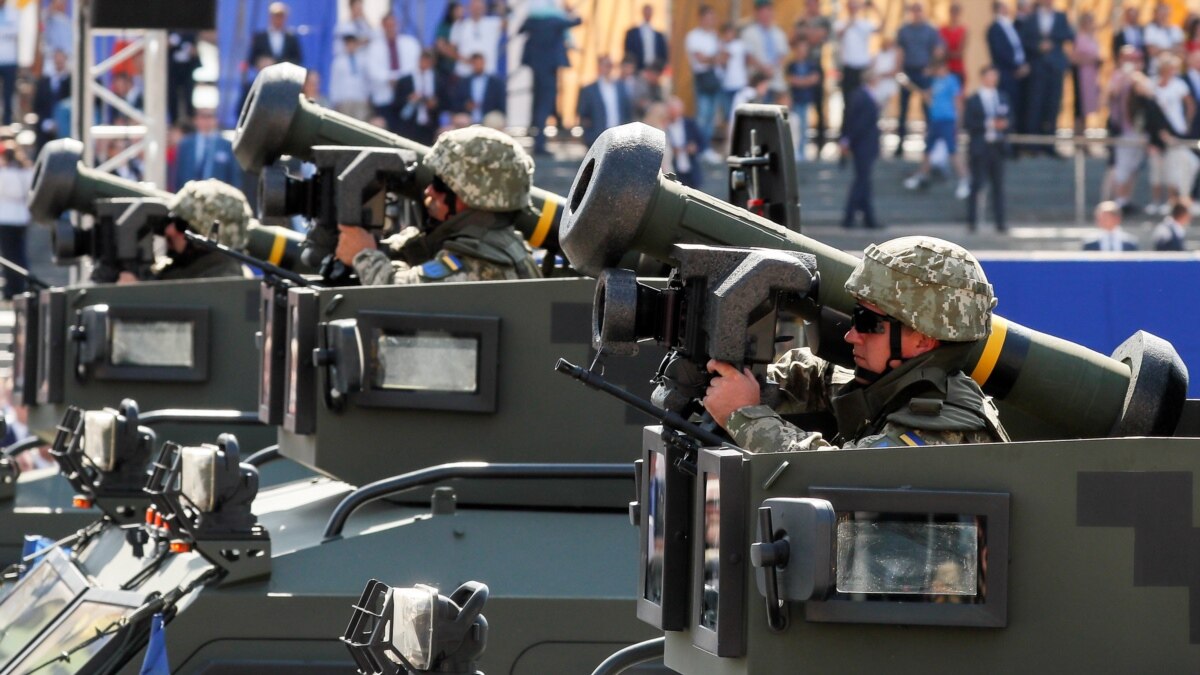
US military aid to Ukraine stands out as a significant and complex undertaking, prompting comparisons with previous aid packages to other countries. Analyzing these precedents offers valuable insights into the motivations, strategies, and potential consequences of this unprecedented level of support. Understanding the nuances of past aid allows for a more informed assessment of the current situation and its potential impact on global security.This comparison reveals similarities and differences in approach and scope, highlighting the unique circumstances surrounding Ukraine’s defense.
Lessons learned from past experiences offer valuable guidance for navigating the complexities of contemporary conflicts and international relations. The rationale behind any adjustments to the approach will be explored, offering a comprehensive perspective on the factors driving US policy decisions.
Comparison Parameters
This section examines the criteria used to compare US military aid to Ukraine with previous aid packages. Key parameters include the geopolitical context, the nature of the recipient’s defense needs, and the broader international response to the aid. The intensity and duration of the conflict also play a critical role in shaping the aid package.
Similarities in Approach and Scope
While each military aid package has unique characteristics, some commonalities emerge. Often, aid packages include a mix of lethal and non-lethal equipment, training programs, and logistical support. The goal of bolstering the recipient’s defense capabilities and deterring aggression is a common thread. The desire to promote regional stability and security is also a recurrent element.
- Emphasis on defense capabilities: Previous aid packages, like those to Afghanistan or Iraq, often focused on bolstering the recipient’s military capacity to defend itself against perceived threats. This is a consistent goal in US military aid initiatives.
- Training and advisory roles: Providing training and advisory support has been a recurring component in previous aid programs. This approach aims to enhance the recipient’s military expertise and operational efficiency. The training programs in these instances often involved building local capacity, developing tactical skills, and establishing a structured military command structure.
- Logistical support: This is essential for sustaining operations in the field. Previous aid packages have included logistical support, such as providing transportation, communications equipment, and maintenance resources, to ensure the effectiveness of military units.
Differences in Approach and Scope
The aid to Ukraine presents distinct differences from previous aid packages. The scale and scope of the current aid are unprecedented, reflecting the intensity and duration of the conflict. The involvement of a larger number of international partners also adds a new dimension to the situation.
- Scale and scope: The scale of aid to Ukraine dwarfs that provided to many previous recipients, reflecting the magnitude of the conflict and the significant need for military support.
- Geopolitical context: The current geopolitical climate, characterized by heightened tensions and a potential for broader conflict, significantly impacts the approach and scope of the aid package. The strategic implications of this support are substantial.
- International collaboration: The involvement of numerous international partners in providing aid to Ukraine introduces a new level of cooperation and coordination, unlike in previous aid packages. This multifaceted collaboration underscores the severity of the situation.
Lessons Learned from Previous Experiences
Analyzing previous military aid experiences offers valuable insights for the current situation. Past successes and failures provide a framework for learning and adaptation. The complexities of international relations and the unintended consequences of military interventions are key considerations.
- Importance of strategic planning: Thorough strategic planning and consideration of the long-term implications of military aid are crucial. The importance of clear objectives, realistic timelines, and measurable outcomes cannot be overstated. The lessons learned from previous interventions emphasize the importance of aligning aid with specific, achievable goals.
- Addressing unintended consequences: Previous aid packages have sometimes had unintended consequences, including the escalation of conflicts or the creation of power vacuums. Understanding and mitigating these risks is paramount in shaping effective aid strategies.
- Building local capacity: A focus on building local capacity and empowering indigenous defense forces is critical for long-term sustainability. Success hinges on the ability to develop indigenous leadership and expertise.
Rationale Behind Changes in Approach
The rationale behind any adjustments to the approach reflects the unique challenges and opportunities presented by the conflict in Ukraine. The evolving geopolitical landscape and the urgent need for support dictate the necessity of adapting strategies.
- Evolving geopolitical landscape: The evolving geopolitical landscape necessitates a nuanced approach to military aid, taking into account the broader strategic implications and potential for regional instability.
- Urgent need for support: The urgency of the situation demands a rapid and effective response to bolster Ukraine’s defense capabilities.
- International collaboration: The necessity for international cooperation necessitates coordination and collaboration among multiple actors to ensure a comprehensive and effective response.
Table Comparing US Military Aid to Ukraine with Previous Aid Packages
| Parameter | Ukraine Aid Package | Previous Aid Package (e.g., Afghanistan) |
|---|---|---|
| Geopolitical Context | High international tension, potential for regional conflict | Regional instability, but less immediate threat |
| Scale of Aid | Unprecedented, significantly larger than previous aid | Variable, but generally smaller in scale |
| Recipient’s Needs | Extensive, encompassing various military equipment and training | Specific needs based on existing military structure |
| International Collaboration | Extensive international participation | Limited international collaboration |
| Duration of Conflict | Ongoing, significant time commitment | Potentially shorter, with varying durations |
Economic Impacts of US Military Aid
The influx of US military aid to Ukraine has profound and multifaceted economic implications for both Ukraine and the United States. This aid, while crucial for Ukraine’s defense, necessitates careful consideration of its economic ramifications, including potential consequences for the Ukrainian economy, long-term economic trajectory, broader conflict effects, and the financial burden on the US government. Understanding these factors is essential to fully grasp the complex interplay between military support and economic stability.
Impact on the Ukrainian Economy
The military aid package provides critical resources, enabling Ukraine to maintain its defense against Russian aggression. However, the transition from a peacetime economy to a war footing has substantial consequences. The aid, while essential, may not fully offset the immense economic damage inflicted by the war. Diversion of resources and labor towards defense, for example, can negatively impact civilian sectors like agriculture and manufacturing.
Potential Consequences for the Ukrainian Economy
The aid has both positive and negative potential consequences. Positive aspects include bolstering Ukraine’s defensive capabilities, preventing further territorial losses, and potentially limiting the long-term economic damage from the conflict. Negative consequences, however, include inflationary pressures from increased demand for certain goods and services, and disruptions in supply chains. The dependence on foreign aid might also hinder Ukraine’s efforts to diversify its economy and pursue long-term sustainable development.
Influence on Ukraine’s Long-Term Economic Trajectory
The long-term economic trajectory of Ukraine is intricately linked to the conflict’s duration and the effectiveness of US military aid. The aid can help stabilize the economy and preserve vital infrastructure, but sustained conflict could lead to long-term economic stagnation. Continued foreign investment and international support will be crucial for rebuilding and fostering sustainable growth.
Broader Economic Effects of the Conflict
The war’s impact extends beyond Ukraine’s borders. Global commodity markets, particularly energy and agricultural markets, have been significantly affected, causing price increases and supply chain disruptions. These broader effects can exacerbate existing economic challenges in other countries.
Financial Burden on the US Government
The financial burden of providing military aid to Ukraine is substantial. The cost of equipment, training, and logistical support represents a significant expenditure for the US government. These costs should be weighed against the geopolitical and strategic benefits. The economic impact on the US will depend on the duration of the conflict and the scale of the aid package.
Public Opinion on US Military Aid: Ukraine Us Military Aid Russia
Public opinion on US military aid to Ukraine is complex and multifaceted, reflecting a range of perspectives and concerns. Differing viewpoints exist not only within the United States but also within Ukraine itself, shaped by various factors including perceived national interests, geopolitical anxieties, and economic realities. Understanding these diverse perspectives is crucial for comprehending the ongoing debate surrounding this significant foreign policy decision.The debate surrounding US military aid to Ukraine isn’t simply about the quantity of aid, but also the strategic rationale behind it.
Public perceptions are influenced by the perceived efficacy of the aid, its long-term implications for global security, and the potential economic costs borne by the US.
Varying Perspectives on US Military Aid
Public opinion in both the US and Ukraine is a mix of support and opposition, influenced by a multitude of interconnected factors. Differing perspectives often stem from differing priorities and interpretations of the conflict. Some view the aid as crucial for Ukraine’s defense and a necessary response to Russian aggression, while others see it as a costly entanglement or a potential escalation of the conflict.
US Public Opinion on Military Aid
The American public’s stance on providing military aid to Ukraine has shown fluctuations over time. Initially, there was significant support, likely driven by empathy for Ukraine and a desire to deter Russian aggression. However, concerns about the financial cost and the potential for a prolonged conflict have led to some softening of support. The ongoing debate involves weighing the humanitarian and geopolitical costs against the strategic benefits.
Public opinion often shifts based on media coverage, perceived effectiveness of the aid, and the broader political climate.
The ongoing debate surrounding US military aid to Ukraine in the face of Russia’s aggression is complex. It’s a significant issue, and figures like Steve Garvey, a prominent figure in California politics, are likely weighing in on the discussions, particularly as they relate to the overall strategic implications. Recent developments, such as the steve garvey california senate news, highlight the diverse perspectives on how this aid should be allocated and managed.
Ultimately, the question of whether this aid is effective in supporting Ukraine remains a crucial point of discussion and debate.
Arguments For and Against US Military Aid
- Arguments in favor of the aid often highlight the necessity of supporting Ukraine’s defense against Russian aggression. Proponents argue that this assistance is essential for deterring further Russian expansionism and maintaining regional stability. They emphasize the moral imperative of helping a nation defend itself against an unprovoked attack. Examples include the preservation of democratic values and the potential consequences of a Russian victory.
- Conversely, arguments against the aid often center on the financial costs and the perceived risks of escalation. Critics raise concerns about the potential for the conflict to escalate into a wider conflict, impacting global security. They emphasize the need to address domestic issues and allocate resources to domestic needs. Concerns about the efficacy of the aid and the potential for misallocation of funds are also often voiced.
Ukrainian Public Opinion on Military Aid
Public opinion in Ukraine is strongly influenced by the direct impact of the conflict. The majority of Ukrainians likely support the aid, viewing it as vital for their nation’s defense and survival. However, there are potential concerns about the types of weapons provided, the speed of delivery, and the perceived long-term consequences. The war’s ongoing nature is a strong factor influencing Ukrainian public opinion.
Factors Influencing Public Support or Opposition
Public opinion on US military aid is shaped by a multitude of factors. These include media coverage, political discourse, personal experiences, and perceived national interests. The level of perceived threat from Russia, the effectiveness of the aid, and the potential for escalation also significantly influence public sentiment.
Changes in Public Opinion Over Time
Public opinion regarding US military aid to Ukraine has demonstrated some shifts over time. Early support was often high, driven by a desire to aid Ukraine’s defense. However, as the conflict has continued and the costs have become more apparent, public opinion has sometimes become more nuanced, characterized by a mixture of support and concern. This ongoing evolution is reflective of the complex dynamics of the conflict.
Concluding Remarks
In conclusion, the US military aid to Ukraine in response to the Russian invasion is a multifaceted issue with significant implications for the conflict’s trajectory and global security. This analysis highlights the complex interplay of historical factors, geopolitical considerations, and economic impacts. Ultimately, the future of the conflict and the stability of the region remain uncertain, but the US’s role in supporting Ukraine is undeniably pivotal.
Clarifying Questions
What are the key types of military equipment provided by the US?
The US has supplied a range of weaponry, including anti-tank missiles, air defense systems, and small arms. Specific details often remain classified for security reasons.
How has Russia reacted to this military aid?
Russia views the aid as an escalation of the conflict and a threat to its security interests, often framing it as a provocation. These reactions are frequently conveyed through official statements and media narratives.
What is the potential long-term impact on global security?
The escalating conflict has raised concerns about the potential for further regional instability and the spread of similar conflicts. The international response and the long-term effects are still unfolding.
What is the financial burden on the US government?
Quantifying the precise financial burden is complex, encompassing not only the cost of equipment but also training, logistics, and potential future commitments.