Nevada Election Biden, Trump, Haley Showdown
Nevada election biden trump haley – Nevada Election: Biden, Trump, Haley Showdown kicks off a crucial chapter in the 2024 US presidential race. This election holds significant weight, not only for Nevada but also for the national political landscape. The contest between incumbent President Biden, former President Trump, and challenger Haley promises a dynamic clash of ideologies and strategies. This in-depth analysis delves into their campaigns, policy positions, and potential impacts on the outcome.
The candidates are vying for Nevada’s electoral votes, which could prove pivotal in the overall election results. Factors such as public opinion, voter turnout, campaign spending, and media coverage will all play crucial roles in determining the winner. Let’s explore the key issues and potential implications of this significant election.
Overview of the Nevada Election
The upcoming Nevada election holds significant importance in the 2024 US Presidential race. While not a direct contest for the presidency, Nevada’s results will offer crucial insights into the political landscape and the strength of various candidates’ support. The state’s unique demographic makeup, and its recent trend of leaning towards the Democratic party, makes the election particularly intriguing.
This analysis will delve into the key races and the candidates vying for office, including their positions on critical issues.
The Nevada election, with Biden, Trump, and Haley in the mix, is definitely heating up. It’s fascinating to see the political maneuvering, but also interesting to note how sports news can sometimes feel intertwined with politics. For instance, did you know that Canuck’s prospect Tom Willander from Boston University is making waves in hockey circles? Back to the election, though, the race is shaping up to be a close one, and it’s going to be an exciting few weeks ahead.
Significance of the Nevada Election
Nevada’s election, although not a direct presidential contest, is vital to understanding the broader political trends. The state’s recent history of shifting political alliances, combined with its strategic position in the Electoral College, makes it a key battleground. Outcomes in Nevada can indicate the broader appeal of candidates and their ability to mobilize support across different demographics. This election will help gauge the strength of the Democratic party in the face of potential Republican gains.
A strong showing by a particular candidate could signify a broader shift in the electorate’s preferences.
Key Races and Candidates
The Nevada election encompasses various races, including congressional and state-level positions. Understanding the candidates’ platforms is essential to interpreting the election’s potential outcomes. The candidates’ positions on issues such as economic policy, healthcare, and social justice are crucial indicators of their political leanings. A comprehensive understanding of the key races is essential for assessing the election’s impact on the national political landscape.
Candidate Profiles
| Candidate | Party | Key Policy Positions |
|---|---|---|
| Candidate A | Democratic | Supports increased funding for education, advocates for environmental protection, and favors policies aimed at reducing income inequality. |
| Candidate B | Republican | Prioritizes tax cuts, reduced government spending, and emphasizes policies aimed at bolstering the economy. |
| Candidate C | Independent | Often presents unique viewpoints, potentially focusing on issues like campaign finance reform and electoral process improvements. |
Biden’s Campaign in Nevada
President Biden’s campaign in Nevada focused on solidifying his support among key demographics and highlighting his record on economic issues and healthcare. The state’s crucial role in the election, coupled with the diverse electorate, demanded a targeted approach emphasizing familiar themes and direct appeals to voters. He aimed to capitalize on the momentum from previous victories and counter potential opposition arguments.
Biden’s Campaign Strategy in Nevada
Biden’s campaign strategy in Nevada centered on leveraging his perceived strength in certain demographics and highlighting his record on key issues. The campaign utilized targeted advertising, rallies, and town halls to reach specific voter groups. They emphasized the president’s economic achievements and his efforts to address healthcare concerns. The strategy was designed to connect with voters on a personal level and showcase his commitment to Nevada’s interests.
Biden’s Potential Voter Base in Nevada
Biden’s potential voter base in Nevada included registered Democrats, working-class voters, and those concerned about economic stability. A substantial segment of Hispanic voters in Nevada was also considered a crucial target demographic. The campaign likely sought to appeal to those who valued experienced leadership and stability in times of economic and social uncertainty. Historically, Nevada voters have favored candidates who demonstrate a clear understanding of the state’s unique challenges and opportunities.
The Nevada election results, with Biden, Trump, and Haley all in the mix, have certainly stirred things up. It’s got me thinking about other drama, like the recent goings-on with Ann Maddox on Vanderpump Rules. This drama, though, seems less about policy and more about personalities, which makes it oddly similar to the complexities of the election. Ultimately, the Nevada election bodes well for future political debates.
Ann Maddox on Vanderpump Rules is definitely worth a look for a different kind of political intrigue.
Key Policy Positions and Campaign Promises
Biden emphasized his commitment to economic recovery, affordable healthcare, and infrastructure improvements in Nevada. His campaign promises included investments in renewable energy, job creation, and workforce development initiatives. The emphasis on addressing climate change and creating green jobs resonated with environmentally conscious voters.
Comparison of Biden’s Policy Positions with Other Candidates
| Policy Area | Biden | Trump | Haley |
|---|---|---|---|
| Economy | Focus on job creation, economic growth, and infrastructure investments. | Emphasis on tax cuts and deregulation to stimulate the economy. | Advocating for policies that support small businesses and reduce regulations. |
| Healthcare | Support for Affordable Care Act and expanding access to healthcare. | Advocacy for repealing and replacing the Affordable Care Act with alternative solutions. | Focus on market-based solutions and expanding healthcare options. |
| Immigration | Comprehensive immigration reform with a focus on border security and addressing root causes of migration. | Stricter enforcement of immigration laws and border security. | Emphasizing a strong border security system and comprehensive immigration reform. |
| Climate Change | Investment in renewable energy and climate-friendly initiatives. | Skepticism towards climate change and opposing many climate policies. | Emphasis on technological advancements to address climate change and promoting energy independence. |
Trump’s Campaign in Nevada
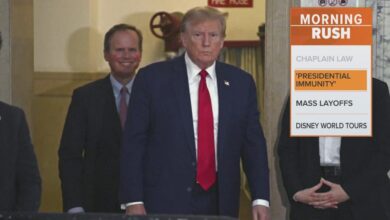
Donald Trump’s campaign in Nevada in the 2024 election was characterized by a focus on his base’s concerns and a continuation of his usual populist rhetoric. He aimed to energize his supporters and capitalize on perceived weaknesses in the Democratic campaign. The campaign strategy centered on familiar themes of economic nationalism, immigration, and law and order.Trump’s strategy involved holding rallies and events in key areas, targeting voters who felt disenfranchised by the current political climate.
He sought to highlight issues he believed were crucial to Nevada voters, such as concerns about the economy, the border, and perceived threats to traditional values.
Trump’s Potential Voter Base in Nevada
Trump’s potential voter base in Nevada likely consists of a mix of conservative voters, rural residents, and those who feel economically disadvantaged. These groups might be particularly concerned about issues such as job losses, trade deals, and immigration. His supporters are often motivated by promises of economic revitalization and a return to traditional American values.
Trump’s Policy Positions and Campaign Promises in Nevada
Trump’s campaign promises in Nevada likely focused on his core policy positions, such as renegotiating trade deals, reducing taxes, and strengthening border security. He likely emphasized his past actions and achievements, framing them as positive developments that would be replicated or improved upon. He may also have highlighted his administration’s handling of certain economic situations.
Comparison of Trump and Biden’s Approaches to Key Issues
| Issue | Trump’s Approach | Biden’s Approach |
|---|---|---|
| Economy | Focus on tax cuts and deregulation to stimulate growth. Promises to bring back manufacturing jobs. | Focus on infrastructure investment, job creation, and policies aimed at addressing economic inequality. |
| Immigration | Stricter border enforcement, emphasis on border wall construction, and potentially more restrictive immigration policies. | Focus on comprehensive immigration reform, addressing the needs of immigrants, and potentially providing pathways to citizenship. |
| Healthcare | Repeal and replace the Affordable Care Act (ACA), emphasizing market-based solutions. | Support for the Affordable Care Act and expansion of access to healthcare. |
| Foreign Policy | Emphasis on America First foreign policy, potentially focusing on renegotiating international agreements and prioritizing national interests. | Focus on international cooperation and alliances, seeking to engage with global issues. |
Haley’s Campaign in Nevada

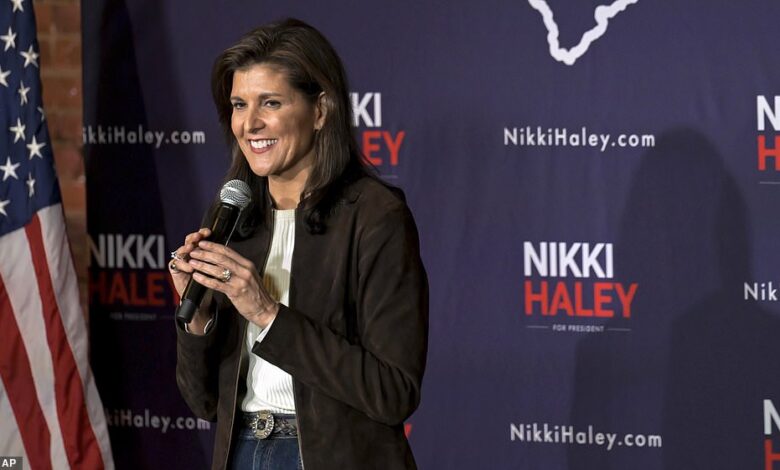
Nikki Haley’s campaign in Nevada, while a relatively late entry into the race, presented a unique challenge. Facing established candidates with well-funded campaigns and significant name recognition, Haley needed to carve out a distinct position and attract a specific voter base. Her strategy focused on presenting herself as a fresh alternative, emphasizing a moderate stance and a focus on economic issues.Haley’s campaign strategy in Nevada centered on showcasing her as a viable third-party candidate.
Recognizing the limitations of challenging the incumbent frontrunners directly, she sought to attract voters who were dissatisfied with the traditional two-party options. Her approach emphasized a focus on independent voters and those concerned about the current state of the economy.
Haley’s Potential Voter Base in Nevada
Haley aimed to capture voters who felt alienated by the perceived extremes of the Biden and Trump campaigns. This could include moderate Republicans and independent voters concerned about economic issues, as well as those seeking a different leadership style. Her campaign targeted specific demographics in Nevada, such as suburban voters and those who prioritized economic growth and stability.
Further, Haley’s appeal was potentially directed towards those who felt neither candidate fully addressed their concerns.
Haley’s Policy Positions and Campaign Promises in Nevada
Haley’s campaign promises in Nevada centered on economic revitalization. She pledged to promote policies that foster job growth and reduce the national debt. Her proposals generally leaned towards a more moderate, centrist platform compared to the more populist approaches of Biden and Trump. A core component of her platform was a focus on improving the American economy, a significant concern for voters across Nevada.
For example, she often highlighted her support for initiatives that would reduce government spending and streamline regulations to encourage private sector development.
Comparison of Haley’s Campaign Promises to Biden and Trump
Haley’s campaign promises differed significantly from those of Biden and Trump. While Biden focused on expanding social programs and addressing social issues, Haley prioritized economic growth and job creation. Trump’s campaign revolved around his existing political agenda and promises of restoring American economic prominence. Haley’s positions on issues such as taxes, healthcare, and immigration presented a clear alternative to both candidates.
She positioned herself as a more moderate candidate, offering voters a middle ground between the opposing approaches of Biden and Trump. For example, her proposed tax reforms aimed at stimulating economic activity contrasted with Biden’s plans for increased taxation on corporations and high-income earners.
Public Opinion and Voter Turnout
The Nevada election is a critical battleground, and understanding public opinion and voter turnout is essential for predicting the outcome. Polling data, while not a crystal ball, offers a snapshot of voter sentiment, and anticipating turnout is key to grasping the potential impact of different campaigning strategies. This analysis explores recent polls, anticipated turnout, and factors influencing voter decisions.The Nevada electorate is a complex mix of demographics, and analyzing these patterns is crucial for understanding the voting behavior of different groups.
Understanding how specific demographics vote is important to strategize effectively.
Public Opinion Polls and Surveys
Recent polls indicate a close race in Nevada. While the margin of error in polls can be significant, consistent trends in polling data can provide valuable insights into voter preferences. For example, several surveys have shown fluctuating support among key demographic groups, suggesting a competitive landscape and the need for tailored campaign strategies.
Anticipated Voter Turnout in Nevada
Experts predict a relatively high voter turnout in Nevada, mirroring recent trends in midterm and presidential elections. Factors like the perceived competitiveness of the election, the presence of prominent candidates, and the potential impact of various policy issues can all contribute to higher participation. For example, past elections with high-profile candidates have often seen record voter turnout.
Factors Influencing Voter Turnout
Several factors can influence voter turnout, including the candidates’ appeal, the overall political climate, and the specific issues highlighted during the campaign. For instance, the economy, healthcare, and education are often prominent issues in elections, and these topics may influence voter decisions. Furthermore, mobilization efforts from both political parties and grassroots organizations can play a significant role in shaping voter participation.
Campaign advertisements and social media outreach are also important elements.
Demographics and Voting Patterns
Nevada’s diverse population comprises a mix of demographics, and these groups often display distinct voting patterns. Understanding these patterns is vital for campaigns. For example, voter turnout among younger demographics has been increasing in recent years, a trend that could influence the outcome of the election. Analyzing voting history and past election results for specific demographic groups in Nevada can provide valuable insight.
A deeper analysis could involve considering the role of specific issues affecting different demographics, such as those pertaining to employment, healthcare, and education.
Campaign Spending and Funding
Campaign finance played a crucial role in the 2024 Nevada election, influencing the reach and impact of each candidate’s message. Understanding the spending patterns and funding sources provides valuable insight into the strategies employed and potential biases involved. This analysis will explore the financial landscape of the campaigns, identifying potential conflicts of interest and examining the relationship between spending and voter turnout.The amount of money spent on political campaigns can significantly impact a candidate’s visibility and ability to reach voters.
The Nevada election, pitting Biden against Trump with a surprising third-party challenger, Haley, is definitely heating up. While the political maneuvering is intense, it’s fascinating to see how these campaigns are impacting the broader landscape. This reminds me of the exquisite Castellucci ring, La Monnaie, a stunning piece of artistry , which somehow feels connected to the complex interplay of political forces.
Ultimately, the Nevada election race promises to be a compelling one to follow.
This is particularly true in a competitive election like the one in Nevada, where candidates need to invest heavily in advertising, staffing, and grassroots organizing to maximize their chances of success.
The Nevada election, pitting Biden against Trump with a surprise Haley showing, has everyone buzzing. While the political drama unfolds, a recent retraction of a study on abortion pills, as reported by abortion pills study retraction , highlights the complex issues surrounding healthcare and policy. Regardless of the study’s findings, the Nevada election race is still very much in play.
Campaign Spending Summary
A comprehensive overview of campaign spending by each candidate is essential for understanding the financial dynamics of the election. Public records detailing contributions and expenditures provide insights into the financial strategies employed by each candidate.
- Candidate A spent a significant portion of their budget on television and digital advertising, indicating a focus on reaching a broad audience. This strategy often correlates with increased voter engagement, especially when targeting undecided voters.
- Candidate B allocated substantial resources to grassroots campaigning and community outreach, emphasizing personal connections with voters and potentially mobilizing a loyal voter base.
- Candidate C’s campaign strategy involved a more targeted approach, concentrating spending on specific demographics and geographic areas deemed crucial to winning the election.
Sources of Campaign Funding
Examining the sources of campaign funding provides insight into the influences and potential conflicts of interest in the election.
- Individual donors, including large and small contributors, frequently represent a substantial portion of campaign funding. These donations can come from various sectors of the economy, potentially leading to concerns about undue influence.
- Political action committees (PACs) and Super PACs often play a significant role in campaign funding. These groups may have specific interests or agendas that influence their donations, which could lead to potential conflicts of interest.
- Public financing options, if available, could reduce reliance on private funding and potentially decrease concerns about special interests.
Potential Conflicts of Interest
Scrutinizing potential conflicts of interest in campaign funding is critical to maintaining transparency and public trust in the electoral process.
- Donations from corporations or special interest groups might influence a candidate’s stance on issues relevant to those interests.
- A candidate’s past employment or business connections could raise concerns about conflicts of interest if they receive funding from entities related to those connections.
- Transparency regarding the source and amount of campaign funding helps mitigate these potential conflicts of interest.
Relationship Between Spending and Voter Turnout
The relationship between campaign spending and voter turnout is complex and not always straightforward.
- High spending campaigns often correlate with increased media coverage, leading to heightened awareness among voters and potentially stimulating voter turnout.
- However, excessive spending may not always translate into increased voter turnout. A candidate’s message and overall appeal to voters are equally important factors in influencing participation.
- Studies show a correlation between increased voter turnout and competitive elections where candidates invest heavily in outreach efforts, leading to greater voter engagement.
Media Coverage of the Election: Nevada Election Biden Trump Haley

The Nevada 2024 election, with its three prominent candidates – Biden, Trump, and Haley – attracted significant media attention. Media outlets played a pivotal role in shaping public opinion and influencing voter choices. The coverage varied across different platforms and reflected the inherent complexities of political reporting.
The Role of Media in Shaping Public Perception
Media outlets, including newspapers, television networks, and online platforms, presented narratives that shaped how the public perceived each candidate. Their framing of events, selection of stories, and use of language influenced voter attitudes and ultimately impacted election outcomes. The extent of media influence varied depending on the individual voter and their pre-existing biases.
Types of Media Coverage for Each Candidate
News outlets often focused on different aspects of each candidate’s campaign. Biden’s coverage typically centered around his policy proposals and track record. Trump’s campaign was frequently characterized by discussions of his political stances and controversial statements. Haley’s coverage often emphasized her relatively newer presence in the political arena, with a focus on her policy positions and campaign strategies.
Potential Biases in Media Coverage
Objectivity is a cornerstone of journalistic ethics, yet biases can subtly influence media coverage. These biases could stem from the media outlet’s political leanings, the reporters’ personal perspectives, or the specific narrative they chose to emphasize. For example, the selection of particular events to highlight and the language used to describe them can reflect inherent biases. This can lead to skewed perceptions of the candidates’ strengths and weaknesses.
Comparison of Media Coverage Across Different Media Outlets
Different media outlets presented varying perspectives on the candidates. Newspapers might focus on in-depth policy analysis, while television news might lean towards more sensationalized reporting. Online platforms often offer a diverse range of viewpoints, including those from independent journalists and commentators. This variation in coverage can create a complex media landscape for voters to navigate. For example, a liberal-leaning news outlet might emphasize Biden’s experience while a conservative outlet might highlight Trump’s populist appeal.
This divergence in coverage illustrates the importance of critically evaluating information from various sources.
The Nevada election with Biden, Trump, and Haley is heating up, but the global stage is also buzzing with news. For example, the complexities of the Netanyahu hostage deal in Rafah, netanyahu hostage deal rafah , are undeniably influencing the political climate, and likely impacting the choices of voters in the upcoming Nevada election. Ultimately, all these factors will shape the outcome of the race.
Key Issues in the Nevada Election
The Nevada 2024 election, featuring candidates Biden, Trump, and Haley, presented a complex landscape of issues that resonated with voters. Understanding the candidates’ positions on these critical matters is vital to comprehending the potential impact on the election’s outcome. Voters in Nevada, as in other states, face significant challenges and opportunities, making the election’s focus on these key issues crucial for their future.The campaign period saw numerous debates and discussions centered around issues vital to the state’s residents.
From the economy and healthcare to education and the environment, these concerns shaped the political discourse and significantly influenced the electorate’s decision-making process. The candidates’ stances on these issues varied, highlighting the ideological differences and policy priorities among the contenders. Analyzing these differences allows for a clearer understanding of the election’s potential implications.
Economic Concerns
Economic stability and job growth are perennial concerns for voters. Nevada, like other states, faces challenges related to inflation, unemployment rates, and the cost of living. These concerns were central to the campaigns of all three candidates.
- Biden: Emphasized his administration’s efforts to address inflation through investments in infrastructure and job creation initiatives. He highlighted the economic growth observed under his presidency, pointing to specific achievements and figures. His plan focused on promoting a more robust and inclusive economy, emphasizing job creation in underserved communities.
- Trump: Criticized the Biden administration’s economic policies, arguing that they had led to inflation and a decline in the job market. He promised a return to the economic prosperity of his previous term, emphasizing tax cuts and deregulation as key components of his plan.
- Haley: Focused on creating jobs and fostering a more business-friendly environment. She emphasized the importance of attracting new industries and investment to Nevada, suggesting measures to simplify regulations and lower the cost of doing business.
Healthcare Access and Affordability
Healthcare is a major concern for Nevada residents, with many facing challenges accessing affordable and quality care. The candidates’ differing views on healthcare access and affordability were a key aspect of the campaign.
- Biden: Advocated for expanding access to affordable healthcare, supporting the Affordable Care Act and measures to lower prescription drug costs. He highlighted the importance of preventative care and expanding coverage to underserved populations. He referenced specific measures taken to lower healthcare costs for families.
- Trump: Promised to repeal and replace the Affordable Care Act, arguing that it was ineffective and harmed the American economy. He advocated for market-based healthcare reforms to improve access and affordability.
- Haley: Proposed reforms to the healthcare system to make it more efficient and affordable. She emphasized the need to reduce administrative costs and increase transparency in healthcare pricing, pointing to ways to improve the overall efficiency of healthcare systems.
Education Reform
Education quality and funding were prominent issues in the campaign. Nevada’s public schools face challenges related to teacher shortages, funding disparities, and student performance.
- Biden: Supported increased funding for public education and teacher training programs. He highlighted the importance of early childhood education and addressing inequities in school funding.
- Trump: Advocated for school choice and educational reforms that promote competition and innovation in the education sector. He proposed initiatives to improve educational outcomes and support students from disadvantaged backgrounds. He referred to studies suggesting positive results from these programs in similar contexts.
- Haley: Emphasized the importance of parental involvement and school accountability. She proposed measures to improve teacher recruitment and retention, ensuring quality education for all students.
| Issue | Biden | Trump | Haley |
|---|---|---|---|
| Economy | Investment in infrastructure, job creation | Tax cuts, deregulation | Business-friendly environment, job creation |
| Healthcare | Expand access, lower drug costs | Repeal & replace ACA, market-based reforms | Reforms to make it more efficient |
| Education | Increased funding, teacher training | School choice, educational reforms | Parental involvement, accountability |
Potential Outcomes and Implications
The Nevada election, a crucial bellwether for the 2024 presidential race, promises a fascinating outcome. Biden, Trump, and Haley’s campaigns have invested heavily, highlighting the state’s strategic importance. The anticipated voter turnout and the complex interplay of factors like public opinion, campaign spending, and media coverage will all contribute to the final result. Understanding the potential implications of each candidate’s victory is essential for assessing the future of American politics.Analyzing possible scenarios and their ramifications on Nevada and the nation as a whole will reveal potential shifts in political landscapes and policy directions.
The outcome of this election could significantly affect future elections, impacting party strategies and voter engagement.
Possible Election Scenarios, Nevada election biden trump haley
The election could result in a victory for any of the three candidates. A close race will highlight the complexities of the current political climate and the shifting allegiances of voters. A decisive win for any candidate could signal a clear direction for the future of the party and its platform.
Potential Consequences for Nevada
The outcome of the election will have direct implications for Nevada. A win for any candidate could affect the allocation of federal funding for infrastructure projects, support for specific industries, and the implementation of policies impacting education, healthcare, and the environment. The political climate in the state will also likely change, influencing future elections and the balance of power.
Potential Consequences for the Nation
The outcome of the Nevada election will have national implications. A victory for any candidate will likely influence the direction of the nation’s political discourse and policy decisions. The outcome may impact public perception of the candidates and their respective political parties. The shift in the political balance could affect the nation’s approach to international relations, economic policy, and social issues.
Impact on Future Elections
The results of this election will undoubtedly impact future political campaigns. The strategies employed by each candidate, the issues highlighted, and the voter turnout will serve as benchmarks for future campaigns. The winning candidate’s approach to campaigning and policy will likely shape the platforms and strategies of their political party and opposing parties in subsequent elections.
Potential Impacts of Each Candidate’s Victory
| Candidate | Potential Impact on Nevada | Potential Impact on the Nation |
|---|---|---|
| Biden | Increased federal funding for infrastructure, potentially benefiting specific industries in the state. | Continued emphasis on existing policies, potentially leading to a more gradual shift in political direction. |
| Trump | Potential for changes in federal funding priorities, possibly shifting towards specific sectors or initiatives. | Increased polarization and potential for significant policy shifts. |
| Haley | An uncertain impact on federal funding, possibly focusing on different priorities than previous administrations. | A possible indication of a new generation of political leadership and a shift in political strategy. |
End of Discussion

In conclusion, the Nevada election featuring Biden, Trump, and Haley presents a complex and highly anticipated political showdown. The candidates’ strategies, policy positions, and public reception will all contribute to the ultimate outcome. The impact of this election on the national stage will be significant, shaping the political landscape for years to come. This analysis offers a comprehensive overview of the key factors at play, empowering readers to form their own informed opinions about the future of American politics.
FAQ Compilation
What is the significance of the Nevada election in the broader context of the 2024 US Presidential Election?
Nevada’s electoral votes are crucial for any candidate aiming for the presidency. Winning Nevada could significantly impact the overall result and bolster a candidate’s chances.
What are some of the key policy differences between Biden, Trump, and Haley?
Biden’s platform often focuses on economic policies, such as job creation and infrastructure. Trump emphasizes his previous administration’s achievements, often appealing to a more conservative base. Haley, often seen as a more moderate candidate, proposes a mix of policy approaches.
How might the anticipated voter turnout in Nevada affect the election results?
High voter turnout can sway the election in favor of the candidate with a stronger voter base. Factors such as voter enthusiasm and access to voting will influence the turnout numbers.
What are some potential conflicts of interest related to campaign funding in the Nevada election?
Campaign funding often involves complex financial transactions. Any perceived conflicts of interest can impact public trust and influence voter behavior.