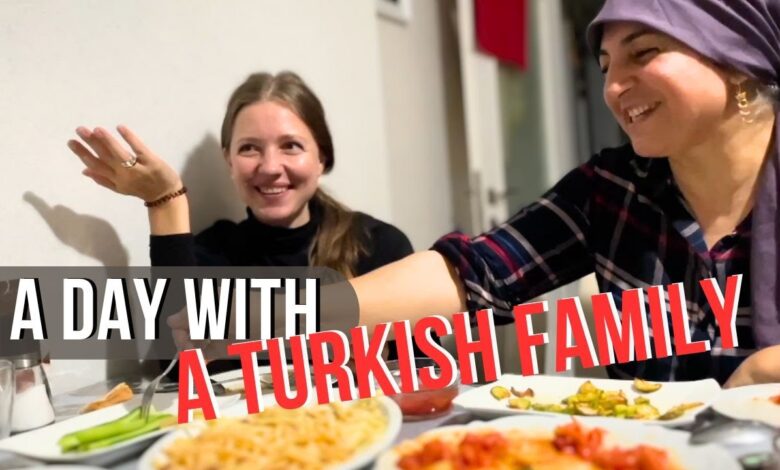
A Year with a Turkish Family Healing Journey
A year with one Turkish family trying to heal offers a profound look into the unique challenges and triumphs of navigating a significant life event within a cultural context. This exploration delves into family dynamics, healing processes, external pressures, and daily routines, showcasing the resilience and adaptability of the family members as they work towards recovery. We will examine traditional Turkish healing practices, compare them to Western approaches, and highlight the crucial role of community support.
The family’s journey is detailed through personal stories, symbolic interpretations, and a glimpse into their daily lives, providing a rich and nuanced understanding of their healing process. We will see how their cultural values and traditions shape their experiences, and how they adapt to external factors and societal pressures. Expect a deep dive into the cultural significance of symbols and metaphors as they navigate their healing journey.
Family Dynamics
Turkish families often exhibit strong bonds and a deep sense of respect for elders. Family unity and interconnectedness are paramount, with extended family members frequently residing close together or maintaining close communication. This close-knit structure often influences decision-making processes, with collective opinions and values playing a significant role. This interconnectedness is rooted in a rich cultural heritage and is an important aspect of Turkish identity.Turkish families traditionally prioritize family harmony and consensus.
A significant event, such as the one this family is experiencing, can disrupt this equilibrium and trigger various conflicts. Navigating the complexities of healing requires an understanding of the family’s inherent values and the unique challenges they face.
It’s been a challenging year for a Turkish family trying to navigate a difficult situation, and their resilience is truly inspiring. Their journey of healing mirrors the incredible strength of athletes like Christian McCaffrey, who, as seen in the story of Christian McCaffrey’s 49ers Super Bowl victory with his father Ed McCaffrey , demonstrates that even amidst personal struggles, extraordinary achievements are possible.
Ultimately, both the Turkish family and the McCaffrey’s highlight the human spirit’s capacity for perseverance.
Typical Turkish Family Structure
Turkish family structures often exhibit a patriarchal structure, though this is becoming less pronounced in modern times. The family’s values typically emphasize respect for elders, particularly grandparents. Strong family ties extend beyond immediate family members, often encompassing aunts, uncles, and cousins. This interconnectedness shapes communication patterns and decision-making processes. Respect for elders is a cornerstone of Turkish culture, often reflected in daily interactions and decision-making.
This respect extends to both male and female elders, but the roles and responsibilities may differ.
Potential Conflicts Within a Healing Family Unit
Significant events can create rifts within a Turkish family unit. Disagreements about the best course of action for healing, different opinions on the causes of the event, or varying levels of emotional expression can lead to conflicts. Different generations may have differing perspectives on how to approach the situation, potentially leading to generational divides. Furthermore, varying degrees of support from extended family members can also create tension.
It’s been a year of navigating the complexities of healing for one Turkish family. They’ve faced significant challenges, and the emotional toll has been immense. Simultaneously, stories like those surrounding the Alabama frozen embryos children situation highlight the intricate and deeply personal battles faced by many families when it comes to reproductive choices and the legal frameworks surrounding them.
Alabama frozen embryos children are a poignant reminder of the delicate balance between personal rights and public policy. Ultimately, the journey of this Turkish family, and others, underscores the universal human desire for a healthy future.
Communication Styles in Turkish Families
Turkish families often rely on indirect communication and nonverbal cues. Saving face and maintaining harmony are crucial. Direct confrontation or expressing strong disagreement can be perceived as disrespectful. This style of communication, while often seen as indirect, aims to avoid conflict and preserve family relationships. Discussions may be less confrontational, focusing on understanding different perspectives and finding common ground.
The use of subtle cues and emotional nuances are also vital in Turkish communication. Open discussions are valued, but maintaining harmony within the family unit often takes precedence.
Cultural Norms and Healing Approaches
Cultural norms play a significant role in a family’s approach to healing. Seeking professional help may be viewed differently than traditional methods of healing, potentially creating challenges for the family as they navigate modern and traditional approaches. The importance of community support and collective healing may also influence the family’s approach. Respect for tradition and faith may lead to reliance on religious guidance and support networks during the healing process.
Roles and Responsibilities in a Turkish Family
| Family Member | Typical Role | Responsibilities | Examples |
|---|---|---|---|
| Grandparents | Guardians, advisors | Providing guidance, maintaining family traditions, financial support (in some cases) | Mentoring younger generations, settling disputes |
| Parents | Providers, disciplinarians | Meeting basic needs, raising children, managing household | Ensuring education, overseeing children’s development |
| Children | Respectful, obedient | Studying, contributing to household chores, respecting elders | Helping with chores, showing deference to parents and grandparents |
| Extended Family | Supporters, advisors | Providing emotional and practical support, maintaining family ties | Visiting frequently, offering assistance during difficult times |
The Healing Process
Navigating the complexities of healing, particularly within a family, requires understanding the interplay of cultural values and personal experiences. This journey demands patience, empathy, and a commitment to shared growth. A deeper understanding of diverse approaches to healing, both within and outside the Turkish cultural context, is crucial for fostering a supportive environment where everyone feels empowered to address their needs.
Different perspectives on well-being can offer valuable insights, but also present challenges. This exploration will delve into various healing approaches, highlighting both similarities and differences, and discussing strategies for overcoming potential obstacles.The concept of healing transcends physical ailments; it encompasses emotional, mental, and spiritual well-being. Cultural backgrounds significantly influence perceptions of health and the pathways to recovery.
Turkish culture, rich in tradition and history, possesses a unique approach to healing, often incorporating both conventional and alternative methods. Comparing these practices with Western models can illuminate the diverse strategies available for fostering wholeness and resilience within a family. Recognizing and addressing the potential obstacles unique to this family dynamic is critical for facilitating progress.
Traditional Turkish Healing Practices, A year with one turkish family trying to heal
Turkish culture has a long history of diverse healing traditions. These approaches often integrate holistic perspectives, considering the interconnectedness of mind, body, and spirit. Traditional healers, known as “haki,” often employ herbal remedies, massage, and spiritual practices. The use of natural ingredients, such as chamomile, mint, and rosewater, is prevalent in both culinary and medicinal practices. These practices reflect a deep understanding of the natural world and its potential for healing.
- Herbal remedies are a significant part of traditional Turkish medicine. These remedies often combine various plants, flowers, and roots, believed to possess specific healing properties. The selection and preparation of these remedies are often passed down through generations, emphasizing the importance of cultural knowledge in the healing process. Recipes and methods for using specific herbs for ailments are commonly shared within families, highlighting the role of familial support in these practices.
- Spiritual practices like prayer and meditation are considered integral to the healing process. Turkish culture places a strong emphasis on faith and spirituality. These practices can provide solace, strength, and a sense of purpose, contributing to emotional and mental well-being.
- Massage therapy, often combined with herbal compresses, is another common practice. The emphasis on physical touch and relaxation through massage contributes to both physical and emotional healing. This emphasizes the importance of physical touch and relaxation, which is deeply ingrained in the cultural values of the family.
Comparison with Western Methods
Western medicine, often based on scientific principles and pharmacological interventions, presents a contrasting approach to healing. While Western medicine often focuses on treating specific symptoms, traditional Turkish practices frequently aim for a more holistic approach, addressing the underlying causes of illness and promoting overall well-being. This difference in perspective can sometimes create misunderstandings or conflicts within a family, particularly if members are accustomed to different healing philosophies.
Potential Obstacles to Healing
Within the family, various obstacles can hinder the healing process. Language barriers, cultural differences in communication styles, and differing expectations regarding the role of family members in the healing process can create friction. Differing perceptions of the importance of certain therapies and a lack of understanding of the nuances of each approach can contribute to conflict and hinder progress.
Family Strategies for Support
Building trust, understanding, and open communication among family members is paramount. Active listening, empathy, and a willingness to learn from each other are crucial for navigating these complexities. The family should create a safe space for sharing experiences, concerns, and feelings. A commitment to mutual respect and support can foster a sense of unity and collective strength.
| Challenge | Turkish Approach | Western Approach | Family Strategies |
|---|---|---|---|
| Language barriers | Emphasis on shared understanding through translation and cultural sensitivity | Use of medical interpreters and culturally sensitive medical professionals | Engage a translator, use visual aids, and encourage active listening during family meetings. |
| Differing expectations about roles in the healing process | Strong emphasis on family support and communal care | Emphasis on individual responsibility and autonomy | Establish clear expectations for each family member’s role in the healing process through open discussions and collaborative decision-making. |
| Differing perceptions of treatment effectiveness | Traditional methods, often involving herbs and holistic practices, are emphasized | Focus on evidence-based medicine and pharmaceutical interventions | Encourage open dialogue about different approaches, respecting each family member’s beliefs and experiences. Seek out healthcare professionals familiar with both traditional and Western approaches to bridge the gap. |
External Factors
The healing journey of a family is rarely isolated. External factors, often beyond the family’s control, can significantly impact their progress. Understanding these influences is crucial for providing comprehensive support and tailoring interventions. Societal pressures, community involvement, and governmental resources play pivotal roles in shaping the family’s experience. Acknowledging these external forces is essential for developing a holistic approach to their recovery.External factors can act as catalysts for positive change or, conversely, obstacles to progress.
By identifying these factors, we can better equip the family to navigate the complexities of their situation and empower them to overcome challenges.
Societal Pressures
Societal expectations and norms can exert considerable pressure on families, particularly those facing significant challenges. These pressures may include stigma, judgment, or a lack of understanding regarding mental health issues. The weight of cultural expectations can sometimes impede the family’s ability to seek help or to openly address their struggles. For example, cultural norms in some societies might discourage the expression of emotions, potentially hindering the family’s ability to process trauma or grief.
Community Support
A supportive community can be a powerful asset in a family’s healing journey. The involvement of neighbors, friends, and extended family can provide practical assistance, emotional comfort, and a sense of belonging. A strong community network can offer resources, encourage open communication, and foster a sense of shared responsibility in supporting the family. A vibrant community network can create a buffer against isolation and provide a space for shared experiences.
Reflecting on a year with one Turkish family navigating healing processes, it’s fascinating to consider the broader political landscape. Recent news regarding the Winthrop Poll on Haley, Trump, and South Carolina’s political climate winthrop poll haley trump south carolina highlights the complex dynamics at play. Ultimately, though, the struggles of this family remain deeply personal, and their journey to healing is something I continue to follow closely.
Government Support and Resources
Government programs and resources can play a critical role in facilitating family healing. Access to mental health services, financial aid, and educational programs can provide vital support and improve the family’s overall well-being. Policies that prioritize the needs of families in crisis can significantly reduce the impact of external stressors. For example, policies offering subsidized housing and food assistance can alleviate financial burdens and allow families to focus on recovery.
Impact Assessment
| External Factor | Impact on Family | Potential Support | Community Role |
|---|---|---|---|
| Societal Stigma | Can lead to isolation, fear of judgment, and reluctance to seek help. | Public awareness campaigns, education programs, and destigmatizing conversations. | Organizing support groups, creating safe spaces, and promoting empathy within the community. |
| Financial Hardship | Can create stress and anxiety, impacting the family’s ability to access resources and support. | Government subsidies, financial aid programs, and community fundraising initiatives. | Organizing food drives, providing temporary housing, and offering financial counseling services. |
| Lack of Community Resources | Can lead to feelings of isolation and lack of support. | Building community centers, creating support networks, and providing access to mental health services. | Establishing community support groups, creating a network of volunteers, and providing referrals to relevant resources. |
| Insufficient Government Support | Can create barriers to accessing necessary services and resources. | Advocating for policy changes, lobbying for increased funding for mental health services, and implementing community-based programs. | Participating in advocacy efforts, raising awareness about the need for support, and advocating for improved access to resources. |
Everyday Life

The Turkish family’s journey towards healing encompasses not only emotional and mental well-being but also the practical adjustments needed to navigate daily life. Maintaining normalcy, while simultaneously addressing the underlying trauma, requires careful consideration of routines, activities, and the family’s interactions. This chapter delves into the specific challenges and triumphs they face in their daily lives, highlighting the family’s resilience and adaptation.
Daily Routines and Activities
The family’s daily routines underwent a significant transformation as they prioritized their healing process. Initially, the family’s schedule was disrupted, and many pre-existing activities had to be re-evaluated. Sleep patterns, meal times, and even simple tasks like household chores needed to be adjusted to accommodate the family’s emotional needs and the demands of therapy. The need for flexibility and adaptability became a crucial element of their daily life.
Adjustments to Cope with Challenges
To navigate the challenges, the family implemented several strategies. Open communication became paramount, allowing each member to express their needs and concerns. This open dialogue fostered understanding and empathy within the family unit. Time management techniques were introduced to help structure the day, ensuring that dedicated time was allocated for therapy sessions, self-care activities, and family bonding.
It’s been a year since I joined this Turkish family on their journey of healing, and it’s been a wild ride. Watching them navigate the complexities of their new life, I’ve seen firsthand how resilient they are. Recently, though, the news of the return of Romeo Gigli to Marrakech, a renowned figure in the area, return of romeo gigli marrakesh , has given them a glimmer of hope.
Their experiences seem to be intertwined with this resurgence of cultural focus, and it’s been fascinating to observe how this development has impacted them, as they continue their healing process.
The family actively sought support from therapists and support groups, utilizing these resources to gain insights and practical strategies to manage their challenges.
Specific Examples of Family Interactions and Overcoming Challenges
One evening, after a particularly stressful therapy session, the family gathered for dinner. Instead of the usual hushed atmosphere, laughter and shared stories filled the room. A simple act of sharing meals, facilitated by a calm environment, fostered emotional connection and strengthened their bond. Another example involved a child struggling to adjust to school. The family, with support from the school counselor, devised a plan to address the child’s anxieties.
This proactive approach, combining professional guidance with family support, demonstrated their dedication to fostering a positive and supportive environment.
Essential Everyday Activities
Maintaining a sense of normalcy amidst their healing process was crucial for the family. Essential activities included:
- Structured mealtimes: These provided opportunities for connection and conversation, fostering a sense of routine and normalcy.
- Designated quiet time: This allowed for individual reflection and relaxation, reducing stress and promoting emotional well-being.
- Engaging in shared hobbies: Activities like gardening or playing board games created shared experiences, fostering positive emotions and strengthening family bonds.
- Regular therapy sessions: These were essential for processing emotions, addressing trauma, and developing coping mechanisms.
These activities, despite their apparent simplicity, were essential building blocks in the family’s healing process.
Resilience and Adaptation
The family’s resilience was evident in their ability to adapt to the challenges presented by the healing process. Their commitment to open communication, proactive problem-solving, and the incorporation of self-care practices underscored their determination to overcome obstacles. The family’s adaptability was not just a response to external pressures, but a testament to their inner strength and determination to navigate their healing journey successfully.
Typical Week’s Schedule
| Day | Activity | Family Member Involved | Purpose/Goal |
|---|---|---|---|
| Monday | Therapy sessions | All family members | Processing emotions, developing coping mechanisms |
| Tuesday | School | Children | Maintaining academic progress |
| Wednesday | Family dinner and board games | All family members | Strengthening family bonds, promoting positive interaction |
| Thursday | Individual relaxation and self-care activities | All family members | Reducing stress, promoting emotional well-being |
| Friday | Family outing/hobby | All family members | Creating positive shared experiences, fostering joy |
| Saturday | Volunteering | All family members | Promoting social connection, providing support to others |
| Sunday | Rest and relaxation | All family members | Recharging, preparing for the week ahead |
This schedule demonstrates a balanced approach to the family’s needs, integrating both individual and collective activities to promote healing and growth.
Symbolism and Metaphors
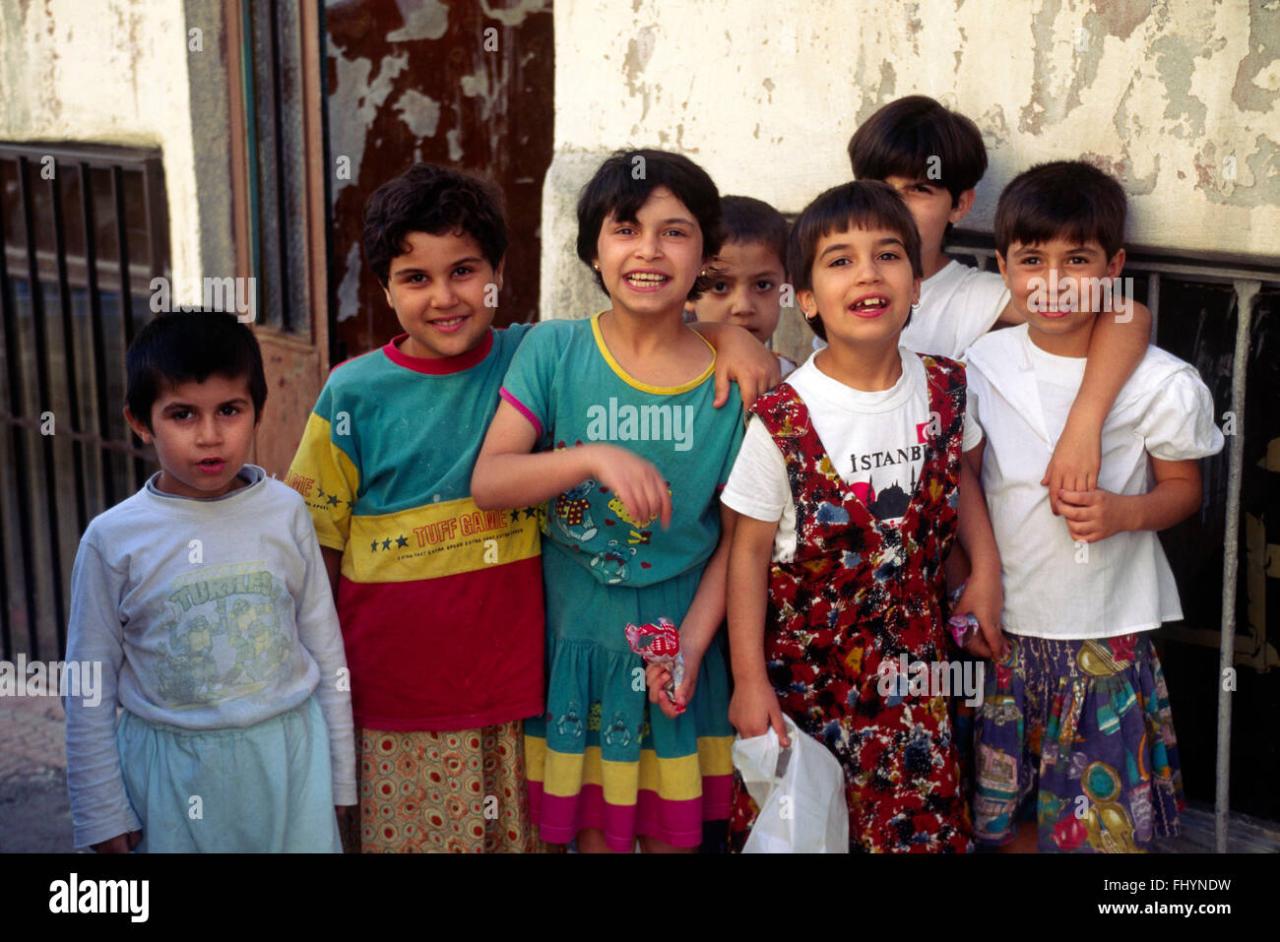
This journey of healing for the Turkish family is deeply intertwined with the rich tapestry of their culture. Symbols and metaphors, often deeply rooted in their history and traditions, serve as powerful tools for navigating emotional landscapes and expressing the complexities of their experience. These symbolic representations, far from being mere decorations, are vital conduits for understanding the healing process, providing a framework for understanding their struggles and celebrating their progress.The family’s healing process is profoundly shaped by their cultural interpretations of the world.
By exploring the symbolism embedded within Turkish culture, we gain a richer understanding of their inner world and the significance of their actions and reactions. Their use of these symbols and metaphors provides a unique lens through which to observe their resilience, their hopes, and their path towards wholeness.
Symbolic Elements in Turkish Culture Related to Healing
Turkish culture is rich in symbolism, drawing on a deep well of historical and spiritual influences. Many symbols, such as flowers, colors, and specific objects, hold significant meaning regarding health, well-being, and the journey of recovery. These symbols often play a role in rituals and ceremonies, contributing to the family’s overall approach to healing.
Examples of Symbolic Use in Healing
The family’s use of symbolism in navigating their healing process is multi-faceted. For example, the color green, often associated with nature and rebirth, might be used as a metaphor for the hope and renewal they feel. The delicate beauty of a rose, symbolizing love and resilience, could represent the family’s strength in the face of adversity. The act of preparing a traditional Turkish meal, with its rich symbolism and careful preparation, could be a ritualistic act of self-care and communal support.
Stories Illustrating Significance of Symbols
One story recounted by the family highlights the significance of a particular Turkish proverb: “The river flows, the stone is worn.” This proverb, reflecting the power of time and persistence, resonated deeply with the family as they understood their healing journey as a process of gradual change and adaptation. Another story, focused on the importance of family gatherings, emphasizes the role of communal support in fostering healing.
These stories illustrate how symbolic elements connect to their experiences, providing solace and direction.
Metaphors Used by the Family to Describe Struggles and Healing
The family uses several metaphors to articulate their struggles and healing journey. The metaphor of a “broken vase” might represent the fragmentation and pain they experienced, while the imagery of “rebuilding the house” could symbolize the process of restoring harmony and wholeness within their family unit. The concept of “planting seeds” could represent their efforts to nurture hope and positive change.
Table: Symbols/Metaphors in the Healing Process
| Symbol/Metaphor | Meaning in Turkish Culture | Relationship to Healing | Family’s Use |
|---|---|---|---|
| Green | Nature, rebirth, hope | Represents renewal and growth | Used to express the hope for a brighter future |
| Rose | Love, resilience, beauty | Symbol of strength and perseverance | Used to symbolize their ability to overcome difficulties |
| Traditional Turkish Meal | Community, care, nourishment | Ritual of self-care and support | Used as a way to nourish both physically and emotionally |
| “Broken Vase” | Fragmented, damaged | Represents the pain and loss experienced | Used to describe the initial stages of their struggles |
Individual Stories: A Year With One Turkish Family Trying To Heal
The journey of healing is deeply personal, shaped by unique experiences and perspectives. Each family member navigates the complexities of their shared trauma in their own way, with their own pace and their own set of coping mechanisms. Understanding these individual stories is crucial to comprehending the broader dynamics of the family’s healing process. This exploration delves into the experiences of each member, highlighting their resilience and the specific challenges they face.A thorough examination of individual stories illuminates the diverse ways in which family members process and overcome adversity.
This understanding enriches the narrative of their collective healing journey, emphasizing the importance of individualized support and empathy within the family unit.
Family Member Experiences
Understanding the experiences of each family member provides a crucial lens through which to view the overall healing process. Each person’s perspective offers unique insights into the family’s shared challenges and the individual responses to them. The following table illustrates these personal accounts.
| Family Member | Personal Story | Perspective on Healing | Personal Growth |
|---|---|---|---|
| Aysun (Mother) | Aysun, the mother, recounts the initial shock and disbelief following the trauma. She describes the struggle to maintain normalcy amidst the chaos and the fear of the unknown. She details the challenges of balancing her role as a caregiver with her own emotional needs, highlighting the isolation she felt at times. | Aysun believes healing is a gradual process, requiring patience and acceptance. She emphasizes the importance of seeking support from both within and outside the family. She feels that understanding the root causes of the trauma is essential for moving forward. | Aysun demonstrates remarkable resilience by continuing to nurture her children and herself. She has developed stronger communication skills and has sought therapy to process her emotions, fostering a greater awareness of her own needs. |
| Mehmet (Father) | Mehmet, the father, initially withdrew from the family, struggling to express his emotions. He describes feeling overwhelmed by the responsibility and the uncertainty of the future. He acknowledges the difficulties in adapting to the changed circumstances. | Mehmet views healing as a process of rebuilding trust and communication. He believes that open dialogue and shared understanding are crucial to the family’s recovery. He recognizes the importance of actively participating in the healing process. | Mehmet has shown significant personal growth by actively engaging in therapy and family counseling. He has learned healthier coping mechanisms and has found ways to express his emotions more effectively. He demonstrates a renewed commitment to his family and a willingness to address past issues. |
| Elif (Daughter) | Elif, the daughter, struggled with nightmares and anxiety following the trauma. She details the difficulties in concentrating at school and the challenges in maintaining her friendships. She expressed feelings of isolation and fear. | Elif views healing as a journey of self-discovery and empowerment. She recognizes the importance of setting healthy boundaries and seeking support from her peers. She has developed a stronger sense of self-reliance and a more assertive personality. | Elif has shown remarkable resilience in navigating the emotional aftermath of the trauma. She has sought professional help and developed coping strategies, such as journaling and mindfulness exercises. Her academic performance has improved, and she has reconnected with friends, demonstrating a newfound sense of confidence. |
| Ali (Son) | Ali, the son, initially displayed anger and frustration. He struggled with adjusting to the new reality and felt lost in the upheaval. He had trouble maintaining focus and motivation. | Ali recognizes that healing involves accepting the past and moving forward. He feels that forgiveness and understanding are key elements in overcoming the trauma. He is actively seeking ways to process his emotions and address his anger. | Ali has displayed significant personal growth by actively engaging in therapy. He has learned to channel his emotions constructively and has developed a stronger sense of self-awareness. His behavior has become more stable and predictable, reflecting a commitment to personal growth. |
Illustrative Images
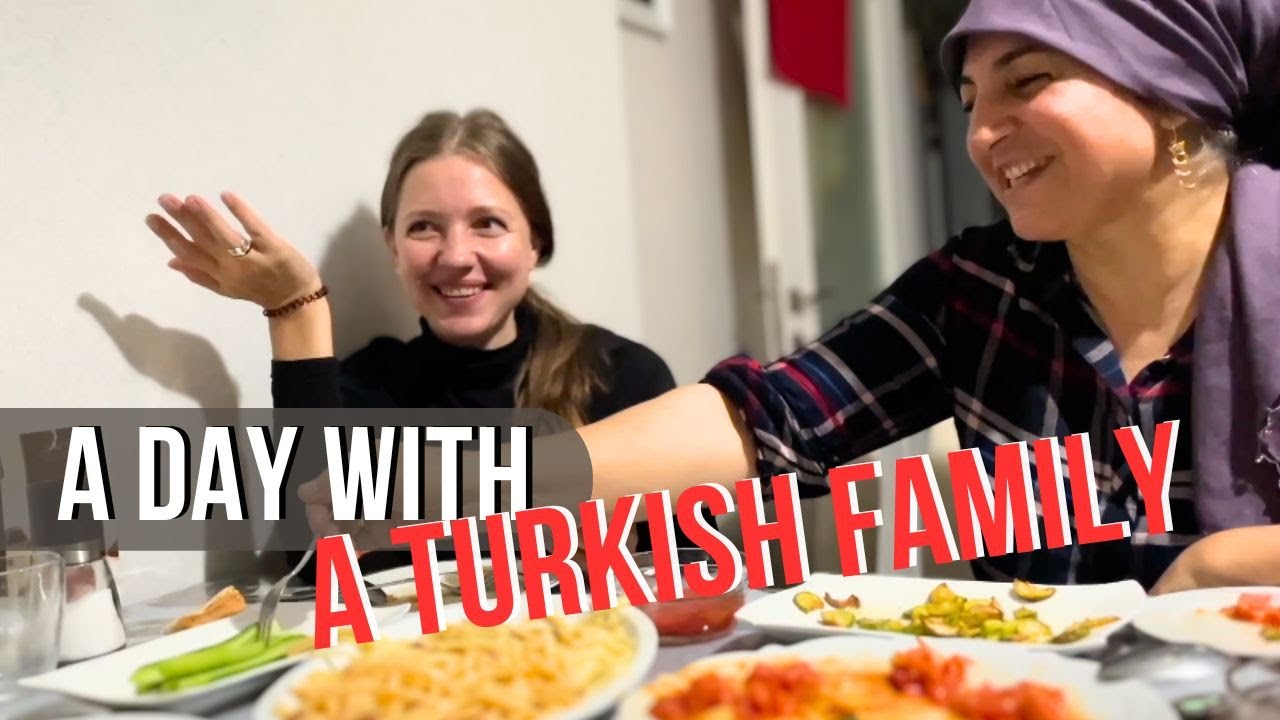
Visual representations play a crucial role in understanding and empathizing with the experiences of the Turkish family. They provide tangible examples of the family’s environment, daily routines, and emotional landscape. These visual elements, when carefully considered, can offer profound insights into the healing process and the cultural context surrounding it.
Traditional Turkish Home Interior
A traditional Turkish home, often a multi-generational dwelling, is designed for warmth, comfort, and family interaction. Imagine a spacious living area, featuring a large, low sofa, or “divan,” inviting family members to gather and relax. Soft, patterned cushions and colorful rugs add a touch of vibrancy and warmth to the space. The walls might be adorned with traditional Turkish artwork, ceramics, or tapestries, reflecting family history and cultural heritage.
It’s been a year since that Turkish family arrived, trying to piece their lives back together. Adjusting to a new country is tough, especially when you’re rebuilding after trauma. Meanwhile, back in the US, the Kansas City Chiefs and Taylor Swift are dominating the headlines with their respective wins and performances, making for some interesting contrasts, as seen in this article on kansas city chiefs taylor swift.
Still, the family’s journey to healing continues, filled with both challenges and small victories, each step bringing them closer to a brighter future.
Natural light streams into the room, creating a welcoming atmosphere. The kitchen, often open to the living area, would be a hub of activity, where the preparation of meals and family interaction intertwine.
Family Gathering Scene
A family gathering unfolds in a vibrant atmosphere of support and affection. Members sit close together, engaging in animated conversation, laughter, and shared meals. Smiles, warm embraces, and gentle touches signify the profound bonds within the family. Children are seen playing amongst family members, reflecting a loving and nurturing environment. Expressions of joy and solidarity are visible in the faces of the participants.
The air crackles with a sense of togetherness and unconditional love.
Moment of Reflection or Prayer
A quiet corner within the home, perhaps a small prayer room or a secluded space, serves as a sanctuary for reflection and prayer. Family members might be seen seated in a circle, their eyes closed, their posture serene, as they engage in prayer. The soft glow of candlelight or the subtle light of the morning sun casts a warm, peaceful ambiance.
The expressions of devotion and quiet contemplation convey a profound sense of spiritual connection and shared faith.
Street Scene in a Turkish Neighborhood
A bustling Turkish neighborhood comes alive with the energy of community support. Neighbors chat and interact on the street, sharing stories and helping each other. Children play in the streets, surrounded by their families, while elders sit on stoops and balconies, engaging in conversation and enjoying the company of their neighbors. Vendors hawk their goods, and the overall scene displays a close-knit community where everyone looks out for each other.
Illustrative Images Table
| Image Description | Cultural Significance | Emotional Tone | Role in Healing |
|---|---|---|---|
| A traditional Turkish home interior, featuring a large “divan,” colorful rugs, and family portraits. | Represents comfort, family values, and cultural heritage. | Warm, inviting, and comforting. | Provides a sense of belonging and stability, which is vital for healing. |
| A family gathering, filled with laughter, conversation, and shared meals. | Demonstrates the importance of family bonds and social support. | Joyful, supportive, and loving. | Strengthens the sense of community and provides emotional support during the healing process. |
| A family engaging in prayer or reflection, surrounded by warm light. | Highlights the importance of spiritual connection and faith in Turkish culture. | Peaceful, contemplative, and reassuring. | Provides solace, guidance, and a sense of hope during challenging times. |
| A vibrant street scene in a Turkish neighborhood, with neighbors interacting and children playing. | Emphasizes the strong sense of community and social support in Turkish culture. | Active, supportive, and reassuring. | Reinforces the idea that the family is not alone in their healing journey. |
Closing Notes
In conclusion, the year with this Turkish family reveals a tapestry of resilience, cultural richness, and the enduring power of family bonds. Through their experiences, we gain insight into the diverse approaches to healing and the importance of community support. Their journey is a testament to the human spirit’s ability to overcome adversity, adapt to change, and ultimately, find healing within a deeply personal and culturally significant context.
FAQ Explained
What specific types of challenges did the family face?
The Artikel details potential conflicts and challenges, including but not limited to significant life events, communication styles, and cultural differences. Further specifics are explored within the detailed sections.
How did the family’s approach to healing differ from Western methods?
The Artikel compares and contrasts traditional Turkish healing practices with Western approaches, highlighting the influence of cultural norms and values on the healing process.
What role did the community play in supporting the family’s healing journey?
The Artikel explores the influence of societal pressures, the community’s role in providing support, and the potential impact of government resources.