
FAFSA Delay College Access Crisis
FAFSA delay college access poses a significant hurdle for many aspiring students. The timely submission of the Free Application for Federal Student Aid (FAFSA) is crucial for securing financial aid, impacting everything from enrollment deadlines to the very possibility of attending college. This often leads to a cascade of financial stress and anxiety for students, and the repercussions ripple through the entire educational landscape.
This article explores the multifaceted impact of FAFSA delays on students, institutions, and the broader educational system. We’ll delve into the reasons behind these delays, examine the resulting challenges, and ultimately, suggest solutions to mitigate the negative consequences and ensure equitable access to higher education for all.
Impact on Students
A delayed FAFSA application can significantly disrupt a student’s path to higher education, creating hurdles in accessing financial aid and impacting their overall college experience. The process of applying for financial aid, often a complex and time-sensitive one, becomes even more challenging when faced with unforeseen delays.The timely submission of the Free Application for Federal Student Aid (FAFSA) is crucial for students seeking financial aid.
A delay can lead to missed deadlines for aid programs, potentially resulting in lost opportunities for scholarships, grants, and loans. This can create a substantial financial burden on students and their families.
Financial Hardship Caused by Delay
FAFSA delays can lead to financial hardship for students, as timely access to financial aid is crucial for covering educational expenses. Students may face difficulty affording tuition, fees, books, and living expenses if their aid applications are not processed promptly. This can force students to take on additional debt or limit their ability to participate fully in college life.
For instance, a delay might mean a student cannot afford textbooks, impacting their ability to succeed in their courses.
Impact on Enrollment Timelines
A delayed FAFSA can significantly affect a student’s enrollment timeline. If financial aid is not received on time, students may face difficulty meeting tuition deadlines or securing housing arrangements. This delay can lead to postponements in enrollment or, in some cases, to withdrawal from college altogether. A student whose aid is approved later might be unable to secure on-campus housing or register for courses in a timely manner.
Impact on Mental Health and Stress Levels
The stress and anxiety associated with FAFSA delays can negatively impact students’ mental well-being. Uncertainty about financial aid can cause significant stress and anxiety, particularly for students who rely heavily on financial assistance. The pressure of meeting deadlines and the potential for financial instability can take a toll on a student’s mental health. For instance, a student might experience increased stress and anxiety as they struggle to balance the financial burden of college with the demands of their studies.
A delayed FAFSA can really throw a wrench in college plans, and it’s not just about financial aid. It’s a real struggle, especially when you’re balancing the stress of college applications with the worry of deadlines. This kind of delay directly impacts a student’s ability to secure admission, and, in some cases, it can even lead to the student missing the opportunity to attend their desired school.
Recent headlines about the tragic Disney World allergy death lawsuit here highlight the critical importance of thorough planning and preparation, which is something students need to consider. Ultimately, timely FAFSA completion is crucial for smooth college access, regardless of other unfortunate events.
Effects on Securing Necessary Financial Aid
FAFSA delays can impede students’ ability to secure necessary financial aid. Deadlines for various financial aid programs are often tightly regulated. A delay in submitting the FAFSA can mean missing out on crucial aid opportunities. Students might also encounter complications with the aid application process if the application is submitted after deadlines.
Comparison of Timely vs. Delayed FAFSA Submission
| Factor | Timely Submission | Delayed Submission |
|---|---|---|
| Enrollment Timeline | Students can enroll in courses and secure housing on time. | Students might face difficulty enrolling or securing housing, potentially leading to delays or withdrawals. |
| Financial Aid Access | Students have access to aid packages in time for covering expenses. | Students may not receive financial aid in time, creating financial stress and potentially impacting their ability to continue their studies. |
| Student Stress Levels | Students experience lower levels of stress related to finances, allowing them to focus on academics. | Students experience increased stress and anxiety due to the uncertainty of financial aid availability. |
Root Causes of Delays: Fafsa Delay College Access

The Free Application for Federal Student Aid (FAFSA) process, while crucial for student financial aid, is often plagued by delays. Understanding the root causes behind these delays is essential for streamlining the application process and ensuring students receive timely aid. These delays can significantly impact a student’s ability to enroll in college, potentially leading to missed deadlines and financial hardship.These delays are not always a simple matter of inefficiency; they often stem from a complex interplay of administrative, technological, and procedural factors.
Analyzing these factors is crucial to developing solutions that prevent future disruptions to the FAFSA application process.
Common Reasons for FAFSA Processing Delays
FAFSA processing delays frequently stem from various sources. Incomplete or inaccurate information provided by the applicant is a significant contributor. Errors in data entry, missing documents, or discrepancies between reported information and supporting evidence can halt the processing of the application. Furthermore, the volume of applications processed each year, particularly during peak application seasons, can overwhelm the processing capacity of the relevant agencies.
Administrative Processes in FAFSA Processing
The FAFSA process involves a series of intricate administrative steps. These steps include data verification, validation of submitted information against existing records, and confirmation of eligibility requirements. Each step requires meticulous attention to detail to ensure accuracy and prevent errors. Potential bottlenecks in these administrative processes can cause delays.
Systemic Issues Contributing to Delays
Systemic issues within the administrative framework can also hinder the FAFSA process. Inadequate staffing levels at processing centers can lead to backlogs. Limited resources allocated for processing applications can exacerbate delays. Additionally, outdated or poorly maintained systems may struggle to handle the volume of applications, further contributing to processing times.
A FAFSA delay can really throw a wrench into college plans, making it tough for students to afford tuition. The current geopolitical climate, with escalating tensions between global powers like the US and Russia, and their nuclear capabilities, as well as the involvement of Pakistan and other countries in the region us russia nuclear space pakistan asia , adds another layer of complexity.
This can further complicate the already challenging financial landscape for those trying to navigate college access. Ultimately, the FAFSA process needs to be streamlined to help students succeed.
Technological Factors in FAFSA Processing Delays
Technological factors can also play a significant role in FAFSA processing delays. Technical glitches or system malfunctions can disrupt the processing of applications. Furthermore, compatibility issues between different software programs or data systems can cause delays. Finally, inadequate or outdated technology can hinder efficient processing.
Procedural Issues Contributing to FAFSA Delays
Procedural issues in the FAFSA process can lead to substantial delays. Missing or incomplete documentation required for verification can create a significant hurdle. Inefficient communication channels between applicants, financial aid offices, and other relevant parties can lead to misunderstandings and prolong the process. Inadequate training for staff involved in processing applications can also lead to errors and delays.
Steps in FAFSA Processing and Potential Delay Points
| Step | Description | Potential Delay Points |
|---|---|---|
| Application Submission | Student submits the FAFSA application. | Incomplete or inaccurate information, missing documents. |
| Data Verification | The application data is verified against existing records. | Discrepancies in information, verification errors. |
| Eligibility Determination | The student’s eligibility for financial aid is determined. | Missing or incorrect documentation, complex eligibility criteria. |
| Award Determination | Financial aid awards are calculated and disbursed. | System errors, processing backlogs. |
| Award Notification | The student receives notification of their financial aid award. | Communication errors, system malfunctions. |
Impact on Institutions
FAFSA delays have a significant ripple effect on colleges and universities, impacting their budgets, enrollment projections, and overall financial stability. These delays can lead to unforeseen challenges in managing resources and attracting prospective students, ultimately affecting the quality of education and student experience. Understanding these impacts is crucial for institutions to develop effective strategies to support students navigating these complexities.
Budgetary Implications, Fafsa delay college access
FAFSA delays create uncertainty in institutional budgeting. Colleges rely on accurate and timely financial aid data to project their income and expenses. When aid disbursement is delayed, institutions lose critical information for financial planning, potentially affecting their ability to allocate resources effectively. This uncertainty can lead to budget shortfalls, particularly if the delay affects a substantial portion of the student body.
For example, if a significant number of students experience FAFSA delays, the institution might not receive the expected amount of federal and state aid, impacting the overall budget.
Enrollment Impacts
FAFSA delays can negatively impact enrollment figures. Prospective students often use financial aid estimations from the FAFSA to determine their ability to afford college. If the FAFSA process is delayed, students might delay their enrollment decisions, potentially choosing institutions that offer quicker and more predictable financial aid processes. This can lead to a decrease in enrollment numbers, which directly affects the institution’s revenue and ability to maintain its financial stability.
The FAFSA delays are really frustrating for students trying to access college. It’s impacting so many, making the whole process a real headache. Meanwhile, the NFL’s contract negotiations with star players like Andy Reid of the Chiefs are also creating headlines, as evidenced by the recent news about andy reid chiefs contract negotiations. Ultimately, these kinds of delays, whether in sports or education, highlight the complexities of modern systems and the need for smoother processes, which ultimately impacts college access for many students.
Reduced enrollment can also lead to a loss of state funding, as funding often correlates with the number of enrolled students.
Financial Planning Challenges
The unpredictability of FAFSA delays makes it difficult for colleges to accurately forecast their financial needs. Institutions need to anticipate the flow of funds from various sources, including student tuition, financial aid, and state appropriations. Delays in FAFSA processing create an uncertainty in the expected revenue, forcing institutions to make critical decisions with incomplete data. For instance, colleges may have to adjust their staffing levels or academic programs based on projected enrollment and financial aid, creating a ripple effect throughout the institution.
Supporting Students with Delays
Colleges must proactively support students facing FAFSA delays. Creating a dedicated support system for students experiencing these difficulties is essential. Providing clear communication channels, readily available resources, and personalized assistance can alleviate the stress and anxiety associated with the delay. This proactive approach can foster a positive student experience, contributing to higher student retention rates.
Resources for Students
Colleges should offer a range of resources to help students experiencing FAFSA delays. This includes providing clear and concise information about the FAFSA process, connecting students with financial aid advisors, offering alternative financial aid options, and outlining the appeal process for FAFSA issues. Providing clear and accessible information will allow students to understand their options and address their specific needs.
Examples include dedicated websites, FAQs, and readily available counselors.
Cost Implications for Colleges
| Category | Impact |
|---|---|
| Budget | Reduced predictability, potential for shortfall, adjustments in resource allocation. |
| Enrollment | Potential decrease in enrollment, reduced revenue, loss of state funding. |
Solutions and Mitigation Strategies
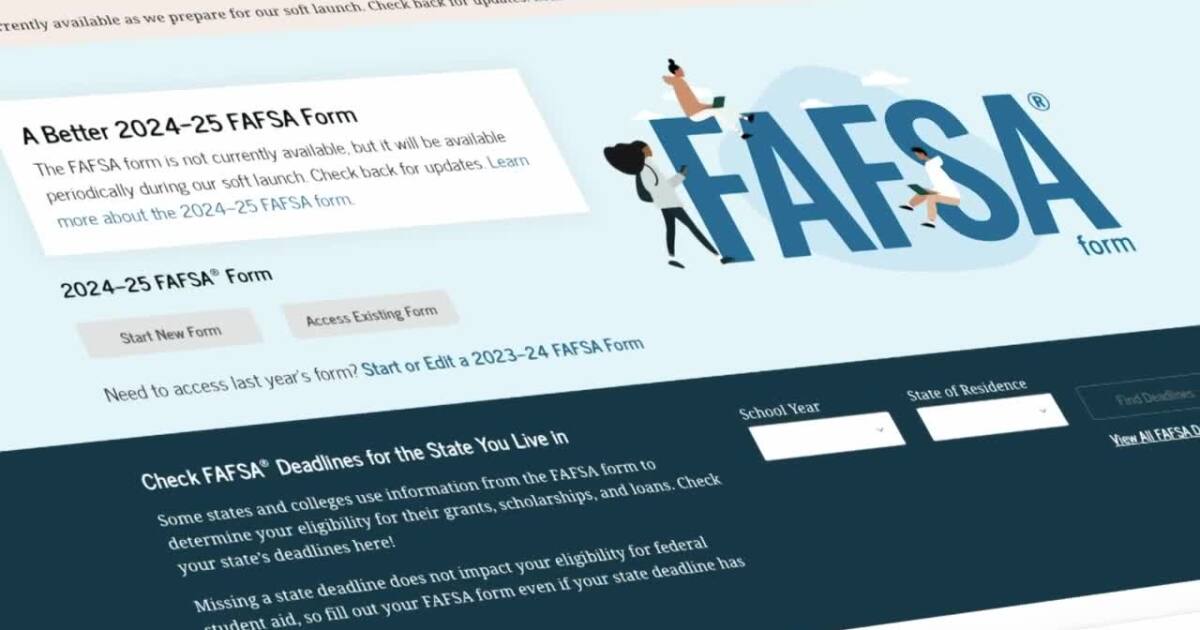
FAFSA delays can create significant hurdles for students, impacting their ability to access higher education. Understanding the root causes and potential solutions is crucial to mitigating these effects. Effective strategies must address the current issues and streamline the application process to ensure a positive experience for all students.Addressing FAFSA delays requires a multifaceted approach, combining technological improvements, administrative enhancements, and increased student support.
By proactively tackling these issues, institutions and government agencies can ensure students have the resources and information necessary to navigate the process successfully.
A delayed FAFSA can really complicate college access for students. It’s a huge hurdle to overcome, and the political climate can definitely play a role in how quickly these issues are resolved. For example, the recent Winthrop poll on Haley and Trump in South Carolina, winthrop poll haley trump south carolina , might influence future policy decisions that impact funding and support for higher education, and in turn, affect the timely processing of FAFSA applications.
This all adds extra stress to students already navigating the complexities of college applications and financial aid.
Potential Solutions to Address FAFSA Processing Delays
Various solutions can expedite the FAFSA processing time. These include enhancing the FAFSA application’s user interface for clarity and reducing complex forms, improving the accuracy and efficiency of data entry by students and by the processing systems. Implementing automated data verification and validation systems to catch errors and reduce manual intervention will significantly improve processing time.
- Streamlining the Application Process: Simplifying the FAFSA application form and improving its online accessibility are key. Clearer instructions, better formatting, and interactive tutorials can reduce errors and confusion, leading to faster processing. Interactive elements that guide students through the process, highlighting potential pitfalls, can dramatically improve completion rates. Using a more user-friendly platform is important, as are interactive elements that prevent errors.
- Improving Data Accuracy and Validation: Implementing robust data validation checks throughout the FAFSA process will reduce errors and prevent delays. Real-time validation can flag issues early, allowing students to correct them immediately. Integration of external data sources, like tax records, can further enhance the accuracy of FAFSA data, leading to faster processing and reducing manual checks.
- Increased Staff and Resource Allocation: Sufficient staff and resources are crucial for processing FAFSA applications promptly. Prioritizing FAFSA processing, particularly during peak application periods, will minimize backlogs and ensure timely processing. Utilizing technology for automation where possible will also reduce processing times.
Strategies to Minimize the Negative Effects of FAFSA Delays
Delaying access to financial aid can have significant impacts on students’ ability to attend college. Implementing mitigation strategies to minimize these effects is crucial. These strategies include early application guidance, accessible support systems, and alternative funding options.
- Early Application Guidance: Providing students with comprehensive information about the FAFSA process and deadlines will encourage early applications. Schools and community organizations can organize workshops and online resources to guide students through the application process. Early application awareness programs will allow students to apply in advance and prepare for potential delays.
- Accessible Support Systems: Creating easily accessible support channels for students experiencing FAFSA delays is crucial. Dedicated staff or online resources should be available to provide guidance and assistance. A dedicated FAFSA help desk or chatbot to answer frequently asked questions and provide personalized support will significantly improve the student experience.
- Alternative Funding Options: Exploring and promoting alternative funding options can alleviate the financial burden on students facing FAFSA delays. This might include scholarships, grants, and student loans. Clear communication about these options and their application processes will allow students to consider other aid opportunities while awaiting FAFSA approval.
Steps to Improve the FAFSA Application Process
Implementing these steps can significantly improve the FAFSA application process for students. Clear communication, comprehensive support, and technology integration are crucial components of a successful strategy.
- Clear Communication: Students should receive clear and concise information about the FAFSA application process, deadlines, and potential issues. Clear and accessible communication channels are vital for effective support and addressing concerns promptly.
- Comprehensive Support: Schools and government agencies should provide comprehensive support to students during the FAFSA application process. This includes personalized guidance, online resources, and dedicated support staff.
- Technology Integration: Integrating technology into the FAFSA application process can improve efficiency and accuracy. This could include automated data validation, online chat support, and mobile-friendly applications.
Comparison of Different Approaches to Handling FAFSA Delays
Different approaches to handling FAFSA delays have varying levels of effectiveness. A comprehensive approach combining technology, improved communication, and support systems is more likely to result in positive outcomes.
Role of Government Agencies in Addressing FAFSA Delays
Government agencies play a crucial role in streamlining the FAFSA application process. Increased funding, improved infrastructure, and clear policies will help ensure timely processing and reduce delays.
Procedure for Handling FAFSA Delays
 Procedure for Handling FAFSA Delays:
Step 1:  Contact the FAFSA processing center to verify the status of the application and determine the cause of the delay.
Step 2:  Gather all supporting documentation requested by the processing center and submit it promptly.
Step 3:  If the delay is due to missing information, provide the required documents as quickly as possible.
Step 4:  If the delay is due to a technical issue, follow the instructions from the FAFSA processing center.
Step 5:  Keep detailed records of all communication and interactions with the FAFSA processing center.A fafsa delay can really throw a wrench into college access plans.  It's frustrating when financial aid applications are delayed, making it harder to navigate the complex process.  Fortunately, organizations like the  Davine Joy Randolph Awards  are stepping up to help bridge the gap.  These awards provide crucial support for students facing financial hurdles, making college more attainable.
 Ultimately, a streamlined and timely fafsa process is essential for ensuring everyone has the opportunity to pursue higher education.
Illustrative Case Studies
FAFSA delays can have a devastating impact on students’ access to higher education. These delays often disrupt carefully planned financial strategies, creating unforeseen hurdles and potentially jeopardizing a student’s ability to pursue their academic goals. Understanding real-world examples of these impacts, both positive and negative, is crucial to developing effective mitigation strategies. This section will delve into specific case studies, showcasing the varying experiences and outcomes.
A Student’s Struggles with FAFSA Delays
Sarah, a high-achieving senior in high school, meticulously planned her college journey. She secured acceptance to a prestigious university, but a significant FAFSA delay threw her plans into disarray. The delay occurred during the critical period when financial aid packages were being finalized. As a result, she missed the deadline for submitting her financial aid application. Consequently, she had to scramble to secure alternative funding sources, which were far less favorable.
This forced her to consider less expensive options or to take on excessive debt.
Impact on College Access: A Detailed Example
FAFSA delays directly impacted Sarah’s ability to access the financial aid she needed. The delay prevented her from receiving the full financial aid package she was eligible for. This resulted in a considerable shortfall in her funding, forcing her to consider less desirable colleges or potentially defer her enrollment altogether. The added stress of navigating the complex financial aid system further complicated an already stressful transition into adulthood.
The uncertainty created by the delay significantly hampered her ability to focus on academics.
Mitigation of FAFSA Delays: A Success Story
Fortunately, not all experiences with FAFSA delays are negative. David, another high school senior, faced a similar situation. However, he was proactive in addressing the delay. He immediately contacted the FAFSA support team and the financial aid office at his intended university. He was informed of the reasons for the delay and provided a clear timeline for resolution.
By diligently working with both entities, David successfully resolved the issue well in advance of the deadline. This proactive approach allowed him to continue with his application process without significant disruption.
University Response to FAFSA Delays: A Fictional Example
“University of Excellence” implemented a system for proactively monitoring FAFSA submissions. Their dedicated support team identified potential delays early on, enabling them to contact students and provide personalized support. They created an online portal where students could track their FAFSA status and receive timely updates. This proactive approach allowed the university to mitigate potential issues and ensure students received timely financial aid notifications.
Early Intervention to Prevent FAFSA Issues
Early intervention is crucial in preventing issues arising from FAFSA delays. High schools can play a vital role by incorporating FAFSA preparation into their senior year curriculum. Workshops and seminars can equip students with the knowledge and resources to complete the application correctly and avoid common errors. This proactive approach would enable students to complete the FAFSA application as early as possible.
It also allows for timely corrections or clarifications to be made.
A Student’s Journey Navigating FAFSA Delays and Solutions
Emily, a first-generation college student, experienced a significant FAFSA delay. Initially, she felt overwhelmed and discouraged, worried about her ability to attend college. She reached out to her high school guidance counselor, who connected her with a financial aid advisor at her intended college. The advisor guided her through the troubleshooting process, explaining the cause of the delay and suggesting alternative solutions.
Through persistent effort and communication, Emily successfully resolved the issue, enabling her to receive the financial aid she needed to pursue her higher education.
Last Word
In conclusion, FAFSA delays create a complex web of challenges for students, colleges, and the entire educational ecosystem. Addressing these delays requires a multifaceted approach, encompassing improvements in administrative processes, technological support, and proactive measures to guide students through the application process. Ultimately, ensuring timely and accurate FAFSA processing is essential to fostering equitable access to higher education for all.
Questions Often Asked
How long does the FAFSA process typically take?
The FAFSA processing time varies, but it typically takes a few weeks to a couple of months. However, delays can occur due to various factors.
What are some common reasons for FAFSA delays?
Common reasons include incomplete or inaccurate information, technical issues with the application, and administrative processing bottlenecks within the financial aid office.
What resources are available to students experiencing FAFSA delays?
Colleges and universities often have dedicated financial aid offices with staff to assist students in navigating the FAFSA process and address any encountered delays. Students should also contact the Federal Student Aid office for support.
How do FAFSA delays affect college enrollment deadlines?
Delayed FAFSA processing can push students beyond the deadlines for enrolling in courses or accepting financial aid offers, leading to potential issues with registration or acceptance into the desired programs.