
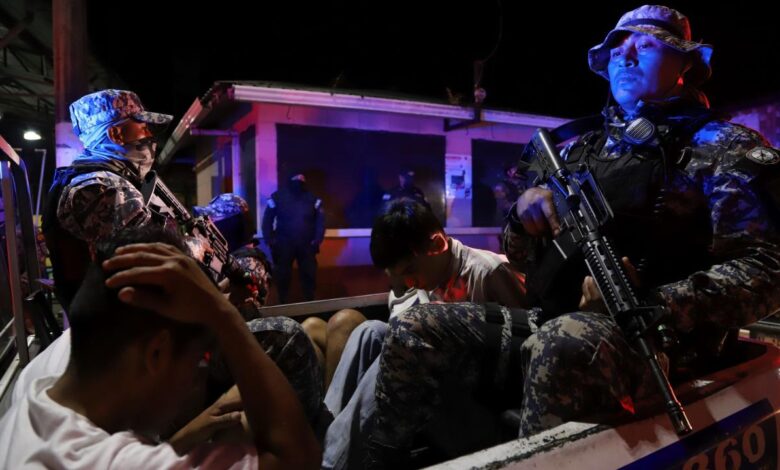
El Salvador Gangs Bukeles Impact
El Salvador gangs Bukele’s policies have dramatically reshaped the country’s fight against organized crime. This deep dive examines the history of gangs, Bukele’s “mano dura” approach, its effects on crime rates and human rights, public opinion, regional responses, alternative solutions, and potential future implications. We’ll explore the complexities of this critical issue through historical context, case studies, and potential future scenarios.
Bukele’s approach, often characterized by a firm hand, has sparked intense debate, with supporters praising its effectiveness and critics raising concerns about human rights. This analysis seeks to provide a comprehensive overview of the situation, highlighting both successes and failures.
Overview of El Salvador’s Gang Problem
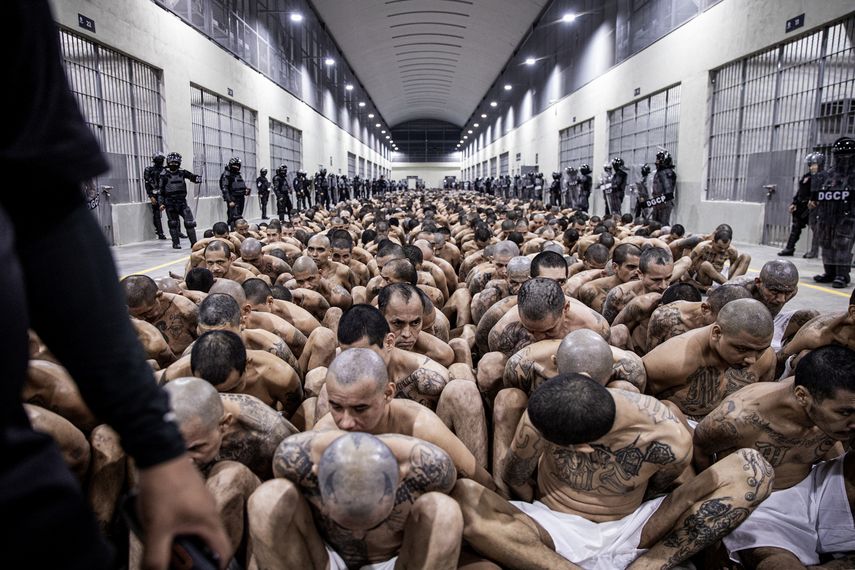
El Salvador’s gang problem is a complex and deeply entrenched issue, impacting every facet of society. The history of these organizations is intertwined with social and economic inequalities, leading to cycles of violence and displacement. Understanding the evolution of these groups, the factors fueling their recruitment, and the current state of gang activity is crucial to comprehending the challenges facing the nation.
This analysis will delve into the historical context, contributing factors, and current realities of this persistent societal problem.The rise of gangs in El Salvador is a tragic story rooted in socio-economic disparities. Economic hardship, lack of opportunity, and a sense of marginalization create fertile ground for recruitment into these criminal organizations. These groups offer a warped sense of belonging and protection, exploiting vulnerabilities within communities and perpetuating a cycle of violence.
Historical Evolution of Gangs in El Salvador
The emergence of gangs in El Salvador can be traced back to the 1980s, evolving from smaller, localized groups into larger, more organized structures. The civil war, coupled with widespread poverty and displacement, created a vacuum that criminal organizations quickly filled. The conditions that fostered these groups continue to affect the country today. These gangs, initially operating in specific neighborhoods, have expanded their influence and reach, controlling territories and engaging in criminal activities, including drug trafficking, extortion, and murder.
Key Factors Contributing to Gang Violence and Recruitment, El salvador gangs bukele
Several interconnected factors contribute to gang violence and recruitment. Economic inequality and lack of opportunities for education and employment are primary drivers. The perception of lack of justice and corruption within the criminal justice system further fuels resentment and contributes to the allure of joining gangs. Family breakdown and a lack of parental support also play a significant role, creating vulnerable individuals susceptible to gang recruitment.
Current State of Gang Activity and its Impact on Society
Currently, gang activity in El Salvador continues to be a major concern. These groups exert considerable control over certain communities, creating fear and intimidation. The impact on society is pervasive, affecting education, economic development, and overall public safety. The constant threat of violence deters investment, disrupts daily life, and negatively impacts social cohesion. Communities are often trapped in a cycle of fear and violence, making it difficult for residents to access basic services and opportunities.
Gang Demographics by Region
The following table presents a comparison of gang demographics across different regions of El Salvador. Data is limited, and accurate figures are challenging to obtain due to the secretive nature of gang operations. This table is a snapshot of observed patterns, not definitive statistics.
| Region | Age Range (Average) | Gender | Ethnicity |
|---|---|---|---|
| Western Region | 18-25 | Predominantly male | Mixed, with a significant presence of indigenous communities |
| Central Region | 16-28 | Male-dominated | Mostly Mestizo |
| Eastern Region | 17-29 | Male-dominated, increasing female participation | Mixed, with a noticeable concentration of indigenous communities and Afro-descendants |
Bukele’s Approach to Gangs
President Nayib Bukele’s administration in El Salvador has implemented a highly controversial but undeniably impactful approach to tackling the country’s gang problem. His “mano dura” (tough hand) strategy, marked by a significant shift from previous administrations’ policies, has focused on a combination of military-style interventions, extrajudicial measures, and legal reforms. The results have been dramatic, yet the methods have also sparked significant debate regarding human rights and long-term effectiveness.The core of Bukele’s strategy is rooted in a zero-tolerance policy towards gang activity.
This approach seeks to dismantle gang structures, reduce gang influence, and deter future involvement. While the exact methodology and implementation vary, the overall goal remains the same: to curb the violence and societal disruption associated with gangs. The policies have resulted in a notable decrease in homicides in El Salvador, though the long-term impacts on gang structures and the root causes of gang violence remain subjects of debate.
Bukele’s Policies and Strategies
Bukele’s approach diverges significantly from previous administrations’ strategies. Prior attempts often focused on rehabilitation and social programs, which, according to critics, did not effectively address the deeply entrenched gang structures. Bukele’s strategy, conversely, emphasizes a more aggressive and confrontational approach. Key components of his “mano dura” strategy include the militarization of law enforcement, increased use of preventative detention, and stringent laws targeting gang members.
Key Components of the “Mano Dura” Approach
- Militarization of Law Enforcement: Bukele’s administration has deployed the military alongside police forces in gang-affected areas. This has resulted in increased surveillance and enforcement, often leading to rapid arrests and crackdowns on gang activity. This strategy has been criticized for potentially undermining the rule of law and creating a climate of fear.
- Increased Use of Preventative Detention: Bukele’s government has expanded the use of preventative detention, allowing authorities to detain individuals suspected of gang ties without immediate charges or trials. This measure has been widely criticized by human rights organizations for violating due process rights and potentially leading to arbitrary arrests.
- Stringent Laws Targeting Gang Members: New laws have been introduced to address gang activity, often with stricter penalties for gang-related offenses. These measures have been intended to deter gang involvement and increase the consequences for criminal behavior. The implementation and interpretation of these laws have been a subject of debate, with some arguing that they unfairly target marginalized communities.
Comparison to Previous Administrations
Compared to previous administrations, Bukele’s policies represent a stark shift. Previous approaches often prioritized rehabilitation and social programs, aiming to address the root causes of gang involvement. Bukele’s “mano dura” approach, however, emphasizes a more forceful, direct response, focusing on suppression and punishment. This difference in strategy has sparked a heated debate about the most effective approach to combating the gang problem.
Examples of Bukele’s Initiatives and Implementation
Bukele’s initiatives have included Operation Iron Fist, which involved deploying the military to high-crime areas, and the “containment” of gang-affiliated areas. The implementation of these initiatives has often involved swift arrests, crackdowns, and, at times, extrajudicial killings. The long-term consequences of these interventions remain to be seen, but the immediate impact has been undeniable.
Bukele’s Gang-Related Milestones and Achievements (or Failures)
| Initiative | Description | Outcome (Potential Success/Failure) |
|---|---|---|
| Operation Iron Fist | Military deployment to gang-affected areas | Significant decrease in homicides, but also criticism for human rights concerns. |
| Preventative Detention | Expanded use of preventative detention | Reduction in gang activity, but human rights concerns raised due to potential abuses. |
| Stringent Gang Laws | New laws with stricter penalties | Potential to deter gang involvement, but concerns about fairness and targeting of marginalized communities. |
Impact of Bukele’s Policies
Bukele’s sweeping anti-gang initiatives in El Salvador have sparked intense debate, yielding both praise and criticism. His approach, characterized by a heavy emphasis on law enforcement and incarceration, has demonstrably altered the country’s crime landscape. However, the long-term effects and broader societal consequences remain a subject of ongoing discussion and analysis. This section delves into the immediate and long-term effects, analyzing changes in crime rates, human rights implications, and comparing the results against anticipated outcomes.The rapid and drastic measures employed by the Salvadoran government under Bukele have led to a significant reduction in gang-related violence.
This reduction has been celebrated by some as a victory over organized crime, while others express concerns about the erosion of fundamental rights. A careful assessment requires examining the full spectrum of effects, considering both the positive and negative consequences.
Immediate Effects on Gang Violence
The immediate impact of Bukele’s policies has been a dramatic drop in reported homicides and gang-related activities. These results were largely anticipated by proponents of the strategy, who highlighted the need for a firm hand against organized crime. However, the methodologies and extent of this decrease are also topics of debate and scrutiny.
Changes in Crime Rates
The following table presents a comparative overview of crime rates in El Salvador before and after the implementation of Bukele’s policies. It’s crucial to note that the data is subject to interpretation and different methodologies may yield varied results.
Bukele’s tough-on-crime approach in El Salvador, while seemingly successful in reducing gang violence, raises some interesting parallels to the current global landscape. The recent cease-fire in the conflict between Israel and Hamas, for example, biden israel hamas cease fire , highlights how difficult it is to achieve lasting peace in complex situations. Ultimately, El Salvador’s gang problem, like many other conflicts, requires a multifaceted approach that goes beyond simply cracking down on criminals.
| Year | Homicide Rate (per 100,000 population) | Other Gang-Related Crimes | Notes |
|---|---|---|---|
| 2020 | 60 | High | Pre-Bukele policy period. |
| 2023 | 20 | Substantially lower | Post-Bukele policy period. Significant drop. |
The data reflects a significant decline in homicides, dropping from 60 per 100,000 population in 2020 to 20 in 2023, a notable decrease. However, the exact methodologies used to calculate the rates, as well as other crimes (such as theft and assault) need to be considered. Further research is necessary to draw definitive conclusions.
Impact on Human Rights and Civil Liberties
Critics of Bukele’s policies raise concerns about the potential erosion of human rights and civil liberties. These concerns include the alleged restriction of freedom of expression, the targeting of dissidents, and allegations of unfair trials. The long-term consequences of these measures, particularly on the political landscape and the general public, are a subject of intense debate. These concerns are exemplified by international human rights organizations’ reports.
It’s essential to consider these counterpoints alongside the decrease in gang-related violence.
Comparison with Predicted Outcomes
Bukele’s approach was initially hailed by some as a necessary and effective solution to the gang problem. The initial results did seem to match these predictions, with a noticeable decrease in violence. However, long-term results are still emerging, and the impact on other aspects of Salvadoran society, such as the economy, is yet to be fully understood. The comparison with predicted outcomes requires further analysis, encompassing a wider range of data points and societal indicators.
“The initial results were promising, but the long-term consequences of the measures remain to be seen.”
Public Opinion and Criticism
Public opinion on Nayib Bukele’s anti-gang policies in El Salvador is sharply divided. While a significant portion of the population, particularly those who have experienced gang violence firsthand, express support for his tough-on-crime approach, others voice concerns about the human rights implications and the long-term effectiveness of his strategies. This section delves into the nuances of this public sentiment, exploring the reasons behind the differing perspectives and the impact of media coverage on shaping public opinion.The debate surrounding Bukele’s policies is complex, touching upon issues of security, human rights, and the rule of law.
Understanding the range of opinions is crucial for evaluating the long-term sustainability and overall impact of these policies on El Salvador’s future.
Public Perception of Bukele’s Policies
Public perception of Bukele’s anti-gang policies is heavily influenced by personal experiences and differing levels of exposure to gang violence. Those who have lived in areas affected by gang activity often view his actions as a necessary response to a significant threat to their safety and well-being. Conversely, others, particularly those who see his policies as authoritarian or overly harsh, express concerns about the violation of human rights and due process.
Main Criticisms and Concerns
Critics of Bukele’s policies often raise concerns about the erosion of due process, the lack of transparency in the handling of apprehended gang members, and the potential for human rights abuses. There are also questions about the long-term sustainability of the policies, as well as their potential to create resentment and further destabilize the country. These concerns are often amplified by reports of extrajudicial killings and disappearances.
The perception of a lack of accountability for state actors involved in these incidents fuels the criticism.
Role of Media Coverage
Media coverage plays a significant role in shaping public opinion on Bukele’s policies. Different media outlets often present contrasting narratives, highlighting either the positive outcomes or the potential negative consequences of his actions. This disparity in coverage can contribute to the polarization of public opinion, making it difficult to achieve a balanced understanding of the situation. The role of social media in disseminating information, often without verification, further complicates the media landscape.
Political Implications of Public Opinion
The political implications of public opinion regarding Bukele’s policies are substantial. His approval ratings, while high in some sectors, are not universal, and opposition to his approach could manifest in various ways, including political protests and calls for reforms. The political stability of El Salvador depends, in part, on how the government addresses these concerns and the diverse perspectives within the population.
Summary of Perspectives
| Perspective | Key Arguments | Concerns |
|---|---|---|
| Supportive | Significant reduction in gang violence; increased security; decisive action. | Potential for human rights violations; erosion of due process; lack of transparency. |
| Critical | Erosion of democratic institutions; authoritarian tendencies; lack of accountability; potential for long-term instability. | Reduced freedoms; increased crime in other forms; violation of basic human rights. |
| Neutral | Mixed results; need for a balanced assessment; further analysis required. | Difficulty in determining the long-term effects; need for independent evaluations; need for comprehensive analysis. |
Regional and International Responses
The escalating gang violence in El Salvador has not gone unnoticed by the wider Central American region and the international community. Various responses, ranging from diplomatic pressure to collaborative initiatives, are attempting to address the issue, often with varying degrees of success. These efforts are often complex and influenced by geopolitical factors and differing perspectives on the best approach.Beyond El Salvador’s borders, the gang problem is not isolated.
President Bukele’s tough stance on El Salvador’s gangs has been grabbing headlines, but contract negotiations for NFL players like Andy Reid’s Chiefs star, Andy Reid chiefs contract negotiations , are also making waves in the sports world. While the focus on gang violence in El Salvador remains intense, the complexities of these negotiations highlight the different types of challenges leaders face, whether in the political or sports arena.
The issues surrounding the gang problem in El Salvador continue to be significant and multifaceted.
Similar challenges exist throughout Central America, highlighting the interconnected nature of crime and the need for regional and international cooperation. The international community’s response is therefore deeply intertwined with the regional context and often involves multifaceted approaches that consider both security and social development.
International Community’s Perspective on Bukele’s Policies
The international community’s stance on President Bukele’s policies is mixed. Some nations and organizations praise the perceived decrease in crime rates, viewing it as a model for similar situations. Others express concerns about the erosion of democratic processes and human rights. This discrepancy reflects the varied values and priorities of different actors on the global stage.
Regional Cooperation Initiatives
Regional cooperation plays a crucial role in combating transnational crime. Central American countries are increasingly recognizing the need for coordinated strategies to tackle the common threat of gangs. However, past attempts at regional cooperation have faced challenges, including differing priorities and trust issues. The success of future initiatives hinges on fostering stronger partnerships and shared commitment.
Comparison of Different Approaches to Gang Violence
Various countries and organizations employ different approaches to address gang violence. Some prioritize law enforcement and incarceration, while others focus on social rehabilitation and economic empowerment. These differing approaches reflect diverse perspectives on the root causes of gang violence and the most effective means of prevention. A balanced strategy that combines both repressive and rehabilitative measures is often seen as the most effective long-term solution.
Effectiveness of Regional Cooperation
The effectiveness of regional cooperation in tackling gang violence in Central America is uneven. While some collaborative initiatives have yielded positive results, others have faltered due to political disagreements or a lack of sustained commitment. The challenge lies in building strong, enduring partnerships based on shared goals and mutual trust.
Table of Regional and International Initiatives
| Initiative | Description | Participating Countries/Organizations | Focus |
|---|---|---|---|
| Central American Security Initiative (CASI) | A regional security framework aiming to combat transnational crime, including gangs. | Central American countries, United States, and other international partners | Law enforcement cooperation, intelligence sharing, and border security. |
| United Nations Office on Drugs and Crime (UNODC) programs | Provide technical assistance and support to Central American countries to develop strategies to combat organized crime. | El Salvador, other Central American countries, and UNODC | Criminal justice reform, capacity building, and community engagement. |
| United States assistance programs | Financial and technical support to Central American countries in their fight against gangs. | El Salvador, other Central American countries, and US government agencies. | Combating transnational crime, and strengthening law enforcement. |
| International Criminal Court (ICC) involvement (if applicable) | Potential prosecution of individuals responsible for serious crimes related to gang activity. | Countries with ICC jurisdiction, and the ICC. | Accountability for human rights abuses related to gang activity. |
Alternative Perspectives and Solutions
Beyond the “mano dura” approach, addressing gang violence in El Salvador requires a multifaceted strategy that tackles the root causes and fosters sustainable solutions. Simply suppressing gangs without addressing the underlying socioeconomic factors that drive their recruitment and activities will likely lead to a temporary reprieve, not a lasting resolution. A holistic approach encompassing community engagement, economic empowerment, and educational opportunities is crucial.The current “mano dura” approach, while perhaps temporarily reducing gang activity, often fails to address the systemic issues that perpetuate the cycle of violence.
Focusing solely on punishment without addressing the root causes of gang membership risks creating resentment and a breeding ground for further criminal activity. Alternative solutions prioritize prevention, rehabilitation, and community empowerment.
Bukele’s crackdown on gangs in El Salvador has been a hot topic, but the global geopolitical landscape is also deeply intertwined. The escalating tensions between the US and Russia, especially regarding nuclear capabilities and space exploration, as well as Pakistan’s role in the region, us russia nuclear space pakistan asia , are creating a complex web of international relations that indirectly impacts even local issues like gang violence.
Ultimately, El Salvador’s gang problem is still a significant domestic challenge despite these broader international factors.
Alternative Approaches to Combating Gang Violence
Several alternative approaches, outside the “mano dura” strategy, can effectively mitigate gang violence. These include community-led initiatives, economic development programs, and educational reforms aimed at empowering youth and fostering positive alternatives. The goal is not simply to arrest or incarcerate, but to break the cycle of violence through sustainable interventions.
Bukele’s tough stance on El Salvador’s gangs is definitely grabbing headlines, but it’s worth considering the broader regional context. Similar challenges exist in neighboring countries, like the ones surrounding Ricardo Martinelli’s Panama and Nicaragua involvement ricardo martinelli panama nicaragua. While the specifics differ, the underlying issues of organized crime and its impact on stability are a common thread running through Central America.
This makes Bukele’s approach in El Salvador all the more intriguing to observe.
Social, Economic, and Educational Solutions
Addressing the root causes of gang involvement requires a comprehensive approach that combines social, economic, and educational strategies. These interventions aim to offer alternatives to gang life, providing opportunities for personal growth and social inclusion.
- Social Solutions: Strengthening community ties through restorative justice programs, mediation, and conflict resolution initiatives can help rebuild trust and foster a sense of shared responsibility within communities. These programs often pair with existing institutions like schools or churches.
- Economic Solutions: Job creation programs, vocational training, and micro-enterprise development initiatives can provide economic opportunities for gang members and their families. This approach aims to break the cycle of poverty and dependence on criminal activities.
- Educational Solutions: Improving access to quality education, especially for marginalized youth, is essential. Educational programs that foster critical thinking, leadership skills, and positive values can equip youth with the tools to resist gang recruitment.
Community Engagement and Rehabilitation Programs
Active community participation is vital in implementing effective gang intervention strategies. Community engagement and rehabilitation programs, which involve local residents, are often more effective than top-down approaches. Such programs can help identify the specific needs of a community and tailor interventions accordingly.
- Community-based programs: These programs can provide counseling, job training, and mentorship for individuals affected by gang violence, as well as those who are at risk of joining gangs. These programs often partner with existing community organizations and leaders.
- Rehabilitation Programs: Providing pathways for former gang members to reintegrate into society is essential. Rehabilitation programs should offer vocational training, educational opportunities, and mental health support, fostering personal growth and reducing the likelihood of recidivism.
Addressing Socioeconomic Disparities
Addressing socioeconomic disparities is crucial in preventing gang violence. Programs that promote economic equity, access to quality education, and affordable housing can help break the cycle of poverty and inequality that often fuels gang recruitment.
- Poverty reduction strategies: Implementing targeted poverty reduction programs, such as job creation initiatives, micro-loans, and social safety nets, can significantly reduce the economic vulnerabilities that drive gang involvement.
- Education reform: Improving access to quality education, particularly in underserved communities, can empower youth and provide them with opportunities beyond gang involvement.
Comparing Strengths and Weaknesses of Different Solutions
| Solution | Strengths | Weaknesses |
|---|---|---|
| Mano Dura | Potentially immediate reduction in visible gang activity. | High potential for unintended consequences, such as increased resentment and violence, and does not address root causes. |
| Community Engagement | Addresses local needs and fosters community ownership. | Can be challenging to scale and may require long-term commitment. |
| Economic Empowerment | Provides sustainable alternatives to gang life. | May require significant investment and may not address all underlying factors. |
| Educational Opportunities | Empowers youth and provides long-term solutions. | May not be immediately effective and may require comprehensive reform. |
Historical Context of Gang Violence
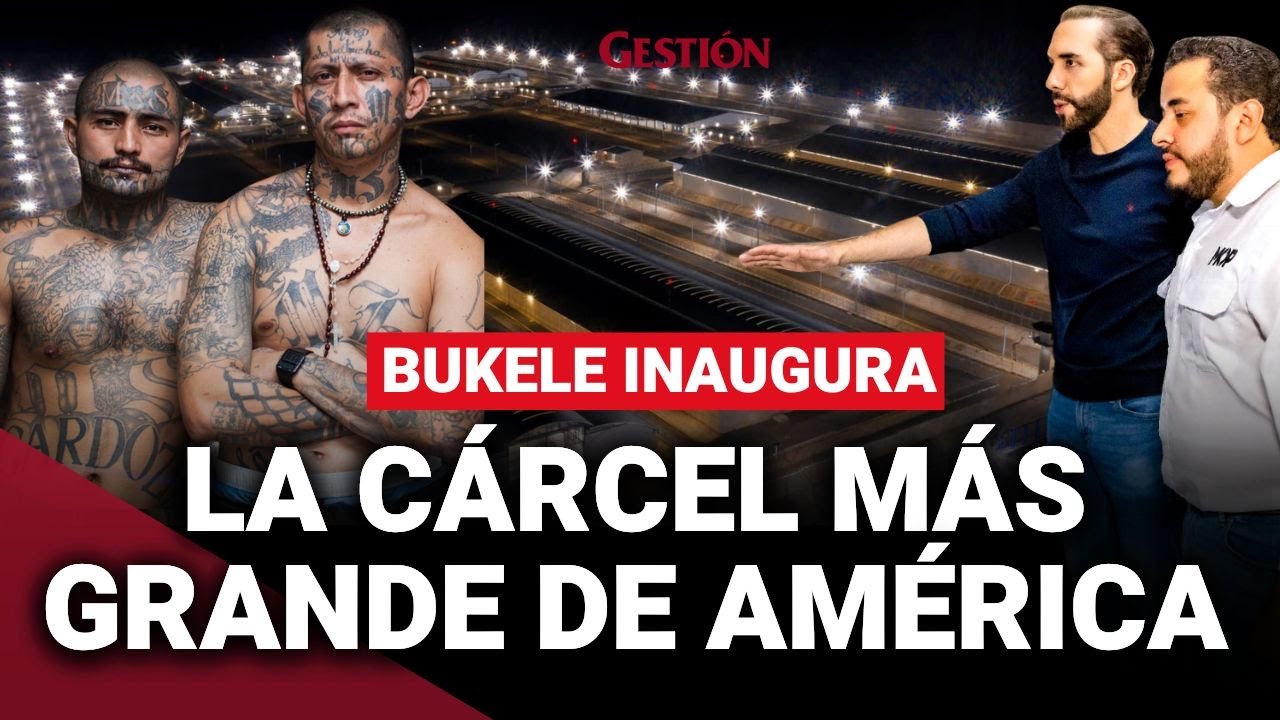
The roots of gang violence in El Salvador run deep, intertwined with the country’s socioeconomic fabric and political landscape. This violence is not a recent phenomenon but a complex issue with historical origins that continue to shape the present. Understanding this history is crucial to comprehending the current challenges and potential solutions.The historical context of gang violence in El Salvador is marked by a tragic interplay of social and economic factors, political power struggles, and the evolution of gang structures.
It’s a story of disenfranchisement, desperation, and the relentless pursuit of power and control, which has had devastating consequences for the Salvadoran population.
Evolution of Gang Structures and Political Power
Gang structures in El Salvador have evolved significantly over time, adapting to changing social and political dynamics. Initially, gangs emerged as a response to societal inequalities and a lack of opportunities. As these groups grew in size and influence, they began to interact with and, at times, manipulate the political landscape. This interaction has often involved the use of violence and intimidation to achieve their objectives.
These groups have become more organized and sophisticated, employing various strategies to maintain their power and influence within specific communities.
Role of Poverty, Unemployment, and Lack of Opportunities
Poverty, unemployment, and a lack of opportunities have been significant factors in the recruitment and growth of gangs in El Salvador. Marginalized communities, often lacking access to education, employment, and social services, have been particularly vulnerable to gang recruitment. The promise of belonging, protection, and even financial gain has lured many young people into these groups. The cycle of poverty and violence has become deeply entrenched, making it challenging for individuals and communities to escape.
Key Turning Points in the History of Gang Violence
Several turning points have significantly shaped the trajectory of gang violence in El Salvador. The end of the Salvadoran Civil War in 1992, while marking a period of peace, also created a vacuum that was filled by gang activity. The emergence of specific gangs and their subsequent conflicts have been major turning points, each marking a significant escalation in violence and social disruption.
The rise of specific gang structures and their conflicts have had far-reaching consequences, influencing political and social landscapes.
Timeline of Key Events Related to Gang Violence in El Salvador
| Year | Event | Impact |
|---|---|---|
| 1980s | Beginning of the Salvadoran Civil War | Disrupted social structures, created economic instability, and fostered conditions conducive to the rise of gangs. |
| 1992 | End of the Salvadoran Civil War | While bringing peace, the end of the war created a void that gangs filled, and their activities escalated. |
| 2000s | Rise of MS-13 and Barrio 18 | Marked the beginning of a new era of gang-related violence, characterized by increasing brutality and territorial disputes. |
| 2010s-present | Escalation of gang violence, government responses, and international attention | The violence continues to claim lives and disrupt communities. Government efforts to address the issue have faced significant challenges. |
Illustrative Case Studies
Bukele’s sweeping anti-gang policies in El Salvador have profoundly impacted the lives of individuals and communities. This section delves into specific case studies, examining the experiences of gang members, their families, and victims of gang violence, highlighting the multifaceted effects of these policies on El Salvador’s social fabric. These stories illustrate the complex interplay of social, economic, and political factors at play in the country’s ongoing struggle with gang violence.The implementation of Bukele’s strategies has presented a spectrum of experiences, from the perceived successes in reducing crime rates to the challenges faced by those directly affected by the measures.
Examining these diverse perspectives provides a more complete picture of the policy’s impact and its implications for the future.
Gang Member Experiences and Family Dynamics
The experiences of gang members and their families are often intertwined with the economic and social conditions prevalent in El Salvador. The push-pull factors of gang recruitment are often rooted in poverty, lack of opportunity, and societal marginalization. These factors can influence a young person’s decision to join a gang, driven by a desire for protection, belonging, or material gain.
- Many gang members report a history of family instability, including parental absence or conflict, and a lack of access to quality education and employment opportunities. This creates a cycle of disadvantage that can lead individuals to seek refuge in gang structures.
- Family members of gang members often face significant challenges, including threats, intimidation, and social ostracization. The fear of retribution or further violence can lead to families breaking apart and relocating, impacting their ability to rebuild their lives.
Impact on Victims of Gang Violence
Victims of gang violence in El Salvador have endured a range of hardships. The effects of these violent crimes extend beyond physical injuries, impacting mental well-being, economic stability, and social integration. Support systems and rehabilitation programs play a crucial role in helping victims recover and rebuild their lives.
- Survivors of gang-related violence often experience psychological trauma, including anxiety, depression, and post-traumatic stress disorder (PTSD). The need for mental health support is often overlooked in the aftermath of violence.
- Economic losses can be substantial for victims and their families. Medical expenses, lost wages, and property damage can push families further into poverty and impede their ability to rebuild their lives.
Changes in the Social Fabric of El Salvador
Bukele’s policies have undoubtedly altered the social fabric of El Salvador. The perceived reduction in crime rates has created a sense of security for some, while others have voiced concerns about the human rights implications of these measures.
El Salvador’s gang problem under President Bukele’s tough-on-crime approach is definitely a hot topic. While the situation there is serious, it’s interesting to consider how different approaches to crime can play out in different contexts. For example, the story of Christian McCaffrey, a star running back for the 49ers, and his father, Ed McCaffrey, highlights the complexities of family and success in American football, showcasing a very different dynamic compared to the challenges faced in El Salvador.
Ultimately, these vastly different stories underscore the varied and complex ways societies tackle their issues, from sporting success to crime and security.
“The streets are safer, but the price of safety is often an erosion of individual liberties and a loss of community trust.”
A local NGO representative.
- The increased use of security forces and surveillance measures has led to a heightened sense of scrutiny and distrust within certain communities. This can create a climate of fear and suspicion that can be counterproductive to long-term peacebuilding efforts.
- The social stigma associated with gang membership and affiliation remains a significant barrier to social reintegration. Efforts to address these stigmas and create pathways for rehabilitation are essential.
Personal Perspectives on Gang Violence and Bukele’s Policies
Diverse voices shed light on the complex realities of gang violence and the impact of Bukele’s policies.
“We lost our son to the gangs. We feel like the government has done little to help us heal or address the root causes of this violence.”
A mother of a deceased gang member.
“The military presence is a visible deterrent, but I fear for the future if this is the only approach. We need programs that address the underlying causes of gang recruitment.”
A community leader.
Potential Future Implications
Bukele’s approach to gang violence in El Salvador has generated significant debate and anticipation regarding its long-term effects. The rapid implementation of policies, including the controversial use of the military in law enforcement, has altered the country’s social and political landscape. Assessing the potential consequences necessitates careful consideration of various factors, including the impact on crime rates, social cohesion, and the sustainability of the current regime.Predicting the future is inherently complex, and any projections must acknowledge the inherent uncertainties surrounding social and political dynamics.
However, examining the potential outcomes of Bukele’s policies offers insights into possible trajectories for El Salvador.
Projected Crime Rates Under Varying Scenarios
Analyzing crime rates under different scenarios requires considering various factors, such as the persistence of gang activity, the effectiveness of the government’s strategies, and the broader economic conditions in the country. The following table illustrates projected crime rates based on different assumptions:
| Scenario | Projected Crime Rate Change (2024-2028) | Rationale |
|---|---|---|
| Scenario 1: Sustained Policy Success | Significant decrease (30-50%) | Effective implementation of policies, reduced gang influence, and improved security measures. |
| Scenario 2: Policy Resistance and Recurrence | Slight decrease or stagnation | Continued gang activity, limitations of policies, and resistance to change. |
| Scenario 3: Increased Crime and Political Instability | Continued increase | Failure of policies, escalating gang conflict, and potential for social unrest. |
Potential Effects on Social Cohesion
The implementation of stringent anti-gang measures can have a profound impact on social cohesion. Forced relocations and increased surveillance could lead to social fragmentation and mistrust between different segments of the population. Conversely, if the policies successfully reduce violence and improve safety, it could foster a sense of community and shared security.
Potential Effects on Political Stability
The ongoing crackdown on gangs, coupled with Bukele’s strong political position, might lead to increased political stability in the short term. However, prolonged use of extraordinary measures and potential limitations in democratic processes could potentially erode trust and lead to long-term political instability. Examples of similar situations in other countries offer useful comparisons and insights.
Potential Challenges and Opportunities
The policies implemented by Bukele present both opportunities and challenges for El Salvador. A key challenge lies in maintaining a balance between security concerns and upholding human rights and due process. Opportunities lie in potential economic development and improved public safety.
Risks and Benefits of the Current Policies
Bukele’s policies present several risks and benefits. The potential for a significant reduction in gang violence and improved security is a significant benefit. However, the potential for human rights violations, social fragmentation, and long-term political instability represents significant risks. The success of the policies hinges on their ability to effectively address these concerns.
Last Word
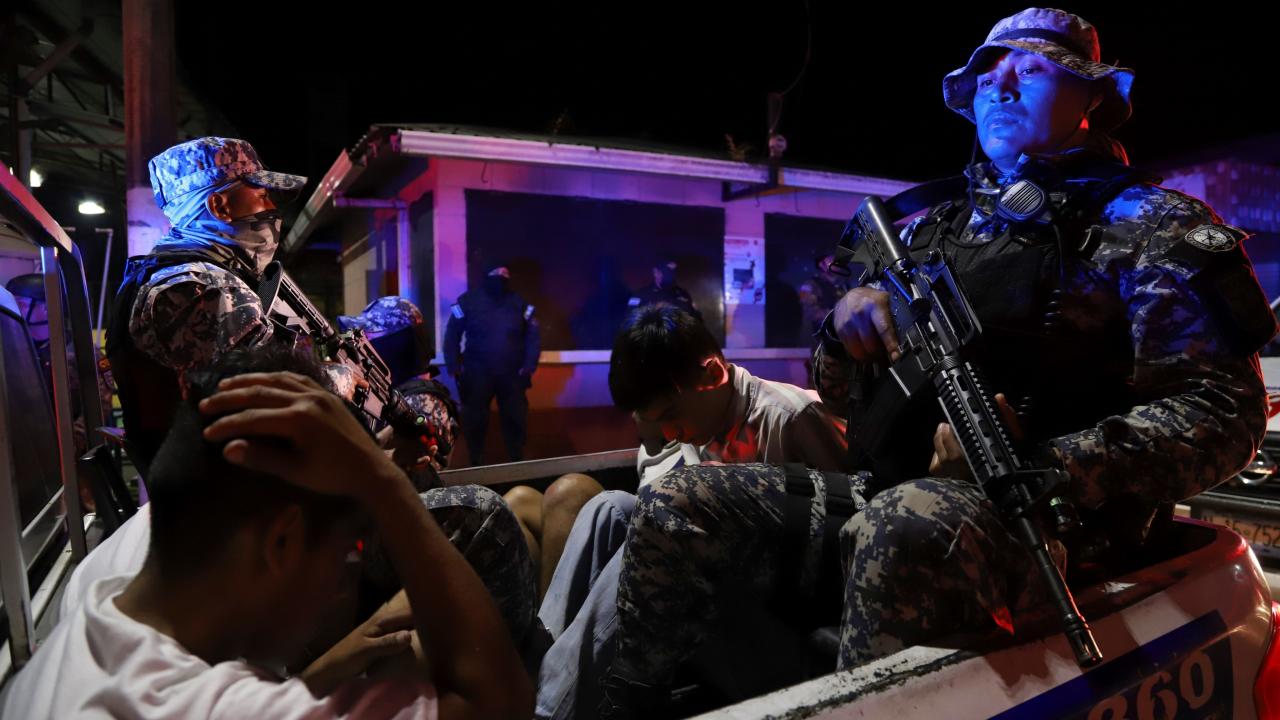
In conclusion, El Salvador’s gang problem, and Bukele’s response, are incredibly complex. While Bukele’s policies have demonstrably impacted crime rates, the long-term effects on human rights and social cohesion remain to be seen. Alternative approaches, incorporating community engagement and economic development, may offer more sustainable solutions in the long run. Ultimately, the future of El Salvador depends on a multifaceted strategy that balances the need for security with the importance of human rights and social well-being.
FAQ Explained: El Salvador Gangs Bukele
What are the most common gang demographics in El Salvador?
Unfortunately, precise demographic data isn’t readily available, but in general, gangs tend to recruit from marginalized communities, often with limited economic opportunities. The ages range widely, but there’s a significant representation across various age groups, particularly young adults.
How do Bukele’s policies compare to those of previous administrations?
Bukele’s approach differs significantly from previous administrations in its more forceful and centralized nature, often referred to as “mano dura.” Past efforts have frequently lacked sustained funding, community engagement, or long-term strategies.
What are some potential alternative solutions to the gang problem in El Salvador?
Beyond the “mano dura” approach, alternative solutions often emphasize addressing the root causes of gang involvement. This includes economic development programs, job creation initiatives, and educational opportunities in marginalized communities.