
Self-Help Books & Therapists A Powerful Duo
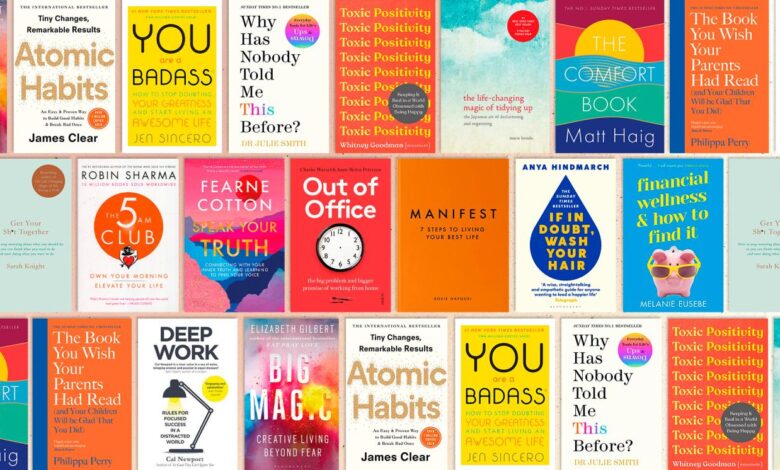
Self help books therapists – Self-help books therapists explore the synergistic relationship between self-help books and professional therapy. This blend offers a unique approach to personal growth, drawing on the strengths of both. We’ll examine the common themes in popular self-help guides, how therapists utilize them in practice, and the benefits of combining these resources.
From cognitive behavioral therapy to mindfulness techniques, self-help books can provide practical tools and insights. Therapists can then guide individuals in applying these strategies within the context of a supportive therapeutic environment. This combination can often lead to quicker progress and increased motivation in the journey toward personal well-being.
Introduction to Self-Help Books and Therapists: Self Help Books Therapists
Self-help books and therapy often walk hand-in-hand, offering complementary paths to personal growth and well-being. While self-help books provide accessible tools and strategies, therapy offers personalized support and professional guidance. The relationship between these two approaches isn’t always one of competition, but rather one of collaboration. Many therapists recommend self-help books to their clients as a way to supplement in-session work, and some self-help books even incorporate therapeutic principles to facilitate self-discovery.This exploration delves into the common ground between self-help books and therapy, highlighting the common themes and approaches found in popular self-help books and how therapists might leverage them in their practice.
It also provides a comparison of various self-help approaches, providing a framework for understanding their strengths and potential limitations.
Self-help books are a popular way to find coping mechanisms, and therapists often recommend them. However, sometimes real-world issues, like the recent NRA lawsuit against Wayne Lapierre, nra lawsuit wayne lapierre , highlight the complexities of personal struggles that go beyond the pages of a self-improvement book. Ultimately, the value of self-help books, alongside professional guidance, can’t be overstated when navigating life’s challenges.
Relationship Between Self-Help Books and Therapists
Self-help books can be a valuable tool for individuals seeking to understand and address personal challenges. They provide readily accessible information and practical exercises, often covering topics such as stress management, anxiety reduction, or relationship improvement. Therapists frequently recommend these books to their clients to reinforce the skills and insights developed in therapy sessions. This can aid in between-session practice and solidify understanding of concepts discussed during therapy.
In some cases, the therapist and client may collaboratively choose self-help books tailored to the client’s specific needs and goals, thus enhancing the therapeutic process.
Common Themes and Approaches in Self-Help Books
Many self-help books focus on fostering self-awareness, developing coping mechanisms, and building healthier relationships. Common themes include:
- Cognitive Behavioral Therapy (CBT) techniques, such as identifying negative thought patterns and replacing them with more positive ones. Examples include challenging distorted beliefs and developing healthier coping strategies.
- Mindfulness practices, emphasizing present-moment awareness and acceptance of thoughts and feelings without judgment. This can help manage stress and improve emotional regulation.
- Emotional intelligence (EQ) principles, focusing on understanding and managing one’s own emotions and recognizing and responding to the emotions of others. This is vital for effective communication and relationship building.
- Positive psychology strategies, emphasizing building strengths, cultivating gratitude, and fostering optimism. These can significantly contribute to an improved overall outlook and well-being.
How Therapists Utilize Self-Help Books in Their Practice
Therapists may integrate self-help books into their practice in several ways. They might recommend books that align with a client’s specific needs or challenges, providing practical tools and techniques to support their progress. They can also use books as springboards for discussions during sessions, fostering deeper exploration of the client’s thoughts, feelings, and behaviors. The chosen book can serve as a common ground for understanding and applying therapeutic principles in a practical setting.
Comparison of Self-Help Book Types
| Type of Self-Help Book | Focus | Strengths | Potential Limitations |
|---|---|---|---|
| Cognitive Behavioral Therapy (CBT) | Identifying and changing negative thought patterns and behaviors. | Proven effectiveness in treating various mental health conditions like anxiety and depression. Structured approach. | Can be overly structured and may not address underlying emotional issues. |
| Mindfulness | Cultivating present-moment awareness and acceptance. | Effective for stress reduction, anxiety management, and emotional regulation. Promotes self-compassion. | May not be suitable for individuals with complex trauma or severe mental health conditions. |
| Emotional Intelligence (EQ) | Understanding and managing one’s own emotions and recognizing and responding to the emotions of others. | Promotes interpersonal skills and effective communication. Fosters empathy. | Requires consistent effort and practice. May not address deep-seated relationship patterns. |
Benefits of Combining Books and Therapy
Integrating self-help books with therapy offers a powerful synergy, amplifying the effectiveness of both approaches. This combined strategy empowers individuals to actively participate in their healing journey, fostering deeper understanding and more sustainable change. It’s not just about reading; it’s about applying knowledge gained from the book within the supportive environment of therapy.The advantages extend beyond simply covering more ground; the combination allows for a personalized approach tailored to the unique needs and experiences of each individual.
This personalization allows for a more profound understanding of the root causes of challenges, leading to more effective coping strategies.
Synergistic Application of Self-Help Strategies
Self-help books provide practical tools and strategies that can be immediately applied to daily life. Therapy sessions provide a safe space to process emotions, identify patterns, and gain deeper insights into the underlying reasons behind those strategies. Combining these two approaches can significantly enhance the effectiveness of both.
Examples of Complementary Strategies
A person struggling with anxiety might find a book on mindfulness incredibly helpful. Therapy can then guide them in practicing these techniques effectively and in understanding the specific triggers of their anxiety. Cognitive Behavioral Therapy (CBT) principles can be reinforced by a book detailing practical strategies for reframing negative thoughts. By combining both, the person gains a more complete understanding and a more robust toolbox for managing their anxiety.
Increased Engagement and Motivation
Self-help books can act as catalysts for motivation and engagement in therapy. By providing a tangible framework and relatable examples, the books can help clients understand the value of therapy and feel more invested in the process. Reading about similar struggles and successful outcomes can inspire confidence and empower them to actively participate in their sessions.
Real-Life Case Studies
| Client | Issue | Self-Help Book | Therapeutic Approach | Outcome |
|---|---|---|---|---|
| Sarah | Procrastination and low self-esteem | “The Power of Now” by Eckhart Tolle | CBT and mindfulness exercises | Sarah developed more effective time management strategies and experienced increased self-compassion, leading to reduced procrastination and improved self-esteem. |
| David | Relationship conflicts stemming from communication issues | “Nonviolent Communication” by Marshall Rosenberg | Couples therapy | David and his partner learned to communicate more effectively, resulting in improved conflict resolution skills and a stronger relationship bond. |
| Emily | Depression and feelings of isolation | “Daring Greatly” by Brené Brown | Acceptance and Commitment Therapy (ACT) | Emily gained a deeper understanding of vulnerability and connectedness, leading to a greater sense of belonging and reduced feelings of isolation. |
These case studies illustrate the potential benefits of integrating self-help books and therapy, highlighting how this combined approach can empower individuals to achieve meaningful change.
Self-help books by therapists often offer practical strategies for navigating life’s challenges. But sometimes, the best advice comes from unexpected places, like the meticulous approach of a world-class chef like David Bouley, a renowned New York chef. His focus on precise ingredients and meticulous technique mirrors the careful consideration needed when applying self-help strategies. Ultimately, understanding the intricacies of both personal growth and culinary arts can lead to a more fulfilling life, a concept explored in many self-help books.
Identifying Common Challenges and Solutions
Self-help books offer a valuable resource for personal growth, but navigating their content and applying the strategies effectively can present hurdles. Understanding these obstacles and how therapists address them can empower individuals to maximize the benefits of both self-help and professional guidance. Therapists often act as a crucial bridge, helping clients integrate the knowledge from books into their daily lives and tailor strategies to their unique needs and circumstances.Many individuals find themselves facing challenges when attempting to implement self-help strategies.
These obstacles can stem from various factors, including the complexity of certain concepts, the emotional resistance to change, or the lack of a structured support system. A therapist can provide a safe space to unpack these challenges, offering personalized support and guidance.
Self-help books can be a great resource for therapists looking to expand their knowledge base, but sometimes practical advice can be hard to come by. For instance, navigating the complexities of the rental market in Williamsburg, Brooklyn, or even in Kiev, Ukraine, requires a different kind of support, which can be found in articles like renters williamsburg brooklyn kiev ukraine.
Ultimately, though, both understanding the challenges of the external world and the internal world can be explored in self-help books that aid therapists in providing better support.
Common Obstacles in Applying Self-Help Strategies
Self-help books, while often well-intentioned, may not always cater to the specific needs of every reader. Misinterpretations of advice, difficulty in adapting strategies to individual situations, and a lack of accountability can hinder progress. This can be compounded by underlying mental health concerns that require specialized attention.
Therapist’s Role in Guiding Clients
Therapists act as facilitators, helping clients translate the theoretical concepts from self-help books into practical, actionable steps. They provide a critical lens through which clients can evaluate their progress, identify potential pitfalls, and adjust their approach as needed. A therapist also offers a non-judgmental space for clients to explore their feelings and experiences related to their attempts at implementing the strategies.
This creates a supportive environment where self-reflection and emotional processing are encouraged.
Potential Roadblocks and Corresponding Solutions
- Lack of Motivation or Consistency: Many individuals find it difficult to sustain motivation over time. Therapists can help clients identify the root causes of their lack of motivation, develop realistic goals, and create strategies for maintaining consistency. This might involve breaking down large tasks into smaller, manageable steps, setting regular reminders, or using reward systems.
- Emotional Resistance to Change: Change can evoke discomfort and resistance, especially when confronting deeply ingrained patterns. Therapists can help clients understand and manage these emotions. They provide tools for emotional regulation, such as mindfulness techniques, and help clients develop coping mechanisms for dealing with setbacks. They can also help clients identify underlying fears or anxieties that might be contributing to resistance.
- Difficulty in Adapting Strategies: Self-help strategies may not always fit perfectly into individual circumstances. Therapists can help clients adapt and modify the strategies to align with their unique needs and lifestyles. This might involve identifying the specific aspects of the strategy that are helpful and adaptable and focusing on those elements.
- Lack of Accountability: Implementing self-help strategies alone can be challenging without external accountability. Therapists provide a supportive environment for clients to check in, receive feedback, and stay on track. They can help clients establish accountability partners or utilize therapeutic tools to monitor progress.
- Difficulty Identifying Personal Needs: Self-help books often offer broad strategies. Therapists can guide clients in recognizing and addressing their unique needs and challenges, tailoring strategies to their specific circumstances. This involves exploring personal history, current stressors, and relationship dynamics.
Strategies for Choosing Effective Self-Help Books

Navigating the vast landscape of self-help books can be overwhelming. With countless titles promising solutions to various personal challenges, discerning quality resources is crucial. This section provides practical strategies for evaluating credibility, aligning books with specific needs, and identifying resources that complement a therapeutic approach. Ultimately, this helps readers choose self-help books that genuinely support their well-being and personal growth.Effective self-help books go beyond catchy titles and appealing narratives.
Self-help books often offer therapists valuable insights, but sometimes a different perspective can be incredibly helpful. For example, understanding the political climate, like the recent developments surrounding Steve Garvey’s California Senate campaign, steve garvey california senate , can provide therapists with a fresh lens through which to view client challenges. Ultimately, a holistic approach to understanding human behavior, drawing on diverse resources like self-help books and current events, strengthens the work therapists do.
They offer evidence-based strategies, actionable steps, and a clear understanding of the human condition. Choosing wisely involves more than just picking a book that seems interesting; it requires critical evaluation and a careful assessment of its potential impact.
Evaluating Credibility and Effectiveness
Determining the credibility and effectiveness of a self-help book is paramount. Look for books from reputable authors and publishers with a track record of producing reliable information. Authors with credentials in psychology, counseling, or related fields are more likely to provide evidence-based strategies. Check if the book cites research or scientific studies supporting its claims. Look for references, footnotes, and citations to ensure that the information presented is not merely anecdotal or subjective.
Be wary of books that make sweeping generalizations or overly simplistic promises. Reputable resources tend to avoid over-simplifying complex issues.
Selecting Books Aligned with Specific Needs and Goals
A crucial step in choosing self-help books is aligning them with your unique needs and goals. Consider the specific challenges you’re facing. Are you struggling with anxiety, depression, relationship issues, or self-esteem? Books addressing these specific issues are more likely to offer targeted strategies. Identify the desired outcome you hope to achieve with the book.
For instance, are you seeking coping mechanisms for stress, tools for communication improvement, or techniques for building self-confidence? Selecting a book that addresses these specific needs increases the likelihood of achieving desired outcomes.
Identifying Books Supporting a Therapeutic Approach, Self help books therapists
If you’re already working with a therapist, choose self-help books that complement your therapeutic approach. Discuss potential resources with your therapist to ensure alignment. This ensures that the strategies in the book don’t contradict or interfere with the therapeutic work you’re already doing. A therapist can offer valuable insight into whether a book aligns with your specific treatment plan.
This collaborative approach maximizes the benefits of both therapy and self-help resources.
Checklist for Choosing Appropriate Self-Help Resources
- Author Credentials: Does the author have relevant credentials (e.g., PhD, MSW)? Are they affiliated with a reputable institution or organization?
- Evidence-Based Strategies: Does the book cite research or scientific studies to support its claims? Are the strategies presented actionable and practical?
- Clarity and Structure: Is the book well-organized and easy to understand? Are the concepts presented clearly and concisely?
- Alignment with Needs: Does the book address your specific concerns and goals? Does it offer targeted strategies and actionable steps?
- Therapeutic Compatibility: If in therapy, does the book complement your treatment plan? Discuss potential resources with your therapist.
- Realistic Expectations: Does the book present realistic expectations and acknowledge that change takes time? Avoid books that promise quick fixes.
The Role of Therapists in Guiding Self-Help
Self-help books can be powerful tools for personal growth, but their effectiveness is often amplified when integrated with professional guidance. Therapists play a crucial role in navigating the complexities of self-help, ensuring clients select appropriate resources and effectively utilize them within the context of their therapy. This involves understanding individual needs, tailoring recommendations, and integrating self-help strategies into the therapeutic process.Therapists act as knowledgeable guides, helping clients navigate the vast landscape of self-help resources.
They can offer objective perspectives, identify potential pitfalls, and ensure that chosen books align with the client’s specific goals and current emotional state. This personalized approach fosters a more productive and impactful self-help journey.
Identifying Appropriate Self-Help Books for Clients
Therapists can assess a client’s needs and preferences to determine the most suitable self-help books. This includes considering the client’s presenting issues, personality traits, and learning style. For example, a client struggling with anxiety might benefit from a book focusing on mindfulness and relaxation techniques, while someone dealing with relationship conflicts might find a book on communication skills helpful. Thorough assessment ensures that the chosen self-help materials address the client’s specific concerns and resonate with their individual needs.
By understanding the client’s current challenges and goals, the therapist can make informed recommendations.
Integrating Book Recommendations into Therapy Sessions
Therapists can seamlessly integrate self-help book recommendations into their sessions. This involves using the book as a springboard for discussion, exploring concepts and applying them to the client’s life. Discussions can focus on specific chapters, exercises, or key takeaways. For example, if a client is using a book on assertiveness, the therapist can guide them through applying the techniques in various situations, both within and outside the therapeutic setting.
This integration fosters active engagement and promotes a more holistic approach to healing.
Tailoring Recommendations to Individual Clients
Therapists can tailor self-help book recommendations to meet the specific needs of each client. This personalized approach considers the client’s cultural background, socioeconomic status, and any potential barriers to accessing or utilizing self-help materials. For example, a client from a marginalized community might benefit from a self-help book that addresses issues specific to their experiences. Another client with limited access to resources could be directed to books available online or through libraries.
Tailoring recommendations ensures that the chosen self-help materials are relevant and accessible to the individual client.
Examples of Therapist-Tailored Recommendations
- A client experiencing chronic stress might be recommended a book focusing on stress management techniques, followed by guided practice in applying these techniques during therapy sessions.
- A client with low self-esteem could be directed to a book that explores self-compassion and self-acceptance. The therapist can then discuss the exercises and encourage the client to journal about their experiences.
- A client struggling with relationship issues might be given a book on communication skills. The therapist can then help the client practice these skills within the therapy setting, role-playing scenarios and providing feedback.
Potential Pitfalls and Considerations
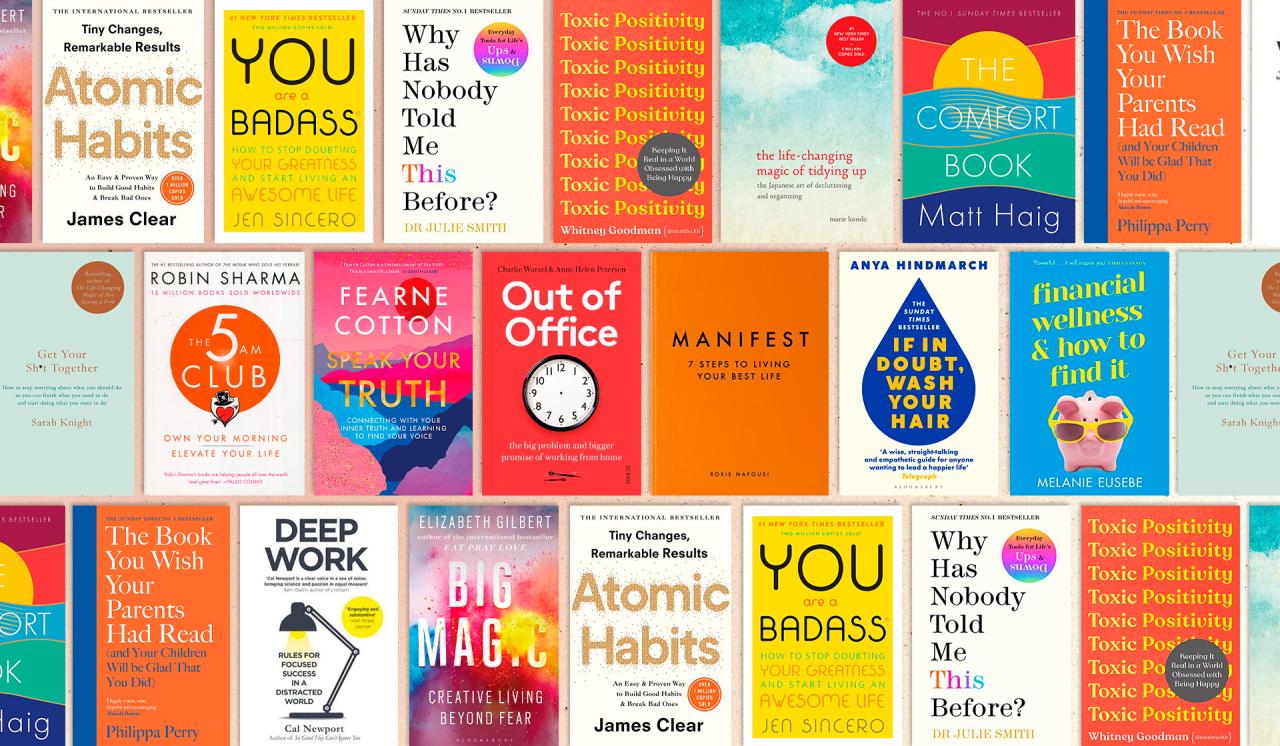
Self-help books can be a valuable tool for personal growth, offering insights and strategies for navigating various life challenges. However, it’s crucial to understand their limitations and when professional guidance is necessary. Relying solely on self-help books can sometimes lead to misinterpretations or ineffective strategies, particularly when dealing with complex or deeply rooted issues.Misinterpretations of information and a lack of personalized feedback are potential pitfalls when using self-help books.
While many books offer general advice, applying them to specific personal situations without proper guidance can lead to frustration or ineffective outcomes. It’s important to remember that self-help books are not a substitute for professional help, especially when dealing with mental health concerns.
Limitations of Self-Help Books
Self-help books provide valuable frameworks and insights, but they often lack the individualized attention and tailored strategies that a therapist can offer. They may not address specific underlying issues, and the solutions proposed might not be appropriate for every individual.
- Oversimplification of Complex Issues: Many self-help books attempt to provide quick fixes for complex emotional or behavioral patterns. This oversimplification can lead to a superficial understanding of the problem, hindering progress toward lasting solutions.
- Lack of Personalized Guidance: Self-help books often provide generalized advice. This can fall short when addressing unique circumstances and personal experiences. A therapist can offer tailored strategies based on an individual’s specific needs and history.
- Potential for Misinterpretation: Individuals may misinterpret the information presented in a self-help book, leading to ineffective or even harmful applications. A therapist can clarify concepts and ensure the information is used appropriately.
Situations Where Professional Help is Crucial
Certain situations demand professional intervention beyond the scope of self-help books. These situations often involve deeply rooted emotional issues, significant behavioral patterns, or complex life transitions.
Self-help books and therapists often offer strategies for navigating life’s challenges, but sometimes even experts get things wrong. For example, recent news about the retraction of a study on abortion pills, as reported in this article , highlights the importance of critical thinking when evaluating information, especially in the complex world of medical research. Ultimately, while self-help resources can be valuable tools, it’s crucial to seek out reputable sources and consider various perspectives when making decisions.
- Severe Mental Health Conditions: Conditions such as depression, anxiety disorders, or post-traumatic stress disorder (PTSD) often require professional diagnosis and treatment. Self-help books might offer some support, but they are not a replacement for therapy and medication, if prescribed.
- Trauma and Abuse: Individuals who have experienced trauma or abuse often need specialized support to process their experiences and develop coping mechanisms. Self-help books may not address the deep-seated emotional wounds or the potential need for trauma-informed therapy.
- Relationship Issues: While self-help books can offer strategies for communication and conflict resolution, severe relationship problems may require couples therapy to address underlying issues and develop healthier patterns of interaction.
Importance of Professional Guidance
A therapist provides a safe and supportive environment for exploring personal challenges. They offer a crucial layer of professional expertise and personalized guidance, ensuring individuals navigate their difficulties effectively.
- Objective Perspective: Therapists provide an objective perspective, helping individuals identify patterns and behaviors that might be contributing to their challenges. This objectivity can be difficult to achieve when relying solely on self-help books.
- Tailored Strategies: Therapists tailor strategies to an individual’s unique needs, considering their personal history, current circumstances, and emotional state. This personalization is often lacking in self-help books.
- Emotional Support: Therapists offer emotional support and validation, which can be crucial for individuals navigating difficult emotions and experiences. This support is a significant benefit that self-help books typically cannot provide.
Illustrative Examples of Book-Therapy Integration
Integrating self-help books with therapy can significantly enhance the therapeutic process, providing a structured approach to addressing personal challenges. This integration allows therapists to tailor interventions based on specific book content, enriching the client’s understanding and commitment to their personal growth. Combining the practical tools and insights from self-help books with the guidance of a trained therapist creates a synergistic effect, leading to more effective and lasting change.Effective integration involves a thoughtful exploration of the book’s principles and how they can be applied to the client’s specific situation.
Therapists utilize the book’s concepts to formulate tailored exercises, discussions, and homework assignments, creating a dynamic and personalized therapeutic experience.
Specific Situations of Effective Integration
The integration of self-help books with therapy can be particularly beneficial in various situations. For instance, a client struggling with anxiety might find a book like “The Anxiety and Phobia Workbook” helpful. A therapist can leverage the techniques and strategies presented in the book to create tailored coping mechanisms for the client. This could involve cognitive restructuring exercises, relaxation techniques, and exposure therapy, all grounded in the book’s principles.
Different Self-Help Approaches in Therapy
Different self-help approaches lend themselves to different therapeutic applications. Cognitive Behavioral Therapy (CBT) often aligns well with books focused on changing thought patterns and behaviors, such as “Feeling Good” by David Burns. Mindfulness-based approaches can be complemented by books on meditation and stress reduction, like “Wherever You Go, There You Are” by Jon Kabat-Zinn. Similarly, books on interpersonal skills, like “How to Win Friends and Influence People” by Dale Carnegie, can be used as a springboard for therapeutic interventions focused on relationship dynamics.
Table: Application of Self-Help Books in Different Therapeutic Settings
| Self-Help Book | Therapeutic Setting | Therapist’s Approach |
|---|---|---|
| “The Seven Habits of Highly Effective People” by Stephen Covey | Personal Development and Time Management | Therapist facilitates discussions on prioritizing tasks, setting goals, and developing effective communication skills, using the book’s principles to develop actionable strategies. |
| “Daring Greatly” by Brené Brown | Vulnerability and Self-Compassion | Therapist guides clients in exploring the book’s concepts of vulnerability and shame, helping them develop self-compassion and emotional resilience through journal prompts and role-playing exercises. |
| “Decluttering Your Mind” by S.J. Scott | Stress Management and Mindfulness | Therapist integrates mindfulness exercises from the book to help clients identify and release negative thought patterns and anxieties, focusing on cultivating present moment awareness. |
Tailoring Interventions to Align with Book Content
Therapists tailor interventions to align with the specific content of the self-help book. This personalized approach ensures that the strategies and techniques are relevant to the client’s individual needs and challenges. For example, if a client is using a book on assertiveness, the therapist may incorporate role-playing exercises to practice assertive communication in different social contexts. This integration ensures that the client gains practical application of the book’s concepts, rather than simply reading it passively.
The Impact of Culture and Background on Self-Help
Self-help books and therapy, while often beneficial, aren’t a one-size-fits-all solution. Cultural background, including values, beliefs, and societal norms, significantly influences how individuals perceive and respond to self-improvement strategies. Understanding these influences is crucial for tailoring self-help approaches to be both effective and respectful.Cultural factors profoundly shape our understanding of mental health, emotional expression, and personal growth. A self-help book written from a Western perspective might not resonate with someone from a collectivist culture, where individualistic approaches are less emphasized.
Similarly, a therapist unfamiliar with a client’s cultural background might unintentionally make assumptions or offer advice that is inappropriate or ineffective.
Cultural Influences on Self-Help Book Effectiveness
Self-help books often reflect the cultural values and experiences of their authors. For example, books emphasizing individual achievement and personal responsibility may resonate more with individuals from individualistic cultures, but may not be as helpful to those from collectivist cultures who prioritize group harmony and interdependence. The language used in the book, the examples provided, and the overall tone can also vary significantly depending on the cultural context.
It is important to critically evaluate the cultural assumptions underlying a self-help book before choosing it.
Cultural Sensitivity in Therapist-Client Interactions
Therapists play a crucial role in ensuring that self-help strategies are culturally sensitive. A culturally sensitive therapist acknowledges and respects the client’s cultural background, recognizing how it might affect their perception of mental health issues, coping mechanisms, and the therapeutic process. Active listening and a willingness to understand the client’s perspective are paramount. The therapist should be mindful of potentially problematic biases and ensure that their approach is tailored to the client’s unique needs and cultural context.
Examples of Culturally Appropriate Self-Help Resources
A variety of culturally appropriate self-help resources are available. These may include books, workshops, or online communities specifically designed to address the needs of particular cultural groups. For example, some self-help books focus on navigating cultural identity, immigration challenges, or intergenerational trauma, which are common experiences for many. Additionally, therapists familiar with diverse cultures and backgrounds are more likely to provide culturally sensitive support.
Table: Comparing and Contrasting Cultural Impact on Self-Help Book Choices
| Cultural Dimension | Individualistic Culture (e.g., Western) | Collectivist Culture (e.g., Asian, some Latin American) | Impact on Self-Help Book Choice |
|---|---|---|---|
| Emphasis | Individual achievement, personal responsibility | Group harmony, interdependence, social obligations | Books emphasizing personal responsibility might be more appealing to individuals from individualistic cultures, while books promoting social harmony might resonate more with those from collectivist cultures. |
| Emotional Expression | Open expression of emotions | Suppressed or indirect expression of emotions | Self-help books promoting emotional expression may be less effective in cultures where emotional restraint is valued. |
| Problem Solving | Individualistic problem-solving strategies | Collaborative problem-solving involving family or community | Books focusing on individual strategies may not address the needs of individuals from collectivist cultures, where family or community support plays a critical role. |
Future Trends and Implications
The relationship between self-help books and therapy is evolving rapidly, driven by technological advancements and shifting societal needs. As individuals increasingly seek accessible and personalized solutions for their well-being, the integration of these two approaches promises to become even more sophisticated and impactful. This fusion holds the potential to democratize mental health support, making it more readily available and effective for a wider range of people.The future of self-help and therapy will likely involve a more seamless and integrated approach, moving beyond simply combining the two.
The lines between guided self-discovery and professional support will continue to blur as technology plays a crucial role in shaping the landscape. This blended approach will allow for a more tailored and effective solution for diverse individuals and situations.
Predicted Evolution of the Relationship
The future of self-help books and therapy will likely see a greater emphasis on personalized experiences. Instead of one-size-fits-all approaches, self-help books will be increasingly tailored to specific needs, using data and insights from user profiles and engagement patterns. Therapists will use this personalized feedback to tailor their interventions, leading to more efficient and effective treatment plans. This integration will move away from a linear progression of book-then-therapy to a more dynamic exchange, with therapists utilizing self-help books as tools in their practice and individuals using therapy to deepen their self-understanding fostered through the books.
Impact of Technology
Technology will undoubtedly reshape the way self-help books and therapy are delivered. Interactive apps, virtual reality simulations, and personalized learning platforms will create dynamic learning experiences, offering users immediate feedback and progress tracking. Imagine a self-help app that adapts to a user’s emotional state in real-time, providing tailored exercises and resources. These technologies will also facilitate remote therapy, making mental health support accessible to individuals in geographically isolated areas or those with scheduling constraints.
Emerging Areas of Interest
Emerging areas of interest include the development of AI-powered self-assessment tools and personalized self-help programs. The use of neurofeedback and mindfulness techniques will likely become more integrated, with self-help books and apps providing guided practices and interactive exercises. Furthermore, the intersection of self-help and neuroscience will gain momentum, exploring how specific cognitive and emotional processes can be improved through tailored self-help strategies.
This exploration will lead to better understanding of the mechanisms behind various mental health conditions.
Hypothetical Future Self-Help Approach
A future self-help approach combined with therapy could take the form of a personalized, modular system. This system would involve a user creating a profile outlining their specific needs and goals. Based on this profile, a curated selection of self-help resources, including books, articles, and interactive exercises, would be recommended. Therapists could then use this information to provide targeted support, facilitating a more effective and engaging treatment plan.
The system could also track progress, offering adjustments to the self-help materials based on the user’s response and feedback. This dynamic, data-driven approach would be continuously updated and refined, leading to increasingly effective solutions for a wider range of individuals.
Ending Remarks
In conclusion, self-help books therapists provide a valuable framework for personal development. By understanding the potential benefits and challenges, individuals can make informed decisions about how to best integrate self-help books into their therapeutic journey. Ultimately, a collaborative approach with a qualified therapist is key to harnessing the full potential of these resources.
Essential Questionnaire
Can self-help books replace therapy?
No, self-help books are a supplemental resource, not a replacement for professional therapy. While they can offer valuable insights and strategies, a therapist provides personalized guidance, a deeper understanding of individual needs, and a safe space for emotional processing.
How can I choose a self-help book that aligns with my needs?
Look for books that resonate with your specific goals and challenges. Consider the author’s credentials and the book’s methodology. Talking to a therapist can help narrow down options and identify books that complement your current therapeutic approach.
What are some common challenges when using self-help books?
Common challenges include unrealistic expectations, a lack of personalized guidance, and not understanding how to apply the strategies effectively. A therapist can help individuals avoid these pitfalls by providing support and tailoring strategies to their unique circumstances.
How do therapists help clients select the right self-help books?
Therapists assess client needs and goals to recommend self-help books that are relevant and helpful. They also consider the client’s existing therapeutic approach and any potential conflicts or limitations. This tailored approach ensures the book selection supports the overall therapeutic journey.