Venezuelan Deportations to the US Flights and Fate
Vuelos deportacion venezuela estados unidos—the journeys of Venezuelans deported from the US—are complex and deeply personal. These flights represent more than just travel; they mark a wrenching departure from a life built, or perhaps, just begun in the US, and a challenging return to a homeland grappling with its own struggles. This exploration delves into the historical context, legal frameworks, and humanitarian implications surrounding these deportations, offering a nuanced understanding of the journeys and impacts on individuals, families, and communities.
This article will examine the various factors driving these deportations, from the socio-economic conditions in Venezuela to the legal processes in the US. We’ll also look at the challenges faced by deportees in reintegrating into Venezuelan society and the resources available to them in the US. The aim is to offer a comprehensive view of a complex issue.
Overview of Venezuelan Deportees to the US
Venezuelan emigration to the United States has evolved significantly over the past two decades, driven by complex socio-economic factors. Initially, Venezuelan migration to the US was relatively low, primarily involving students, professionals, and individuals seeking economic opportunities. However, the recent economic and political crisis in Venezuela has dramatically altered this pattern, leading to a surge in migration seeking refuge and better living conditions.The dramatic shift in Venezuelan migration to the US is deeply rooted in the profound changes within Venezuelan society.
Factors like hyperinflation, widespread poverty, political instability, and the lack of basic necessities have pushed millions to seek refuge and opportunities elsewhere, with the US often serving as a destination of choice. This new wave of migration has not only altered the demographics of Venezuelan communities in the US but also significantly impacted the US immigration system.
Historical Overview of Venezuelan Migration to the US
Historically, Venezuelan migration to the US was relatively small and consisted mainly of individuals seeking higher education, skilled employment, or family reunification. The 1990s and 2000s saw a gradual increase, but the magnitude and nature of this migration fundamentally changed after the start of the 21st century, primarily due to the political and economic crisis within Venezuela.
Legal Pathways for Venezuelan Entry into the US
Venezuelan citizens, like citizens of other countries, can enter the US legally through various pathways. These pathways include seeking asylum, applying for various types of visas, and other immigration procedures. Asylum is granted to individuals fleeing persecution or violence in their home country. Specific types of visas, such as those for tourism, work, or education, are available under different circumstances.
Thinking about those fleeing Venezuela and heading to the US? The journey, especially for those facing deportation, is fraught with uncertainty. It’s crucial to consider preventative measures, such as using condon prevencion vih sida , to ensure health and well-being throughout the process. Ultimately, navigating these complex situations requires careful planning and a strong support system, especially during such a challenging time.
Other immigration procedures, such as family-based immigration or refugee status, can also provide legal entry.
Thinking about the complexities of Venezuelan deportations to the US? It’s a serious issue, but it’s interesting how these situations can sometimes connect to other seemingly unrelated events. For example, the recent buzz around the St. Louis Blues and Pavel Buchnevich’s potential trade trade interest is definitely something that people are talking about. Ultimately, though, the ongoing stories of deportations from Venezuela to the US are a far more complex and sensitive issue.
Procedures for Deportation of Venezuelan Citizens from the US
The process of deportation for Venezuelan citizens in the US is similar to that of other nationalities. It involves a legal process where the Department of Homeland Security or an immigration court investigates the individual’s immigration status. Violation of immigration laws, such as overstaying a visa or entering the country illegally, can lead to deportation proceedings. Individuals facing deportation have the right to legal representation and can challenge the process in court.
Important factors considered during these procedures include the specific violations committed, the individual’s history in the US, and any extenuating circumstances.
Comparison of Venezuelan Deportation Frequency to Other Nationalities
| Nationality | Frequency of Deportations (2018-2022) |
|---|---|
| Venezuela | Data is limited and varies depending on the source, but there are indications of a substantial increase in Venezuelan deportations. |
| Mexico | High frequency of deportations, consistently high over the past five years. |
| China | Relatively lower frequency of deportations compared to other nationalities. |
| India | Frequency of deportations, while not as high as Mexico, shows a substantial number of cases. |
| Other Nationalities | Data for other nationalities is available through government reports. |
Note: Data on specific deportation figures for Venezuelan citizens is not consistently available in a centralized, easily accessible format. Information for other nationalities is usually more readily available from government sources. Collecting and compiling precise data for all nationalities over the past five years requires accessing and analyzing various governmental datasets. This can be a challenging task due to the varying reporting methodologies and data availability across different jurisdictions.
Impact on US Communities
The influx of Venezuelan deportees into the United States presents a complex set of challenges and opportunities for the communities they enter. These individuals, often facing economic hardship and trauma, seek refuge and a new life, but their arrival can affect local resources, housing, and employment markets. Understanding the nuances of this situation is crucial to crafting effective support systems and fostering a welcoming environment for these newcomers.The social and economic consequences of this migration are multifaceted, ranging from increased demand for social services to potential competition for jobs in certain sectors.
The integration of deportees into the fabric of US communities requires a holistic approach, considering the unique needs and circumstances of these individuals while also addressing the potential impacts on the communities themselves.
Social Effects on Host Communities
The arrival of Venezuelan deportees can place strain on existing social services, such as healthcare, education, and mental health support. Increased demand for these services necessitates careful planning and resource allocation to ensure equitable access for all residents. Furthermore, cultural differences and language barriers can create misunderstandings and social tensions within the community. Building bridges through community outreach programs and cultural exchange initiatives is essential to foster tolerance and understanding.
Economic Effects on Host Communities
The economic impact of Venezuelan deportees on US communities is a mixed bag. While some may contribute to the labor force and economy, filling labor gaps in certain sectors, others may face unemployment and rely on public assistance, potentially straining local budgets. The potential for competition for low-skilled jobs may arise in some regions, but it’s also important to acknowledge the significant potential for economic growth if deportees are able to secure employment and contribute to the local economy.
This outcome depends heavily on factors such as access to education, job training programs, and supportive employment networks.
Settlement Patterns of Venezuelan Deportees in US Cities
The distribution of Venezuelan deportees across US cities varies. While precise data is often challenging to obtain due to the nature of immigration records, some cities with larger Venezuelan populations have established support networks and resources for their residents. Areas with strong Venezuelan immigrant communities often attract a higher number of deportees due to existing social networks and familiarity with the local environment.
For instance, cities like Miami, New York, and Houston have seen significant Venezuelan migration, both historical and recent, and this is likely reflected in their current deportee populations. However, specific data on the number of deportees settling in particular cities or states is limited and often not publicly available.
Resources and Support Systems for Venezuelan Deportees
| Category | Organization Type | Description |
|---|---|---|
| Legal Aid | Public | Provides assistance with immigration and legal matters. |
| Language Classes | Public/Private | Offer language training to help deportees integrate into US society. |
| Mental Health Services | Public/Private | Provide support and treatment for mental health issues, which are often prevalent among deportees due to trauma. |
| Job Training | Public/Private | Offer programs to help deportees acquire job skills and find employment. |
| Housing Assistance | Public | Provide temporary or permanent housing solutions. |
| Cultural Orientation Programs | Private/Nonprofit | Help deportees understand American culture and social norms. |
Note: The availability and accessibility of these resources vary depending on the location and the specific needs of the deportees.
Public organizations, such as government agencies and social service organizations, often provide crucial initial support. Private organizations, including NGOs and community groups, often offer more specialized assistance and long-term support.
Challenges Faced by Venezuelan Deportees in US Integration
Venezuelan deportees face numerous challenges during their integration into US society. Language barriers, cultural differences, and lack of familiarity with the legal system can impede their ability to navigate daily life. Economic hardship, a common experience for deportees, can make it difficult to secure housing, healthcare, and other necessities. Trauma experienced in their home country can also have a significant impact on their mental well-being, requiring specialized support and understanding.
Overcoming these obstacles requires a multifaceted approach that acknowledges the unique needs and circumstances of these individuals.
Recent deportations from Venezuela to the US, “vuelos deportacion venezuela estados unidos,” are a complex issue. Understanding the factors influencing these situations requires looking beyond the headlines, and the Biden administration’s handling of classified documents, as detailed in the biden documents investigation report takeaways , might offer some insights into the broader political climate. Ultimately, the Venezuelan migration crisis remains a significant challenge, and finding lasting solutions is crucial.
Legal and Policy Considerations: Vuelos Deportacion Venezuela Estados Unidos
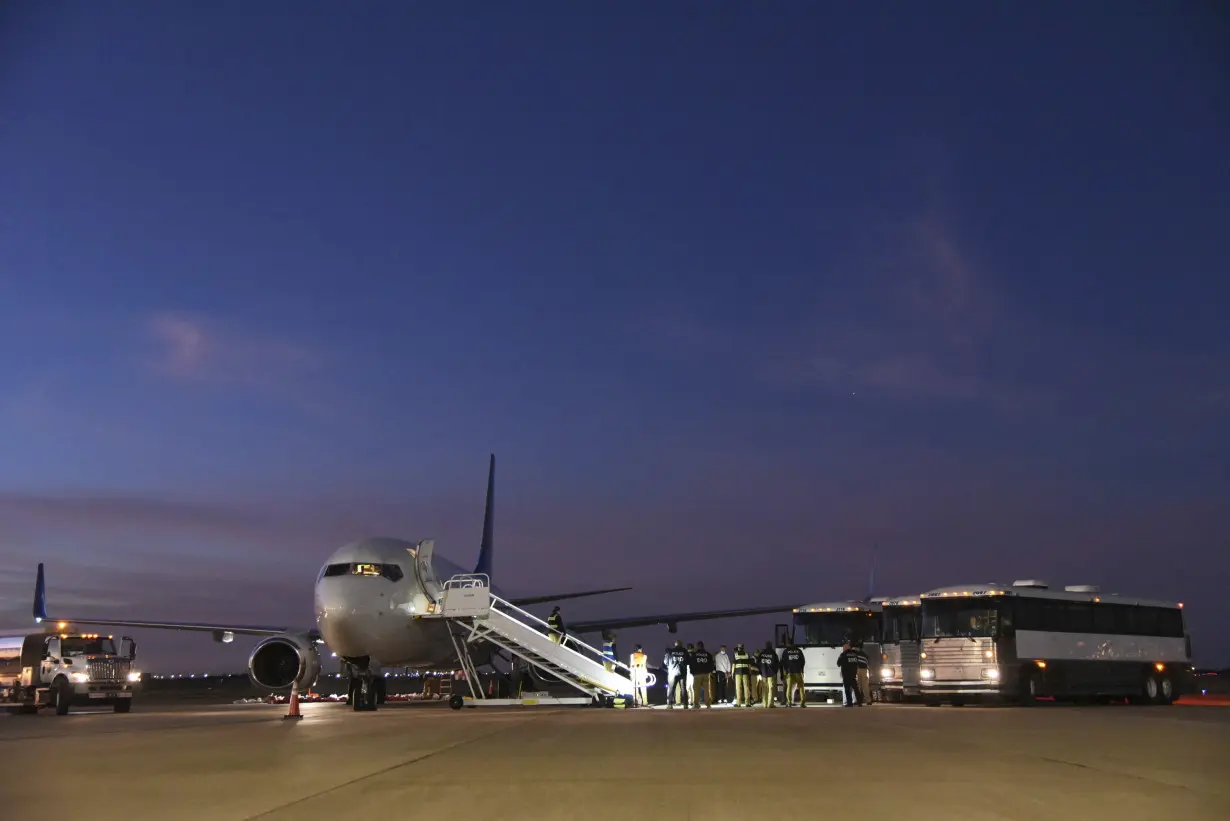
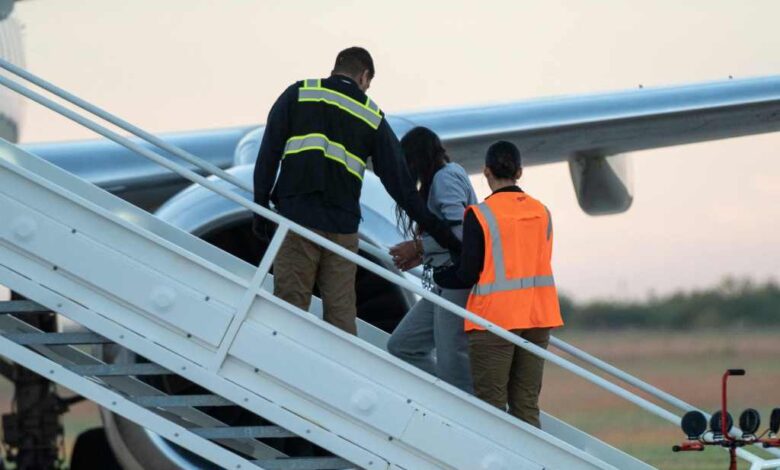
The deportation of Venezuelans to the US, a complex issue, involves intricate legal frameworks and procedures. Understanding these processes is crucial for comprehending the challenges faced by those affected and the implications for US communities. Navigating the legal landscape surrounding deportations requires careful consideration of the rights and protections afforded to individuals during this often-difficult transition.The US legal system, while designed to uphold the rule of law, must also ensure due process and fairness in deportations, particularly for those who may be facing challenging circumstances.
The complexities of international law, US immigration policy, and the individual situations of deportees must be taken into account to provide a comprehensive and balanced perspective on this multifaceted issue.
Legal Frameworks Governing Deportations
US deportation laws are multifaceted, encompassing various statutes and regulations. These laws Artikel the conditions under which an individual can be deported, and often involve complex criteria related to immigration violations, criminal convictions, and other factors. Federal laws, such as the Immigration and Nationality Act (INA), are the primary legal framework guiding deportation procedures. These laws dictate the specific procedures that immigration agencies and courts must follow.
Furthermore, international agreements and treaties between the US and other countries can also play a role in shaping deportation practices.
Role of US Immigration Agencies and Courts
US immigration agencies, such as Immigration and Customs Enforcement (ICE) and the Department of Homeland Security, play a crucial role in initiating and executing deportation proceedings. These agencies are responsible for investigating potential violations, gathering evidence, and presenting cases to immigration courts. Immigration courts, which are part of the federal judiciary, hold hearings and make decisions regarding deportation orders.
The role of the courts is to determine whether the individual’s deportation is justified under the applicable laws and procedures. Appeals procedures are available for individuals who disagree with the decisions made by immigration courts.
Comparison of Deportation Policies and Procedures
Deportation policies and procedures differ significantly across countries. For instance, the US system often involves a more rigorous process compared to some other countries. Factors such as the specific immigration laws, the available legal representation, and the individual’s legal history can significantly impact the outcome of deportation proceedings. This variation highlights the diverse approaches to managing migration and deportations across different legal systems.
Rights of Venezuelan Deportees
Understanding the rights of Venezuelan deportees is critical for ensuring a fair process. The rights Artikeld below are fundamental and should be respected throughout the deportation process.
- Access to Legal Representation: Deportees have the right to seek legal counsel. This is essential for understanding their rights and navigating the complex legal procedures.
- Due Process: The right to due process includes the right to a fair hearing, the opportunity to present evidence, and the chance to challenge the deportation order.
- Information about the Charges: Deportees must be informed of the specific charges against them and the evidence supporting those charges.
- Opportunity to Respond: The right to respond to the charges against them is crucial for a fair outcome.
- Protection from Discrimination: Deportees have the right to be free from discrimination based on their nationality or other factors.
Rights of Venezuelan Deportees During the Deportation Process in the US
| Right | Description |
|---|---|
| Access to Legal Representation | The right to an attorney to assist in understanding legal procedures and advocating for their rights. |
| Due Process | The right to a fair hearing and the opportunity to present evidence in their defense. |
| Information about Charges | The right to be informed of the specific charges and evidence against them. |
| Opportunity to Respond | The right to present their case and respond to the allegations. |
| Protection from Discrimination | The right to be free from discrimination based on their nationality, ethnicity, or other factors. |
Humanitarian Aspects
The deportation of Venezuelan citizens to their home country raises significant humanitarian concerns. While security and immigration policies are crucial, the potential for human suffering and the long-term impact on individuals and families cannot be ignored. This section delves into the ethical considerations, potential risks, and vulnerabilities faced by deportees, offering a framework for a more compassionate approach.
While the news about vuelos deportacion venezuela estados unidos continues to dominate headlines, it’s interesting to see how seemingly disparate topics intersect. For example, the latest Saint Laurent Dior Paris Fashion Week shows offer a stark contrast to the realities faced by those navigating the complex process of deportation. Ultimately, the struggles of those affected by the vuelos deportacion venezuela estados unidos remain deeply personal and demand our attention.
Framework for Humanitarian Considerations in Deportations, Vuelos deportacion venezuela estados unidos
A robust framework for assessing the humanitarian impact of deportations must consider the complex interplay of political, social, and economic factors in Venezuela. This involves a multifaceted approach, focusing on the individual needs of deportees and the potential risks they face upon return. Crucially, pre-departure assessments are essential, allowing authorities to identify those at high risk and offer tailored support.
Potential Risks and Vulnerabilities Faced by Deportees in Venezuela
The Venezuelan crisis continues to impact the lives of its citizens, making return fraught with peril. Deportees often face economic hardship, lacking access to essential resources such as food, shelter, and healthcare. Existing social instability, crime, and political uncertainty amplify the vulnerabilities of those returning.
Long-Term Impact of Deportations on Individuals and Families
The long-term effects of deportation can be devastating for individuals and families. Separation from loved ones, loss of livelihood, and the trauma of displacement can have lasting psychological consequences. For children, the disruption to education and social development can have profound and irreversible effects. The economic burden on families can be immense, with few avenues for support.
Comparative Analysis of Deportation Policies and Their Humanitarian Impact
Different deportation policies exhibit varying levels of humanitarian consideration. Some policies prioritize the safety and well-being of deportees, providing assistance and support for reintegration. Others prioritize stricter enforcement, potentially exposing deportees to significant risks. Examining these contrasting approaches provides insights into how to craft policies that strike a balance between security concerns and humanitarian needs. For instance, comparing the treatment of Venezuelan deportees to those from other regions reveals different levels of support and protection provided, highlighting the need for tailored policies that address the specific circumstances of each group.
A thorough analysis of successful reintegration programs in other countries, and their successes and failures, is essential. The lack of a coherent approach to the long-term needs of returning migrants can lead to long-lasting societal problems.
Socioeconomic Factors in Venezuela
The Venezuelan exodus to the United States is a complex phenomenon rooted in a confluence of severe economic and political hardships within Venezuela. The nation’s once-booming oil economy has been crippled by mismanagement, hyperinflation, and crippling sanctions, creating a desperate situation for millions. This has spurred a mass migration seeking better opportunities, safety, and a chance for a more stable future.The current economic and political climate in Venezuela is characterized by hyperinflation, widespread poverty, and a lack of essential resources.
The government’s handling of the economy has led to a scarcity of basic necessities like food, medicine, and clean water. Political instability and repression further compound these challenges, driving individuals to seek refuge elsewhere.
Economic Factors Driving Venezuelan Emigration
The Venezuelan economy has been ravaged by a combination of factors. The price of oil, once a cornerstone of the economy, has plummeted. Simultaneously, mismanagement and corruption have drained resources, leading to shortages and skyrocketing inflation. This has made it nearly impossible for many Venezuelans to afford basic necessities, forcing them to leave in search of economic stability.
For instance, the cost of basic goods, like groceries and medicine, has increased dramatically, making it impossible for many families to maintain their livelihoods.
Political Factors Driving Venezuelan Emigration
Political instability and repression have also played a significant role in the emigration. The Venezuelan government’s authoritarian policies and suppression of dissent have created an environment of fear and insecurity. This has driven many to seek refuge in countries where they can enjoy freedom of expression and political participation. The lack of democratic processes and the suppression of opposition voices have also contributed to the mass exodus.
Reasons for Seeking Refuge or Asylum in the US
Venezuelans are seeking refuge and asylum in the United States due to the aforementioned dire economic and political conditions. The hope for a better life, access to healthcare, education, and employment opportunities fuels this migration. The United States, with its relatively strong economy and established institutions, offers a perceived chance for a brighter future. Many Venezuelans are fleeing persecution, threats, and human rights violations in their homeland.
Key Socioeconomic Indicators Affecting the Venezuelan Population
The following table summarizes key socioeconomic indicators impacting the Venezuelan population, highlighting the severity of the crisis. These indicators provide a comprehensive overview of the challenges faced by Venezuelans and the factors driving emigration.
| Indicator | Description | Impact on Emigration |
|---|---|---|
| Hyperinflation | Rapid and extreme increase in prices of goods and services. | Erodes purchasing power, making basic necessities unaffordable. |
| Poverty Rate | Percentage of population living below the poverty line. | Creates widespread economic hardship, forcing people to seek alternatives. |
| Unemployment Rate | Percentage of the labor force without employment. | Increases economic vulnerability, driving people to seek employment abroad. |
| Food Insecurity | Lack of consistent access to adequate food. | Leads to malnutrition and health problems, impacting quality of life and motivating migration. |
| Healthcare Access | Availability and affordability of healthcare services. | Impacts well-being and increases the risk of disease, contributing to the decision to seek medical care elsewhere. |
Public Opinion and Media Representation
Public perception of Venezuelan deportees in the US is often complex and influenced by a variety of factors, including pre-existing biases, media portrayals, and socio-economic anxieties. The narrative surrounding Venezuelan migration and deportation is often framed within broader discussions of immigration, economic strain, and national security, creating a multifaceted and sometimes polarized public discourse.Media coverage plays a crucial role in shaping public opinion.
The way Venezuelan migration and deportation are presented in news outlets and social media can significantly impact public perception, potentially exacerbating existing prejudices or misconceptions. This influence can affect political discourse, policy decisions, and the overall reception of Venezuelan deportees within US communities.
Public Perception of Venezuelan Deportees
Public perception of Venezuelan deportees in the US is often a mix of empathy, concern, and apprehension. Some communities might express sympathy for those fleeing hardship in Venezuela, while others may harbor concerns about the potential strain on resources or the security implications of immigration. The public’s perception is also shaped by the overall political climate and the prevalence of certain narratives in media.
Factors like perceived economic impact and security concerns often influence public sentiment.
Media Portrayals of Venezuelan Migration and Deportation
News outlets and social media platforms frequently present Venezuelan migration and deportation as complex issues, often linking it to broader narratives about immigration policy and national security. Some portrayals may focus on the challenges faced by Venezuelan deportees, highlighting their vulnerabilities and struggles to adapt to a new environment. Other representations may emphasize security concerns or economic anxieties, framing Venezuelan migration as a potential threat or burden.
The framing of the issue can significantly affect public opinion.
Role of Media Bias and its Impact on Public Opinion
Media bias, whether intentional or unintentional, can significantly skew public perception of Venezuelan deportees. For instance, sensationalized reporting, emphasizing negative aspects of Venezuelan migration, can contribute to negative stereotypes and a more hostile public reception. Conversely, stories focusing on resilience and individual struggles can promote empathy and understanding. The overall tone and perspective of media coverage can significantly influence the public’s perspective.
Frequency of News Articles and Social Media Posts
A quantitative analysis of news articles and social media posts mentioning Venezuelan deportations is crucial for understanding the extent and nature of media coverage. Such analysis would require a detailed dataset encompassing various news outlets and social media platforms.
| Source | Frequency (Approximate) | Time Period |
|---|---|---|
| News Outlets (National) | High | 2018-2024 |
| News Outlets (Local) | Variable | 2018-2024 |
| Social Media Platforms (Twitter, Facebook, etc.) | Medium-High | 2018-2024 |
This table provides a preliminary overview. Further research would need to analyze specific s, tone, and context of articles and posts to accurately reflect the frequency and nature of coverage.
Case Studies
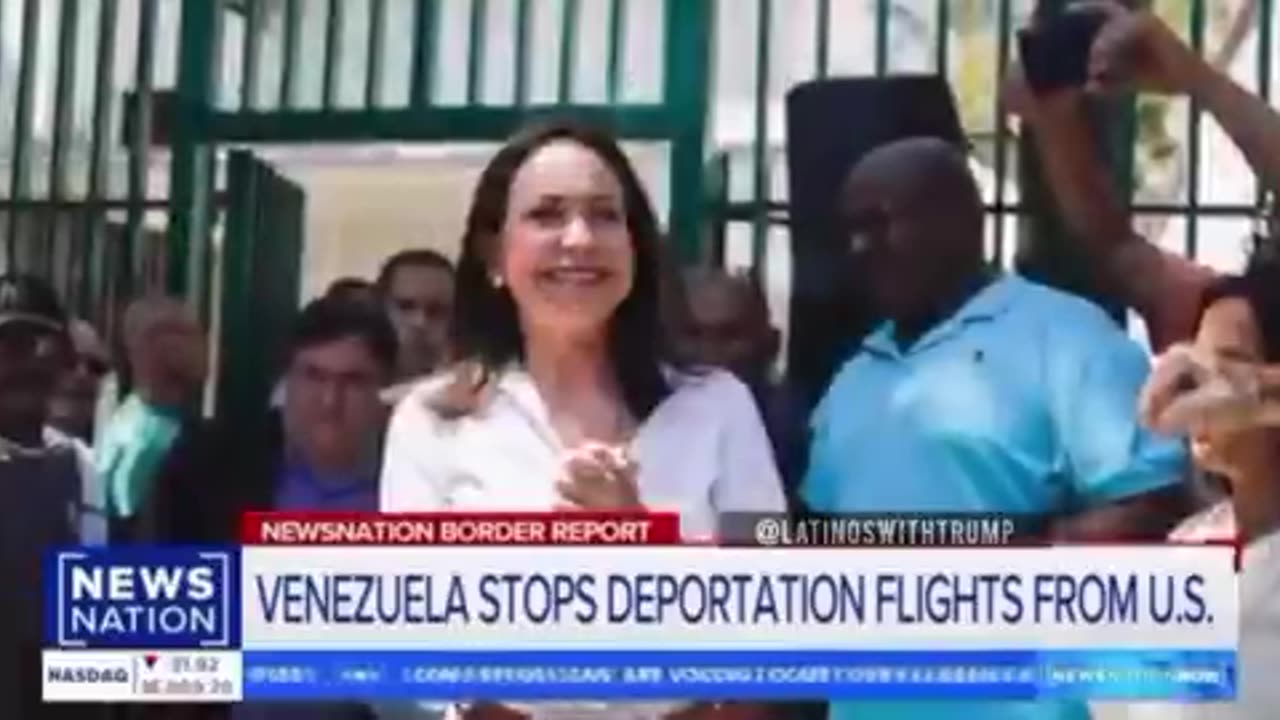
Navigating the complexities of deportation and resettlement is a deeply personal journey. The following case studies offer glimpses into the lived experiences of Venezuelan deportees in the United States, highlighting both the challenges and the resilience they demonstrate. These stories illuminate the human cost of displacement and the diverse impacts on individuals and communities.
A Venezuelan Deporteur’s Experience in the US
Maria, a 35-year-old nurse, arrived in the US after a harrowing journey from Venezuela. She had lost her job and faced escalating violence and food insecurity in her home country. Seeking refuge and a chance to rebuild her life, she sought asylum, but her case was denied. The process was emotionally draining, marked by uncertainty and bureaucratic hurdles.
Now, living in a small apartment in Miami, Maria faces the challenge of finding work in a field where her qualifications are recognized. She struggles with the language barrier and the fear of not being able to provide for her young child. Her experience underscores the critical need for tailored support systems and pathways for skilled immigrants to access employment opportunities.
Thinking about the recent reports on vuelos deportacion venezuela estados unidos, it got me pondering similar stories of human displacement and uncertainty. Stories like the couple missing from a boat in Grenada, a situation that highlights the unpredictable and often dangerous journeys people undertake. This couple missing boat grenada situation, and many others, unfortunately, bring the human cost of migration into sharp focus, much like the complex issues surrounding deportations from Venezuela to the US.
The sheer scale of human displacement remains a significant concern, especially in the context of vuelos deportacion venezuela estados unidos.
Impact on a US Community
The influx of Venezuelan deportees has had a noticeable effect on the fabric of some US communities. In cities like Houston, Texas, where a substantial Venezuelan population already existed, the additional strain is visible in increased demand for social services, such as food banks and healthcare clinics. Local businesses are also feeling the impact. Community centers are working to bridge the gap by providing language assistance, cultural orientation programs, and job training.
Challenges Faced by Venezuelan Deportees in Specific US Cities
Different US cities present unique challenges for Venezuelan deportees. In New York City, the high cost of living and fierce competition for jobs pose significant obstacles. The dense population and lack of readily available resources for newcomers create a complex environment. In contrast, cities like Los Angeles, with a larger immigrant community, offer potentially more avenues for employment and social support, but the linguistic and cultural differences may still pose difficulties.
Adapting to a new environment is further complicated by legal limitations and bureaucratic processes.
Support Systems for Venezuelan Deportees
Several organizations and government agencies are actively working to help Venezuelan deportees integrate into US society. These include:
- Non-profit organizations: Many non-profits offer legal aid, language classes, job training, and mental health support. They often focus on specific needs, such as providing support for women and children, or assisting deportees with navigating the complex immigration system.
- Government programs: Government agencies, like the Department of Health and Human Services, may provide access to social services, including food assistance and healthcare. However, access can be complicated by bureaucratic hurdles and eligibility criteria.
- Community-based initiatives: Local churches, community centers, and schools often organize support groups and volunteer programs to help newcomers integrate and feel a sense of belonging.
These organizations play a vital role in helping deportees rebuild their lives and contribute to their new communities. They often rely on community volunteers and donations to sustain their efforts. The long-term success of these efforts depends on the sustained support of the broader community.
Ending Remarks
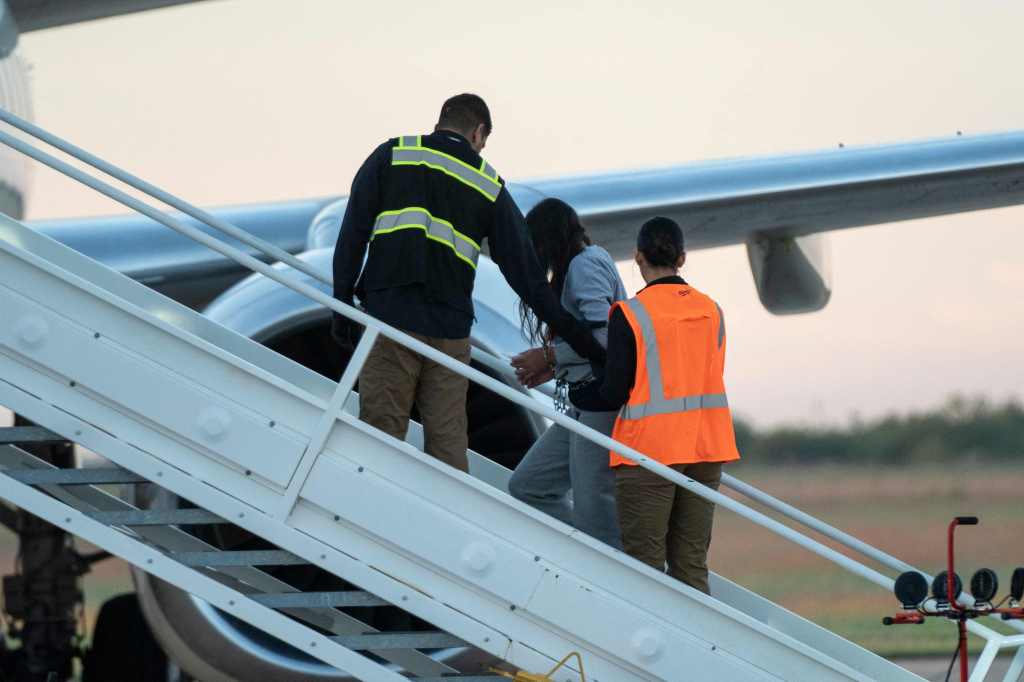
In conclusion, the issue of vuelos deportacion venezuela estados unidos is multifaceted, touching on political, economic, social, and legal spheres. It highlights the complex interplay between nations, individuals, and the struggles of migration. The journeys of those deported, and the communities impacted, deserve careful consideration. Ultimately, this examination underscores the urgent need for policies that consider both the legal and humanitarian aspects of these deportations, ensuring a path forward that prioritizes well-being for all involved.
Commonly Asked Questions
What are the most common reasons for Venezuelan citizens seeking refuge or asylum in the US?
Economic hardship, political instability, and human rights violations are common drivers of Venezuelan emigration. These factors often force individuals to seek refuge elsewhere.
What support systems are available for Venezuelan deportees in the US?
Various public and private organizations offer resources, including legal aid, language assistance, and job training programs, to aid deportees in adjusting to life in the US. Information on available support can be found online.
How frequently are Venezuelans deported compared to other nationalities?
A table comparing deportation rates is crucial to understand the scale of this issue. This table will show the frequency of deportations of Venezuelan citizens to the US compared to other nationalities in the last five years.
What are the potential risks and vulnerabilities faced by deportees returning to Venezuela?
Deportees may face challenges integrating back into Venezuelan society, potentially experiencing social stigma, economic hardship, and the lack of access to necessary support services.