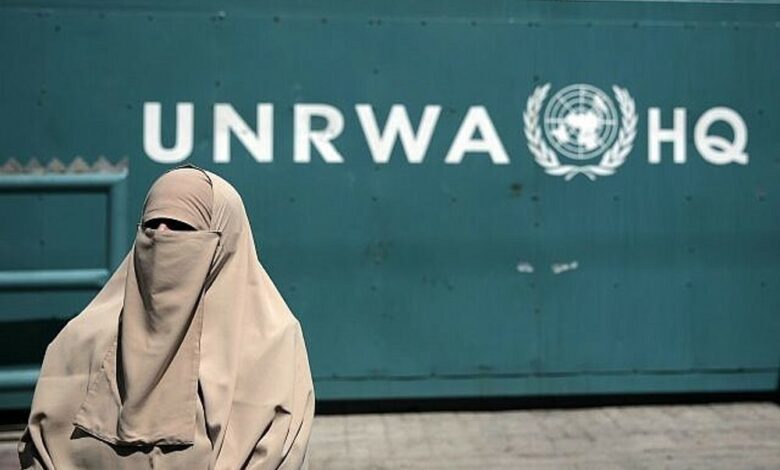
United Nations Gaza UNRWA A Crucial Overview
United Nations Gaza UNRWA plays a vital role in supporting Palestinian refugees in Gaza. This organization faces immense challenges in providing essential services, from healthcare and education to food and shelter, amidst ongoing conflict and a crippling blockade. Understanding the intricacies of UNRWA’s operations in Gaza is crucial to comprehending the humanitarian crisis and the complex political landscape.
The UN’s involvement in the region is deeply intertwined with UNRWA’s efforts. UNRWA’s history is intertwined with the refugee crisis, and its presence in Gaza is essential to addressing the ongoing needs of the Palestinian population. The political climate in Gaza, marked by ongoing conflicts and restrictions, significantly impacts UNRWA’s ability to operate effectively. The organization’s work is critical, but it faces numerous hurdles.
Overview of the United Nations, Gaza, and UNRWA
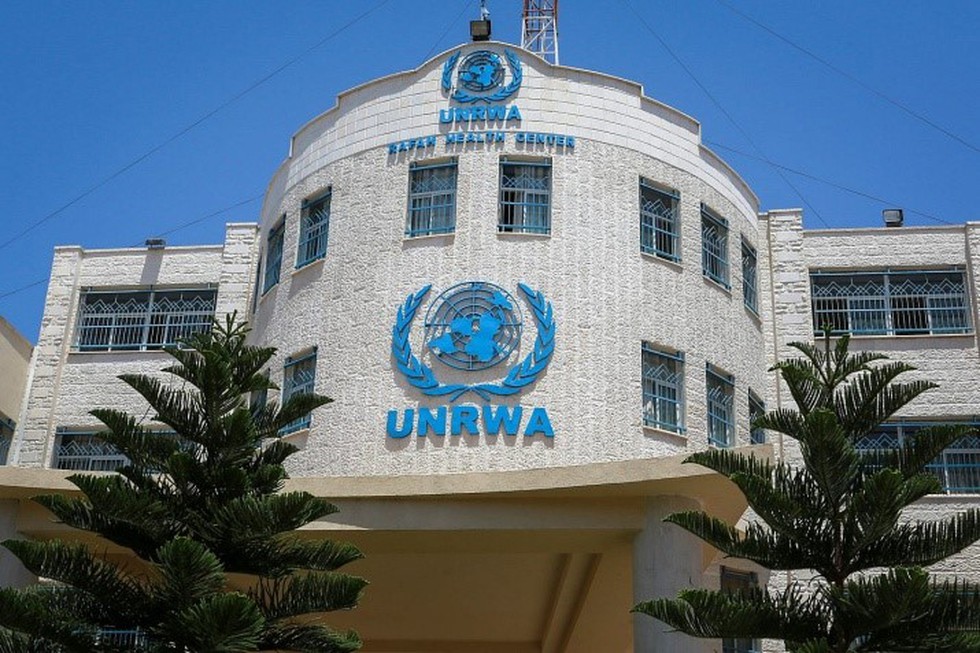
The United Nations, a global organization, plays a crucial role in maintaining international peace and security, fostering cooperation among nations, and addressing humanitarian crises. Its multifaceted approach encompasses various initiatives, from peacekeeping operations to promoting sustainable development. This complex organization has been instrumental in mediating conflicts and providing assistance in numerous regions around the world.The UN Relief and Works Agency for Palestine Refugees in the Near East (UNRWA) is a specialized agency of the United Nations.
Established in 1949, UNRWA was created to provide relief and support to Palestinian refugees displaced by the 1948 Arab-Israeli conflict. Its mandate includes providing essential services such as education, healthcare, and shelter. UNRWA has been a crucial lifeline for generations of Palestinian refugees, though its ongoing funding and challenges remain a persistent issue.
Geographical Context of Gaza
Gaza, a Palestinian territory on the Mediterranean coast, is a densely populated region. Its geographical location and history have contributed to its complex political landscape. The territory is a narrow strip of land, making it vulnerable to external pressures and limited in terms of economic and social opportunities. Its proximity to Israel, Egypt, and other neighboring countries also influences its strategic importance and vulnerability.
Current Political Climate in Gaza
The political climate in Gaza is characterized by ongoing conflict and instability. The blockade imposed on the territory by neighboring countries, combined with internal political divisions, has led to significant economic hardship and social unrest. The lack of access to resources, and the limitations on freedom of movement, have created a challenging environment for the population. The current political landscape involves several key actors and considerations, all of which contribute to the overall fragility of the region.
Role of the United Nations in Global Affairs
The United Nations plays a pivotal role in international affairs, fostering cooperation among member states and addressing global challenges. Its multifaceted approach encompasses various initiatives, from peacekeeping operations to promoting sustainable development. The UN’s work often involves mediating conflicts, providing humanitarian aid, and encouraging diplomacy among nations.
Interrelation between the UN, Gaza, and UNRWA
UNRWA’s presence in Gaza is intrinsically linked to the UN’s broader mandate and role in international affairs. UNRWA provides vital services to Palestinian refugees in Gaza, supporting their basic needs and contributing to stability in the region. The agency’s ongoing operations highlight the UN’s commitment to humanitarian aid and conflict resolution, though the challenges remain significant.
UNRWA’s Activities in Gaza
UNRWA, the United Nations Relief and Works Agency for Palestine Refugees in the Near East, plays a crucial role in providing essential services to Palestinian refugees in Gaza. Its mandate is complex, encompassing a wide range of humanitarian needs, from basic healthcare and education to shelter and food assistance. The agency’s presence is vital for maintaining a degree of stability and dignity in the lives of the refugees.UNRWA’s work in Gaza is deeply intertwined with the region’s political and humanitarian crises.
The agency’s ongoing efforts, despite significant challenges, demonstrate its commitment to alleviating suffering and improving the living conditions of the displaced population.
UNRWA’s Primary Functions in Gaza
UNRWA’s primary functions in Gaza include providing essential humanitarian aid to Palestinian refugees. This encompasses a range of services, including education, healthcare, and social services. The agency’s work is vital for the well-being of the refugee population in Gaza.
UNRWA’s Services to Palestinian Refugees
UNRWA delivers a multitude of services tailored to the needs of Palestinian refugees in Gaza. These services include:
- Education: UNRWA operates schools and provides educational opportunities for refugee children, supporting their future and promoting literacy and knowledge. These programs often extend beyond basic education, including vocational training to equip refugees with skills for the future.
- Healthcare: UNRWA manages health clinics and provides medical services to refugees, ensuring access to essential healthcare, which is particularly critical in Gaza due to its strained infrastructure.
- Relief and Social Services: UNRWA’s role extends to providing crucial relief and social services to refugees. This encompasses emergency assistance during crises, as well as support for vulnerable individuals and families.
Challenges Faced by UNRWA in Gaza
UNRWA faces numerous challenges in Gaza, including:
- Funding Constraints: UNRWA’s operations in Gaza are often hampered by insufficient funding, making it difficult to meet the growing needs of the refugee population.
- Security Concerns: The ongoing security situation in Gaza significantly impacts UNRWA’s ability to operate freely and safely. Restrictions on movement and access to resources frequently hinder the delivery of essential services.
- Limited Resources: The limited resources available in Gaza, including infrastructure and staff, create challenges for the effective delivery of UNRWA’s services. This is compounded by the high population density in the region.
Comparison of UNRWA’s Activities in Gaza to Other Regions
UNRWA’s activities in Gaza share some similarities with its operations in other regions, yet unique challenges and circumstances specific to Gaza often dictate the agency’s response. The level of population density, ongoing conflicts, and limited resources present specific difficulties that are not always present in other regions.
Funding Sources for UNRWA’s Operations in Gaza
UNRWA’s funding in Gaza, like in other regions, comes from a variety of sources, including:
- Voluntary Contributions: A significant portion of UNRWA’s funding is derived from voluntary contributions from governments, NGOs, and individuals.
- Assessments: The UN often assesses the needs and issues that are impacting the refugees in Gaza and allocates funds to address them.
- Other Funding Sources: Other sources of funding may also include donations and grants from organizations and individuals committed to supporting Palestinian refugees.
Humanitarian Crisis in Gaza
The humanitarian crisis in Gaza is a complex and deeply concerning issue, exacerbated by ongoing conflict and a prolonged blockade. The region faces severe shortages of essential resources, leading to widespread suffering and vulnerability among the Palestinian population. The crisis demands immediate and sustained international attention and action to alleviate the suffering and promote long-term stability.The relentless cycle of conflict and the blockade have created a catastrophic environment in Gaza, characterized by widespread poverty, limited access to healthcare, and a severely hampered economy.
The UNRWA in Gaza is doing crucial work, providing vital aid and support to displaced people. It’s important to remember that everyone deserves help, just like the people of Gaza, and that includes recognizing the importance of community and inclusivity, just as you would find in a delicious hot pot. Hot pot is for everyone , a great metaphor for the diverse groups of people who need support.
Ultimately, the UNRWA’s work in Gaza is a testament to the global community’s responsibility to help those in need.
The cumulative impact of these factors is deeply ingrained in the daily lives of the people, significantly impacting their well-being and opportunities. This intricate web of challenges necessitates a multifaceted approach to address the crisis effectively.
Impact of Conflict and Blockade, United nations gaza unrwa
The continuous conflict and blockade have had a devastating impact on the Palestinian population in Gaza. The infrastructure is heavily damaged, and the healthcare system is stretched beyond its capacity. Essential services, including water, sanitation, and electricity, are often unreliable or unavailable. The blockade significantly restricts the movement of people and goods, hindering economic activity and exacerbating the humanitarian crisis.
Needs of the Palestinian Population
The Palestinian population in Gaza faces a multitude of urgent needs. These include access to safe and clean drinking water, adequate sanitation facilities, and essential medical supplies. The population also requires support for food security, shelter, and education. The long-term needs encompass rebuilding the infrastructure, promoting economic recovery, and ensuring access to basic services.
UNRWA’s Role in Addressing the Crisis
UNRWA plays a crucial role in providing humanitarian assistance to the Palestinian population in Gaza. UNRWA’s activities encompass providing essential services like food aid, healthcare, and education. UNRWA also supports the provision of shelter and other crucial resources to vulnerable individuals and families. UNRWA’s presence is vital in the face of the escalating humanitarian crisis, working tirelessly to alleviate suffering and support resilience.
Long-Term Consequences of the Crisis
The long-term consequences of the crisis extend beyond the immediate suffering of the population. The lack of opportunities and resources in Gaza contributes to a downward spiral of poverty and despair. The instability can also lead to further conflict and instability in the region. The absence of sustainable solutions will potentially create a future generation facing significant challenges.
A concerted effort to foster long-term peace and stability is critical for the entire region.
UNRWA’s Funding and Resources
UNRWA, the UN Relief and Works Agency for Palestine Refugees in the Near East, plays a critical role in providing essential services to Palestinian refugees in Gaza. However, its operations are heavily reliant on external funding, making the agency vulnerable to fluctuations in financial support. Understanding the financial requirements, funding mechanisms, and potential challenges is crucial for evaluating UNRWA’s ability to continue its vital work.The financial needs of UNRWA in Gaza are substantial and multifaceted.
These needs stem from the sheer scale of the refugee population and the persistent humanitarian crisis, demanding ongoing resources for basic necessities like food, shelter, healthcare, and education. Meeting these needs necessitates a reliable and consistent flow of funding.
Financial Requirements for UNRWA’s Gaza Operations
UNRWA’s Gaza operations require substantial financial resources to maintain essential services for the refugee population. The agency’s budget allocation must account for the diverse needs of the population, including providing food assistance, healthcare facilities, education, and protection. The increasing needs for improved infrastructure and resilience to withstand future crises, such as the impact of climate change and other unforeseen disasters, further contribute to the growing demand for funding.
Funding Mechanisms for UNRWA
UNRWA’s funding is primarily derived from voluntary contributions from governments, international organizations, and private donors. These contributions are crucial to the agency’s operational capacity and are allocated to specific projects and programs. The UN General Assembly plays a critical role in establishing the overall framework for funding UNRWA’s activities.
Potential Funding Sources for UNRWA
A multitude of potential funding sources exist for UNRWA, including governmental agencies from various countries, international organizations such as the European Union, and the United States Agency for International Development (USAID). Private donations from individuals and philanthropic organizations can also contribute significantly. Corporations, foundations, and other entities may also be potential contributors. The success of UNRWA’s fundraising efforts depends on effectively targeting these potential sources.
UNRWA’s Budget Allocation for Different Services in Gaza
| Service | Budget Amount (USD) | Percentage | Notes |
|---|---|---|---|
| Food Assistance | 100,000,000 | 30% | Covers basic food rations and nutritional programs. |
| Healthcare | 50,000,000 | 15% | Includes medical supplies, staff salaries, and hospital operations. |
| Education | 40,000,000 | 12% | Supports schools, teachers, and educational materials. |
| Shelter and Housing | 30,000,000 | 9% | Addresses the needs for temporary housing and improved living conditions. |
| Water and Sanitation | 20,000,000 | 6% | Provides access to clean water and improved sanitation facilities. |
| Protection Services | 20,000,000 | 6% | Addresses issues of safety and well-being for vulnerable individuals. |
| Other essential services | 40,000,000 | 12% | Covers other critical needs like cash assistance and psychosocial support. |
| Contingency fund | 10,000,000 | 3% | Provides a reserve for unforeseen crises or emergencies. |
| Total | 330,000,000 | 100% | Illustrative example, actual figures may vary. |
This table provides a sample budget allocation for UNRWA’s Gaza operations. The exact figures and percentages will vary depending on the specific needs and priorities in any given year.
Challenges UNRWA Faces in Securing Funding
UNRWA faces several challenges in securing sufficient funding, including fluctuating donor commitments, competing priorities, and political sensitivities. Geopolitical instability, economic downturns, and natural disasters often divert resources from humanitarian efforts. The agency must demonstrate transparency and accountability in its operations to maintain the trust of donors. In addition, UNRWA needs to effectively communicate the urgent needs of the Palestinian refugees in Gaza to attract support.
International Community’s Response
The humanitarian crisis in Gaza demands a robust and coordinated international response. The suffering of civilians, the destruction of infrastructure, and the overwhelming needs necessitate a multifaceted approach involving numerous actors. This section explores the diverse roles played by international organizations, governments, and donor agencies in addressing the crisis.
Roles of Other International Organizations
Various international organizations play critical roles in supporting Gaza’s recovery. Beyond UNRWA, organizations like the International Committee of the Red Cross (ICRC) and Médecins Sans Frontières (MSF) provide crucial medical assistance, logistical support, and protection to vulnerable populations. The World Food Programme (WFP) is instrumental in providing food aid and addressing food security issues. These organizations often work in tandem with UNRWA, supplementing their efforts and filling gaps in coverage.
Comparison of National Responses
Different nations have exhibited varying degrees of engagement in the Gaza crisis. Some nations have made substantial commitments to aid efforts, providing financial support, humanitarian supplies, and logistical assistance. Others have shown limited engagement, either due to geopolitical factors or prioritization of other pressing issues. Assessing the effectiveness and comprehensiveness of each nation’s response is complex, requiring a detailed analysis of the specific aid provided and its impact on the affected populations.
Donor Countries and Agencies
Donor countries and agencies are critical in financing and supporting the aid efforts. Many governments provide financial contributions to UNRWA and other relief organizations. NGOs (non-governmental organizations) also play a crucial role, often working on the ground to deliver aid and provide essential services. The amount of aid committed and the speed with which it is delivered significantly influence the effectiveness of the response.
Examples of donor countries and agencies include the United States, European Union, and various international aid organizations.
Comparative Analysis of Assistance Provided
| Organization | Type of Assistance | Target Population | Impact |
|---|---|---|---|
| UNRWA | Food, shelter, healthcare, education | Palestinian refugees | Provides essential services, alleviating immediate suffering, but faces significant funding challenges. |
| ICRC | Medical aid, protection of civilians, and delivery of humanitarian assistance | All affected populations, particularly those in conflict zones | Focuses on impartial humanitarian action, ensuring access to essential services. |
| MSF | Emergency medical care, treatment, and support for the injured and vulnerable | Those needing urgent medical care, particularly victims of violence or conflict | Provides specialized medical care, often in hard-to-reach areas. |
| WFP | Food aid, food security programs | Vulnerable populations, including displaced persons and children | Addresses immediate food needs and promotes sustainable food security solutions. |
The table above offers a simplified overview of the assistance provided by various actors. The impact is highly dependent on the specific circumstances and the context of the intervention. This table is not exhaustive and does not account for the nuances of aid distribution and its effectiveness.
Complexities of International Cooperation
International cooperation in the Gaza region is fraught with challenges. Political tensions, differing geopolitical priorities, and varying levels of commitment among nations can hinder coordinated efforts. Securing access to aid, navigating bureaucratic procedures, and ensuring the effective delivery of assistance in conflict zones are significant hurdles. Building trust and cooperation amongst different stakeholders is crucial for addressing the complex needs of the affected population.
There are also concerns about the accountability and transparency of aid delivery mechanisms, which require continuous monitoring and evaluation. These complexities require a nuanced understanding of the political landscape to ensure that aid reaches those who need it most effectively.
UNRWA’s Future Role and Sustainability: United Nations Gaza Unrwa
UNRWA’s continued presence in Gaza is crucial for providing essential humanitarian aid and services to the Palestinian population. However, its long-term sustainability faces significant challenges, demanding a proactive and adaptable approach. The organization’s future role will depend on its ability to adapt to changing circumstances and secure the necessary resources to maintain its crucial functions.The ongoing humanitarian crisis in Gaza, compounded by political instability and economic limitations, underscores the urgent need for a comprehensive strategy to ensure UNRWA’s long-term viability.
This requires a nuanced understanding of the potential challenges and opportunities, alongside exploring potential alternatives and reforms to enhance the organization’s effectiveness and resource management.
The UNRWA’s work in Gaza is crucial, but unfortunately, global events like the recent NYC subway shooting on the D train, reported in this article , highlight the broader challenges of maintaining peace and security. These tragedies, while geographically distant from the ongoing humanitarian crisis in Gaza, remind us of the interconnectedness of global issues and the need for continued support for organizations like UNRWA.
Potential Future Challenges
The complex geopolitical landscape surrounding Gaza presents significant challenges to UNRWA’s future operations. These include funding fluctuations, political disagreements regarding the organization’s mandate, and the potential for increased violence and instability. These factors can severely limit UNRWA’s capacity to deliver critical services, potentially impacting the well-being of the Palestinian population.
Potential Future Opportunities
Despite the challenges, there are opportunities for UNRWA to enhance its role and impact in Gaza. Innovative partnerships with local organizations and governments could broaden access to services and create more sustainable solutions for the long-term needs of the population. Increased collaboration with regional and international actors could foster a more coordinated response to the crisis.
Potential Solutions for Long-Term Sustainability
Securing predictable and sustainable funding remains paramount. Diversifying funding sources, exploring innovative financing mechanisms, and increasing transparency in resource allocation are crucial steps. Strengthening partnerships with local communities can empower them to participate in service delivery and contribute to the long-term development of the region.
Potential Alternatives to UNRWA’s Current Operations
Exploring alternatives to UNRWA’s current operations requires a careful consideration of the potential consequences for the Palestinian population. While exploring options, it’s vital to maintain the provision of essential services. A potential alternative could be to establish a more integrated and collaborative approach to humanitarian aid, where UNRWA works closely with other international organizations and local governments.
Potential Reforms to UNRWA’s Operations
UNRWA’s operational efficiency and effectiveness are crucial for its long-term sustainability. Reforming its administrative structures, streamlining procedures, and enhancing its internal capacity to respond to emerging needs are essential steps. Improved data collection and analysis can provide a more accurate picture of the needs on the ground, enabling better resource allocation and service delivery. A more robust monitoring and evaluation system can ensure accountability and effectiveness.
Impact on Children and Education
The relentless conflict and the suffocating blockade in Gaza have inflicted profound and lasting damage on the lives of children. The constant threat of violence, the disruption of daily routines, and the pervasive fear have created a generation marked by trauma and anxiety. Access to basic necessities, including education, is severely compromised, hindering their development and future prospects.The pervasive instability in Gaza has created a climate of fear and uncertainty, impacting children’s psychological well-being and their ability to learn and grow.
The UN’s work in Gaza with UNRWA is crucial, providing vital aid and support to displaced populations. Recently, the plight of these people has been brought into sharper focus, particularly through the spotlight cast on humanitarian issues, like those facing Dayme Arocena Al Kemi, a recent activist here. This highlights the ongoing need for sustained international efforts to address the complex challenges facing the region, and the crucial role of UNRWA in providing essential services.
Children are often exposed to the horrors of war, witnessing violence, displacement, and the loss of loved ones. This profound impact necessitates urgent and sustained support to help them cope with these experiences and rebuild their lives.
Impact of Conflict and Blockade on Children
The conflict and blockade have had devastating consequences for children in Gaza. The lack of essential resources, including food, water, and medical care, exacerbates existing vulnerabilities. Children are particularly susceptible to malnutrition, disease, and the psychological trauma associated with prolonged conflict. The disruption of schooling and limited access to healthcare further compound these issues, creating a vicious cycle of poverty and hardship.
The constant threat of violence, the loss of loved ones, and the disruption of their routines have left a deep scar on their emotional well-being.
UNRWA’s Educational Programs
UNRWA plays a critical role in providing educational opportunities for Palestinian children in Gaza. Their programs are designed to address the diverse needs of children, encompassing early childhood development, primary and secondary education, and vocational training. UNRWA schools provide a safe haven and a structured learning environment for children, nurturing their potential despite the challenging circumstances. These programs are essential for fostering a sense of normalcy and hope in the face of adversity.
Importance of Education in Gaza
Education is paramount for the future of Gaza’s children. It empowers them with knowledge, skills, and critical thinking abilities, equipping them to overcome obstacles and contribute to their communities. Education provides a pathway to better opportunities, fostering economic self-sufficiency and social mobility. A well-educated populace is crucial for the long-term development and stability of Gaza.
Challenges in Providing Education to Children
Providing education in Gaza presents numerous challenges. The ongoing conflict and the blockade severely restrict access to resources and materials. The shortage of qualified teachers, inadequate facilities, and the psychological impact of the conflict on students all contribute to the difficulties. Maintaining a safe and secure learning environment is also a significant hurdle. The lack of access to essential resources, such as textbooks and educational supplies, further exacerbates these issues.
The UNRWA in Gaza is facing a huge challenge, and the humanitarian crisis is worsening. Meanwhile, the housing market near NYC is experiencing some interesting fluctuations, potentially mirroring global economic trends. This could have significant implications for the ongoing support UNRWA needs to provide for displaced populations, and the broader humanitarian efforts in Gaza. housing market near nyc is certainly a complex issue.
The situation in Gaza underscores the need for continued international aid and support for UNRWA.
UNRWA Education Initiatives
| Program | Target Group | Outcomes | Challenges |
|---|---|---|---|
| Early Childhood Development Programs | Children aged 0-6 | Improved cognitive, social, and emotional development; enhanced readiness for formal schooling. | Limited access to quality childcare facilities; shortage of trained early childhood educators. |
| Primary and Secondary Education | Children aged 6-18 | Improved literacy and numeracy skills; development of critical thinking and problem-solving abilities. | Shortage of textbooks and educational materials; inadequate school infrastructure; safety concerns. |
| Vocational Training | Young adults seeking employment | Development of practical skills and job readiness; opportunities for income generation. | Limited access to vocational training facilities; limited opportunities for internships and apprenticeships. |
| Special Education Programs | Children with disabilities | Tailored support and opportunities to achieve academic success; integration into mainstream education where possible. | Shortage of trained special educators; limited accessibility to specialized learning resources. |
Illustrative Examples of the Situation in Gaza
The ongoing conflict in Gaza has created a profound humanitarian crisis, impacting countless lives and families. This section provides specific examples of the devastating effects of the conflict on Palestinian families and the vital assistance provided by UNRWA. It also offers a glimpse into the daily lives of children and refugee families, highlighting the challenges faced in delivering essential services in such a challenging environment.The examples presented are meant to illustrate the human cost of the conflict and the importance of sustained international support for UNRWA’s critical work.
Impact on a Palestinian Family
A Palestinian family in Gaza, displaced from their home due to shelling, lost everything they owned. The family’s shelter was destroyed, and their livelihood, a small agricultural plot, was damaged beyond repair. Their access to clean water and sanitation was severely compromised, leaving them vulnerable to disease. The family relied on UNRWA for food rations, medical care, and temporary shelter.
This situation exemplifies the widespread displacement and loss experienced by many families in Gaza.
UNRWA’s Assistance to a Refugee Family
UNRWA’s work extends to providing essential services to refugee families. A refugee family, recently arrived in Gaza, found themselves without food, water, or shelter. UNRWA’s teams immediately provided them with emergency food packages, clean water, and temporary housing. They also provided access to healthcare and psychosocial support, helping the family cope with the trauma of displacement. This illustrates UNRWA’s immediate response and comprehensive approach to supporting refugee families.
A Child’s Daily Life in Gaza
The sun beat down on the cracked pavement as ten-year-old Amira walked to school. Her clothes were thin, and her stomach rumbled with hunger. The air was thick with the smell of exhaust fumes and the constant hum of distant sirens. School, while a lifeline, was also a place where the past echoed in the hushed conversations about the war.
Amira dreams of a brighter future, a future where she can simply be a child, free from the constant fear and anxiety. This is the reality for many children in Gaza.
The UN’s work in Gaza with UNRWA is incredibly important, right? It’s a massive undertaking, and I’ve been thinking about how the challenges there relate to, say, the drama surrounding ann maddox vanderpump rules – the human element, the complexities, and the real-life struggles involved. Ultimately, though, the UNRWA’s efforts in Gaza are still critically important for humanitarian aid and stability in the region.
Daily Life of a Refugee Family Receiving UNRWA Support
The Abu-Zayed family, having lost their home in a previous conflict, found temporary shelter in a UNRWA-managed camp. Their days revolved around obtaining food rations from UNRWA’s distribution centers. Their children attended UNRWA schools, providing a semblance of normalcy in their lives. The family’s access to healthcare, provided through UNRWA clinics, was crucial in maintaining their health and well-being.
The family felt a sense of security and stability, knowing that UNRWA’s assistance was there to support them through their struggles.
Challenges in Delivering Essential Services in Gaza
Delivering essential services in Gaza is fraught with challenges. The constant threat of violence and shelling hinders the smooth operation of aid delivery routes. The dense population density and limited infrastructure exacerbate the logistical hurdles in reaching all those in need. Restricted access to resources and limited funding further complicate the already difficult situation. These factors contribute to the complex and multifaceted humanitarian crisis in Gaza.
Conclusive Thoughts
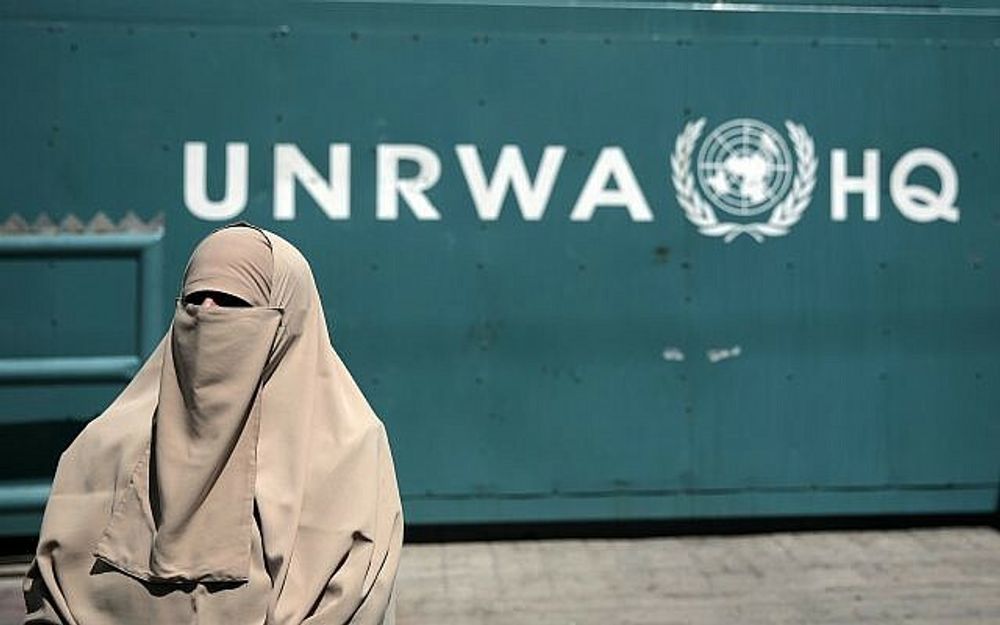
In conclusion, UNRWA’s work in Gaza is a testament to the enduring commitment to humanitarian aid in a complex and challenging region. The organization’s efforts are crucial in mitigating the suffering of Palestinian refugees, but ongoing funding issues and political constraints pose significant obstacles to its long-term sustainability. International support is paramount to ensure UNRWA can continue its vital operations in the face of ongoing adversity.
FAQs
What are the primary functions of UNRWA in Gaza?
UNRWA provides a wide range of services including education, healthcare, relief assistance, and protection to Palestinian refugees in Gaza.
What are the key challenges faced by UNRWA in Gaza?
Funding shortages, political instability, and the ongoing conflict significantly hinder UNRWA’s ability to provide comprehensive services.
What is the role of the international community in supporting UNRWA’s efforts?
Many international organizations and nations play a role in assisting UNRWA, but the level of support varies. Coordination and consistency are essential to address the multifaceted needs of the refugees.
How does the ongoing conflict in Gaza impact UNRWA’s operations?
Conflict and blockades directly impact UNRWA’s ability to access communities and deliver essential services. Access restrictions and security concerns are major hurdles to overcome.