Taylor Swift AI Fake Images Unveiling the Deception
Taylor Swift AI fake images are flooding the internet, creating a whirlwind of confusion and deception. From manipulated photos to entirely fabricated content, these AI-generated images are becoming increasingly sophisticated, blurring the lines between reality and fabrication. How can we distinguish genuine images from the digital forgeries, and what are the implications for Swift’s image and the broader world of celebrity culture?
This exploration dives deep into the world of AI-generated imagery, focusing specifically on Taylor Swift. We’ll examine the techniques used to create these fakes, the potential impact on her public persona, and the broader ethical and legal issues raised by this emerging technology.
Taylor Swift’s Public Image and AI-Generated Content
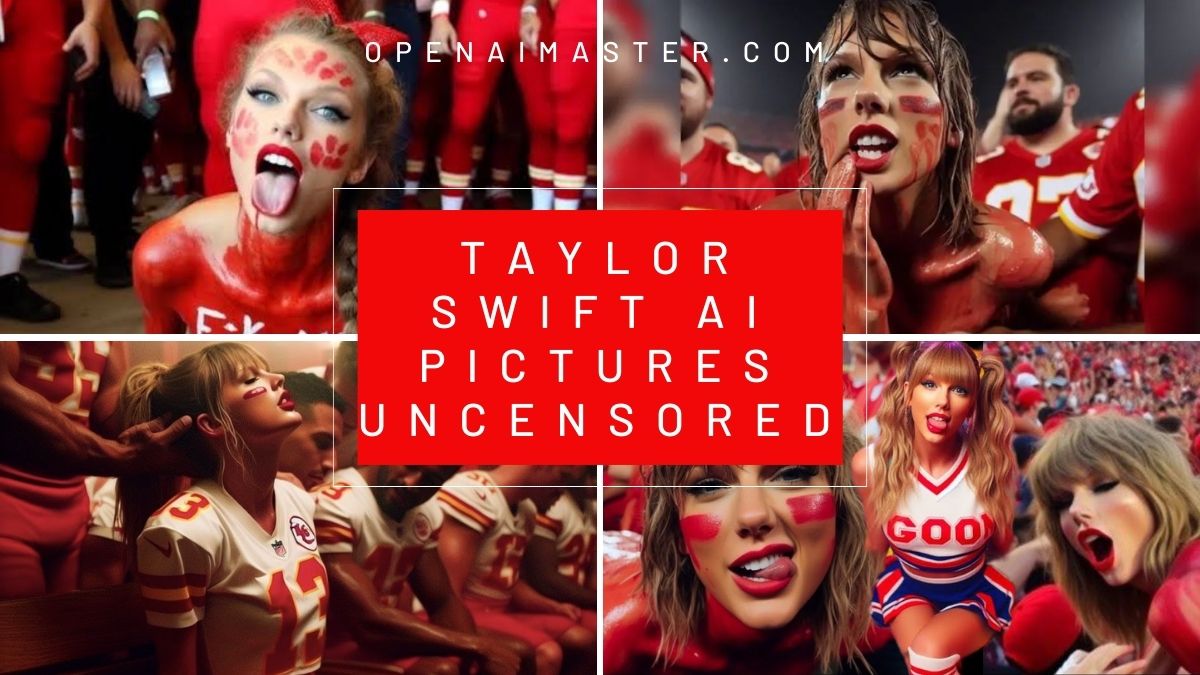
Taylor Swift’s public image is meticulously crafted and carefully managed, spanning across music, social media, and public appearances. This carefully constructed persona, evolving throughout her career, has significantly influenced her reputation and interaction with the public. From her early country pop beginnings to her current global superstar status, her image has undergone a significant transformation. This carefully cultivated image is now vulnerable to manipulation through the burgeoning field of AI-generated content.Taylor Swift’s public image is a complex interplay of carefully curated content across multiple platforms.
Her music often reflects themes of personal growth, love, and social commentary. Her social media presence is highly controlled, showcasing a persona of both relatability and star power. Public appearances, meticulously planned and often carefully documented, contribute to a cohesive and powerful image. This carefully crafted image is vulnerable to misrepresentation through AI-generated content, raising significant concerns about the authenticity and impact on public perception.
Taylor Swift’s Public Persona Evolution
Taylor Swift’s public persona has undergone significant evolution throughout her career. Early in her career, her image was largely tied to her country-pop roots, emphasizing youthfulness and relatability. As her success grew, her image expanded to encompass themes of personal growth, resilience, and self-expression, becoming more nuanced and complex. This evolution reflects a conscious effort to portray herself as a multifaceted artist and individual.
Okay, so Taylor Swift AI fake images are definitely a hot topic right now. It’s fascinating how quickly this technology can be used to create convincing, yet completely fabricated, content. Meanwhile, the Biden documents investigation report takeaways are also making headlines, prompting a lot of discussion about transparency and accountability. This raises important questions about how we verify information in an era of readily available, manipulated imagery.
In the grand scheme of things, the sheer ease of creating realistic fake images using AI technology like this highlights the importance of critical thinking when encountering seemingly authentic images of Taylor Swift or any public figure online. biden documents investigation report takeaways are important, but the wider issue of discerning truth from fabrication in the digital age needs more attention.
We should all be more cautious in what we consume.
Impact of AI-Generated Content on Public Figures, Taylor swift ai fake images
AI-generated content poses a serious threat to the authenticity of public figures’ images. By creating realistic, yet fabricated images, malicious actors can easily manipulate public perception. This can range from subtle distortions that undermine trust to outright fabrications that damage reputations and careers. The ability to generate realistic images of public figures can be used to spread misinformation, manipulate public opinion, and damage relationships.
Comparison of Genuine and AI-Generated Images
| Characteristic | Genuine Image | AI-Generated Image |
|---|---|---|
| Facial features | Subtle nuances in facial structure and expression consistent with her natural features | Potentially exaggerated or distorted facial features; sometimes inconsistencies in features like eye shape, nose, or jawline. |
| Expression | Authentic emotions and expressions reflective of the specific context | Potentially fabricated expressions, which might not accurately portray the real context or emotion. |
| Pose and Body Language | Natural and congruent with her usual posture and body language | Potential inconsistencies in pose and body language that might feel unnatural or staged. |
| Background | Authentic and accurate background details | Potentially fabricated or altered background details that may not reflect the reality of the setting. |
| Lighting and Shadow | Natural lighting and shadow patterns that align with the setting | Potential inconsistencies in lighting and shadow patterns, creating an unnatural aesthetic. |
The subtle differences between genuine and AI-generated images can be challenging to detect, requiring careful observation and a discerning eye. A genuine image often displays a degree of naturalness and nuance that is difficult to replicate through artificial means. The quality and realism of AI-generated images continue to improve, making the task of differentiation increasingly difficult for the average observer.
Methods for Distinguishing AI-Generated Images
AI-generated imagery is rapidly evolving, blurring the lines between reality and fabrication. This sophistication necessitates robust methods for discerning authentic images from those crafted by artificial intelligence. Understanding the underlying technology and identifying common stylistic cues are crucial steps in this process.Identifying AI-generated images requires a multifaceted approach. It’s not about a single, definitive test, but rather a combination of observations and analyses.
By combining visual cues with an understanding of the technology behind AI image generation, we can build a stronger defense against fabricated content.
Image Analysis Techniques
Several techniques aid in identifying AI-generated images. These methods exploit the inherent patterns and inconsistencies often present in AI-generated content, contrasting with the subtle natural variations found in genuine images. These methods are constantly evolving as AI technology improves.
Characteristics Differentiating AI-Generated Imagery
AI-generated images often exhibit distinct characteristics not found in genuine photographs or videos. These characteristics stem from the underlying algorithms used in the AI models.
- Pixelation and Artifacts: AI-generated images can display noticeable pixelation or artifacts, particularly around edges or in complex details. These artifacts are often more pronounced in low-resolution images. These imperfections are not typical of high-quality photography, where details are captured with smoothness and continuity.
- Unnatural Composition: AI models may generate images with unnatural compositions or perspectives that appear unrealistic or illogical. For instance, objects might appear in unexpected locations, or lighting conditions may be highly inconsistent with real-world scenarios.
- Lack of Subtlety: AI-generated images can lack the subtle variations in lighting, shadows, and textures that are characteristic of genuine photographs. The transitions between elements might appear abrupt or overly stylized.
- Repetitive or Overly Consistent Style: AI models are trained on vast datasets, and this training can result in a tendency to produce images with repetitive or overly consistent stylistic elements. This can manifest as a recurring pattern in the images’ colors, textures, or overall design.
Technology Behind AI Image Generation
AI image generation leverages deep learning models, specifically generative adversarial networks (GANs). These models learn to create new images based on vast datasets of existing images.
A GAN comprises two neural networks: a generator that creates images, and a discriminator that assesses the authenticity of those images. The generator and discriminator continuously compete, with the generator striving to produce increasingly realistic images, and the discriminator working to identify them as fakes.
Ever seen those uncanny AI-generated images of Taylor Swift? It’s fascinating how technology can create realistic, but ultimately fake, representations. While we’re all captivated by the potential of AI, it’s worth remembering that these tools can be misused. Recently, the Davine Joy Randolph Awards highlighted the importance of ethical considerations in technology. Ultimately, the ethical use of AI, like ensuring the authenticity of images, is key in a world filled with convincing digital deceptions, especially when it comes to popular figures like Taylor Swift.
Common Stylistic Traits in AI-Generated Images
Several stylistic traits commonly appear in AI-generated images. These patterns provide further clues in the identification process.
- Overly Smooth Textures: The lack of natural textures, which include fine details, might indicate an AI-generated image. Skin tones, for example, might appear excessively smooth without the usual variations in tone or subtle blemishes.
- Inconsistent Lighting: Artificial lighting in AI-generated images can appear inconsistent with real-world scenarios, such as unrealistic shadows or highlights.
- Unnatural Color Palette: AI models can sometimes generate images with unnatural color palettes, or with colors that don’t harmonize realistically.
- Unrealistic Perspective: Perspective and depth can be distorted in AI-generated images, leading to unnatural viewpoints and a lack of realistic spatial relationships.
Flowchart for Identifying Fake Images
The following flowchart provides a structured approach to identifying potentially AI-generated images:
| Step | Action |
|---|---|
| 1 | Observe the Image: Examine the image for any noticeable pixelation, artifacts, or inconsistencies. |
| 2 | Assess Composition: Evaluate the image’s composition for unnatural elements, illogical perspectives, or unrealistic scenarios. |
| 3 | Analyze Texture and Detail: Check for excessive smoothness, repetitive textures, or abrupt transitions. |
| 4 | Review Color Palette: Determine if the color palette seems unnatural or inconsistent with real-world observations. |
| 5 | Compare with Known Images: If possible, compare the image with similar images from known sources. |
| 6 | Consider Context: Examine the context surrounding the image to evaluate its authenticity. |
| 7 | Conclude: Based on the observations, make a judgment on whether the image is likely AI-generated or genuine. |
Examples of AI-Generated Taylor Swift Images
AI-generated imagery is rapidly evolving, and its ability to mimic real-world subjects is becoming increasingly sophisticated. This raises significant concerns, particularly when applied to public figures like Taylor Swift. The ease with which AI can create convincing, yet entirely fabricated, images of celebrities opens doors to potential misuse, including the spread of misinformation and the creation of false narratives.
This section will delve into specific examples, highlighting the diverse ways AI can generate realistic-looking images and how these images can be manipulated.The capacity of AI to replicate the appearance and likeness of individuals is a double-edged sword. While it holds immense creative potential, it also presents a risk to personal reputation and public perception. This is particularly true in the realm of celebrity culture, where public image is paramount.
Methods of AI Image Generation
Various AI tools and techniques can be used to create images of Taylor Swift. These tools leverage deep learning algorithms trained on massive datasets of images. One prominent technique involves using generative adversarial networks (GANs). GANs consist of two neural networks that compete with each other. One network, the generator, creates new images, while the other network, the discriminator, evaluates the authenticity of these images.
Through this iterative process, the generator learns to produce increasingly realistic images. Other techniques, such as diffusion models, also play a crucial role in generating photorealistic images.
Those AI-generated Taylor Swift images are really something, aren’t they? It’s fascinating how quickly technology can create realistic fakes. Speaking of interesting legal battles, the recent NRA lawsuit against Wayne Lapierre, detailed in this article nra lawsuit wayne lapierre , highlights the complexities of intellectual property in a digital age. Ultimately, though, these AI-created images are still just that – digital recreations – and don’t really capture the true essence of the artist.
Examples of AI-Generated Images
To illustrate the potential for manipulation, consider these examples:
- Image 1: An AI-generated image depicting Taylor Swift in a futuristic, cyberpunk-style setting. This image is generated by a GAN trained on images of Taylor Swift and various cyberpunk elements. The implications include the possibility of spreading false rumors or creating fictitious scenarios that could damage her public image or even lead to malicious intent.
- Image 2: A photorealistic image of Taylor Swift attending a concert, but with subtle modifications. The image is generated by a diffusion model trained on a large dataset of concert photos. The modification could include subtle alterations to her expression, or even adding her to a specific event she never attended. This can be easily used to create false narratives or spread misinformation, potentially damaging her reputation.
- Image 3: An image of Taylor Swift in a historically inaccurate costume. This image is created by combining a portrait style generator with historical image datasets. The implications include the possibility of creating inaccurate historical portrayals, which could be used to fabricate stories about her life or activities.
AI Modification of Existing Images
AI can also be used to modify existing images of Taylor Swift. A technique called image-to-image translation can be used to transform a photo of Taylor Swift into a completely different style or context. The implications include the possibility of fabricating images of her in situations that never occurred, further highlighting the risk of misrepresentation.
- Example: A picture of Taylor Swift could be manipulated to make her appear in a scene from a movie or TV show she never participated in. This type of manipulation can be done with relatively little effort by advanced AI image editors and tools, making it easy to create fake content.
Tools Used in Image Creation
Several AI tools are currently available for generating and modifying images. Examples include Stable Diffusion, Midjourney, and DALL-E 2. These tools vary in complexity and accessibility.
- Stable Diffusion: This is an open-source diffusion model that allows users to create images based on text prompts. Its accessibility and relative ease of use make it a powerful tool for generating diverse images.
- Midjourney: This is a commercial AI art generator that offers more sophisticated features and a user-friendly interface, allowing users to create high-quality images with detailed specifications.
- DALL-E 2: Developed by OpenAI, this model offers high-quality image generation based on textual descriptions. Its sophistication and ability to produce photorealistic results make it a significant player in the field.
Impact of AI-Generated Images on the Public
AI-generated images, particularly those of celebrities like Taylor Swift, are rapidly changing the landscape of public perception and engagement. The ease with which these images can be created raises significant concerns about authenticity, the spread of misinformation, and the potential erosion of trust in public figures and media. The implications are far-reaching, impacting not only celebrity culture but also the very fabric of online interaction.The proliferation of sophisticated AI image generators makes it increasingly difficult to distinguish between genuine and fabricated content.
This blurring of lines has far-reaching consequences for individuals and society as a whole. The potential for misuse and the manipulation of public perception are paramount concerns.
Potential Effects on Taylor Swift’s Reputation and Public Image
The creation of AI-generated images of Taylor Swift, whether intended as satire or fan art, can damage her carefully cultivated public image. The authenticity of her persona and the consistent image she projects are directly challenged when these images flood the internet. Fans may become disillusioned if they perceive the image being misrepresented or exploited, potentially impacting her brand value.
The negative perception stemming from the prevalence of fabricated content can damage her reputation and lead to skepticism among fans and the general public.
Implications of False Images on Fan Engagement and Social Media Interactions
The presence of AI-generated images can significantly alter fan engagement. Fans might become more critical of online content, questioning the veracity of images and information shared on social media platforms. This skepticism could lead to decreased trust in both the celebrity and the platform. Furthermore, the spread of misinformation can create unnecessary controversy and division among fans, potentially escalating conflicts and damaging relationships.
Authentic fan interaction could be overshadowed by the verification and scrutiny of AI-generated content.
Speaking of AI-generated shenanigans, those fake Taylor Swift images are getting pretty wild. It’s all a bit distracting, honestly, especially when you consider the recent Winthrop Poll on Haley vs. Trump in South Carolina. This poll is definitely generating its own buzz, but the AI-created images are still the more captivating rabbit hole to me. It just shows how easily manipulated our perceptions can be, whether it’s political figures or pop stars.
How These Images Can Affect the Perception of Celebrity Culture and Authenticity
The prevalence of AI-generated images of Taylor Swift, and celebrities in general, can undermine the perception of celebrity authenticity. Fans may become increasingly skeptical of the curated image presented by celebrities, questioning the true nature of their public persona. This can erode the trust and emotional connection that fans have with their idols, potentially leading to a more cynical view of celebrity culture.
The ease of creating false representations can lead to a devaluation of genuine celebrity experiences and interactions.
Ways in which These Images Can Be Used to Spread Misinformation or Disinformation
AI-generated images can be easily manipulated to spread misinformation or disinformation. These images, when combined with fabricated narratives, can be used to damage reputations, incite hatred, or promote political agendas. The ability to create realistic but false representations of individuals poses a significant threat to the integrity of online discourse and public perception. It allows for the creation of convincing yet false narratives, potentially with harmful consequences.
Comparison of Reactions to Genuine and Fabricated Images
| Aspect | Genuine Image | Fabricated Image |
|---|---|---|
| Fan Response | Generally positive, showing appreciation and admiration. | Mixed responses, ranging from skepticism and disbelief to outright anger and accusations. |
| Social Media Engagement | Increased engagement, positive comments, and shares. | Increased engagement, but often accompanied by discussions about authenticity, leading to debates and controversy. |
| Media Coverage | Often used to highlight the celebrity’s talent, achievements, and personal life. | Often used to highlight the controversy, questioning authenticity, and potential misuse of AI technology. |
| Public Perception | Reinforces a positive image of the celebrity. | Damages the public image, raising questions about authenticity and trust. |
Ethical Considerations and Legal Implications
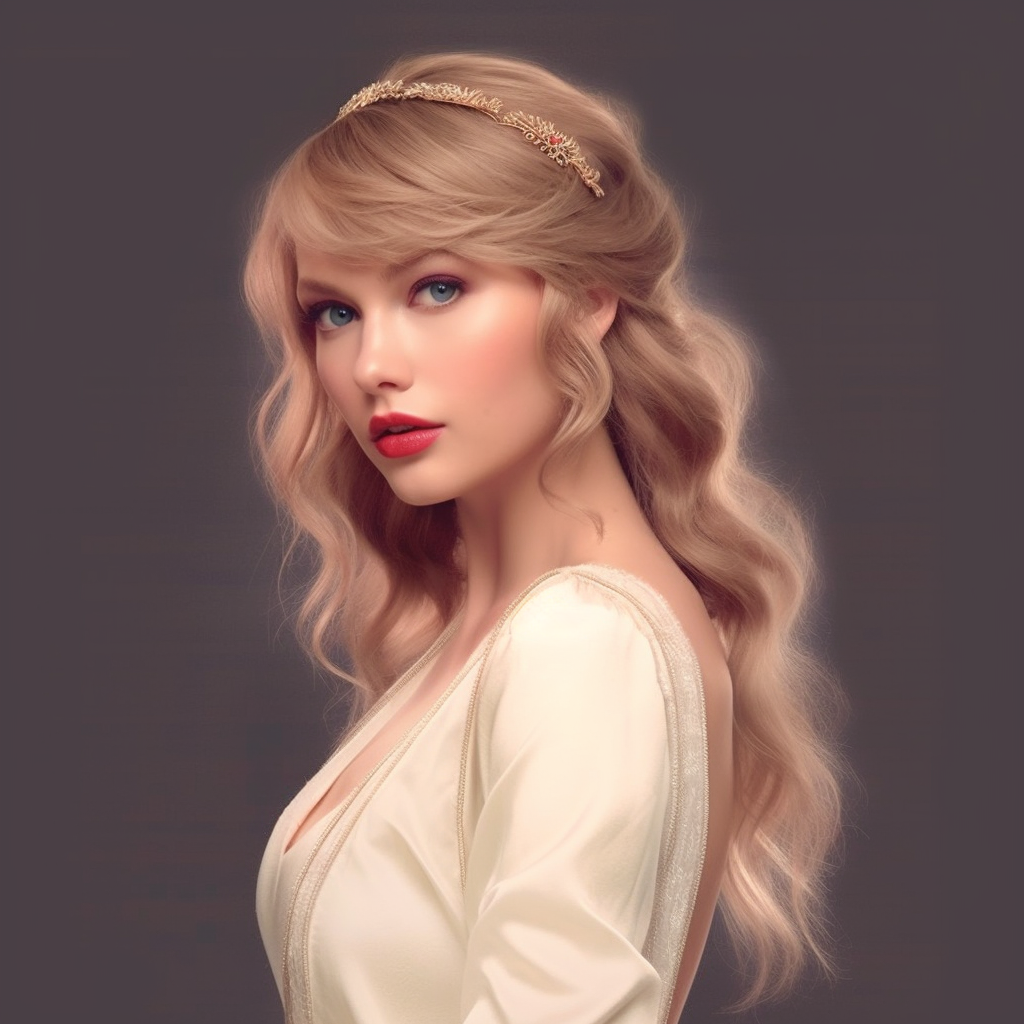
The proliferation of AI-generated imagery, particularly of public figures like Taylor Swift, raises complex ethical and legal questions. The ease with which convincing fakes can be created necessitates a careful examination of the potential harms and responsibilities involved. The blurring lines between reality and fabrication demand robust legal frameworks and ethical guidelines to protect individuals and maintain public trust.The use of AI to generate images of celebrities poses significant ethical concerns.
It erodes the boundaries of authenticity and can potentially cause reputational damage or emotional distress to the subject. For instance, a fabricated image of a celebrity engaged in an activity they never participated in could lead to misrepresentation, and harm their public image. The potential for malicious use, such as creating defamatory or misleading content, further underscores the need for ethical considerations.
Ethical Concerns Surrounding AI-Generated Images
The use of AI to create images of celebrities raises serious ethical concerns. The potential for misrepresentation, reputational damage, and emotional distress to the subject is significant. Creating a convincing fake image of a celebrity in a compromising situation or engaging in an activity they never participated in could lead to severe consequences. The possibility of malicious use, such as creating defamatory or misleading content, necessitates the establishment of ethical guidelines and robust legal frameworks.
Those AI-generated Taylor Swift images are getting pretty convincing, aren’t they? It’s fascinating how quickly technology can create realistic fakes. Thinking about the complexities of political figures like Ricardo Martinelli in Panama and Nicaragua ricardo martinelli panama nicaragua , I wonder if AI could one day be used to create similarly deceptive images in the political sphere.
This raises some serious questions about the authenticity of information in the digital age, especially when it comes to public figures like Taylor Swift.
Potential Legal Ramifications of AI-Generated Images
The creation and dissemination of AI-generated false images can have significant legal implications. This includes potential violations of privacy laws, defamation laws, and copyright infringement. For example, if an AI-generated image falsely portrays a celebrity in a negative light, this could lead to a defamation lawsuit. Copyright infringement could arise if the AI model was trained on copyrighted images of the celebrity.
Furthermore, the dissemination of these images on social media platforms could lead to legal challenges if the platforms fail to address the issue adequately.
Legal Precedents Related to Image Manipulation and Copyright Infringement
Existing legal precedents concerning image manipulation and copyright infringement offer some guidance, but the specifics of AI-generated content create new challenges. Cases involving traditional image manipulation, such as altering photos to depict a subject in a false light, have established precedents for defamation and misrepresentation. Copyright infringement cases often hinge on the originality and authorship of the work.
The application of these precedents to AI-generated content requires careful consideration, as the process of creation is fundamentally different from traditional methods.
Potential Legal Issues and Ethical Guidelines for AI Image Creation
The rapid advancement of AI necessitates the development of clear legal issues and ethical guidelines for the creation and dissemination of AI-generated images. A comprehensive legal framework needs to address the issues of copyright, defamation, privacy, and misrepresentation, as well as issues relating to the provenance and authenticity of the generated images.
- Copyright: Clarify the rights of individuals and entities regarding the use of their images in training AI models. This involves determining the scope of ownership and potential liability when AI generates derivative works.
- Defamation: Establish clear guidelines for determining whether AI-generated images constitute defamation, particularly if they falsely portray a celebrity in a negative light.
- Privacy: Define the privacy rights of celebrities in relation to AI-generated images, including the right to control the use of their likeness and the prevention of misuse.
- Misrepresentation: Establish legal mechanisms for addressing the spread of AI-generated images that misrepresent individuals, potentially causing reputational harm.
Responsibilities of Social Media Platforms
Social media platforms have a crucial role in addressing the spread of AI-generated fake images. These platforms should implement robust mechanisms to detect and remove such images, working with legal experts and AI researchers to develop effective methods. Clear policies regarding the use of AI-generated content are necessary to prevent the dissemination of harmful or misleading information. Failure to address this issue could result in legal challenges and reputational damage.
Addressing the Issue of AI-Generated Images
The proliferation of AI-generated imagery, while showcasing remarkable technological advancement, presents a significant challenge in maintaining trust and authenticity. Determining the origin of an image is increasingly difficult, especially as the quality and realism of AI-generated content improve. This necessitates a multi-faceted approach to detection, mitigation, and public education. Strategies must encompass technological advancements, ethical guidelines, and the crucial role of technology companies in this evolving landscape.The challenge lies not only in identifying AI-generated images but also in preventing their misuse.
This includes malicious applications, such as the creation of deepfakes or the spread of misinformation. Robust measures are essential to ensure that the power of AI image generation is harnessed responsibly and ethically.
Strategies for Detecting and Mitigating Fake Images
The rapid advancement of AI image generation necessitates continuous development and adaptation of detection methods. Image analysis tools, capable of recognizing subtle anomalies in AI-generated content, are crucial. These tools often leverage machine learning algorithms to identify patterns and characteristics associated with AI-generated images, distinguishing them from authentic ones. Further, watermarking techniques, incorporating unique identifiers into images, can help trace the origin of the content.
Educating the Public About AI Image Generation
Public awareness is vital to combatting the spread of misinformation and fraudulent content. Educational initiatives can explain the underlying principles of AI image generation, emphasizing the potential for manipulation and the importance of verifying information sources. Educational programs could include workshops, online courses, and accessible information materials outlining the capabilities and limitations of AI image generation.
Guidelines for Responsible AI Image Use
Establishing clear guidelines for responsible AI image use is crucial. These guidelines should encourage transparency in the creation and distribution of AI-generated content. This includes prominently displaying a clear indicator that the image is AI-generated. Furthermore, they should promote responsible use by discouraging the creation and distribution of misleading or harmful content. A comprehensive set of guidelines should be developed and promoted by industry leaders and regulatory bodies.
Role of Technology Companies in Combating Fake Images
Technology companies play a critical role in preventing the misuse of their platforms for the dissemination of AI-generated misinformation. They should implement robust detection systems to identify and flag AI-generated content. Companies should also actively work to develop and implement techniques that make it easier to verify the authenticity of images shared on their platforms.
Examples of Current Strategies
Several platforms are already implementing various measures to tackle this issue. Some examples include the use of watermarking technologies, the development of image analysis tools, and the implementation of community guidelines. One prominent example is the use of image analysis tools by social media platforms to identify and flag potentially misleading or fabricated images. Additionally, the inclusion of “AI-generated content” warnings by image-generating tools can be considered a proactive step.
Conclusion

In conclusion, the proliferation of AI-generated Taylor Swift images highlights a significant challenge in the digital age. The ability to convincingly replicate reality raises serious concerns about authenticity, reputation management, and the potential for misuse. While technology continues to evolve, we must remain vigilant in our approach to discerning fact from fiction, particularly when it comes to public figures.
The future of celebrity image and public perception hinges on our collective ability to address these emerging challenges.
Popular Questions: Taylor Swift Ai Fake Images
What are the common stylistic traits of AI-generated images?
AI-generated images often exhibit inconsistencies in lighting, texture, and detail. They might have unnatural or exaggerated features, and the overall composition can feel slightly off. Furthermore, the backgrounds can appear unrealistic or out of place compared to real-world environments.
How can I spot an AI-generated image?
Look for inconsistencies in lighting, shadows, and textures. Pay attention to the overall composition and the way the subject is interacting with the background. Sometimes, the facial expressions or body language might feel unnatural.
What are the potential legal implications of using AI to generate fake images?
The legal implications are still evolving, but potential issues include copyright infringement, defamation, and the violation of privacy laws. The misuse of AI to create and spread false information could lead to legal action.
How can social media platforms address the spread of AI-generated fake images?
Social media platforms can implement stricter content moderation policies, utilizing AI-based tools to detect and flag suspicious images. Transparency and user education about AI image generation are also crucial.