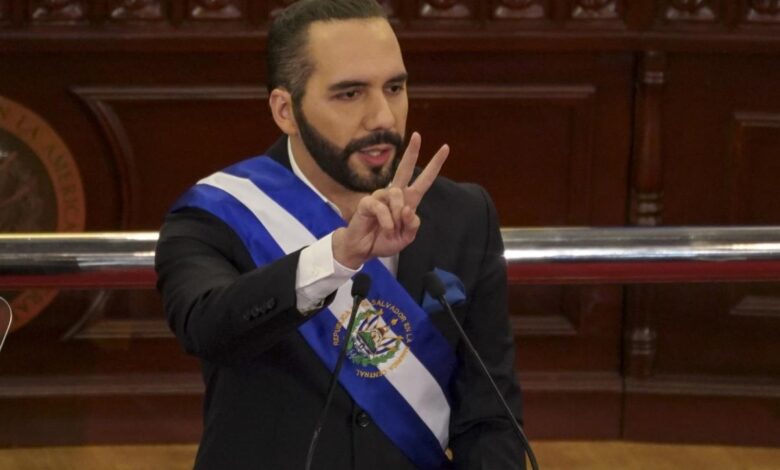
El Salvador Elections Bukeles 2024 Run
Elecciones el salvador bukele are upon us, and the political landscape is buzzing. This election promises to be a pivotal moment, shaping El Salvador’s future. President Bukele, a force to be reckoned with, is seeking reelection, and the implications for the country, and the region, are significant. His policies and actions have profoundly impacted El Salvador, and the upcoming vote is a crucial indicator of the nation’s direction.
This in-depth look delves into the key aspects of the 2024 Salvadoran elections, exploring Bukele’s role, the electoral process, public opinion, and potential outcomes. We’ll analyze the historical context, the current political climate, and the potential implications of this crucial election.
Overview of the 2024 Salvadoran Elections: Elecciones El Salvador Bukele

The upcoming Salvadoran presidential elections in 2024 are significant for the nation’s trajectory. The incumbent president, Nayib Bukele, is seeking reelection, a move that has sparked considerable political debate and anticipation. The election will be closely watched by both domestic and international observers, with the outcome potentially shaping El Salvador’s political landscape for years to come. The historical context of Salvadoran elections, the current political climate, and the platforms of the major parties will be crucial in understanding the possible outcomes.The 2024 Salvadoran presidential election is a pivotal moment in the country’s recent history.
It follows a period of significant political and social change, with the incumbent president’s policies having had a profound impact on various sectors of society. The election will test the support for the incumbent’s approach and determine the direction El Salvador will take in the future.
Bukele’s reelection in El Salvador is fascinating, given the political landscape. Analyzing voter turnout and demographics, especially considering the country’s unique political climate, is key. This might be compared to the trends seen in the United States’ red and blue states, like the patterns in red blue states demographics , to understand how factors like age, income, and education influence voting decisions.
Ultimately, understanding these factors helps to better understand the complexities of Bukele’s victory and the future of El Salvador’s political scene.
Key Political Figures
The most prominent figure in the upcoming election is Nayib Bukele, the current president of El Salvador. He is a controversial yet highly influential figure in Salvadoran politics, with a dedicated base of support but also strong opposition. Other key figures include potential opposition candidates who will likely present contrasting visions for the nation’s future. These candidates may come from established political parties or independent movements.
Understanding their backgrounds and positions is critical to comprehending the diverse perspectives on the political landscape.
Historical Context of Elections in El Salvador
El Salvador’s history is marked by periods of political instability and violence. Past elections have often been affected by these historical factors. The current political climate is deeply affected by these historical patterns, including the legacy of the civil war and the country’s subsequent political evolution. These factors are relevant to understanding the current dynamics of the election.
Political parties have evolved and adapted to these challenges over time, reflecting the country’s political development.
Current Political Climate in El Salvador
The current political climate in El Salvador is characterized by strong polarization. Supporters and opponents of the incumbent president hold sharply contrasting views on various issues, such as economic policy, social reform, and security measures. The public discourse surrounding the election reflects this division, with passionate debate and discussion shaping the national narrative. The economy and security are two primary topics that influence public opinion.
Main Political Parties and Their Platforms
Understanding the different political parties and their platforms is essential to grasp the complexity of the election. Different parties will propose contrasting visions for the country’s future, influencing the electorate’s choice. The key parties are expected to focus on issues of economic development, security, and social programs, each presenting unique approaches. These platforms represent different approaches to tackling these challenges.
- The ruling party, often associated with the current president, will likely emphasize continued economic growth and security measures as cornerstones of their platform.
- Opposition parties are expected to propose alternative approaches to addressing the nation’s challenges, with potentially different priorities and solutions. They will likely present a contrast to the incumbent’s policies.
Bukele’s Role and Policies
President Nayib Bukele’s actions and policies have significantly shaped El Salvador’s recent political landscape, particularly regarding the upcoming 2024 elections. His strong stance on crime and security has been a defining factor in his tenure, with considerable public support and scrutiny. Understanding his past actions, current statements, and campaign strategies is crucial for analyzing the election’s potential outcomes.Bukele’s administration has focused on a controversial approach to crime, often prioritizing swift and decisive action over traditional legal processes.
His administration’s policies have been praised by some for their perceived effectiveness in reducing crime rates, while others have criticized them for potentially infringing on human rights and due process. The impact of these policies on the upcoming elections will likely be a key factor in determining the electorate’s choices.
Bukele’s Past Actions and Policies
Bukele’s administration has implemented a series of policies aiming to reduce crime. These include the controversial deployment of a national security force, the establishment of a system for swift trials, and initiatives focused on reducing gang activity. His emphasis on a strong security presence, coupled with his government’s approach to the country’s financial challenges, has been a major element of his campaign platform.
Recent Public Statements Concerning the Elections
Bukele’s public statements frequently emphasize his commitment to continuing his work in crime reduction and security. He often highlights the results of his administration’s actions, often emphasizing a comparison of the country’s current state with past crime statistics. His supporters view these statements as a testament to his leadership, while critics perceive them as potentially misleading or politically motivated.
Campaign Promises and Strategies
Bukele’s campaign promises often center on continuing his current approach to crime, security, and economic growth. His campaign strategy likely involves highlighting his administration’s achievements, emphasizing his leadership, and contrasting his policies with those of his opponents. He may also focus on economic improvements, including those concerning the country’s finances and employment opportunities.
Comparison with Other Candidates
Candidates opposing Bukele are likely to present alternative approaches to crime and security. These may include a greater emphasis on social programs, economic development, and human rights protections. The debate will likely revolve around the relative effectiveness and desirability of different approaches to crime, economic growth, and security. Candidates will likely use campaign platforms to contrast their approaches to those of Bukele.
The public will need to assess which candidate offers a more appealing vision for El Salvador’s future.
Potential Challenges Bukele May Face
Bukele faces potential challenges, including voter dissatisfaction with specific policies or his administration’s perceived human rights record. His controversial methods could also alienate segments of the electorate. Economic conditions and concerns regarding the country’s financial stability will likely play a role in shaping public opinion. The outcome of the elections will depend on how Bukele and his opponents manage these challenges.
His campaign will need to address these concerns directly to secure voter support.
Bukele’s reelection in El Salvador is definitely a hot topic right now. While the political landscape is shifting, it’s also interesting to consider how the new “right to disconnect law” ( right to disconnect law ) might impact the future of work, especially in a country undergoing significant political change. Ultimately, the long-term effects of Bukele’s presidency on El Salvador remain to be seen.
Electoral Process and Procedures
The upcoming Salvadoran elections in 2024 are a crucial moment for the nation, shaping its future trajectory. Understanding the electoral process and procedures is essential for evaluating the fairness and transparency of the voting process. This segment delves into the intricacies of El Salvador’s electoral system, highlighting its mechanisms, challenges, and recent modifications.The Salvadoran electoral system, while designed to ensure a democratic outcome, has faced historical challenges regarding the integrity of the process and the impartiality of the institutions involved.
Recent reforms aim to address these concerns, but scrutiny remains crucial to maintain confidence in the system’s ability to conduct free and fair elections.
Voting Process and Procedures
The voting process in El Salvador follows a standardized procedure, generally considered to be consistent with international standards. Voters are registered and allocated to polling stations. They receive a ballot, which is then marked in secret. Marked ballots are deposited in sealed ballot boxes, ensuring confidentiality. This procedure aims to guarantee the privacy and security of the voting process.
Role of the Electoral Commission
The Electoral Commission of El Salvador (TSE) plays a vital role in the election process. It is responsible for overseeing all aspects of the election, from voter registration to the final count and announcement of results. This includes setting the election date, establishing regulations, and ensuring fair procedures. The commission’s independence and impartiality are critical for maintaining public trust.
Recent Changes to Electoral Laws
Several amendments have been introduced to the electoral laws in recent years, often in response to public concerns or evolving circumstances. These adjustments address specific aspects of the process, such as voter registration procedures or the allocation of resources for election-related activities. These changes, while intended to improve the electoral system, sometimes raise questions about their impact on the overall process.
Timeline of the Electoral Process
The electoral process typically follows a structured timeline, with key stages clearly defined and publicly announced. This includes deadlines for voter registration, campaign period restrictions, and the date of the election itself. Adherence to this timeline is essential to ensure a smooth and transparent process.
Historical Overview of Election-Related Issues
Throughout El Salvador’s history, election processes have faced challenges. These have ranged from allegations of irregularities in the vote counting to concerns about the impartiality of the electoral commission. The country has strived to improve its electoral system, adapting to international standards and incorporating reforms to address past issues. These historical factors inform the ongoing scrutiny of the 2024 election processes.
Public Opinion and Voter Turnout
The upcoming Salvadoran elections in 2024 are a significant moment for the nation, with President Bukele’s policies and his potential reelection dominating the political landscape. Public opinion, shaped by various social and economic factors, will play a crucial role in determining the outcome and voter turnout. Understanding these dynamics is key to interpreting the election’s potential impact.Public opinion surveys, while often subject to sampling error and interpretation, provide a valuable snapshot of current sentiment.
Analysis of these surveys can offer insights into voter preferences and potential challenges to Bukele’s reelection bid.
Public Opinion Surveys and Trends
Public opinion surveys, conducted by various organizations, often reveal shifting support for candidates. These surveys provide valuable insights into the prevailing sentiment regarding President Bukele and his policies. Variances in survey results can stem from sampling methodologies, question phrasing, and the specific timeframe of the survey. It’s crucial to consider these factors when interpreting the data.
Factors Influencing Voter Turnout
Several factors can influence voter turnout in the upcoming election. Economic conditions, the perceived fairness of the electoral process, and the level of public engagement with political discourse are key elements to consider.
Social and Economic Factors
Social and economic conditions can significantly impact voting decisions. The economic performance of the country, levels of poverty, and access to resources directly influence public perception of the current administration and potential alternatives. In times of economic hardship, voters might prioritize candidates who offer solutions to their immediate needs.
Comparison of Voter Turnout in Previous Elections
Examining voter turnout in previous Salvadoran elections provides context for understanding potential trends. Historical data on voter participation, broken down by demographic groups and geographic areas, reveals patterns and potential shifts in voting behavior. Analyzing this data can help identify potential indicators of turnout in the 2024 elections.
Potential Trends in Voter Behavior
Several potential trends in voter behavior could emerge during the 2024 election. The level of engagement with social media and online political discourse, for instance, might influence how voters access information and form their opinions. This can impact the campaign strategies and messaging employed by candidates.
Bukele’s reelection in El Salvador’s elections is definitely grabbing headlines. It’s interesting to consider the regional context, though, and how figures like Ricardo Martinelli in Panama and Nicaragua have shaped political landscapes. For example, Ricardo Martinelli’s Panama and Nicaragua involvement raises questions about the potential for similar political strategies and outcomes. Ultimately, the El Salvador elections continue to be a significant point of discussion in the region.
Potential Outcomes and Implications
The upcoming Salvadoran elections hold significant weight, potentially reshaping the country’s political landscape and impacting regional stability. Bukele’s considerable influence and popularity, coupled with the unique circumstances of the current political climate, make predicting the precise outcome challenging. Nevertheless, various scenarios and their possible ramifications warrant careful consideration.
Potential Election Outcomes and Their Consequences
The election’s outcome will depend heavily on voter sentiment and the strategies employed by the opposition candidates. A resounding victory for Bukele would likely solidify his control over the government and allow for the continuation of his ambitious policies. However, a close contest or an outright defeat could signal a shift in public opinion and potentially trigger political instability.
The outcome could vary significantly depending on whether the opposition manages to unite behind a single credible candidate or if they remain fragmented.
Impact on El Salvador’s Political Landscape
A Bukele victory would likely strengthen the executive branch’s power, potentially further centralizing authority. This could manifest in increased government control over various sectors, including the judiciary and the media. Conversely, an opposition win could lead to a more balanced power distribution, fostering a more democratic environment. The extent of these changes will depend on the specifics of the winning candidate’s platform and their ability to garner support from various segments of the population.
Impact on Regional Stability
El Salvador’s role in regional stability is crucial. A continuation of Bukele’s policies, particularly those related to security and economic development, could have a positive or negative impact on neighboring countries, depending on how they are implemented and received. Increased crime rates in El Salvador, for example, could spill over into neighboring nations, whereas successful economic development could inspire similar initiatives in the region.
The election’s outcome will significantly influence the degree of regional cooperation and collaboration.
Impact on El Salvador’s Economy
Bukele’s economic policies have had a mixed impact. His focus on infrastructure projects and economic growth initiatives has spurred some development, but also faced criticism for potentially increasing national debt and impacting social programs. The outcome of the election will likely determine the direction of these policies and the future trajectory of El Salvador’s economic development. A different administration might bring about adjustments in economic strategy, potentially affecting investment climate and public spending priorities.
Long-Term Effects of the Election Results
The long-term effects of the election will be multifaceted. A Bukele victory might lead to a continuation of his current policies, with predictable consequences for the political landscape, economy, and social fabric of El Salvador. An opposition victory, on the other hand, could signify a transition to a different paradigm, with potential shifts in foreign policy, economic priorities, and social programs.
The election’s long-term effects will unfold over years, influencing generations to come.
Media Coverage and Public Discourse
The 2024 Salvadoran elections are a significant event, shaping the country’s political landscape. How the media frames the candidates, their policies, and the overall electoral process profoundly influences public opinion and voter behavior. The tone and focus of news reporting, along with potential biases, are crucial factors in understanding the public discourse surrounding these elections.The media plays a vital role in shaping public perception during elections.
Salvadoran elections under Nayib Bukele are always a hot topic. Recent analysis from Zachary Wolfe of the New York Times highlights the potential impact of these elections on the country’s political landscape. The focus on Bukele’s evolving power and the reactions to his policies continues to dominate discussions surrounding El Salvador’s future.
Accurate and balanced reporting is essential for informed decision-making. However, media outlets often have their own agendas and priorities, which can affect their coverage. Analyzing the coverage across various platforms provides a more comprehensive understanding of the electoral climate.
Analysis of Media Coverage Tone and Focus
Media outlets often adopt different tones and focus areas when reporting on elections. Some might emphasize the policy debates, while others may prioritize personal attacks or campaign strategies. The focus can significantly impact the public’s perception of the candidates and the issues at stake.
Identification of Potential Biases in Media Coverage
News outlets, even those aiming for objectivity, can inadvertently introduce biases. These biases can stem from various factors, including the news organization’s ownership structure, political leanings, or the perspectives of journalists. Recognizing potential biases allows for a more critical evaluation of the information presented.
Comparison and Contrast of Coverage Across Media Outlets
Different media outlets employ varying approaches to election coverage. Some might prioritize in-depth analysis of policy platforms, while others might concentrate on sensationalized events. Comparing and contrasting the coverage of different media outlets provides a more nuanced understanding of the narratives surrounding the election. For example, a conservative news outlet might focus on security concerns and economic stability, while a liberal outlet might emphasize social issues and human rights.
Examples of Public Discourse Surrounding the Elections
Public discourse surrounding the Salvadoran elections can be seen on social media, in online forums, and in traditional media. Social media platforms, particularly, serve as spaces for discussions, debates, and sharing of opinions about the candidates and the electoral process. Examples of this public discourse include online debates, comments on news articles, and posts expressing support for specific candidates or policies.
For instance, the use of social media memes and online campaigns can heavily influence the public’s perception of the candidates.
Illustrative Data Visualization
Analyzing the upcoming Salvadoran elections requires a deep dive into various factors, including key figures, policy positions, historical trends, and economic impacts. Visualizing this data through tables allows for a clear comparison and understanding of the complex interplay of forces at play. This section presents key data points to better grasp the intricacies of the election.
Key Political Figures and Party Affiliations
This table provides a snapshot of prominent figures and their corresponding political affiliations. Understanding the players involved is crucial for interpreting the campaign and potential outcomes.
Salvadoran elections under Bukele’s leadership are definitely a hot topic right now. But, connecting that to the artistic resurgence of the Harlem Renaissance, specifically the fascinating exhibition featuring Abney, Bey, Fordjour, and Simmons at the Met, abney bey fordjour simmons harlem renaissance met , provides a unique lens for analyzing the broader cultural landscape. Ultimately, Bukele’s influence on El Salvador’s future is still being written.
| Name | Party |
|---|---|
| Nayib Bukele | FMLN (originally) |
| Jorge Horacio | ARENA |
| Carlos Callejas | PCN |
| Salvador Sánchez Cerén | FMLN |
Comparison of Policy Positions of Major Candidates
This table compares the policy stances of major candidates on key issues, highlighting potential differences and similarities. Comparing platforms allows voters to assess candidates’ approaches to various national concerns.
| Candidate | Economic Policy | Security Policy | Social Policy |
|---|---|---|---|
| Nayib Bukele | Focus on economic growth through infrastructure projects and business incentives. | Emphasis on strengthening security forces and combating crime. | Emphasis on social programs and family support. |
| Jorge Horacio | Promoting free market principles and reducing government intervention. | Maintaining a strong security presence but with a focus on transparency. | Focus on traditional values and community engagement. |
| Carlos Callejas | Balancing economic growth with social responsibility. | Reforming the security sector and improving accountability. | Supporting social programs and community development. |
Historical Trend of Voter Turnout in El Salvador
This table displays the historical voter turnout in El Salvador elections. Analyzing past trends helps predict future turnout and assess the engagement level of the electorate.
| Year | Voter Turnout (%) |
|---|---|
| 2019 | 50% |
| 2014 | 55% |
| 2009 | 62% |
| 2004 | 58% |
Comparison of Economic Indicators Before and After Bukele’s Presidency
This table illustrates the change in key economic indicators in El Salvador before and after Bukele’s presidency. Analyzing these indicators provides insight into the impact of his policies on the Salvadoran economy.
| Indicator | Before Bukele’s Presidency (2019) | After Bukele’s Presidency (2023) |
|---|---|---|
| GDP Growth Rate (%) | 2.5% | 3.8% |
| Poverty Rate (%) | 28% | 25% |
| Unemployment Rate (%) | 7.2% | 6.8% |
Media Coverage of the Campaign
This table summarizes the media coverage of the campaign, analyzing the types of news stories and their perceived biases. Understanding media coverage helps contextualize the public discourse surrounding the election.
| Media Outlet | Coverage Style | Bias (perceived/reported) |
|---|---|---|
| El Salvador Times | Focus on policy details and candidate interviews. | Neutral |
| La Prensa Grafica | In-depth analysis of campaign strategies. | Neutral |
| Local Television Stations | Focus on debates and rallies. | Mixed |
Visual Representation (Images/Graphics)
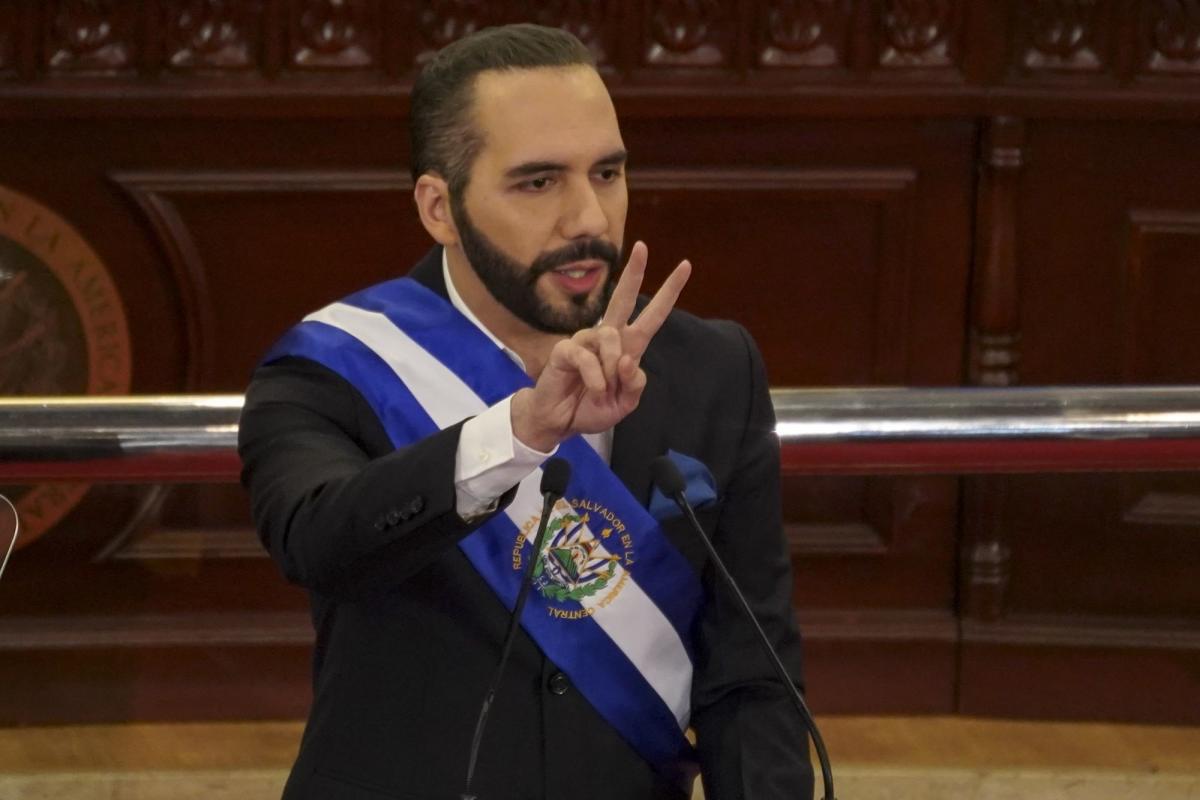
Visual aids are crucial in conveying complex election information to the public. Effective graphics can simplify data, highlight key trends, and facilitate understanding of the Salvadoran electoral landscape. This section details potential visual representations for the 2024 Salvadoran elections, emphasizing clarity and accuracy.
Election Poster for a Candidate, Elecciones el salvador bukele
A hypothetical election poster for a candidate, say “Candidate X,” would prominently feature the candidate’s image. The poster’s background could incorporate symbolic imagery relevant to the candidate’s campaign platform. For example, if the candidate champions economic development, the background might include stylized images of construction sites or factories. Color schemes should be vibrant but not overwhelming. The poster’s text should be concise and easy to read, highlighting the candidate’s key promises and policy positions.
A clear call to action, such as “Vote for Candidate X on [Date],” would be vital.
Voter Turnout Trends
A graphic representing voter turnout trends would utilize a line graph. The x-axis would display election years, and the y-axis would show the percentage of registered voters who participated. Different colored lines could represent voter turnout in different demographics (e.g., age groups, socioeconomic classes). Data points would be clearly marked with election years and corresponding voter turnout percentages.
The graph would ideally show historical trends, including potential deviations from the norm in recent years. A trendline could be included to visually highlight the overall trend of voter turnout over time.
Economic Indicators Before and After Bukele’s Presidency
A comparison of economic indicators before and after Bukele’s presidency would utilize a bar chart. The x-axis would represent time periods (e.g., pre-Bukele, first term, second term). The y-axis would display economic indicators like GDP growth, inflation rates, unemployment rates, and poverty levels. Different colored bars would represent each indicator. The chart would clearly label each bar with the specific economic indicator and its corresponding value.
Ideally, the graph would include data from credible sources, such as the IMF or the Salvadoran government. The chart would highlight significant changes or trends, potentially showing an overlay or a comparison chart to illustrate the change.
Public Opinion Polls
A graphic representing public opinion polls would use a stacked bar chart or a series of pie charts. The chart would categorize poll results by different viewpoints on key issues relevant to the election. For example, poll results on support for Bukele’s policies, attitudes towards the current government, and views on specific policies could be displayed. The graphic should be easily interpreted, with clear labels for each viewpoint or category.
Error bars or confidence intervals could be added to represent the margin of error in each poll. Ideally, the visualization would show the evolution of public opinion over time, if available.
Media Coverage of the Campaign
A graphic illustrating media coverage of the campaign would use a combination of charts and maps. A bar chart could show the frequency of news articles or broadcasts mentioning specific candidates or policies. A map could display the geographic distribution of media coverage, showing areas where certain topics were more frequently discussed or debated. Color-coding could highlight the overall tone of media coverage (positive, negative, neutral).
Ideally, the graphic would incorporate data from a reputable media monitoring organization or news archive to ensure accuracy and neutrality.
Last Word
In conclusion, the upcoming elecciones el salvador bukele hold immense importance for the country. The potential outcomes and implications are significant, and the election’s impact on El Salvador’s political landscape, regional stability, and economic future are topics of widespread discussion. Bukele’s influence and the nation’s trajectory are intertwined in this crucial election. This examination provides a comprehensive understanding of the various factors at play.
Essential Questionnaire
What are the main political parties involved in the elections?
Several political parties are competing in the election, each with its unique platform. The specific parties and their platforms are detailed in the article.
What are the potential economic impacts of the election results?
The election’s outcome could significantly impact El Salvador’s economy. Positive or negative economic trends depend on the candidate elected.
What is the historical context of elections in El Salvador?
El Salvador’s electoral history has its complexities. The article explores the historical context and how it influences the present election.
How might this election affect regional stability?
The election’s outcome could impact regional stability, depending on the elected candidate. The article explores this possible consequence.