
SEC Big Ten Advisory Group College Footballs Future
SEC Big Ten advisory group college football is poised to reshape the landscape of the sport. This group, formed with a specific purpose, aims to address crucial issues impacting college football’s future, from scheduling to player compensation. Its composition and strategies are crucial to the success of college football in the coming years.
The group will likely analyze the financial implications of its recommendations, considering the diverse stakeholders within the college football ecosystem. This will include exploring revenue distribution models, assessing the impact on television contracts, and analyzing the effect on fan engagement.
Introduction to SEC Big Ten Advisory Group: Sec Big Ten Advisory Group College Football
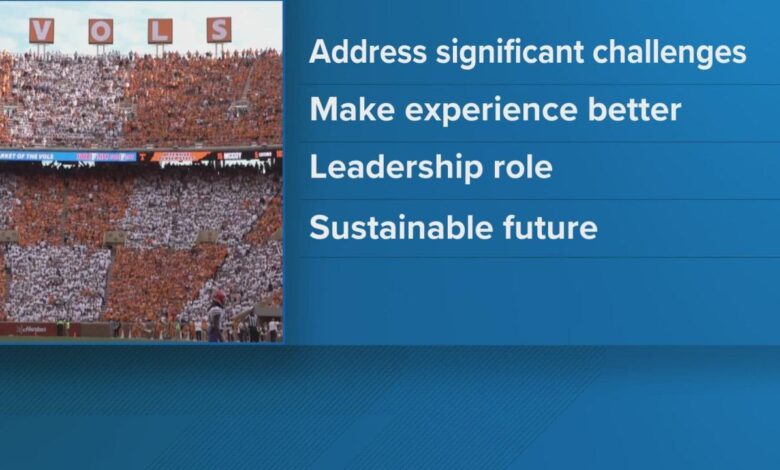
The SEC Big Ten Advisory Group is a collaborative body formed to address strategic considerations and potential opportunities within the landscape of college football. Its primary focus is on enhancing the overall experience and competitiveness of the sport. This group brings together key stakeholders to ensure a more sustainable and prosperous future for college football.This group is designed to foster dialogue and collaboration between the SEC and Big Ten conferences.
By combining perspectives and resources, they aim to navigate the complexities of the modern college football environment and identify innovative solutions to challenges facing the sport. Their actions are aimed at preserving the integrity and excitement of the game for fans, athletes, and institutions.
Composition of the Group
The SEC Big Ten Advisory Group comprises representatives from both the Southeastern Conference (SEC) and the Big Ten Conference. These representatives are typically high-level administrators, athletic directors, and coaches from both conferences. This diverse representation ensures a comprehensive understanding of the needs and concerns of each institution. This structure allows for a balanced approach to addressing issues and developing solutions.
Purpose and Goals
The primary purpose of the SEC Big Ten Advisory Group is to explore strategic alliances and collaborations in college football. This includes identifying areas for potential joint ventures and initiatives that could benefit both conferences. A key goal is to enhance the competitiveness of college football by fostering innovation and streamlining processes.
Historical Context
While the exact historical context of the group’s formation is not readily available, it is evident that this advisory group was created to respond to the ever-evolving landscape of college athletics. The rapid pace of change in the industry necessitates proactive strategies, and this group likely emerged as a response to this dynamic environment.
Key Objectives Regarding College Football
The SEC Big Ten Advisory Group aims to address key issues concerning college football, including, but not limited to, revenue generation, competitive balance, and player welfare. The group’s objectives focus on achieving a sustainable and equitable model for the future of college football. They strive to maintain a level playing field for all participants.
- Revenue Generation: Exploring avenues for increased revenue streams for both conferences, potentially through innovative sponsorship deals or joint marketing initiatives, is a key objective. This will ensure financial stability and growth for member institutions.
- Competitive Balance: The group is committed to exploring ways to maintain a fair and competitive landscape for all teams within both conferences. This includes examining and adjusting rules, policies, and regulations where necessary.
- Player Welfare: A critical aspect of the group’s work is prioritizing the well-being of student-athletes. This includes considering measures to enhance their academic support, health, and overall experience.
Impact on College Football
The SEC Big Ten Advisory Group represents a significant development in the landscape of college athletics. Its formation signifies a potential shift in power dynamics, challenging the traditional structure of collegiate football and potentially reshaping the future of the sport. This collaborative effort promises to address crucial issues affecting the health and sustainability of college football, but also carries the risk of unforeseen consequences.This group’s influence extends far beyond the immediate concerns of the participating conferences.
Their decisions on scheduling, compensation, and revenue generation could set precedents for other conferences and institutions, impacting the entire college football ecosystem. The impact is likely to be substantial and multifaceted, affecting various aspects of the sport.
Potential Influence on the Future of College Football
The advisory group’s influence will likely depend on its ability to garner widespread support and implement effective strategies. Success will require navigating complex issues, including balancing the needs of different stakeholders, such as players, coaches, universities, and fans. The group’s ability to forge consensus among these diverse interests will be crucial to its success.
Potential Impact on Scheduling and Conference Realignment, Sec big ten advisory group college football
The SEC Big Ten Advisory Group could influence scheduling patterns by fostering cooperation and potentially creating new, more lucrative non-conference matchups. This could lead to increased revenue streams for participating programs and potentially reshape the competitive landscape. The group may also play a role in conference realignment, although this is likely to be a complex and contentious process.
Previous examples of conference realignment highlight the difficulty in achieving broad agreement and avoiding unforeseen consequences.
Potential Impact on Player Compensation and NIL
The group’s stance on player compensation and Name, Image, and Likeness (NIL) policies could have a profound effect on the overall financial landscape of college football. The group’s recommendations will likely shape the direction of NIL legislation and its practical implementation across various institutions. The influence of the advisory group on this front could potentially set a precedent for other sports and industries.
Potential Impact on Revenue Generation of College Football Programs
The group’s influence on revenue generation could be significant. By fostering collaboration and streamlining revenue-generating activities, the group could potentially create new revenue streams and improve the financial health of participating programs. This could include joint marketing efforts, expanded broadcasting deals, and new sponsorship opportunities.
Potential Benefits and Drawbacks of the Group’s Actions
The formation of the SEC Big Ten Advisory Group presents several potential benefits, including enhanced financial stability, improved player compensation, and increased competitiveness. However, there are also potential drawbacks, such as increased costs for institutions, potential challenges in maintaining the integrity of the sport, and the possibility of unintended consequences.
Strategies and Recommendations
The SEC-Big Ten Advisory Group faces a crucial task: crafting strategies to address the evolving landscape of college football. Their recommendations must consider the financial pressures, the need for player welfare, and the importance of maintaining the integrity of the sport. Finding a balance between tradition and modernization is paramount.The group must move beyond simple pronouncements and delve into concrete proposals for change.
This requires a multi-faceted approach, encompassing financial reform, athlete support, and a commitment to transparency. Success hinges on the group’s ability to garner support from stakeholders across the collegiate and professional football communities.
Potential Strategies for Addressing Key Issues
The advisory group can leverage a variety of strategies to address issues like financial sustainability, player well-being, and maintaining the sport’s integrity. A key focus must be on establishing clear, transparent financial models for both athletic programs and conferences. This includes examining revenue streams, cost structures, and potential revenue-sharing models.
The SEC and Big Ten’s advisory group for college football is definitely stirring up some debate, and the recent controversy surrounding the “read like wind recommendations scandal” is adding fuel to the fire. This whole thing highlights the pressure and scrutiny these power conferences are under, particularly concerning player well-being and the ongoing debate about the future of college athletics.
A lot of questions remain about how these issues will be addressed, and ultimately affect the future of the SEC and Big Ten advisory group for college football. read like wind recommendations scandal This is a complex issue with many moving parts, and fans are watching closely.
- Promoting financial sustainability: The group could advocate for more equitable revenue sharing models among member institutions. This could involve a tiered system based on factors like athletic program size and historical performance. Examples of such models could be based on a percentage of revenue from television rights, licensing, and sponsorships, distributed fairly amongst the institutions.
- Prioritizing athlete well-being: The group should emphasize the importance of academic support and mental health services for student-athletes. A robust program for monitoring athlete well-being, including academic progress, mental health screenings, and access to counseling, is critical. Recommendations might include requiring more dedicated academic advisors and mental health professionals at member institutions. The group should also advocate for increased educational opportunities and career counseling for athletes.
- Enhancing the integrity of the game: A focus on preventing and addressing recruiting violations, as well as maintaining fair play on the field, is essential. The group should promote increased transparency and accountability throughout the recruiting process. This might involve stricter regulations on agent activity and enhanced reporting requirements for institutional compliance.
Recommendations for Improving the College Football Landscape
These recommendations should consider the impact on various stakeholders, including student-athletes, coaches, administrators, and fans. They should prioritize a balance between preserving the tradition of the sport and adapting to modern demands.
- Establish a standardized academic support system: The group should propose minimum academic support standards for all member institutions, including tutoring services, academic advisors, and dedicated academic support staff. This ensures that athletes have access to the resources they need to succeed in both athletics and academics.
- Implement comprehensive mental health programs: The advisory group should push for the creation of comprehensive mental health programs for student-athletes. These programs should include mental health professionals on staff, accessible counseling services, and awareness campaigns to address the unique mental health challenges faced by athletes.
- Enact stricter regulations on recruiting practices: The group should recommend stricter regulations on recruiting practices, such as limitations on the number of visits allowed, restrictions on agent activity, and enhanced reporting requirements. This is crucial to maintaining the integrity of the recruiting process.
Framework for Evaluating Effectiveness
A framework for evaluating the effectiveness of the group’s strategies is crucial for measuring success. Key performance indicators (KPIs) should include student-athlete academic success rates, athlete well-being measures, and compliance with established rules and regulations.
- Tracking academic performance: Monitoring student-athlete GPA and graduation rates will provide data on the effectiveness of the academic support systems. Comparative analysis across institutions will be critical.
- Assessing athlete well-being: Regular surveys and feedback mechanisms to gather insights into athlete mental health, stress levels, and overall well-being will help evaluate the impact of the mental health programs.
- Analyzing compliance rates: Tracking compliance with recruiting regulations and other established rules will demonstrate the effectiveness of the group’s efforts in maintaining fair play and integrity.
Potential Challenges in Implementing Recommendations
The advisory group might face significant challenges in implementing its recommendations, including resistance from some institutions, financial constraints, and a lack of unified support from all stakeholders. Careful planning and communication are vital to address these hurdles.
- Resistance from institutions: Some institutions might resist changes that require significant financial investment or shifts in their existing structures. Strategies for overcoming this resistance might include highlighting the long-term benefits of change and offering financial incentives for early adopters.
- Financial constraints: Implementing new programs and initiatives may require significant financial resources. A detailed financial plan, including cost-benefit analyses, will be necessary to secure funding and demonstrate the value of these programs.
- Lack of unified support: Lack of unified support from all stakeholders (institutions, conferences, athletes, and fans) could hinder implementation. Addressing this will involve strong communication, education, and building consensus around the proposed strategies.
Financial Implications
The SEC-Big Ten Advisory Group’s recommendations, if implemented, will undoubtedly reshape the financial landscape of college football. This section delves into the potential ramifications for various stakeholders, from universities to broadcasters, and ultimately, the fans. Understanding these implications is crucial for assessing the long-term viability and sustainability of the sport.The financial implications of these recommendations will be multifaceted, affecting revenue distribution models, broadcasting rights, fan engagement, and the overall financial health of college football programs.
The SEC and Big Ten advisory groups are buzzing about college football’s future, but there’s more than just the usual coaching carousel chatter. Recent headlines about Rick Pitino apologizing for his comments on St. John’s recruiting, as detailed in this article ( rick pitino apologizes comments st johns recruiting ), are raising questions about ethical considerations in player recruitment.
Ultimately, though, the focus needs to stay on the Big Ten and SEC’s plans for the future of the sport, ensuring fairness and transparency in their advisory group strategies.
These changes are not expected to be universally positive or negative; some stakeholders will undoubtedly experience gains, while others may face challenges. The key is to analyze the proposed changes within a comprehensive framework to ensure fairness and long-term sustainability.
Revenue Distribution Impacts
The current revenue distribution model in college football often favors large, established programs. The advisory group’s proposals likely aim to create a more equitable distribution, potentially impacting the financial stability of programs accustomed to higher revenue streams. This could involve formulas that take into account factors like athletic department operating expenses, program participation, and student-athlete well-being. Such a shift could require significant adjustments to existing revenue streams and budgeting strategies.
For instance, the current system often sees the most popular conferences benefitting the most, which may lead to more equitable distribution across the board.
Television Contracts and Broadcasting Rights
The structure of television contracts significantly impacts the financial health of college football. A potential reconfiguration of broadcasting rights could lead to increased revenue for the conferences and individual schools. This could take the form of larger, more lucrative deals or the establishment of a more robust, shared distribution model. For example, a move towards a shared broadcasting pool could allow for greater distribution across the country, increasing viewership and potentially leading to higher revenue streams.
However, it’s important to note that existing contracts often involve complex negotiations and legal agreements, which may require careful consideration during the implementation phase.
Impact on Fan Engagement and Attendance
Changes in the financial model could have a considerable impact on fan engagement and attendance. Increased revenue for smaller programs could result in better facilities, more competitive teams, and improved overall fan experience, potentially boosting attendance. Conversely, potential reductions in revenue for larger programs might lead to concerns about the overall appeal of college football. The impact on fan engagement is likely to depend heavily on the specifics of the implemented changes and the perceived fairness of the new financial model.
Financial Models Supporting Recommendations
Several financial models can be utilized to support the recommendations of the advisory group. A key component is to develop a robust, transparent model that considers the various stakeholders and their needs.
A tiered system of revenue sharing, based on performance indicators like academic success and athletic achievements, could provide a more equitable distribution of funds.
Another model involves the creation of a central fund to support smaller programs or programs with fewer resources. This would provide resources for facilities improvements and enhanced athletic programs. It’s important to consider that the success of any financial model depends heavily on the specifics of the implementation and the buy-in from all stakeholders.
Governance and Structure
The SEC Big Ten Advisory Group’s structure and governance will be crucial for its success in shaping the future of college football. A well-defined organizational framework, clear decision-making processes, and a robust accountability system will ensure the group can effectively address the complex issues facing the sport. This section will Artikel the proposed governance model, highlighting best practices and roles to maximize impact.
Organizational Structure
The SEC Big Ten Advisory Group will likely adopt a hierarchical structure, with a governing board composed of representatives from both conferences. This structure will facilitate effective communication and collaboration between the two organizations. A smaller executive committee, drawn from the board, will manage day-to-day operations and oversee the development of recommendations and strategies. This tiered approach ensures both broad representation and focused action.
Decision-Making Process
The advisory group will employ a consensus-based decision-making process. This approach prioritizes collaboration and ensures that all stakeholders’ perspectives are considered. Voting mechanisms will be used as needed, with a clear process for handling dissenting opinions. The process should also include a timeline for decisions and implementation, ensuring timely action on critical issues.
Successful Governance Models
Several organizations have successfully navigated similar challenges through effective governance models. The NCAA, while facing significant scrutiny, has a structure with committees and boards that guide its decision-making. Private sector organizations, such as large corporations, frequently utilize executive committees to manage operational efficiency and strategic planning. These models offer valuable insights for structuring the SEC Big Ten Advisory Group.
Roles and Responsibilities
Effective governance necessitates clearly defined roles and responsibilities for each member. This will prevent overlap and ensure that each member’s expertise is utilized effectively. A shared understanding of individual responsibilities fosters accountability and streamlines decision-making.
Advisory Group Member Roles and Responsibilities
| Role | Responsibilities |
|---|---|
| Conference Representative (SEC/Big Ten) | Representing the interests of their respective conference; participating in all meetings; advocating for conference-specific needs; ensuring alignment with conference strategic goals; facilitating communication between the group and the conferences. |
| Financial Expert | Analyzing financial data and trends; providing recommendations on financial sustainability; assessing the impact of potential changes on conference revenue; developing financial models and projections; evaluating investment strategies; facilitating financial transparency. |
| Legal Expert | Reviewing proposed strategies and recommendations from a legal perspective; identifying potential legal implications; ensuring compliance with relevant regulations and laws; providing guidance on contract negotiations; resolving legal disputes. |
| Sports Management Expert | Advising on operational strategies and best practices in sports management; ensuring alignment with current sports management principles; evaluating and improving organizational efficiency; developing strategies to enhance fan engagement; developing strategies to improve player welfare. |
| Communications Director | Developing and implementing communication strategies to effectively convey the group’s message to stakeholders; maintaining regular communication with media and public; managing the group’s social media presence; preparing and disseminating relevant information to stakeholders; monitoring and responding to public perception. |
Public Perception and Stakeholder Engagement
The SEC-Big Ten Advisory Group’s initiatives will undoubtedly impact public perception, and proactive stakeholder engagement is crucial for success. A thoughtful approach to communication and a clear articulation of the group’s goals and benefits will be vital in shaping public opinion and building trust. Understanding potential concerns and addressing them directly will be essential for navigating the complexities of this new venture.Public perception will be influenced by many factors, including the perceived fairness of the proposed changes, the potential impact on fan experiences, and the perceived benefits for players and coaches.
The group must carefully manage expectations and proactively address potential anxieties. Transparent communication is paramount in building a positive narrative around the initiatives.
Strategies for Communicating with Stakeholders
Effective communication requires a multifaceted approach. Targeting different stakeholder groups with tailored messages will ensure a comprehensive reach. For example, direct engagement with fans through social media campaigns, forums, and town halls can foster a sense of connection and transparency. Alumni groups should be involved in the discussion process and given opportunities to provide input. This active participation can help shape the direction of the initiative.
Managing Potential Challenges in Public Perception
Several challenges may arise. Concerns about the potential impact on rivalries, the balance between the interests of different stakeholders, and the perceived cost of the changes will likely emerge. A proactive approach, focusing on highlighting the positive aspects of the initiatives and addressing concerns head-on, is critical. For instance, demonstrating how the proposed changes can enhance the overall college football experience can help mitigate negative perceptions.
Building Trust and Credibility with Stakeholders
Building trust and credibility with stakeholders hinges on transparency and consistent communication. Clearly outlining the decision-making process, including input from various stakeholders, is vital. Transparency fosters trust and reduces the likelihood of speculation or mistrust. Providing regular updates and addressing questions directly will further solidify the group’s credibility. The group should establish a dedicated communication channel for fans, players, and alumni to engage and ask questions.
Effective Stakeholder Engagement and Addressing Concerns
Engaging stakeholders effectively involves active listening and a willingness to adapt. Regular feedback mechanisms, such as surveys, focus groups, and open forums, will enable the group to gauge public opinion and identify areas for improvement. Addressing concerns promptly and constructively will be crucial in maintaining trust. Demonstrating a commitment to resolving issues will solidify the group’s image and build trust with stakeholders.
Consider including examples of successful stakeholder engagement in other industries to show practical applications of the strategies.
Comparison to Other Conferences
The SEC Big Ten Advisory Group’s approach to college football governance marks a significant departure from the status quo, and comparing it to other conferences’ strategies provides valuable context. This analysis reveals both potential strengths and weaknesses, along with opportunities for improvement by drawing upon best practices from across the collegiate landscape. Understanding the nuances of various models is critical to crafting a truly effective and sustainable framework.A critical aspect of comparing approaches is recognizing the distinct contexts within each conference.
The SEC and Big Ten advisory groups for college football are definitely stirring things up, and I’m keeping a close eye on the discussions. It’s fascinating to see how these powerhouses are navigating the ever-changing landscape of college sports. Their decisions will heavily influence the future of the game, and recent discussions have some people wondering if the future will involve a more holistic approach.
For example, the cultural impact of figures like Abney, Bey, Fordjour, Simmons and the Harlem Renaissance at the Met, as discussed in this article, abney bey fordjour simmmons harlem renaissance met , might offer interesting insights into these developments. Ultimately, the SEC and Big Ten’s moves will shape the future of the sport in profound ways.
Different conferences have varying levels of historical precedent, financial resources, and fan bases, impacting their ability to implement and adapt to novel governance models. The SEC Big Ten Advisory Group must account for these diverse circumstances as it formulates strategies and recommendations.
Different Conference Approaches
Various conferences exhibit a range of approaches to college football governance. Some prioritize tradition, while others emphasize innovation. The Pac-12, for example, has historically focused on maintaining a strong emphasis on academics alongside athletic success. The ACC, in contrast, has often emphasized a balance between institutional interests and the needs of the athletes. These differences reflect the distinct priorities and histories of each conference.
Strengths and Weaknesses of Different Models
Different approaches to governance exhibit diverse strengths and weaknesses. The Big 12, known for its emphasis on competitive balance, faces challenges in navigating the complexities of media rights and revenue distribution. The Big Ten, historically focused on maintaining its dominance in the sport, now seeks a balance with evolving expectations for player compensation and well-being. The SEC, known for its financial prowess, might be challenged in integrating player welfare considerations into its existing structure.
Similarities and Differences
While each conference’s approach is unique, several similarities exist. Most conferences recognize the importance of athlete well-being and the need for fair compensation. Differences arise in how these priorities are prioritized and integrated into existing structures. For example, the SEC, with its deep financial resources, can potentially invest more in player support programs than conferences with more constrained budgets.
However, conferences with less financial resources might be more creative in finding alternative support structures.
Best Practices for Adoption
The SEC Big Ten Advisory Group can learn valuable lessons from other conferences’ experiences. The Pac-12’s emphasis on academic integration offers a model for balancing athletic success with educational excellence. The Big 12’s focus on competitive balance can inform strategies for ensuring fairness and equity among member institutions. Ultimately, the SEC Big Ten Advisory Group should synthesize the best elements from various models to create a comprehensive and robust framework.
Improved Strategies
A thorough comparison of various conference models provides a crucial lens for the SEC Big Ten Advisory Group to refine its strategies. The group can learn from successful approaches in areas such as player compensation, governance structure, and media revenue distribution. By integrating best practices, the SEC Big Ten Advisory Group can address potential weaknesses and build upon existing strengths to develop a sustainable and equitable model for college football governance.
Illustrative Case Studies
Advisory groups aren’t just theoretical constructs; they’ve proven effective in various industries. Learning from successful models can significantly inform the SEC Big Ten Advisory Group’s approach to navigating the complexities of college football. Examining similar structures in other sectors provides valuable insights into best practices and potential pitfalls.Examining successful advisory groups in other industries offers valuable insights for the SEC Big Ten Advisory Group, helping to refine strategies and optimize the group’s impact on college football.
These models provide a tangible framework for achieving objectives and mitigating potential challenges. By understanding how similar groups have succeeded, the SEC Big Ten Advisory Group can build on existing best practices and avoid past mistakes.
Examples of Successful Advisory Groups
Successful advisory groups in other industries often share key characteristics. They are typically composed of diverse stakeholders, including experts, industry leaders, and representatives from different perspectives. Their effectiveness stems from a clear mandate, a well-defined structure, and a commitment to transparency and open communication. The advisory group’s structure and processes need to be clearly defined to ensure its efficacy and long-term success.
- The National Football League (NFL) Management Council: This council brings together representatives from various NFL teams to discuss and implement policy changes. The council’s impact is evident in its ability to address critical issues like player safety and revenue distribution. Its diverse membership and collaborative approach demonstrate a successful model for addressing multifaceted challenges in the sport.
- The Advisory Board of a Major Technology Company: These boards often comprise industry experts who provide strategic direction and guidance on emerging technologies. Their influence extends beyond simple advice; they frequently shape product development and company strategy, significantly impacting the organization’s bottom line. The technology sector, characterized by rapid innovation, benefits immensely from proactive advisory boards.
- The board of directors of a major corporation: The structure of a corporate board, with its diverse expertise, provides a model for strategic planning and oversight. Effective boards often demonstrate a commitment to transparency and stakeholder engagement, creating a dynamic framework for decision-making. This model demonstrates the importance of diverse viewpoints and a clear framework for communication.
Impact and Effectiveness of Advisory Groups
The impact of advisory groups varies depending on factors like the industry, the group’s composition, and the clarity of its mandate. Successful advisory groups often demonstrate a significant impact on the organization or industry they serve. Effective groups are characterized by measurable outcomes and a commitment to continuous improvement.
- Enhanced Decision-Making: Advisory groups bring diverse perspectives and expertise to the table, leading to more informed and comprehensive decision-making. This improved decision-making process can be instrumental in tackling complex issues.
- Improved Communication and Collaboration: Advisory groups facilitate communication between different stakeholders, fostering a collaborative environment. This enhanced communication and collaboration can be instrumental in reaching common goals.
- Increased Innovation and Adaptability: Exposure to new ideas and perspectives within an advisory group can lead to increased innovation and adaptability. This can be particularly beneficial in dynamic industries like college athletics, which face continuous change and challenges. This innovative and adaptable approach is crucial for long-term success.
Relevance to College Football
The principles of successful advisory groups in other industries can be directly applied to the SEC Big Ten Advisory Group’s mission. The models offer concrete examples of how to build consensus, encourage collaboration, and achieve tangible results. These examples highlight the importance of diverse perspectives and clear goals in achieving success.
- Addressing Complex Issues: The issues facing college football, including revenue distribution, player well-being, and governance, are complex. Advisory groups can provide a platform for discussing these issues in a structured and collaborative environment.
- Promoting Transparency and Accountability: Successful advisory groups prioritize transparency and accountability. This approach can be critical in rebuilding trust with stakeholders, including fans, players, and the broader community.
- Facilitating Innovation and Adaptability: The rapid evolution of the sports landscape necessitates adaptability and innovation. An advisory group can play a crucial role in exploring new opportunities and strategies for navigating the evolving industry.
Future Outlook and Potential Developments
The SEC Big Ten Advisory Group stands at a pivotal juncture, poised to shape the future of college football. Its success hinges on its ability to adapt to evolving landscapes, including shifting fan expectations, economic realities, and the ever-changing regulatory environment. This section delves into the potential trajectory of the group, highlighting emerging trends and potential developments.The group’s future is intrinsically linked to its ability to address the complex challenges facing college football today, such as maintaining competitiveness, managing the financial aspects, and navigating the public perception.
A proactive approach, coupled with a nuanced understanding of these issues, will be crucial for its long-term viability and influence.
The SEC and Big Ten advisory groups are making waves in college football, but did you know that the world of high-fashion is also buzzing? Check out the latest looks at khaite new york fashion week – it’s definitely inspiring some of the strategic discussions about the future of the sport. Ultimately, these big decisions about college football’s future are critical to the sport’s continued success.
Potential Trajectory of the SEC Big Ten Advisory Group
The advisory group is likely to evolve beyond its current scope. Initial focus on strategic alignment and financial optimization could expand to encompass issues like player welfare, academic support, and environmental sustainability. This expanded scope could create a more holistic approach to the future of college athletics. For example, successful models from other industries could be adopted to create innovative and engaging fan experiences, while simultaneously addressing ethical and social concerns.
Emerging Trends and Challenges in College Football
Several trends are reshaping college football. Increased scrutiny over player compensation, concerns about the sport’s environmental impact, and evolving fan preferences are pushing for significant changes. The rising cost of collegiate athletics is a major concern, and the need for sustainable models is paramount. This necessitates the advisory group to develop strategies that account for these trends, including exploring innovative revenue streams and addressing environmental issues, while safeguarding the integrity of the sport.
Potential Future Developments and Directions for the Group
The group’s future directions will likely involve greater collaboration with other stakeholders. This includes athletic conferences, universities, players’ associations, and even the NCAA. A collaborative approach would lead to a more comprehensive understanding of the issues and a more effective solution-driven approach. For instance, a joint effort with the NCAA could lead to more standardized and transparent financial reporting for universities, benefiting both the institutions and the fans.
Potential Evolution of the Group’s Role and Impact
The group’s role could expand to encompass a wider range of advisory functions, including long-term strategic planning, crisis management, and policy recommendations. This shift would reflect a more proactive and anticipatory approach to the evolving challenges in college football. The advisory group’s influence could extend beyond the immediate concerns of the SEC and Big Ten to offer insights and best practices for other collegiate athletic conferences.
The SEC and Big Ten advisory groups are buzzing about college football’s future, and honestly, it’s a bit of a head-scratcher. Meanwhile, the glitz and glamour of fashion week are captivating the world, particularly the latest Saint Laurent and Dior collections in Paris. Saint Laurent Dior Paris fashion week is a whirlwind of designer creations, but the real question is whether these powerhouses of style will find a way to influence the future of college football, too?
Hopefully, the advisory group can settle things down quickly and provide some clarity on this topic.
Future Plans and Possible Expansions for the Group’s Advisory Function
Potential expansions include exploring new revenue streams, including potential partnerships with technology companies or streaming services. The group could also conduct research and analysis on the long-term financial health of college football, potentially creating a model for sustainable funding. Another potential expansion could involve developing best practices for player welfare and safety, potentially influencing a new era of athlete care and support.
Final Summary
The SEC Big Ten Advisory Group’s impact on college football will be significant, potentially altering scheduling, conference realignment, and player compensation. The group’s recommendations and strategies will be crucial in navigating the complex financial implications and public perception. Its success hinges on thoughtful governance and effective stakeholder engagement. The future of college football rests, in part, on the shoulders of this advisory group.
Clarifying Questions
What are the key objectives of the SEC Big Ten Advisory Group regarding college football?
The group’s objectives likely include addressing issues like scheduling, conference realignment, player compensation (including NIL), and revenue generation for college football programs. They will also explore the potential benefits and drawbacks of their actions.
How might the group’s actions affect the revenue generation of college football programs?
The group’s actions could affect revenue distribution, television contracts, and fan engagement, which can influence program income streams.
What are some potential challenges the group might face in implementing its recommendations?
Potential challenges include navigating complex stakeholder interests, managing public perception, and ensuring the recommendations are effectively implemented across diverse institutions.
What is the role of the advisory group members?
The roles and responsibilities of members will vary, but they’ll likely include analyzing issues, proposing solutions, and implementing strategies to address challenges within the college football landscape.