Senate Border Ukraine Deal A Crucial Look
Senate border Ukraine deal is a significant agreement that promises to reshape the geopolitical landscape. This deal, complex and far-reaching, details a new approach to border security in Ukraine, impacting not only the country itself but also the United States and the broader international community. It’s a deal brimming with potential benefits and drawbacks, with significant implications for regional stability and international relations.
The proposed deal Artikels key provisions, from funding for infrastructure improvements to personnel training. Understanding the details, historical context, and potential impacts is crucial to assessing its overall effectiveness. This article delves into the complexities of the Senate border Ukraine deal, examining its potential benefits, drawbacks, and wider implications.
Overview of the Senate Border-Ukraine Deal
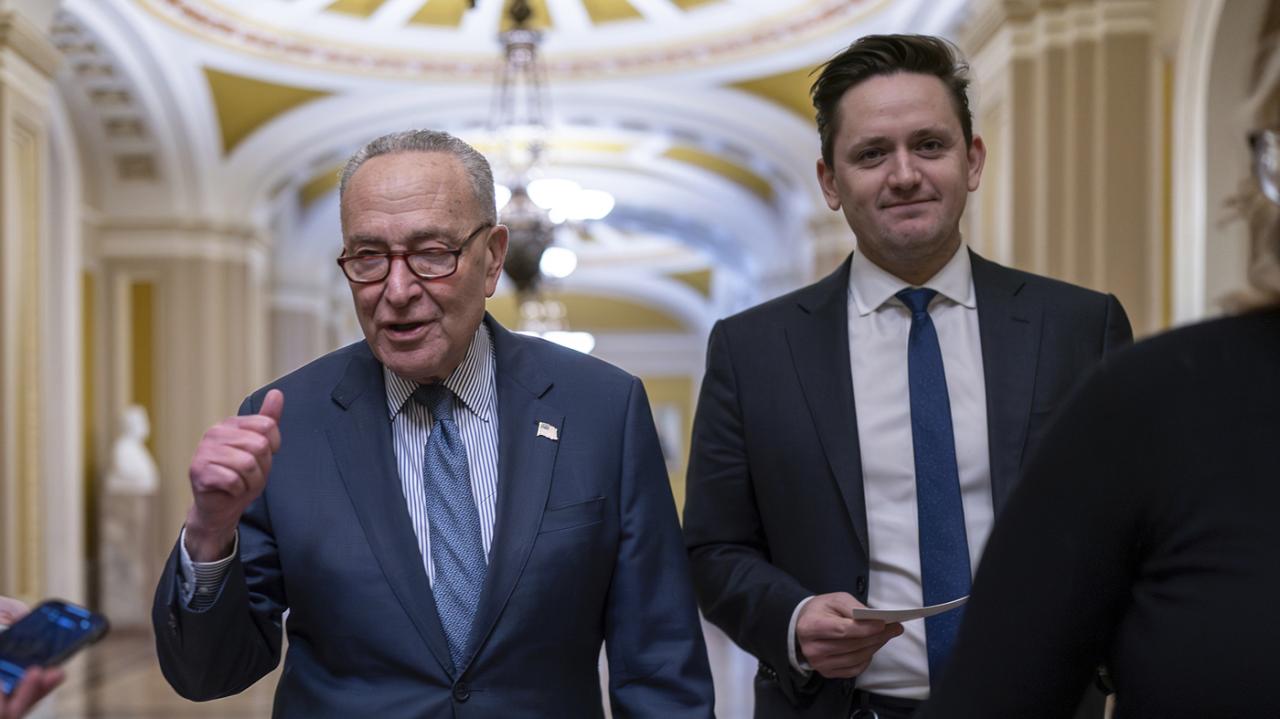
The Senate’s proposed border security and Ukraine aid package represents a significant step in addressing both national security concerns and international commitments. This complex agreement navigates the delicate balance between bolstering domestic defenses and providing crucial support to a nation facing ongoing conflict. The details of the deal, while still subject to finalization, offer a glimpse into the multifaceted strategy it embodies.
Key Provisions of the Agreement
The agreement Artikels several crucial provisions designed to strengthen border security and simultaneously support Ukraine. These provisions are critical for both domestic and international security considerations.
- Increased funding for border infrastructure: This includes investments in advanced technology, personnel training, and physical infrastructure improvements to enhance the nation’s border security capabilities. For instance, the installation of state-of-the-art surveillance systems and the construction of fortified checkpoints are examples of potential improvements.
- Enhanced personnel training: The deal also allocates resources for specialized training programs for border patrol agents. This will result in more effective and efficient responses to cross-border challenges. Specialized training could include counter-smuggling tactics and advanced detection methods.
- Provision of advanced equipment: The agreement contemplates the provision of cutting-edge technology and equipment for border patrol operations. This includes high-tech surveillance tools, drones, and other advanced instruments that are essential for modern border security. The use of drones for surveillance, for example, can greatly enhance border security by monitoring large areas.
Anticipated Impacts on Border Security
The proposed agreement is expected to significantly improve border security by bolstering resources and capabilities. The impact on the border security situation is multifaceted and positive.
| Provision | Description | Impact |
|---|---|---|
| Increased Funding | Allocates additional budget for border infrastructure development. | Improved surveillance, strengthened checkpoints, and enhanced border control operations. This leads to a reduction in illegal crossings and smuggling activities. |
| Enhanced Personnel Training | Provides specialized training for border patrol agents. | Improved effectiveness in detecting and responding to cross-border threats, leading to greater deterrence of illicit activities. |
| Advanced Equipment Provision | Supplies cutting-edge technology and equipment for border security. | Enhanced surveillance capabilities, more accurate identification of threats, and increased response time to border incidents. |
Implications for Ukraine’s Security
The agreement’s provisions for Ukraine security are crucial in the context of the ongoing conflict. The deal’s influence extends beyond immediate border security.
- Continued support for Ukraine’s defense: The funding allocation will support Ukraine’s efforts to counter ongoing aggression. This aid could help sustain defensive operations against military threats and help them sustain the war effort.
- Strengthened regional security: The support for Ukraine is expected to strengthen regional stability and deter further aggression in the area. This could help create a more secure environment in Eastern Europe and beyond.
Historical Context of Border Security
Ukraine’s border security has a complex and often tumultuous history, deeply intertwined with its geopolitical landscape. From the struggles of the Soviet era to the challenges of modern independence, securing its borders has been a constant and critical concern. This historical perspective is crucial to understanding the proposed Senate deal and its potential impact on Ukraine’s future.The legacy of Soviet-era border management, often characterized by a focus on internal control rather than external security, has left its mark on Ukraine.
Post-independence, Ukraine faced the daunting task of establishing its own border security apparatus, confronting challenges that ranged from bureaucratic inefficiencies to the persistent threat of illegal crossings and cross-border crime.
Historical Relationship Between Border Security and Ukraine
Ukraine’s borders have been a focal point in its history, shaped by its location at the crossroads of Europe and Eurasia. The nation’s independence, followed by the ongoing conflict with Russia, has intensified the need for robust border security. This has resulted in a complex interplay of factors influencing the current state of border security.
Past Attempts at Securing the Ukrainian Border
Several initiatives have been undertaken to bolster Ukraine’s border security. Early attempts, often hampered by resource limitations and institutional weaknesses, focused on basic infrastructure development. These efforts, though commendable, were often insufficient to address the multifaceted nature of border security challenges. As Ukraine’s geopolitical situation evolved, the nature of border security threats changed, necessitating more sophisticated approaches.
Comparison of the Proposed Deal with Previous Approaches
The proposed Senate deal, while aiming to bolster Ukraine’s border security, represents a significant departure from previous approaches. Unlike previous efforts, which may have emphasized localized solutions, the current proposal suggests a more comprehensive, international strategy that encompasses training, equipment, and potential financial support. This difference underscores the evolving understanding of the interconnectedness of border security and regional stability.
Factors Contributing to the Current State of Border Security in Ukraine
Several factors have contributed to the current state of border security in Ukraine. These include the ongoing conflict with Russia, the influx of refugees, the need to integrate modern technologies, and the need to address internal corruption within border control agencies. These multifaceted factors contribute to the challenges and necessitate innovative solutions for enhancing border security.
Timeline of Significant Events in Ukrainian Border Security
- 1991: Ukraine declares independence. This marked a significant turning point, demanding the establishment of a new border security apparatus from scratch. The legacy of Soviet-era border management, focused on internal control rather than external security, presented a significant hurdle.
- 2014: Russian annexation of Crimea and the start of the conflict in Donbas. These events significantly increased the pressure on Ukrainian border security, necessitating rapid responses and enhanced resource allocation.
- 2022: Full-scale Russian invasion of Ukraine. The invasion highlighted the critical need for stronger border security measures, including the use of advanced technology and enhanced international cooperation.
Potential Benefits and Drawbacks of the Deal
This Senate border-Ukraine deal, while promising, presents a complex interplay of potential benefits and drawbacks for both the United States and Ukraine. Navigating these intricacies is crucial for understanding the potential long-term implications of this agreement. The deal’s success hinges on a careful consideration of the potential pitfalls and proactive mitigation strategies.The potential benefits and drawbacks of the deal extend beyond the immediate scope of border security, influencing regional stability and international relations.
Understanding these factors is essential for a comprehensive evaluation of the agreement.
Potential Benefits for the United States
The deal’s potential benefits for the United States encompass enhanced border security, bolstering international partnerships, and a possible reduction in illegal immigration. These benefits, however, are not guaranteed and depend on successful implementation.
The Senate’s border deal with Ukraine is a significant step, but its implications extend beyond the immediate situation. A parallel crisis, the ongoing Gaza cease-fire negotiations involving Russia and NATO, highlights the complex web of international relations that often intertwine. Ultimately, the Senate’s border agreement with Ukraine faces challenges in its implementation, reflecting the global landscape of conflict and diplomacy.
- Improved Border Security: The agreement aims to strengthen the United States’ border security infrastructure. This is crucial in the current geopolitical climate, particularly in light of existing challenges and potential threats. Improved border security could reduce illegal crossings, potentially leading to a decrease in human trafficking and other related crimes.
- Strengthened Partnerships: Collaboration with Ukraine on border security issues could foster stronger bilateral relationships. This is crucial for both countries, allowing for potential future cooperation on other pressing issues.
- Reduced Illegal Immigration: The deal might lead to a decrease in illegal immigration from Ukraine into the United States. This can be a complex issue, with economic and social consequences on both sides of the border.
Potential Benefits for Ukraine
The potential benefits for Ukraine center around enhanced security, support for economic development, and bolstering Ukraine’s international standing. These benefits are predicated on the deal’s effective implementation and the commitment of both parties.
- Enhanced Border Security: The agreement provides opportunities to strengthen Ukraine’s border security infrastructure. A stronger border can help in combating the flow of illicit goods and potentially deter further conflict and aggression.
- Economic Development Support: The agreement might pave the way for economic development in Ukraine, potentially attracting foreign investment and creating new job opportunities. This will depend on the type and scope of the support.
- Boosted International Standing: Successful implementation of the agreement could improve Ukraine’s standing in the international community. This will rely on transparency and cooperation throughout the process.
Potential Drawbacks and Challenges
The deal presents potential drawbacks and challenges, including complexities in implementation, potential unintended consequences, and the need for ongoing adjustments. These challenges require careful consideration and proactive strategies to minimize their impact.
The Senate’s border-Ukraine deal is certainly grabbing headlines, but sometimes, a good escape is needed from the serious stuff. Have you ever considered the captivating sounds of a Broadway cast album, like those for Sweeney Todd? Exploring the musical mastery of shows like broadway cast albums sweeney todd can offer a refreshing change of pace. Still, the critical issues of the border-Ukraine deal remain a top priority, and finding solutions to these complex challenges is vital.
- Implementation Challenges: Difficulties in coordinating and implementing the agreement between the United States and Ukraine could lead to delays and inefficiency. Logistical hurdles, bureaucratic processes, and resource limitations might impede progress.
- Unintended Consequences: The agreement could have unforeseen negative consequences. These could include unintended disruptions to existing trade routes or unforeseen effects on regional stability. This requires thorough analysis and potential mitigation strategies.
- Need for Ongoing Adjustments: The agreement may require adjustments and adaptations as circumstances evolve. This is especially crucial in the context of a changing geopolitical landscape. The agreement must be adaptable to new information and unforeseen developments.
Examples of Similar Border Security Deals and Their Outcomes
Examining past border security deals can offer valuable insights into the potential outcomes of this agreement. These examples provide context and offer lessons learned, which can be applied to the current deal.
- The Schengen Agreement: This agreement, while focused on borderless travel, has faced challenges in controlling immigration flows and preventing the movement of illicit goods. The outcome underscores the complexities of such agreements and the need for constant adaptation and monitoring.
- The US-Mexico Border Security Agreements: These agreements have had mixed outcomes. Some have led to improved security, but others have highlighted the difficulties in achieving long-term, sustainable solutions. The challenges in these agreements demonstrate the complex and multifaceted nature of border security issues.
Potential Obstacles to Implementing the Agreement
Several obstacles could hinder the implementation of the agreement, including political disagreements, resource constraints, and potential resistance from various stakeholders. Addressing these obstacles proactively is crucial for success.
- Political Disagreements: Disagreements between political factions or conflicting interests within the United States or Ukraine could create significant obstacles to implementing the agreement. This emphasizes the importance of bipartisan support and cooperation.
- Resource Constraints: Adequate resources, including funding, personnel, and equipment, are essential for the deal’s successful implementation. Insufficient resources could impede progress.
- Resistance from Stakeholders: Potential resistance from various stakeholders, including local communities or affected businesses, could hinder the agreement’s implementation. Addressing these concerns through engagement and transparency is essential.
Impact on Regional Stability
The agreement’s potential impact on regional stability hinges on the success of its implementation. Positive outcomes can strengthen regional security, while failure could exacerbate existing tensions.
- Strengthened Regional Security: Successful implementation of the agreement could contribute to enhanced regional security. This could deter further conflict and promote cooperation between countries.
- Increased Regional Tensions: Conversely, failure to implement the agreement could lead to increased tensions and conflict within the region. This emphasizes the importance of a proactive and comprehensive approach to the agreement.
Stakeholders and Their Perspectives
The Senate Border-Ukraine deal, while promising, presents a complex web of perspectives from various stakeholders. Understanding these differing viewpoints is crucial to assessing the potential impact and long-term viability of the agreement. Each group – from the Senate itself to the Ukrainian government and the public – will be affected in ways that merit careful consideration.The deal’s intricacies require a nuanced examination of the motivations and concerns of all parties involved.
The Senate’s border-Ukraine deal is definitely a hot topic right now, but it’s fascinating how other news can unexpectedly connect. For example, Rick Pitino’s recent apology for comments about St. John’s recruiting ( rick pitino apologizes comments st johns recruiting ) highlights the ripple effect of public statements. It’s a reminder that even seemingly unrelated events can have consequences, which is a similar dynamic to the potential long-term effects of the Senate border-Ukraine deal.
Overall, these developments are quite interesting to consider.
The potential benefits and drawbacks, as well as the interplay of political ideologies, will significantly shape the outcome.
Senate Perspectives
The Senate, as the legislative body responsible for approving the deal, holds a pivotal role. Their perspective is multifaceted, reflecting the diverse ideologies within its membership. Some senators may prioritize border security, while others might emphasize the humanitarian aspect of assisting Ukraine. Their concerns extend to the potential economic implications and the long-term ramifications for national security.
The political climate surrounding the deal will also heavily influence their approach. Different political parties may have varying opinions on the agreement’s merits. A thorough understanding of these internal dynamics is essential to predicting the final outcome.
Ukrainian Government Perspectives
The Ukrainian government’s perspective is deeply intertwined with the security of their nation. They will likely view the deal as a crucial step in bolstering their defenses and maintaining territorial integrity. The deal’s potential impact on their economy and the well-being of their citizens will be a key concern. The agreement might also affect their diplomatic relations with other countries.
The agreement’s tangible benefits and the speed of its implementation will influence their satisfaction.
Public Perspectives
Public opinion on the deal will be a significant factor in its long-term success. Public sentiment may vary greatly depending on individual circumstances and priorities. For example, those who prioritize border security may view the deal skeptically, while others focused on humanitarian aid may support it wholeheartedly. Public awareness campaigns and transparent communication will be crucial in shaping public opinion and addressing concerns.
Political Party Positions
Different political parties will likely have contrasting viewpoints on the deal. Those advocating for stricter border control might oppose the deal, while parties emphasizing international cooperation might wholeheartedly support it. The debate will likely focus on the balance between national security and humanitarian aid. Analyzing the voting records of members of different parties can offer insights into their respective positions.
International Organizations and Expert Opinions
International organizations like the United Nations and various expert bodies will likely assess the deal based on its potential impact on global security and humanitarian crises. They will consider the deal’s effectiveness in addressing both the border security and humanitarian needs of the situation. Their evaluations will often focus on long-term sustainability and the potential for unintended consequences.
Potential Conflicts of Interest
Potential conflicts of interest amongst stakeholders could arise. For instance, a senator might have personal or financial ties to companies that could benefit from the deal, potentially influencing their vote. It is crucial to carefully examine potential conflicts of interest to ensure transparency and impartiality in the decision-making process. Disclosing any potential conflicts is vital to maintaining public trust.
The need for robust oversight mechanisms to mitigate these conflicts is undeniable.
Implications for International Relations
The Senate’s border-Ukraine deal, while primarily focused on domestic security and international support for Ukraine, will undoubtedly ripple through the global geopolitical landscape. Its implications extend beyond the immediate parties involved, potentially reshaping alliances, fostering cooperation, and even causing friction in various regions. Understanding these ramifications is crucial for anticipating the long-term effects of this agreement.This deal’s impact on international relations is multifaceted, influencing everything from economic partnerships to military strategies.
Analyzing these potential impacts requires careful consideration of the various stakeholders and their respective interests, alongside the historical context of border security and international cooperation.
Potential for Cooperation with Other Countries, Senate border ukraine deal
The deal’s success hinges on the ability to foster international cooperation. A shared commitment to border security and the principles of international law can inspire similar agreements and initiatives worldwide. Sharing intelligence, best practices, and resources will be essential to the deal’s efficacy. For example, the success of similar initiatives in Europe can inform and inspire future collaborative efforts.
Potential Challenges to International Cooperation
The deal’s success is not guaranteed. National interests and differing interpretations of international law can create obstacles to cooperation. Economic disparities, varying security priorities, and differing political ideologies can further complicate efforts to build consensus. Furthermore, mistrust between nations can undermine attempts to collaborate.
Possible Consequences for Surrounding Regions
The deal’s impact will not be limited to the immediate parties involved. Surrounding regions may experience spillover effects, either positive or negative. Increased security measures along borders might lead to regional stability, but could also create new tensions or hinder cross-border trade. The implications for transit routes and regional economic development should be considered. For instance, the impact on regional trade routes in Central Asia could be substantial.
Table Illustrating Possible International Relations Impacts in Different Regions
| Region | Potential Positive Impacts | Potential Negative Impacts |
|---|---|---|
| North America | Increased security cooperation, potential for trade agreements, and enhanced international standing. | Potential for increased military spending, possible friction with other nations over resource allocation. |
| Europe | Strengthened security alliances, increased regional stability, and economic benefits from increased trade and investment. | Potential for disputes over border control and resource allocation, or increased competition for global influence. |
| Central Asia | Improved security cooperation, potential for new trade routes, and enhanced regional stability. | Potential for regional conflicts over border control and resource allocation, or possible displacement of populations. |
| Middle East | Limited, but possible regional security cooperation and trade benefits. | Potential for increased regional conflicts over border control, resources, or refugee issues. |
Future Considerations and Potential Alternatives
The Senate Border-Ukraine deal, while promising in its initial stages, presents complex long-term implications. Understanding these intricacies, along with exploring alternative approaches to border security, is crucial for a comprehensive assessment of its effectiveness and sustainability. Potential unforeseen consequences and the adaptability of the deal to evolving geopolitical realities are key considerations.The deal’s long-term efficacy hinges on the ability of both countries to adapt to changing circumstances.
The dynamic nature of international relations demands flexibility in border security measures, as unforeseen challenges or shifts in global power dynamics can significantly impact the agreement’s implementation. This adaptability will be crucial for its success in the long run.
Long-Term Implications of the Deal
The agreement’s impact on regional stability and economic development will require continuous monitoring and evaluation. Long-term consequences may include unintended consequences on regional trade patterns, migration flows, and geopolitical alliances. Maintaining open communication channels and fostering cooperation between the two countries will be vital for navigating these challenges. The deal’s effectiveness will also depend on the extent to which it can address the root causes of migration pressures, which could include economic disparities and political instability in neighboring regions.
The Senate’s border and Ukraine deal is definitely a hot topic right now. It’s all about finding a balance, and it’s a complicated process, no doubt. Speaking of balancing acts, have you heard about the return of Romeo Gigli to Marrakech? This intriguing story highlights the complexities of global affairs in a different way. Regardless, the Senate’s work on the border and Ukraine deal is still a major focus, and the impact on the country will be significant.
Potential Alternative Solutions to Border Security Issues
Alternative solutions to border security issues encompass a range of approaches, from enhanced technology to improved international cooperation. These solutions must consider the unique circumstances of each country and region, focusing on long-term sustainability and effectiveness.
- Enhanced Technology Integration: Implementing advanced surveillance technologies, including drones, facial recognition, and biometric systems, can improve border security efficiency. However, the ethical implications and potential for misuse must be carefully considered. Successful examples include the use of advanced sensor networks to detect illegal crossings in some regions. This approach, while potentially effective, often requires significant investment and can raise privacy concerns.
- International Cooperation and Agreements: Strengthening regional partnerships and international agreements can foster a more unified approach to border security. Sharing intelligence and best practices between countries can create a more effective security network. For example, the Schengen Area in Europe demonstrates how coordinated efforts can reduce cross-border crime and improve border security.
- Addressing Root Causes of Migration: Focusing on addressing the root causes of migration, such as poverty, conflict, and political instability, can create long-term solutions. This could include supporting economic development, promoting peace initiatives, and ensuring human rights in affected regions. A successful example of addressing root causes is the Millennium Challenge Corporation’s initiatives, which have helped reduce poverty and instability in some regions.
Effectiveness of Different Approaches
The effectiveness of different approaches to border security will vary depending on the specific context and resources available. A comprehensive approach that combines technological advancements, international cooperation, and addressing root causes is more likely to achieve sustainable and effective outcomes. The effectiveness of each approach should be continuously evaluated based on measurable metrics, such as the number of illegal crossings, the rate of crime, and the level of regional stability.
Possible Future Scenarios Based on the Agreement
Future scenarios based on the agreement could range from a successful partnership fostering regional stability to a strained relationship leading to conflicts. The success of the agreement will hinge on the ability of both countries to adapt to changing circumstances, maintain open communication channels, and address the root causes of migration pressures. Past instances of similar agreements, such as trade agreements between countries, demonstrate that sustained cooperation and adaptation are essential for long-term success.
A Plan for Evaluating the Deal’s Success Over Time
A robust evaluation plan should include regular assessments of the agreement’s impact on border security, regional stability, and economic development. This plan should be structured to measure key indicators, such as the number of illegal crossings, the rate of crime, and the level of regional stability. This plan must also include provisions for adapting to changing circumstances and incorporating feedback from stakeholders.
The success of the plan will depend on the availability of accurate data and the willingness of both countries to cooperate.
Visual Representation of Data
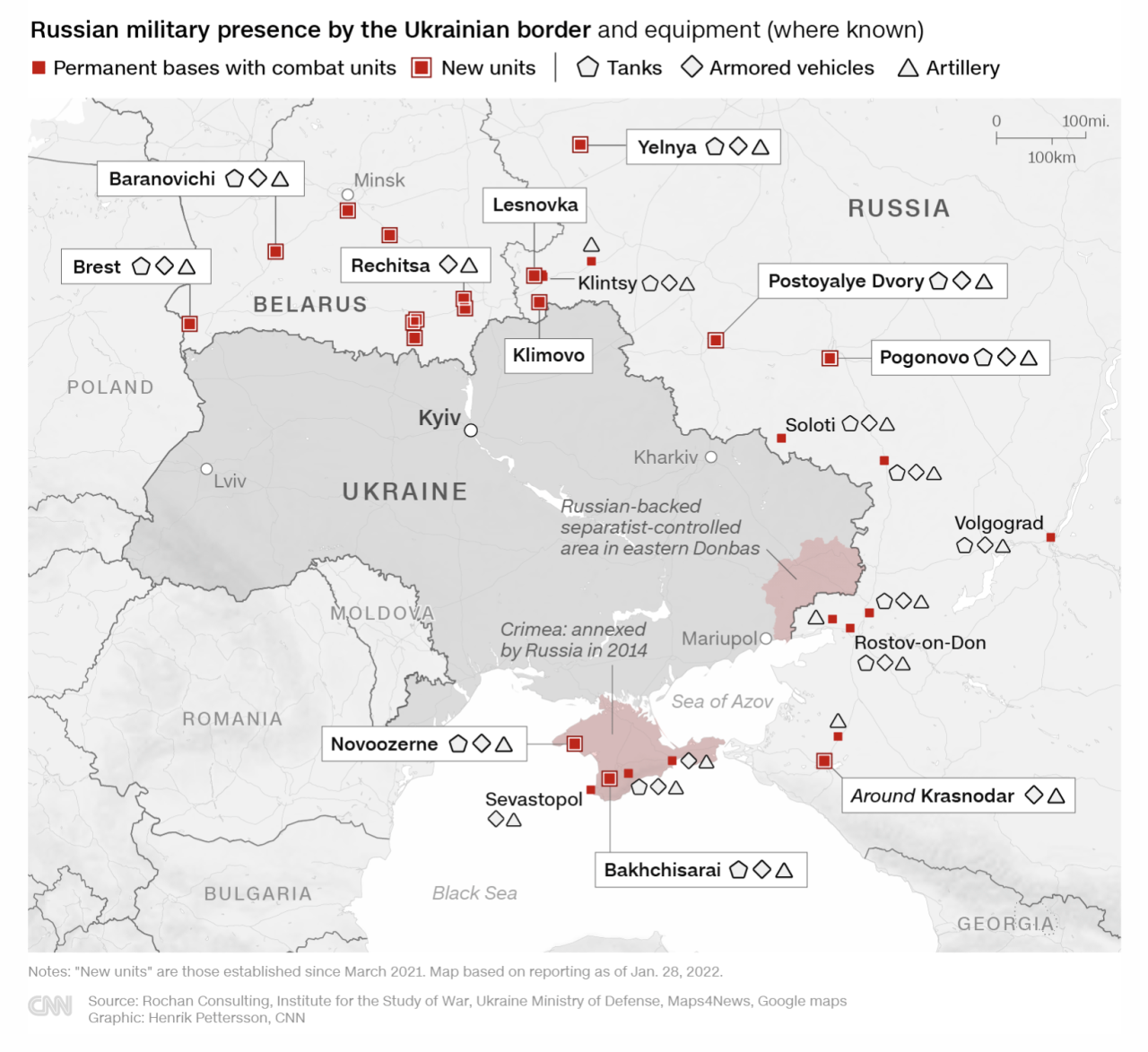
The Senate Border-Ukraine Deal, while promising, necessitates a clear visual representation of its multifaceted implications. Understanding the financial burden, the impact on personnel, and the potential effects on trade and infrastructure is crucial for informed public discourse and effective policy implementation. Visual aids can transform complex data into easily digestible information, fostering better comprehension and facilitating productive discussions.
Financial Implications of the Agreement
Visualizing the financial aspects of the deal is paramount. A pie chart, for instance, could clearly illustrate the allocation of funds across different categories – personnel costs, infrastructure development, technology upgrades, and training programs. Using different colors for each component would highlight the relative weight of each expense. Further, a bar graph comparing projected expenditures over a five-year period would show the escalating financial commitment required to implement the agreement.
Data from similar infrastructure projects worldwide could be included to offer a comparative perspective.
Impact on Border Security Personnel
Illustrating the impact on border security personnel necessitates a combination of visual tools. A stacked bar graph, for example, could show the projected number of new personnel hires, training slots, and equipment upgrades across different border sectors. This would allow for a clear visual representation of the resources allocated to bolstering the existing personnel. Further, a series of before-and-after photos of border checkpoints or security facilities could highlight the tangible improvements resulting from the deal.
Impact on Trade and Economic Activity
An infographic showing the potential impact on trade and economic activity would be particularly beneficial. This infographic could employ various icons, maps, and charts to illustrate the projected increase in trade routes, the potential for new investment opportunities, and the overall economic stimulus the deal could generate. A map highlighting the potential expansion of trade corridors could visualize the expected growth in trade volumes, highlighting cities and regions benefiting from the agreement.
Data from similar trade agreements could be incorporated to provide context and demonstrate comparable benefits.
Proposed Border Security Infrastructure
A detailed diagram of the proposed border security infrastructure is essential. This diagram could include a detailed layout of new checkpoints, technology installations (like sensor networks and surveillance systems), and the proposed construction of walls or fencing. It should also illustrate the planned logistics of communication networks and coordination between border patrol units. The diagram should be clear and easy to interpret, using various colors to delineate different infrastructure components and symbols for different security technologies.
The Senate’s border-Ukraine deal is definitely a hot topic right now, and it’s shaping up to be a complex issue. While the political maneuvering is intense, it’s fascinating to see how fashion is also reacting to global events. For example, Khaite’s new collection at New York Fashion Week ( khaite new york fashion week ) is certainly making waves.
Ultimately, these high-fashion statements might offer a subtle commentary on the current political climate, though it’s a far cry from the serious negotiations over the border-Ukraine deal.
Implementation Timeline
A flowchart illustrating the steps involved in implementing the deal would be highly effective. This flowchart could Artikel the key stages, from initial planning and stakeholder consultations to the final approval and commencement of construction. It could also include timelines for each stage, demonstrating the expected duration of the entire implementation process. Each step in the flowchart could be color-coded, indicating the relevant department or agency responsible for that stage.
Closing Notes: Senate Border Ukraine Deal
In conclusion, the Senate border Ukraine deal represents a substantial undertaking with both significant promise and potential challenges. The proposed agreement could dramatically alter border security in Ukraine, impacting regional stability and international relations. This comprehensive overview has highlighted the intricate details and diverse perspectives surrounding the deal. Whether it ultimately succeeds in its goals remains to be seen, but the deal undoubtedly warrants careful monitoring and evaluation.
General Inquiries
What are the potential economic impacts of the deal on Ukraine?
The deal could lead to increased trade and economic activity in Ukraine, potentially boosting economic growth. However, there could also be short-term disruptions as the new border security infrastructure is implemented.
How will the deal affect regional stability?
The deal’s impact on regional stability is complex. While it aims to enhance security, it could also spark diplomatic tensions or create new security concerns for neighboring countries, depending on the specifics of the deal’s implementation and the regional context.
What are some alternative solutions to border security issues in Ukraine?
Alternative solutions might involve regional cooperation, international partnerships, or a focus on addressing the root causes of migration. These options are not mutually exclusive, and the best approach likely involves a combination of strategies.
What is the timeline for implementing the Senate border Ukraine deal?
Unfortunately, a precise timeline isn’t available. Implementation will depend on various factors, including securing funding, obtaining necessary approvals, and addressing potential logistical hurdles.