
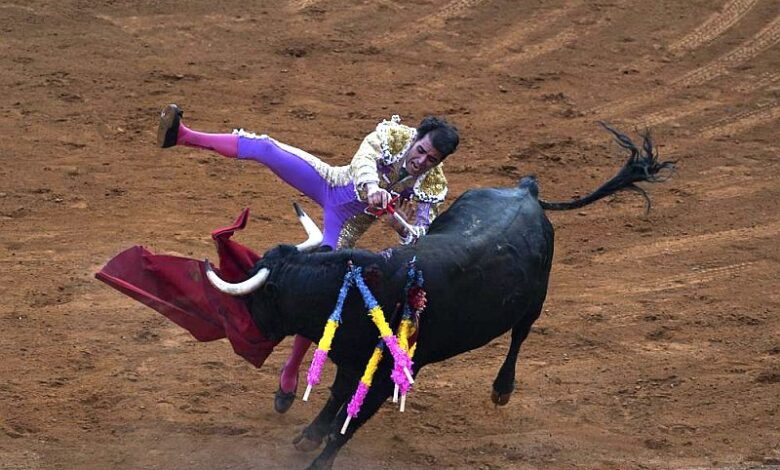
Mexican Bullfightings Mortal Challenge
Quotation of the day after 500 years mexican bullfighting faces a mortal challenge. The centuries-old tradition of Mexican bullfighting, deeply woven into the nation’s cultural fabric, now faces unprecedented pressure. From historical roots to contemporary controversies, this exploration dives into the heart of this enduring tradition, examining the arguments for and against its continued practice. We’ll look at the economic and societal impact, and critically assess the potential for adaptation or even transformation in the face of mounting challenges to its future.
The historical context, from its origins to its evolution, is crucial to understanding the current predicament. We’ll delve into the key figures and events that have shaped bullfighting, tracing its trajectory through time. Examining the cultural significance of this practice, particularly its deep-rooted place in Mexican identity, is equally important. We’ll look at the traditions, the rituals, and the impact on local communities.
Historical Context of Mexican Bullfighting
Mexican bullfighting, a deeply ingrained part of the nation’s cultural landscape, boasts a rich and complex history. Spanning centuries, its evolution reflects not only the changing dynamics of Spanish colonial influence but also the unique societal and economic shifts within Mexico itself. This tradition, often viewed as a spectacle of courage and skill, has also been the subject of intense debate and scrutiny regarding its ethical implications.The history of bullfighting in Mexico is not merely a chronicle of events but a reflection of cultural values, societal attitudes, and economic realities.
It’s a story woven with threads of Spanish colonization, indigenous traditions, and the ongoing struggle for national identity. The sport has adapted and evolved over time, its practices and public perception undergoing significant transformations.
Early Influences and Colonial Period (16th-18th Centuries)
The introduction of bullfighting in Mexico, mirroring the Spanish conquest, brought with it a complex blend of cultural traditions. Early forms of the sport were heavily influenced by Spanish practices, but also adapted to the unique terrain and local conditions. Indigenous populations, while initially marginalized, gradually integrated their own cultural elements into the developing traditions. The sport was not just a pastime; it served as a spectacle that reinforced the power of the Spanish colonizers and showcased their dominance over the land and its people.
The quote of the day about Mexican bullfighting’s 500-year history facing a serious threat is pretty grim. It highlights the urgent need for change. Meanwhile, the future of the US political landscape, particularly given the recent developments surrounding the “whats next federal election case trump” whats next federal election case trump situation, raises questions about the direction of our society.
Ultimately, both these issues point to the need for societal shifts and reform to ensure a better future, even if those shifts are painful.
The initial bullrings were often makeshift arenas, reflecting the nascent nature of the sport.
Evolution of Bullfighting Traditions (19th-20th Centuries)
The 19th and 20th centuries witnessed significant developments in Mexican bullfighting. The establishment of permanent bullrings and the rise of renowned matadors, such as Manuel Rodríguez, marked a shift towards professionalization and a greater emphasis on artistry. Social and economic changes impacted the sport, leading to both increased popularity and evolving public perceptions. The rise of nationalism and the desire for a distinct Mexican identity also influenced the presentation and interpretation of bullfighting, leading to some adaptations in style and technique.
Bullfighting’s Significance in Mexican Culture
Bullfighting’s significance within Mexican culture is multi-faceted. It is a deeply ingrained tradition that transcends mere entertainment. For many, it represents a complex interplay of courage, skill, and artistry. The tradition also embodies the nation’s history, from the colonial era to the modern period. It’s a spectacle that brings together people from diverse backgrounds, uniting them through a shared cultural experience.
However, this tradition is not without its critics, who question its ethical treatment of animals.
Major Historical Periods of Mexican Bullfighting
| Period | Dates | Significant Events | Cultural Context |
|---|---|---|---|
| Early Colonial Period | 16th-18th Centuries | Introduction of bullfighting from Spain, initial adaptations to local conditions. | Spanish colonization, nascent integration of indigenous traditions. |
| Evolution of Traditions | 19th-20th Centuries | Establishment of permanent bullrings, rise of prominent matadors, increasing professionalization. | Nationalism, social and economic shifts, evolving public perception. |
| Modern Era | 21st Century | Ongoing debate regarding the sport’s ethics and cultural significance. | Global awareness of animal welfare, evolving social values, and the ongoing debate about cultural traditions. |
Contemporary Challenges Facing Bullfighting
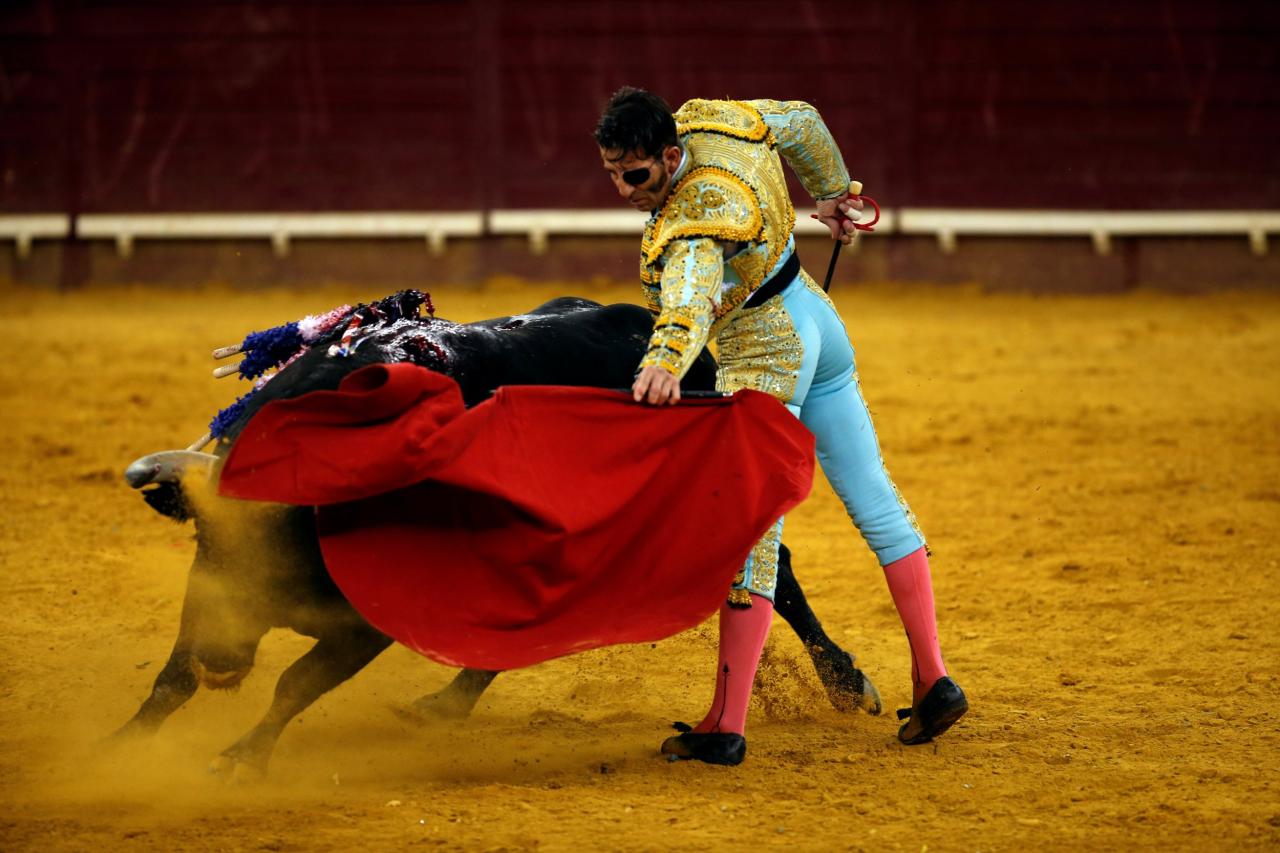
The centuries-old tradition of Mexican bullfighting, steeped in cultural significance, faces a mounting challenge in the 21st century. The debate surrounding its continued practice is fierce, pitting deeply held cultural values against evolving ethical concerns. This article delves into the contemporary issues and controversies surrounding bullfighting in Mexico, examining the arguments for and against the practice, its economic impact, and the contrasting perspectives of proponents and opponents.The once-celebrated spectacle of bullfighting now finds itself embroiled in a complex web of ethical, cultural, and economic considerations.
Modern sensibilities, increasingly focused on animal welfare, have brought forth powerful critiques of the practice. The economic viability of bullrings in a changing landscape also plays a significant role in the ongoing debate.
The quote about Mexican bullfighting’s 500-year history facing a crisis is definitely thought-provoking. It makes you wonder about the future of traditions, right? Similar to how the debate around Oregon daylight saving time highlights the ongoing discussion about adapting to modern needs while preserving cherished practices, this bullfighting issue really touches on a deeper cultural shift.
The future of this centuries-old spectacle is undeniably uncertain.
Current Issues and Controversies
The practice of bullfighting in Mexico is now the subject of intense scrutiny. Arguments against the practice center on concerns regarding animal welfare, while proponents emphasize cultural heritage and economic benefits. The debate highlights the clash between tradition and modern values, and the enduring role of bullfighting in Mexican culture.
Arguments Against Bullfighting: Animal Welfare Concerns
Animal welfare concerns are at the forefront of the opposition to bullfighting. The inherent suffering inflicted on the bulls during the spectacle is a central point of contention. The bulls, often bred and trained for the event, endure prolonged periods of stress, physical trauma, and ultimately, a violent death. This raises profound ethical questions about the justification of causing such suffering for entertainment.
Critics argue that the practice is inhumane and unacceptable in modern society. They highlight the potential for pain and suffering endured by the animals throughout the process, from the moment of capture to the final moments in the ring.
Economic Impact of Bullfighting and its Role in Local Communities
Bullfighting is deeply intertwined with the economic fabric of many Mexican communities. Bullrings generate revenue through ticket sales, concessions, and associated businesses. This revenue supports local economies and provides employment opportunities. However, critics counter that these economic benefits are often outweighed by the potential costs associated with animal welfare concerns, and the negative impact on tourism. The economic impact is undeniably multifaceted, encompassing both positive and negative aspects.
Comparison of Proponents’ and Opponents’ Perspectives
The perspectives of bullfighting proponents and opponents are sharply contrasted. Proponents often view bullfighting as an integral part of Mexican culture, a tradition that should be preserved. They highlight the cultural significance, historical context, and the economic benefits to local communities. Opponents, on the other hand, focus on the animal welfare issues, arguing that the practice is cruel and inhumane.
They advocate for alternatives to bullfighting, emphasizing the importance of respecting animal rights in modern society. The conflicting perspectives reflect differing values and priorities regarding culture, tradition, and animal welfare.
Arguments For and Against Bullfighting
| Argument | Supporting Evidence | Counterargument | |
|---|---|---|---|
| For: Cultural Significance | Bullfighting is a deeply ingrained part of Mexican culture, passed down through generations. | Against: Evolving Societal Values | Modern society increasingly prioritizes animal welfare. |
| For: Economic Impact | Bullfighting generates revenue for local communities, supporting jobs and infrastructure. | Against: Economic Sustainability | The economic benefits may not outweigh the costs associated with animal welfare and potential tourism impacts. |
| For: Tradition and Heritage | Bullfighting has a rich history and tradition in Mexican culture. | Against: Modern Ethical Standards | Modern ethical standards place greater emphasis on animal welfare. |
| For: Cultural Preservation | Bullfighting is a key element of cultural preservation and identity. | Against: Alternative Forms of Entertainment | Alternative forms of entertainment can meet cultural needs without harming animals. |
The Mortal Challenge

Mexican bullfighting, a deeply ingrained cultural tradition, faces a significant existential crisis. The centuries-old practice, while cherished by some, is increasingly challenged by shifting societal values and evolving ethical considerations. This chapter delves into the specific threats facing bullfighting’s future, examining potential legislation, societal shifts, and the intersection with cultural preservation.
Specific Threats to the Future
The future of bullfighting in Mexico is not guaranteed. Multiple factors are converging to create a formidable challenge to its survival. These include growing animal rights activism, shifting public opinion, and potential governmental regulations. A decline in the availability of suitable bulls and the associated financial costs also contribute to the overall pressure.
Potential Legislation and Societal Shifts
Growing concern over animal welfare has prompted increased calls for stricter regulations and even outright bans on bullfights. These efforts, often spearheaded by animal rights organizations, highlight a significant societal shift towards compassion and ethical treatment of animals. Legislative measures aimed at protecting animal welfare are gaining traction in many regions globally. These changes directly impact the practice of bullfighting, threatening its continued existence.
In countries where similar cultural traditions face pressure, historical examples demonstrate how societal shifts and public pressure can result in significant changes to long-standing practices.
Impact on Bullfighting’s Survival
The potential consequences of these challenges are profound. Reduced attendance, decreased financial viability, and potential legal restrictions can severely impact the bullfighting industry. The livelihoods of matadors, picadores, and other participants are directly affected, and the cultural heritage that bullfighting represents could be lost. The very existence of bullrings, a tangible symbol of the tradition, is also threatened.
The decline of similar cultural traditions in other parts of the world, when facing comparable challenges, offers valuable lessons about the potential consequences of societal shifts and legislative actions.
Intersection with Cultural Preservation
Bullfighting’s cultural significance is undeniable. It represents a complex tapestry of tradition, artistry, and history. However, the preservation of this tradition needs to be balanced with contemporary ethical concerns. This balancing act requires a deep understanding of the cultural value of bullfighting for some, while acknowledging the growing ethical arguments against the practice. Finding a path forward that respects both sides is critical.
The preservation of traditions often involves adapting to changing times and finding ways to integrate modern values with established customs.
Potential Future Scenarios
| Scenario | Description | Potential Impact |
|---|---|---|
| Scenario 1: Gradual Decline | Public support for bullfighting gradually erodes, leading to reduced attendance and decreased financial viability. | Bullrings may close or reduce operating days, impacting local economies. |
| Scenario 2: Complete Ban | Legislation bans bullfighting, potentially due to increasing animal welfare concerns. | The tradition is completely extinguished, and cultural heritage is lost. |
| Scenario 3: Adaptation and Reform | Bullfighting adapts to modern ethical standards by implementing stricter animal welfare regulations, possibly reducing the number of bulls involved or altering the spectacle to minimize animal suffering. | Bullfighting continues, but with a modified and potentially diminished role in society. |
| Scenario 4: Revival with Restrictions | Bullfighting is allowed to continue but with significant restrictions on practices to mitigate animal suffering. | The practice continues, but in a greatly altered form. |
Alternative Futures for Bullfighting: Quotation Of The Day After 500 Years Mexican Bullfighting Faces A Mortal Challenge
Mexican bullfighting, a deeply rooted tradition, faces a crucial juncture. The coexistence of cultural preservation and animal welfare is paramount. Finding alternative models that honor the past while addressing modern concerns is essential for the future of this practice. This exploration examines potential paths forward, considering the evolving societal values and the inherent challenges.The future of bullfighting hinges on its ability to adapt to changing ethical standards.
While the tradition holds cultural significance for many, the practice of animal sacrifice in entertainment faces increasing scrutiny. Alternative models must acknowledge these evolving perspectives and offer viable solutions that address both cultural preservation and animal welfare.
Alternative Models for Bullfighting
Several models for the future of bullfighting are possible. These models range from complete abandonment to a significant transformation of the tradition. Adapting the spectacle to incorporate modern ethical standards is crucial. This requires a re-evaluation of the core elements of the practice and an openness to new ways of engaging with the cultural significance of the event.
Potential Strategies for Maintaining or Transforming Bullfighting
Strategies for maintaining bullfighting must acknowledge the growing concerns about animal welfare. Transformative approaches, such as replacing the bull with a mechanical bull, or staging the event with a more symbolic or choreographed presentation, are possible avenues for adapting the tradition. The key is to maintain the cultural aspects while removing the harm to the animals. This approach requires a careful balancing act between honoring tradition and embracing modern ethical considerations.
Adapting Bullfighting Traditions While Addressing Animal Welfare Concerns
Adapting bullfighting traditions requires careful consideration of animal welfare. A critical element is replacing the live bull with a substitute, such as a mechanical bull. This allows the spectacle to continue, potentially retaining the cultural significance, while eliminating the risk of harm to the animal. This adaptation is a possible solution to the modern challenges facing the practice.
The quote about Mexican bullfighting’s 500-year history facing a serious threat is pretty sobering. It’s a stark reminder of traditions fading. Meanwhile, the recent news about a couple missing from a boat in Grenada highlights the unpredictable nature of the world, and the human cost of such events. The worrying reports surrounding the missing couple in couple missing boat grenada certainly adds another layer to this discussion about cultural preservation.
Ultimately, the quote about bullfighting still holds significant weight in the face of these unforeseen challenges.
Integrating Cultural Preservation with Modern Ethical Standards
The integration of cultural preservation with modern ethical standards is possible through a thoughtful transformation of the event. For example, the cultural significance of the event could be retained by showcasing the artistry and tradition of the matador in a controlled environment. This could be achieved through a choreographed performance, without the use of a live bull. By maintaining the cultural aspects while removing the cruelty, the practice can adapt to a modern ethical framework.
A quote today about 500 years of Mexican bullfighting facing a huge threat is pretty thought-provoking. It really got me thinking about the future of the sport and how it’s changing. Interestingly, a recent article by Zachary Wolfe in the New York Times ( zachary woolfe new york times ) delves into the history and cultural significance of bullfighting, providing a different perspective on this age-old tradition.
Ultimately, this quote about the challenge facing bullfighting is a powerful reminder of how traditions can be impacted by modern values and societal changes.
Examples of Alternative Cultural Practices or Celebrations
Other cultural practices address similar societal concerns. Traditional Japanese Sumo wrestling, while involving physical exertion, does not involve the harm of an animal. Other examples of celebrations focusing on human athleticism and cultural performance, without involving animals, exist and could serve as models.
Potential Alternatives to Traditional Bullfighting
| Alternative | Impact on Culture | Impact on Tradition | Impact on Animal Welfare |
|---|---|---|---|
| Mechanical Bull | Potentially maintains spectacle | Significant transformation | Excellent |
| Choreographed Performance | Maintains cultural elements | Significant transformation | Excellent |
| Symbolic Bullfighting | Preserves cultural meaning | Significant transformation | Excellent |
| Abandonment | Loss of tradition | Complete loss | Excellent |
Visual Representation of the Issue
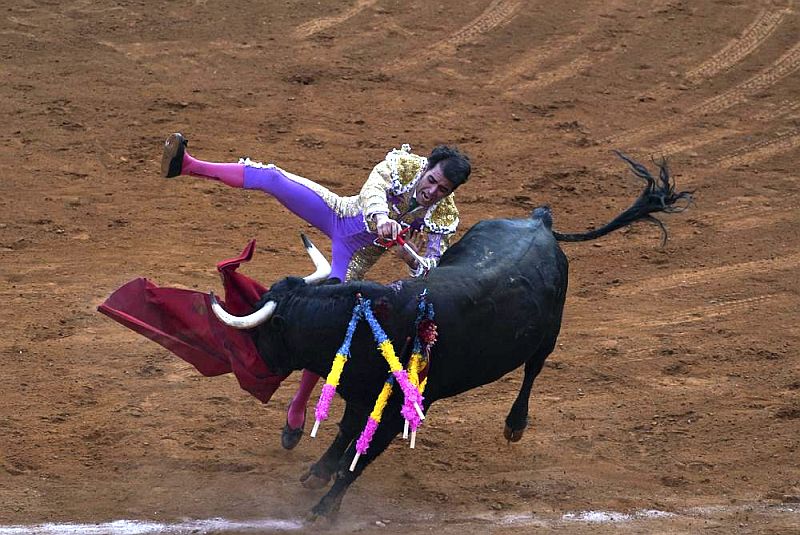
The visual representation of bullfighting in Mexico, a deeply entrenched tradition, is multifaceted, encompassing the spectacle of the arena, the protests against it, and the evolving societal tensions surrounding animal welfare. Images powerfully depict both the passion and the controversy surrounding this cultural practice, reflecting the historical context and contemporary challenges. Understanding these visual narratives is crucial to comprehending the complexities of this enduring debate.
A Bullfight Scene, Quotation of the day after 500 years mexican bullfighting faces a mortal challenge
A bullfight scene, traditionally depicted, showcases a dramatic interplay of human skill and animal suffering. The matador, a figure of grace and courage, confronts the bull, a symbol of raw power and untamed nature. The choreography of the fight, a complex dance of movement and counter-movement, is often presented with a sense of stylized artistry. The crowd, an integral part of the spectacle, erupts in cheers and applause during moments of skillful execution, while the fate of the bull, often depicted in graphic detail, underscores the inherent tension between tradition and the animal’s well-being.
The use of vibrant colors, dramatic lighting, and dynamic compositions contribute to the overall sensory experience.
A Protest Against Bullfighting
A protest against bullfighting, in contrast, typically employs visual elements that highlight the suffering and cruelty inherent in the event. Images of bullfighters facing protestors, sometimes with signs and banners, evoke the clash of ideologies. Protesters might use symbolic imagery of the bull’s pain and distress, emphasizing the animal’s vulnerability. Photos of empty arenas, juxtaposed with scenes of injured or dead bulls, further highlight the moral arguments against the practice.
The contrast between the celebratory nature of the bullfight and the somber expressions of the protesters creates a visual narrative that contrasts sharply with the traditional imagery.
Modern Concerns Surrounding Bullfighting
Scenes depicting modern concerns surrounding bullfighting often present a visual tension between tradition and animal welfare. Images might feature protestors alongside bullfighters in the arena, reflecting the societal divide. The faces of both bullfighters and protestors could be captured in moments of intense emotion, highlighting the deeply personal and passionate arguments on both sides. Visual representations might show the changing demographics of the audience, with younger generations often exhibiting less enthusiasm for the spectacle, further emphasizing the evolving societal perception of bullfighting.
Images might also include scenes of animal rescue efforts or educational campaigns highlighting animal welfare, providing a counterpoint to the traditional imagery of the bullfight.
Evolution of Bullfighting in Mexico
Images representing the evolution of bullfighting in Mexico can be traced through various periods. Early depictions might showcase the ritualistic aspects of the event, emphasizing its role in societal gatherings and festivals. Later images would show the gradual shift towards a more formalized spectacle, reflecting the changing social and economic contexts. Visual evidence could include posters and advertisements from different eras, showing the evolution of the event’s presentation and marketing strategies.
The quote about 500 years of Mexican bullfighting facing a crisis is definitely thought-provoking. It highlights a significant cultural shift. Interestingly, the recent news about Felicia Snoop Pearson and Ed Burns’s wire work seems to touch on similar themes of tradition versus progress, especially when considering the potential impact of modern technologies on established practices. For example, the use of innovative tools in wire work, like the ones discussed in felicia snoop pearson ed burns wire , might offer a parallel to the challenges facing bullfighting’s future.
Ultimately, the quote of the day regarding bullfighting still feels very relevant to these contemporary discussions.
Images might highlight the shift from a purely ritualistic tradition to a commercialized event, reflecting the evolving nature of culture and entertainment.
Changing Cultural Landscape
Visual depictions of the changing cultural landscape and the evolving role of bullfighting in Mexico offer a comprehensive view of the shifting societal values. Photographs of aging arenas, juxtaposed with modern-day protests, highlight the historical significance of the event while showcasing the contemporary opposition. Images of bullfighters engaging in charitable activities, alongside protest imagery, illustrate the diverse perspectives on bullfighting.
Visual representations might also include images of contemporary cultural events, contrasting the presence of bullfighting with alternative forms of entertainment and cultural expressions. These visuals underscore the complexity of the issue and the multifaceted nature of Mexican culture.
End of Discussion
In conclusion, the future of Mexican bullfighting hangs in the balance. While deeply entrenched in tradition, the practice is grappling with modern ethical concerns and societal shifts. The potential for adaptation and transformation presents a complex path forward, requiring a nuanced understanding of the cultural, economic, and ethical dimensions. The choice before us isn’t simply about preserving a tradition, but about adapting it to a changing world.
This exploration encourages a thoughtful consideration of this profound cultural intersection, where tradition meets the demands of the present.
Top FAQs
What are the primary arguments against bullfighting?
Animal welfare concerns are paramount. Opponents highlight the inherent cruelty in the practice, arguing that the bulls are subjected to unnecessary suffering. Concerns about the ethical treatment of animals in the context of a sporting event are central to this debate.
How does bullfighting impact local communities economically?
The economic impact is multifaceted. While bullfighting provides jobs and revenue for many, it also raises questions about the long-term sustainability of these practices in the face of changing social values. Alternative economic models and opportunities for local communities are vital considerations.
What is the potential for alternative bullfighting models?
This exploration includes a range of alternative models. These models range from adapting traditional practices to address animal welfare concerns, to the potential for transforming bullfighting into a cultural celebration that does not involve the suffering of animals. The discussion also explores the integration of cultural preservation with modern ethical standards.