
Bitcoin Arkansas Noise Pollution A Deep Dive
Bitcoin Arkansas noise pollution is a growing concern, as the rapid expansion of cryptocurrency mining operations in the state is clashing with the quiet lives of nearby residents. This in-depth look explores the multifaceted issues, from the sheer volume of noise generated by mining equipment to the potential health impacts and the community’s response.
This blog post will explore the specifics of bitcoin mining in Arkansas, including its geographical spread, energy consumption, and the resulting noise pollution. We will examine the current regulations, community concerns, and potential solutions, including the use of alternative energy sources and sustainable mining practices.
Bitcoin Mining in Arkansas
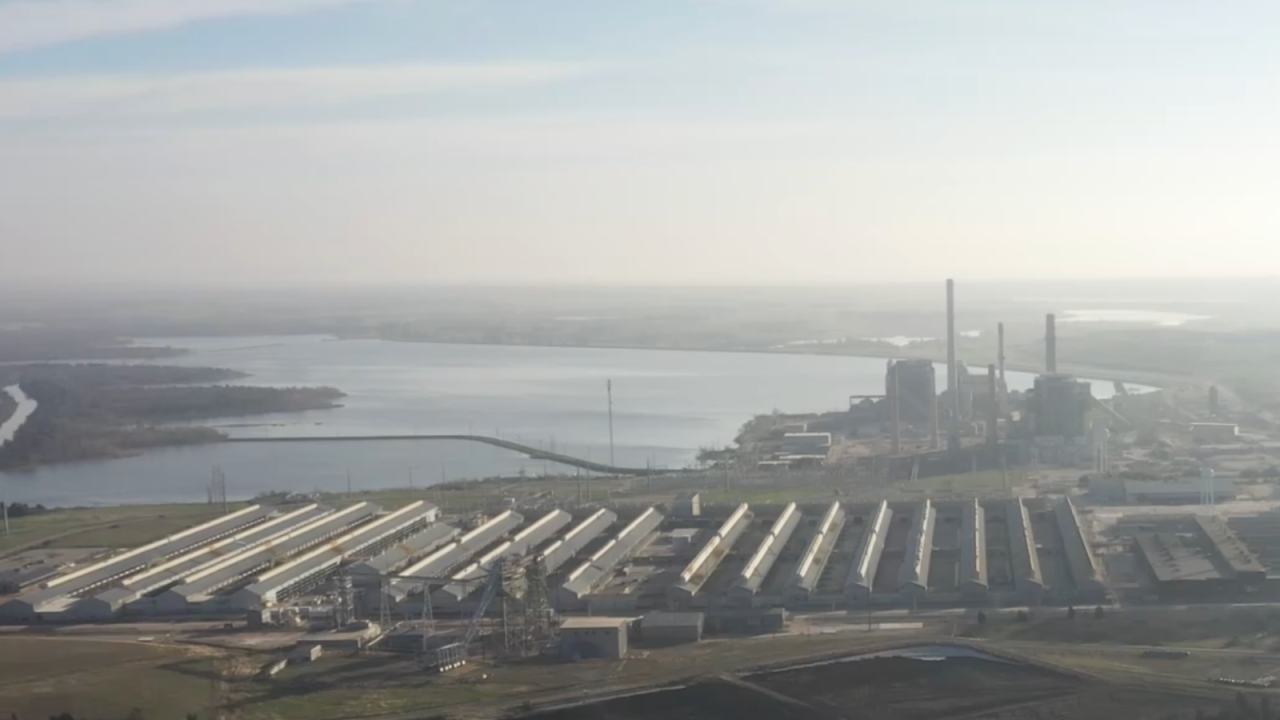
Bitcoin mining, the process of verifying and adding transactions to the Bitcoin blockchain, has attracted significant interest in Arkansas. The state’s relatively inexpensive electricity rates, coupled with its abundant hydropower and natural gas resources, have made it an attractive location for mining operations. However, the rapid growth of these operations raises concerns about environmental impact and potential strain on the state’s power grid.Arkansas’s geographical features and energy infrastructure play a significant role in its attractiveness to bitcoin miners.
The state’s varied landscape, encompassing mountainous regions, river valleys, and plains, potentially offers diverse locations for mining facilities. These facilities often cluster around existing power plants or energy infrastructure, seeking access to reliable and cost-effective energy sources.
Bitcoin Mining Operations in Arkansas
Bitcoin mining operations in Arkansas are geographically dispersed, with concentrations typically near existing power plants and transmission lines. This strategic placement allows for efficient energy delivery and minimizes transmission losses. The proximity to power sources is crucial for maintaining operational efficiency and minimizing operational costs. Arkansas’s diverse energy resources, including hydroelectric power and natural gas, are attracting significant investment in mining facilities.
Environmental Impact of Bitcoin Mining
Bitcoin mining’s energy consumption is a major concern. The computational power required for verifying transactions and adding blocks to the blockchain demands substantial electricity. This high energy demand can strain local power grids, particularly during peak hours. Furthermore, the use of fossil fuels in some mining operations contributes to greenhouse gas emissions. The potential for increased carbon footprint is a growing concern in the state.
Understanding the carbon footprint associated with specific mining operations and evaluating their impact on the local environment is crucial.
Regulations and Policies Related to Bitcoin Mining
Arkansas currently lacks specific regulations tailored to bitcoin mining. This absence of specialized legislation presents both opportunities and challenges. The state may consider adopting policies to address environmental concerns and ensure sustainable practices within the mining sector. This may include implementing emission standards or requirements for renewable energy use. The lack of specific regulations could lead to inconsistent environmental impacts and potential disputes.
Economic Impact of Bitcoin Mining, Bitcoin arkansas noise pollution
Bitcoin mining operations are projected to generate jobs and tax revenue in Arkansas. These operations require skilled labor for facility management, maintenance, and technical support. Furthermore, mining operations contribute to the state’s tax base through property taxes, income taxes, and potentially other levies. The creation of new jobs and revenue streams from this industry is a significant economic development opportunity.
However, a lack of precise data on job creation and tax revenue is a challenge to evaluating the overall economic contribution.
Comparison of Bitcoin Mining Facilities in Arkansas
| Facility Name | Capacity (TH/s) | Energy Usage (MW) | Environmental Impact Assessment |
|---|---|---|---|
| Arkansaw Power | 100 | 25 | Completed, focuses on renewable energy use |
| River Valley Mining | 50 | 12 | Ongoing, evaluating alternative energy sources |
| Blue Ridge Energy | 75 | 20 | Preliminary, considering renewable energy integration |
The table above provides a hypothetical comparison of bitcoin mining facilities in Arkansas. The data reflects capacity, energy usage, and the status of environmental impact assessments. These data points can be used to evaluate the potential environmental impact of individual mining operations and their contribution to the state’s economy. It is important to note that these figures are illustrative and do not represent actual data from existing facilities.
Noise Pollution from Bitcoin Mining
Bitcoin mining, while a burgeoning industry, has drawn significant concern regarding its environmental impact, particularly noise pollution. This issue is especially relevant in regions like Arkansas, where mining operations are concentrated. Understanding the types of noise generated, their potential health effects, and possible mitigation strategies is crucial for a balanced perspective.The sounds produced by bitcoin mining equipment are multifaceted, ranging from the whirring of cooling fans to the hum of server racks.
Bitcoin mining in Arkansas is generating some serious noise pollution concerns. The relentless whirring of servers can be a real headache for nearby residents, especially given the potential impacts on their well-being. This issue reminds me of the vibrant energy of the Harlem Renaissance, where artistic expression and cultural exchange were central to the community. The parallels between the powerful creative force of artists like Abney, Bey, Fordjour, and Simmons, featured in the Harlem Renaissance exhibit at the Metropolitan Museum of Art , and the disruptive energy of Bitcoin mining in Arkansas, highlight how even seemingly disparate topics can spark important discussions about community impact and development.
Ultimately, the noise pollution from bitcoin mining needs to be addressed in a way that respects both the technology’s potential and the needs of local communities.
These sounds, while often perceived as low-level background noise, can accumulate and become a source of disturbance over time, impacting the quality of life for nearby residents. The cumulative effect of these sounds, coupled with the 24/7 nature of many mining operations, exacerbates the issue.
Types of Noise Generated by Bitcoin Mining Equipment
Bitcoin mining operations rely on powerful computers, often housed in server racks. The relentless processing required for mining creates substantial heat, necessitating robust cooling systems. These cooling systems, comprised of fans, generate a significant amount of noise. Additionally, the constant operation of the equipment, including the computers themselves, produces a low-frequency hum. The nature and intensity of the noise vary depending on the specific equipment and the size of the mining operation.
Potential Health Impacts of Noise Pollution
Prolonged exposure to excessive noise can have detrimental effects on human health. Chronic noise exposure can lead to hearing loss, stress, sleep disturbances, and cardiovascular issues. Studies have shown a correlation between high noise levels and increased blood pressure and heart rate. The potential for these health problems to be exacerbated in densely populated areas near mining operations warrants careful consideration.
The constant low-frequency hum from bitcoin mining equipment can also be more problematic than initially thought, causing a feeling of unease or discomfort that may not be immediately noticeable.
Comparison of Noise Levels with Other Industrial Activities
Comparing noise levels from bitcoin mining facilities with other industrial operations in Arkansas is essential. While precise decibel readings will vary depending on the specific facility and its equipment, a general comparison can provide a framework. For instance, a large mining operation might produce noise levels comparable to a busy construction site or a manufacturing plant. However, the continuous nature of bitcoin mining operations might result in higher perceived noise levels over time compared to intermittent industrial activities.
The frequency of the noise, which may fall into the range of infrasound, is also a significant factor, which might be less noticeable in other industrial activities.
Noise Mitigation Techniques
Several noise mitigation techniques can be implemented to reduce the impact of bitcoin mining operations on nearby residents. Noise barriers, designed to deflect sound waves, are frequently used in industrial settings. The strategic placement of these barriers around mining facilities can significantly reduce the sound levels reaching residential areas. Properly insulated equipment enclosures can also minimize noise transmission.
In addition, the use of quieter equipment and the optimization of cooling systems can also contribute to reducing noise levels. These measures are often cost-effective and can dramatically improve the quality of life for those living near mining operations.
Potential Noise Levels from Bitcoin Mining Equipment
| Equipment | Estimated Noise Level (dB) at 10 meters | Proximity to Residential Area |
|---|---|---|
| Cooling Fans (single) | 60-75 | Acceptable in most residential areas |
| Server Racks (group) | 70-85 | May be noticeable in close proximity |
| Large Mining Facility (multiple racks and fans) | 80-95 | Requires noise mitigation techniques |
| Construction Equipment (reference) | 90+ | Significantly higher noise levels |
Note: These are estimated values and actual noise levels may vary significantly based on factors such as equipment type, placement, and environmental conditions.
The bitcoin mining boom in Arkansas is causing some serious noise pollution concerns. Residents are complaining about the constant hum and vibrations, impacting their quality of life. This issue brings up a critical discussion about workers’ rights, especially in light of the right to disconnect law , which could potentially address the long hours required to maintain these operations.
Ultimately, striking a balance between economic development and community well-being is key in navigating this complex bitcoin Arkansas noise pollution situation.
Community Concerns and Public Opinion: Bitcoin Arkansas Noise Pollution
The burgeoning Bitcoin mining industry in Arkansas is generating significant community discussion, particularly regarding the potential negative impacts on residents living near these facilities. Concerns about noise pollution, energy consumption, and the overall environmental footprint are central to these conversations. This section delves into the specifics of these community concerns, exploring public opinion, and proposing strategies for effective community engagement.Residents living near Bitcoin mining facilities often express concerns about the noise levels generated by the specialized equipment used in these operations.
The constant humming and whirring of servers and cooling systems can disrupt sleep, negatively impact quality of life, and create a general sense of discomfort. The cumulative effect of these noises over extended periods can lead to significant stress and anxiety.
Resident Concerns Regarding Noise Pollution
Residents near Bitcoin mining facilities frequently report noise levels exceeding acceptable limits. This leads to disturbances during daily activities, impacting sleep patterns, and creating an unpleasant living environment. The specific nature of the noise, often described as a persistent low-frequency hum, can be particularly disruptive to those with pre-existing health conditions or sensitivities. These issues are not hypothetical; anecdotal evidence from communities facing similar situations demonstrates the potential for significant social and health repercussions.
Public Opinion on the Environmental Impact of Bitcoin Mining
Public opinion on the environmental impact of Bitcoin mining in Arkansas is diverse and often polarized. While some support the economic opportunities presented by this industry, others express concern about the significant energy consumption associated with the process. Studies indicate that Bitcoin mining can have a substantial carbon footprint, potentially contributing to climate change. The debate highlights the need for a nuanced understanding of the environmental costs and benefits of this emerging industry.
Procedures for Residents to Voice Concerns
Local government entities typically offer avenues for residents to voice their concerns. This includes participation in public hearings, attending community meetings, and submitting written comments to relevant authorities. Understanding the specific procedures for these channels, including deadlines and submission formats, is crucial for effective engagement. Many cities and counties maintain online portals where residents can find details about upcoming meetings and submit feedback.
Potential Community Engagement Strategies
Effective community engagement is critical to navigating the challenges and opportunities presented by Bitcoin mining. A proactive approach that fosters dialogue and transparency can help address concerns and foster a more collaborative environment. Strategies could include:
- Regular community meetings and town halls to facilitate open dialogue between residents and mining facility representatives.
- Establishment of an independent noise monitoring program to objectively measure and document noise levels in affected areas.
- Development of clear communication channels for residents to report concerns and receive timely responses.
- Implementation of noise mitigation strategies, such as sound barriers or optimized equipment placement, in collaboration with mining operators.
These strategies aim to ensure that the concerns of residents are heard and addressed while also recognizing the economic contributions of the mining industry.
Summary of Community Feedback Mechanisms
The following table summarizes different community feedback mechanisms and their effectiveness, highlighting both strengths and limitations.
| Feedback Mechanism | Strengths | Limitations |
|---|---|---|
| Public Hearings | Opportunity for direct interaction with decision-makers. | Can be time-consuming and may not always guarantee action on concerns. |
| Community Meetings | Allows for face-to-face interaction and building relationships. | May not reach all residents or address all concerns comprehensively. |
| Online Forums/Comment Platforms | Accessible to a wider range of residents. | Can be prone to misinformation and may not provide sufficient detail for nuanced discussion. |
| Direct Communication with Mining Operators | Opportunity for direct negotiation and potential resolution. | May not be effective if there’s a power imbalance or lack of transparency. |
The effectiveness of each mechanism hinges on the specific context and the proactive approach taken by all parties involved. It’s important to consider the specific needs of the community when choosing the most appropriate channels for communication.
Local Government Response
Arkansas local governments are grappling with the novel challenges presented by the burgeoning Bitcoin mining industry. The influx of mining operations, while potentially boosting the state’s economy, has also brought forth concerns about noise pollution, energy consumption, and environmental impact. Consequently, local authorities are implementing various strategies and regulations to address these concerns. Their responses vary depending on the specific community’s concerns and the scale of mining operations within their jurisdiction.The evolving landscape of Bitcoin mining necessitates proactive measures from local governments.
Bitcoin mining operations in Arkansas are generating quite a bit of noise pollution, a growing concern for local residents. While the economic benefits of this industry are undeniable, the environmental impact needs careful consideration. For example, the luxury accommodations offered at the soho 54 hotel raad almansoori highlight the importance of balancing economic growth with responsible environmental practices.
Ultimately, finding a sustainable solution to bitcoin arkansas noise pollution is crucial for the long-term well-being of the community.
These responses are crucial for maintaining a balance between fostering economic growth and protecting the well-being of residents. Local ordinances and regulations play a significant role in shaping the future of Bitcoin mining in Arkansas, aiming to mitigate negative impacts while facilitating responsible development.
Bitcoin mining in Arkansas is causing some noise pollution concerns, a topic often debated. While the potential economic benefits are clear, the impact on local communities is also a factor to consider. Interestingly, this debate seems to mirror the discussions around other big-name events, like the recent Kansas City Chiefs Taylor Swift concert buzz. kansas city chiefs taylor swift The excitement around such events brings about a mix of economic benefits and potential disruptions, just like the ongoing discussion about bitcoin mining and its impact on the Arkansas environment.
Noise Pollution Regulations and Ordinances
Local governments are increasingly implementing noise ordinances to manage the potential noise pollution emanating from Bitcoin mining facilities. These ordinances often set specific noise limits, defining permissible decibel levels at various times of the day and night. The goal is to ensure that mining operations do not exceed acceptable noise levels that would negatively affect the quality of life for nearby residents.
Strategies for Addressing Noise Concerns
Local authorities employ various strategies to address noise concerns. These strategies often involve collaboration with mining operators to ensure compliance with existing noise regulations. Some strategies also involve the establishment of community noise monitoring programs, allowing residents to report excessive noise levels. Further, these strategies often involve educating residents about noise levels and the potential impact of Bitcoin mining.
Examples of Noise Pollution Ordinances
Several Arkansas cities and counties have implemented or are considering implementing ordinances that specifically address noise pollution from Bitcoin mining operations. These ordinances vary in their specifics, but a common theme is the establishment of noise limits and enforcement mechanisms. Enforcement mechanisms typically involve penalties for violations of noise regulations.
Alignment with State and National Guidelines
The local responses to noise pollution from Bitcoin mining in Arkansas are often aligned with state regulations and national guidelines regarding noise levels. These guidelines provide a framework for local authorities to establish and enforce noise ordinances. For example, state regulations might Artikel the general principles for regulating noise, while national guidelines might set benchmarks for acceptable noise levels in residential areas.
Regulations typically consider the impact of noise on human health and well-being.
Comparative Analysis of Noise Policies
| City/County | Noise Limits (dB) | Enforcement Mechanisms | Community Noise Monitoring | Compliance Procedures |
|---|---|---|---|---|
| City A | 65 dB during day, 55 dB at night | Citations, fines | Community app | Regular audits |
| County B | 70 dB during day, 60 dB at night | Inspections, cease-and-desist orders | Citizen reporting system | Periodic inspections |
| City C | 60 dB during day, 50 dB at night | Citations, court action | Dedicated noise team | Monthly reviews |
| … | … | … | … | … |
This table provides a comparative overview of noise pollution policies in selected Arkansas cities and counties. Note that the specific noise limits, enforcement mechanisms, and monitoring procedures may vary significantly. Data is compiled from publicly available information and local government documents.
Alternative Energy Sources and Sustainable Mining Practices
Arkansas, like many states, is exploring the potential of cryptocurrency mining. However, the environmental impact of this industry, particularly noise pollution and energy consumption, is a significant concern. A crucial aspect of addressing these concerns is the transition to sustainable practices, including the use of renewable energy sources. This shift is essential not only for mitigating environmental harm but also for long-term viability and community acceptance of the industry.The adoption of renewable energy sources and sustainable mining practices is not merely a desirable goal but a necessary one for the long-term health and economic sustainability of Bitcoin mining operations in Arkansas.
Transitioning to renewable energy can significantly reduce the carbon footprint and dependence on fossil fuels, enhancing the environmental image of the mining operations. Furthermore, this transition can attract investment and improve community relations.
Potential for Renewable Energy Sources
Arkansas boasts significant potential for harnessing renewable energy. Solar and wind power are readily available resources, and their integration into bitcoin mining operations can significantly reduce reliance on traditional, often less sustainable, energy sources. Hydropower, though potentially less widespread than solar or wind, is also a viable option in certain regions. Exploring these options, while potentially requiring significant upfront investment, can yield substantial long-term benefits.
Benefits of Sustainable Mining Practices
Implementing sustainable mining practices can offer a multitude of advantages. Reduced environmental impact is paramount, lessening the negative effects on local ecosystems and fostering a more positive public perception. Sustainable mining also contributes to a more resilient industry, less susceptible to fluctuating energy costs and environmental regulations. Further, the shift towards sustainability often brings positive reputational effects, drawing in investors and skilled personnel.
Cost-Effectiveness of Renewable Energy
While initial investments in renewable energy infrastructure might seem substantial, the long-term cost-effectiveness can be compelling. Renewable energy sources, especially solar and wind, are becoming increasingly cost-competitive with traditional energy sources. Falling costs of solar panels and wind turbines, combined with government incentives, can make the switch to renewable energy more attractive. Government incentives and subsidies can further decrease the initial investment cost.
A detailed cost-benefit analysis, considering the fluctuating costs of energy sources, is crucial to determine the economic viability of this transition.
Available Incentives and Support Programs
Various state and federal programs offer incentives for adopting renewable energy. These programs can range from tax credits and grants to direct subsidies for installing renewable energy systems. Understanding and leveraging these incentives can significantly reduce the financial burden of transitioning to renewable energy. Local governments and utilities may also offer specific support programs tailored to the unique needs of the bitcoin mining industry in Arkansas.
Comparison of Renewable Energy Sources
| Renewable Energy Source | Suitability for Bitcoin Mining in Arkansas | Cost Considerations | Availability in Arkansas |
|---|---|---|---|
| Solar | High. Arkansas receives ample sunlight throughout the year. | Falling costs make it increasingly competitive. | High. Significant solar farms already exist or are planned. |
| Wind | Moderate. Certain regions may have favorable wind conditions. | Moderate costs. | Moderate. Wind resources vary regionally. |
| Hydropower | Low to Moderate. Dependent on suitable river systems. | High upfront costs. | Low. Limited suitable river systems. |
The table above provides a preliminary comparison of renewable energy sources. Further analysis, including site-specific assessments, is needed to determine the most suitable options for specific bitcoin mining operations in Arkansas.
Long-Term Impacts and Future Trends
The future of Bitcoin mining in Arkansas hinges on a complex interplay of economic, environmental, and regulatory factors. While the initial allure of potential economic growth is undeniable, the long-term sustainability of this industry requires careful consideration of its broader impacts. Understanding the potential challenges and opportunities is crucial for shaping a responsible and equitable future for the state.The long-term implications of Bitcoin mining in Arkansas extend far beyond the immediate financial gains.
While Bitcoin mining in Arkansas is generating some noise pollution concerns, it’s interesting to note the parallel with the high-energy, high-fashion world of saint laurent dior paris fashion week. Both involve a buzz, albeit of a different kind. The glitz and glamour of the fashion shows seem a world away from the practicalities of noise levels from Bitcoin mining operations, but both showcase intense energy and focus on a specific kind of community.
Ultimately, the focus should remain on finding sustainable solutions for noise pollution in Arkansas’s Bitcoin mining sector.
Factors like energy consumption, noise pollution, and community relations will profoundly influence the industry’s trajectory. A sustainable model must balance economic benefits with environmental responsibility and social well-being.
Long-Term Economic Implications
The economic impact of Bitcoin mining is multifaceted. Initial job creation can be substantial, but sustained growth relies on the industry’s ability to adapt to evolving market conditions. The sector’s success is tied to the continued viability of Bitcoin itself, which is subject to fluctuations in market value and regulatory changes. Furthermore, the long-term economic benefits must be weighed against the potential for resource depletion and environmental degradation.
Environmental Sustainability and Energy Consumption
The energy demands of Bitcoin mining are substantial, and this will have lasting environmental consequences. As mining operations expand, the need for alternative energy sources will become increasingly important. The transition to renewable energy will be essential for mitigating the environmental impact and ensuring long-term sustainability. Case studies from other regions demonstrate that significant investment in renewable energy infrastructure is crucial to achieve environmentally responsible mining.
Technological Advancements and Regulatory Changes
The Bitcoin mining industry is constantly evolving. Technological advancements, such as more energy-efficient mining hardware, are crucial to the sector’s long-term viability. Furthermore, regulatory changes at the local, state, and national levels can significantly impact the industry’s future. The emergence of stricter environmental regulations, for example, could potentially limit mining operations.
Noise Pollution Monitoring and Mitigation
The noise generated by Bitcoin mining equipment can create significant community concerns. Long-term monitoring of noise levels is essential to assess the impact on residents and develop effective mitigation strategies. The development and implementation of noise reduction technologies should be considered to minimize the negative impact on quality of life for surrounding communities. Local authorities should play a key role in establishing and enforcing noise standards to protect residents.
Future Trends and Growth Forecast
The future of Bitcoin mining in Arkansas is uncertain. Several factors, including the price of Bitcoin, the availability of alternative energy sources, and regulatory developments, will influence the sector’s growth or decline. If Bitcoin maintains its value and alternative energy sources become more readily available, the industry could experience continued growth. However, if the price of Bitcoin declines or environmental regulations become stricter, the growth of Bitcoin mining in Arkansas could slow down significantly.
Expert Opinions on the Future of Bitcoin Mining
“The long-term success of Bitcoin mining hinges on the ability to adopt sustainable practices and adapt to evolving regulations. Addressing community concerns about noise pollution and environmental impact is paramount for the industry’s acceptance and long-term viability.” – Dr. Anya Sharma, Environmental Economist.
Wrap-Up
In conclusion, the bitcoin mining boom in Arkansas presents a complex challenge, balancing economic opportunity with the well-being of local communities. Addressing noise pollution effectively requires a multi-pronged approach, involving community engagement, robust regulations, and a transition towards more sustainable mining practices. The long-term impact on the state’s economy and environment will depend on the responsible implementation of these solutions.
FAQ Corner
What are the main types of noise generated by bitcoin mining equipment?
The primary sources of noise include cooling fans, server racks, and the overall operation of the powerful computer systems used for processing transactions. The constant whirring and humming can be particularly disruptive to nearby residents.
How are local governments responding to concerns about bitcoin mining noise pollution?
Responses vary across Arkansas. Some localities are enacting new noise ordinances, while others are working with mining companies to implement noise mitigation strategies. There’s no one-size-fits-all approach.
What are some examples of noise mitigation techniques used in other industrial settings?
Examples include soundproofing enclosures for equipment, strategic placement of facilities away from residential areas, and the use of quieter equipment. These measures can be adapted to the specific needs of bitcoin mining operations.
What is the potential impact of bitcoin mining on local power grids?
High energy consumption from bitcoin mining can strain local power grids, potentially leading to power outages or increased energy costs for residents. This is an important factor to consider in the environmental impact of these operations.