Protest Letter Israel Gaza A Deep Dive
Protest letter Israel Gaza highlights the escalating tensions and deeply felt grievances in the region. This exploration delves into the historical context, the underlying causes of the protests, the content of the letters themselves, and the responses from all parties involved. From the historical roots of the conflict to the specific demands Artikeld in the letters, this comprehensive analysis sheds light on the complex dynamics at play.
This examination provides a nuanced perspective on the events, exploring the motivations and emotions behind the protests. The analysis also examines the impact of the letters on the ground, along with the responses from various stakeholders, including the Israeli government, Palestinian factions, and the international community.
Historical Context of Israeli-Palestinian Conflict
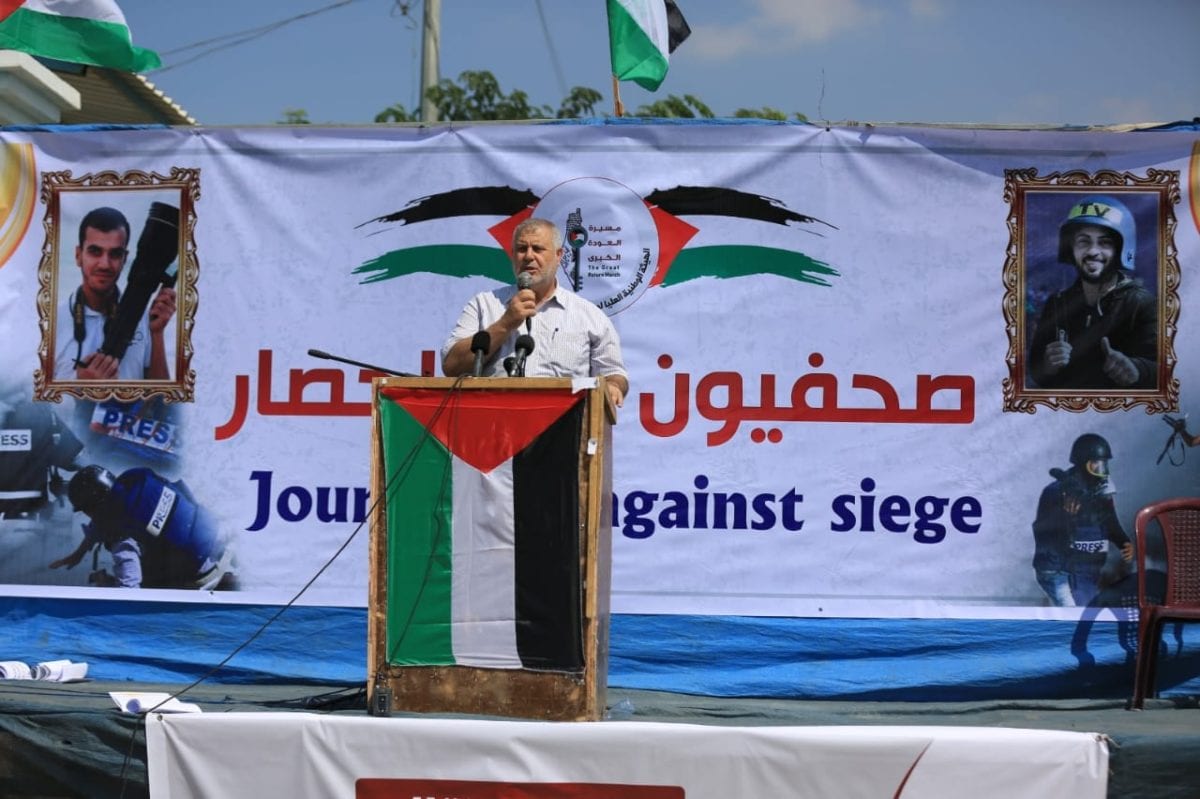
The Israeli-Palestinian conflict is a deeply complex and multifaceted struggle rooted in historical claims, religious beliefs, and political aspirations. Its roots stretch back centuries, involving intricate layers of cultural, religious, and national identities. Understanding the historical context is crucial to comprehending the current protests in Gaza and the broader tensions in the region.
Key Events Leading to the Protests
The conflict’s trajectory is marked by significant events, each contributing to the escalating tensions. These events have shaped the perceptions and grievances of both Israelis and Palestinians, ultimately leading to the current protests. A crucial element to understanding the conflict is to recognize the differing interpretations of these events from both sides.
| Date | Event | Description |
|---|---|---|
| 1947 | UN Partition Plan | The UN proposed the partition of Palestine into separate Jewish and Arab states. This plan, while intended to resolve the conflict, was rejected by Arab leaders and ultimately failed to prevent the 1948 Arab-Israeli War. |
| 1948 | Arab-Israeli War | Following the UN Partition Plan, Arab armies invaded the newly declared State of Israel. The ensuing war resulted in displacement and loss of life for both Israelis and Palestinians. This period is viewed very differently by both sides, with Palestinians often citing the loss of land and displacement as a foundational grievance. |
| 1967 | Six-Day War | Israel defeated several Arab states in a swift conflict, occupying the West Bank, Gaza Strip, and the Golan Heights. This occupation remains a central point of contention, with Palestinians viewing it as an act of aggression and a violation of their rights. |
| 1987-1993 | First Intifada | A Palestinian uprising against Israeli occupation, characterized by protests, demonstrations, and acts of resistance. This marked a turning point in the conflict, highlighting the deep-seated Palestinian frustration and desire for self-determination. |
| 2000-2005 | Second Intifada | Another period of intense Palestinian resistance against Israeli occupation, involving violence and clashes. This marked a further escalation of the conflict, with international pressure mounting to find a peaceful resolution. |
| 2006 | Hamas’ victory in Palestinian elections | Hamas, a Palestinian Islamist group, won the Palestinian legislative elections. This political shift, viewed differently by both Israelis and Palestinians, further complicated the already fraught political landscape. |
| Ongoing | Blockade of Gaza | Israel has maintained a blockade of the Gaza Strip, limiting the movement of goods and people in and out of the territory. This has had severe economic and humanitarian consequences for Palestinians in Gaza. Israel cites security concerns as justification for the blockade, while Palestinians view it as a form of collective punishment. |
Political and Social Factors
Political and social factors significantly influence the conflict. The Israeli-Palestinian conflict is not solely about land; it also reflects competing political ideologies, varying social structures, and entrenched national identities.
The protest letter regarding Israel and Gaza highlights serious concerns, but the issue isn’t isolated. Think about the strained energy infrastructure during the winter months, impacting the availability of electricity. The recent challenges with the winter electric grid and summer capacity, detailed in this article about winter electric grid summer , offer a glimpse into the interconnectedness of global issues.
Ultimately, the protest letter underscores the importance of addressing these complex global challenges.
- Political Grievances: Palestinians express frustration with a perceived lack of political representation and self-determination, while Israelis highlight concerns regarding security and the preservation of their state. The conflict is characterized by different perspectives on the future of the region and the roles of both Israeli and Palestinian states.
- Economic Disparities: The Israeli-Palestinian conflict is deeply intertwined with economic realities. The blockade of Gaza and restrictions on movement have significantly impacted the Palestinian economy, exacerbating poverty and inequality. Israeli economic growth, on the other hand, is often viewed as a result of resources and support from international allies, further fueling the disparity between the two populations.
- Religious Factors: The land in question holds deep religious significance for both Judaism and Islam, further complicating the conflict. Religious motivations play a significant role in shaping the identities and perspectives of both sides, contributing to the historical narratives and perpetuating the ongoing conflict.
Different Perspectives
Different perspectives on the conflict exist among Israelis and Palestinians. Each side has their own narrative, often rooted in historical grievances and differing interpretations of events.
- Israeli Perspective: Security concerns and the right to self-determination are central to the Israeli perspective. The Israeli narrative emphasizes the historical connection to the land and the need to safeguard its citizens from attacks and terrorism. The perspective emphasizes the need to protect its citizens from violence.
- Palestinian Perspective: Palestinians emphasize their right to self-determination and the need for a sovereign state in the Palestinian territories. The Palestinian narrative often centers on the historical injustices suffered and the ongoing struggle for their homeland, with a focus on the need for justice and freedom from occupation.
Causes of the Protests
The recent protests erupting in Gaza are a complex tapestry woven from decades of unresolved grievances. These demonstrations are not isolated incidents but rather a culmination of systemic issues, impacting the lives of Palestinians and highlighting the deep-seated nature of the conflict. Understanding the underlying causes is crucial to comprehending the current crisis and potential pathways towards a resolution.The protests in Gaza are not simply spontaneous outbursts; they are fueled by a confluence of factors, including economic hardship, political repression, and ongoing human rights violations.
These intertwined issues have created a volatile environment, pushing individuals and communities to the brink, ultimately resulting in widespread demonstrations.
Economic Hardships
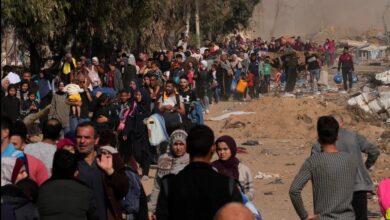
The Gaza Strip, a densely populated territory, faces severe economic limitations. A prolonged blockade, imposed by Israel and others, has significantly hampered the flow of goods and services. This blockade has severely restricted Gaza’s ability to import necessary materials and export its products, crippling its economy and leading to widespread poverty. Unemployment rates are exceptionally high, with many individuals struggling to provide for their families.
The lack of economic opportunity directly correlates with the frustration and anger that often fuels protests. Furthermore, the limited access to resources, such as water and electricity, exacerbates the economic plight, further fueling resentment.
Political Repression
The Palestinian Authority’s (PA) control over Gaza has been limited in recent years. This lack of effective governance, coupled with the presence of Hamas, has resulted in a complex political landscape. Restrictions on freedom of expression and assembly, along with the absence of democratic institutions, contribute to a sense of political oppression. This oppression fosters a climate where dissent is often stifled and grievances remain unaddressed, creating a fertile ground for protests.
Human Rights Violations
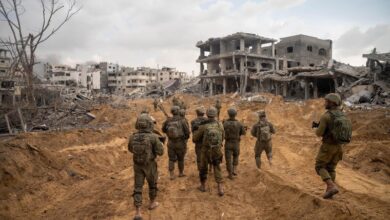
The human rights situation in Gaza is a major contributing factor to the current unrest. The Israeli military presence and operations in the region have led to numerous allegations of human rights violations, including the use of excessive force, restrictions on movement, and the targeting of civilians. These violations, coupled with the ongoing conflict and lack of accountability, have eroded the trust of the Palestinian population in the authorities and international community.
Comparison with Previous Events
The current protests in Gaza share some similarities with previous demonstrations, yet also possess unique characteristics. Past protests have often been sparked by similar economic hardships and political frustrations, highlighting the enduring nature of these issues. However, the escalation of violence in recent years, and the perceived inaction of the international community, has created a distinct atmosphere. The involvement of international actors, particularly in the context of previous conflicts, has varied and often lacked the desired impact on the ground.
Role of International Actors
The international community plays a crucial role in addressing the underlying causes of the protests in Gaza. The United Nations, various international organizations, and individual nations have a responsibility to advocate for a just and equitable resolution. However, the lack of consistent action and the uneven distribution of resources have hampered efforts to effectively address the root causes of the conflict and promote a lasting peace.
Comparison Table
| Cause | Description | Impact on Protests |
|---|---|---|
| Economic Hardship | Prolonged blockade, high unemployment, limited access to resources. | Creates widespread poverty and frustration, driving individuals to protest. |
| Political Repression | Limited governance, restrictions on freedoms, absence of democratic institutions. | Fosters a climate of oppression, leading to dissent and protests. |
| Human Rights Violations | Allegations of excessive force, restrictions on movement, targeting of civilians. | Erodes trust in authorities, fuels anger and resentment, motivating protests. |
Content of Protest Letters
Protest letters regarding the Israeli-Palestinian conflict are a crucial form of expression, offering a glimpse into the diverse perspectives and demands surrounding this complex issue. These letters, often penned by individuals, groups, or organizations, articulate the concerns and aspirations of those affected by the conflict, providing valuable insights into the current state of affairs. They range from heartfelt pleas for peace to calls for accountability and justice.These letters frequently highlight the urgent need for a just and lasting resolution to the conflict.
They serve as a powerful testament to the human cost of ongoing violence and displacement. The language and demands vary depending on the author’s perspective and motivations, reflecting the deeply held beliefs and values of those who pen them.
Examples of Language and Demands
Protest letters often employ emotionally charged language to convey the gravity of the situation. They may utilize phrases like “unacceptable violence,” “humanitarian crisis,” or “systemic oppression” to emphasize the severity of the actions and policies being protested. Direct demands for specific actions, such as the cessation of violence or the release of prisoners, are also common. For instance, a letter might state, “We demand an immediate end to the blockade of Gaza.” Alternatively, some letters might express a more nuanced stance, calling for dialogue and diplomacy as a means to achieve a lasting peace.
Different Tones and Styles
The tones and styles in protest letters reflect the diverse experiences and perspectives of those who write them. Some letters adopt a formal and reasoned tone, emphasizing the legal and moral aspects of the situation. Others might adopt a more impassioned tone, expressing outrage and frustration at the ongoing violence and suffering. The choice of tone and style often depends on the specific audience the author intends to reach and the message they wish to convey.
Protest letters regarding Israel and Gaza are a serious concern, highlighting the ongoing humanitarian crisis. While the situation there is undeniably pressing, it’s interesting to see how seemingly unrelated events can gain attention. For example, the recent buzz around the Kansas City Chiefs and Taylor Swift, as seen in this article kansas city chiefs taylor swift , demonstrates how media attention can shift.
Ultimately, the plight of the people in Gaza and the need for a resolution remain paramount.
Key Themes and Issues Raised
The letters frequently touch upon themes such as human rights violations, the need for accountability, the humanitarian crisis in Gaza, and the ongoing occupation. Specific issues raised might include the blockade of Gaza, the demolition of Palestinian homes, or the treatment of Palestinian prisoners. These themes are interconnected, highlighting the multifaceted nature of the conflict. The letters often intertwine these issues to underscore the severity and interconnectedness of the problems.
Specific Demands and Expectations
Protest letters frequently Artikel specific demands and expectations. These might include calls for an immediate end to violence, the lifting of blockades, the release of prisoners, and the protection of Palestinian civilians. Furthermore, letters often call for an international investigation into alleged war crimes and violations of human rights. Demands for a peaceful resolution, often involving negotiations and diplomacy, are also common.
These expectations, while varied, often converge on the common goal of a just and lasting peace.
Common Themes and Demands in Protest Letters
| Theme | Specific Demand |
|---|---|
| Humanitarian Crisis in Gaza | Lifting of the blockade, provision of humanitarian aid, access for medical supplies and food. |
| Israeli Occupation | Withdrawal from occupied territories, respect for Palestinian rights, an end to settlement expansion. |
| Violence and Human Rights Violations | Immediate cessation of violence, investigation of alleged war crimes, protection of civilians. |
| Accountability and Justice | Holding perpetrators accountable for violations, providing compensation for victims, and ensuring justice for all. |
| Palestinian Self-Determination | Respect for Palestinian rights to self-determination and the establishment of an independent state. |
Impact and Responses to Protest Letters: Protest Letter Israel Gaza
The recent protest letters regarding the Israeli-Palestinian conflict, stemming from the escalating situation in Gaza, aimed to pressure both sides to de-escalate tensions and seek peaceful resolutions. Understanding the impact and responses is crucial to assessing the effectiveness of such diplomatic efforts and the broader trajectory of the conflict. The letters served as a public declaration of concern and a call for accountability.The immediate impact of the protest letters was multifaceted.
While they did not immediately halt the violence or lead to a ceasefire, they undeniably put pressure on both sides to respond publicly to the criticisms raised. The letters also served to raise global awareness of the situation and garner support for a peaceful resolution. However, the degree of influence on the ground remained uncertain.
Immediate Impact on the Situation in Gaza
The immediate impact on the situation in Gaza was limited. The protests did not directly influence the intensity of the fighting or the number of casualties. However, the letters did prompt both sides to address the criticisms publicly, indicating a degree of international pressure. This, in turn, may have influenced public opinion in both Israel and Palestine, albeit indirectly.
The protests undoubtedly added another layer to the complex narrative, with implications for future negotiations and the potential for international involvement.
Israeli Government Response
The Israeli government responded to the protest letters by issuing statements that defended its actions, often emphasizing security concerns and the need to protect its citizens. These responses generally framed the conflict within the context of Israeli security needs, minimizing or downplaying Palestinian grievances. The Israeli government often highlighted the need for self-defense against ongoing threats, without explicitly acknowledging the impact of its actions on the broader conflict.
There was little to no indication of a willingness to alter its military policies in response to the letters.
Palestinian Response
Palestinian responses to the protest letters often highlighted the humanitarian crisis in Gaza and the need for international intervention to end the violence. These responses often framed the conflict as an ongoing occupation and a denial of Palestinian self-determination. The letters were utilized to garner support for the Palestinian cause and to draw attention to the disproportionate impact of the conflict on Palestinian civilians.
Palestinian leaders may have used the letters to mobilize public opinion within Palestine and abroad.
International Community Response
The international community’s response to the protest letters varied widely. Some nations condemned the violence in Gaza, while others remained more neutral or expressed concerns about both sides. The letters served as a catalyst for further diplomatic efforts, although the specific actions taken by different countries varied. The lack of unified action by the international community reflects the deep-seated divisions and historical complexities surrounding the Israeli-Palestinian conflict.
Comparison of Responses
| Aspect | Israeli Response | Palestinian Response | International Response |
|---|---|---|---|
| Focus | Security, self-defense | Humanitarian crisis, occupation | Varying, ranging from condemnation to neutrality |
| Tone | Defensive, often emphasizing security needs | Critical, highlighting Palestinian suffering | Mixed, reflecting the complexities of the conflict |
| Effectiveness | Limited, not demonstrably changing Israeli policy | Limited, but potentially raising awareness internationally | Limited, as demonstrated by the lack of decisive action |
International Community’s Role
The Israeli-Palestinian conflict has consistently engaged the international community, with varying degrees of involvement and response. From the UN’s peacekeeping efforts to individual nations’ diplomatic initiatives, the global community’s role has been complex and often fraught with challenges. The recent protests and accompanying letters have further highlighted the multifaceted nature of international involvement.The international community’s response to the protests and letters is shaped by diverse geopolitical considerations, historical alliances, and economic interests.
Understanding these motivations is crucial to analyzing the actions and pronouncements of various actors. The positions taken by different international players reflect a spectrum of perspectives, from staunch support for Israel to strong condemnation of its actions.
The ongoing protest letter regarding Israel and Gaza is a serious issue, demanding attention. It’s easy to get caught up in the complexities of global conflicts, but sometimes a little lightheartedness can help us process it all. For example, did you know that Tracy Chapman’s Grammy-winning music, combined with her impressive car collection, has inspired many people? It’s inspiring to see how different aspects of life, like Tracy Chapman’s Grammys fast car combs , can intersect with significant events like the protest letter, reminding us of the need for compassion and understanding in these challenging times.
Ultimately, we must keep these issues in the forefront of our minds.
Varying Responses and Actions
The responses to the protests and letters from the international community have been diverse and often conflicting. Different actors have adopted distinct positions, reflecting a complex interplay of political and moral considerations.
- United Nations (UN): The UN, particularly the Security Council, has a mandated role in maintaining international peace and security. Its actions, however, are frequently hampered by political disagreements among member states. The UN’s response to the conflict is often characterized by resolutions calling for a peaceful resolution and an end to violence, but the effectiveness of these resolutions is often limited.
Protest letters regarding the Israel-Gaza conflict are often deeply felt and emotionally charged. While those concerns remain crucial, it’s interesting to note the recent news about the niue nu domain sweden situation. This seemingly disparate topic, though, ultimately highlights the global nature of interconnected issues and the complex web of events that shape our world.
The passionate calls for change surrounding the Israeli-Palestinian conflict remain a critical discussion point.
Specific resolutions and statements by the UN bodies, like the General Assembly or the Human Rights Council, regarding the protests and the letters will provide crucial context.
- Major World Powers: Countries like the United States, Russia, and China have significant influence in the Middle East. Their positions on the Israeli-Palestinian conflict have frequently been a major factor in shaping the global response. Public statements, diplomatic engagements, and support for particular sides have had tangible impacts. Their responses to the letters and protests may be influenced by their historical relationships with both sides, strategic interests in the region, and domestic political considerations.
- European Union (EU): The EU, acting as a bloc, has consistently called for a two-state solution and condemned violence. Their approach, often characterized by diplomatic efforts and humanitarian aid, reflects a commitment to peace. However, the EU’s influence on the ground is sometimes limited by its lack of direct military power.
- Other Countries: Many other countries, including those in the Middle East and Africa, have taken specific positions regarding the conflict. These positions are often influenced by their own regional alliances, historical ties, and political agendas. Their responses to the letters and protests, whether expressed through statements or actions, can be significant indicators of the global sentiment toward the conflict.
International Relations Impact
The protests and letters have significantly impacted international relations, often exacerbating existing tensions and highlighting the deep divisions within the global community regarding the conflict. The differing perspectives and actions of various international players have created a complex web of diplomatic relations and alliances.
| International Player | Response to Protests | Response to Letters | Position Taken |
|---|---|---|---|
| United States | Public statements condemning violence from both sides. | Statements emphasizing the importance of de-escalation. | Supports Israel’s security concerns, but acknowledges Palestinian concerns. |
| Russia | Statements focused on the need for dialogue. | Limited public statements, focused on regional stability. | Generally seeks to maintain neutrality and avoid taking sides. |
| China | Statements emphasizing the need for a peaceful resolution. | Limited public statements, focusing on bilateral relations with Israel and Palestine. | Prioritizes economic ties and regional stability. |
| European Union | Condemnation of violence and calls for de-escalation. | Public statements supporting the two-state solution. | Advocates for a peaceful and negotiated resolution. |
Illustrative Examples of Protest Letters
Protest letters, often heartfelt and impassioned pleas, hold a unique position in the tapestry of the Israeli-Palestinian conflict. They are potent tools, capable of articulating the pain, frustration, and yearning for peace felt by individuals and communities. These letters, when widely circulated and shared, can galvanize support and pressure decision-makers to consider alternative approaches. Their impact lies not only in the words penned but also in the emotional resonance they evoke.
Examples of Protest Letters
Protest letters vary in style and tone, reflecting the diverse experiences and perspectives of those who write them. They can range from formal diplomatic statements to personal narratives, expressing grief, outrage, and a deep desire for justice. The emotional impact of these letters often stems from their authenticity and raw human experience. The letters’ strength frequently lies in the specific details they include, evoking empathy and solidifying the collective voice of protest.
“We demand an end to the violence and destruction. Our children deserve a future free from fear and bloodshed. We call on all parties to engage in good faith negotiations and work towards a just and lasting peace.”
This excerpt exemplifies a common theme found in many protest letters, emphasizing the shared desire for peace and security. The appeal to the common humanity and the future of children is a powerful tool, often creating an emotional connection with readers. It highlights the human cost of conflict and the importance of a peaceful resolution.
“The continued blockade of Gaza is inhumane and a violation of human rights. We are witnessing the slow starvation of an entire population, and we cannot stand idly by. We urge the international community to intervene and ensure the immediate lifting of this cruel blockade.”
This example focuses on a specific grievance, the blockade of Gaza. The strong language used (“inhumane,” “slow starvation”) and the direct call for international intervention highlights the urgency and severity of the situation, amplifying the emotional impact.
“The destruction of homes and displacement of families is a tragic consequence of the ongoing conflict. We are heartbroken by the suffering of our people, and we call on the international community to uphold the rights of all peoples to a safe and secure existence.”
This statement encapsulates the human cost of the conflict and the shared trauma of displacement. The use of “heartbroken” evokes a personal and emotional response from the reader, making the suffering of the people more tangible and compelling.
Comparative Analysis of Protest Letters
| Letter | Date | Key Demands | Emotional Tone |
|---|---|---|---|
| Letter 1 | 2023-10-26 | End to violence, good faith negotiations, peaceful resolution | Urgent, hopeful, pleading |
| Letter 2 | 2023-10-27 | Immediate lifting of Gaza blockade, humanitarian aid | Urgent, angry, accusatory |
| Letter 3 | 2023-10-28 | Protection of civilian lives, restoration of homes | Heartbroken, compassionate, resolute |
This table provides a concise comparison of three example letters, highlighting the varying dates, core demands, and emotional tones. Such a comparative analysis helps to illustrate the diverse perspectives and motivations behind the protests. The letters, while sharing a common thread of concern for the well-being of Palestinians and Israelis, exhibit variations in their specific focus and the emotional language used.
The recent protest letter regarding Israel and Gaza highlights the urgent need for global action. These issues, while deeply concerning, are unfortunately mirrored in the escalating environmental crisis, particularly the potential for the Amazon rainforest to reach a tipping point. This could have devastating consequences for the planet, similar to the ongoing struggles in the Middle East. Understanding the interconnectedness of these issues is crucial for effective action, and finding a way to address the devastating consequences of conflict, like those faced by the people of Gaza, while also focusing on the long-term future of the planet, like the Amazon amazon rain forest tipping point , is essential.
Visual Representation of the Conflict
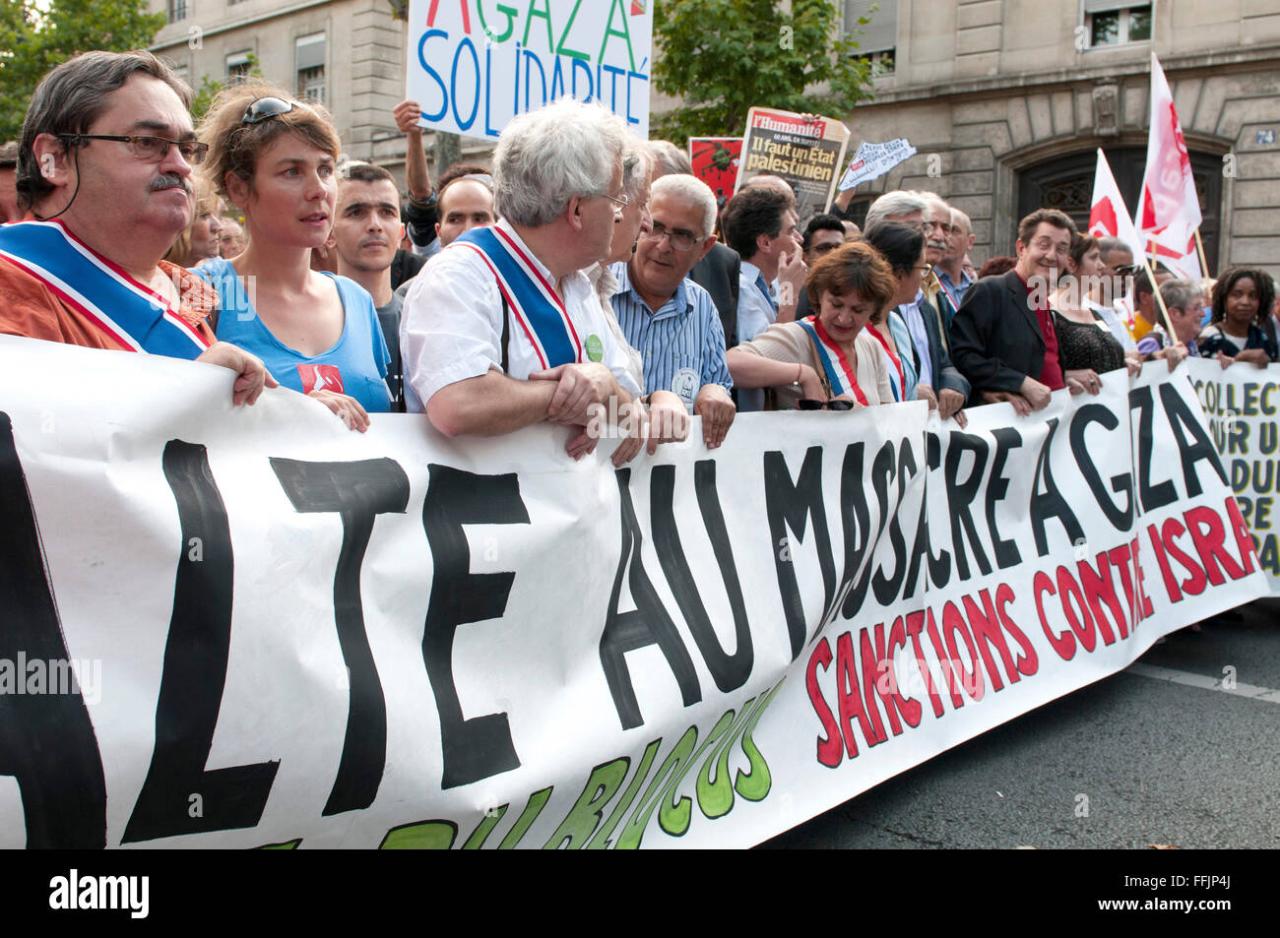
The Israeli-Palestinian conflict, a deeply entrenched struggle, is not just fought on the battlefield; it’s also waged in the realm of visual representation. Images and symbols, carefully crafted and strategically deployed, shape public perception and influence opinions globally. These visual narratives often serve to frame the conflict in a particular light, highlighting specific narratives and downplaying others. The visual language of protests, letters, and broader media coverage plays a crucial role in how this complex situation is understood.The imagery surrounding the conflict is often powerful and emotionally charged.
These images, from photographs of protests and injuries to symbolic representations of land and identity, become potent tools in shaping public opinion and influencing policy decisions. The effectiveness of these visual representations lies in their ability to connect with viewers on an emotional level, triggering empathy or resentment, depending on the intended message.
Visual Representations in Protest Letters
The protest letters, in addition to their textual content, often employ visual elements to further emphasize their message. These visuals can range from simple symbols to more elaborate artistic depictions. The selection and use of imagery directly correlate to the specific narrative the letter aims to convey.
Visual Language of Protests, Protest letter israel gaza
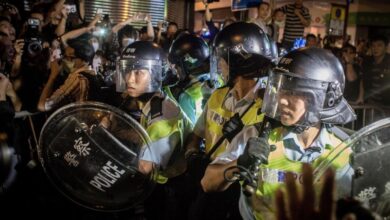
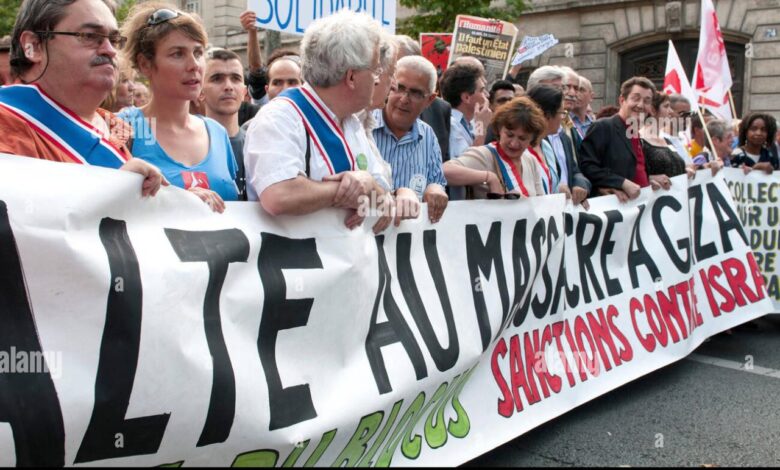
The protests themselves are filled with visual symbolism, designed to evoke a specific response from viewers. From flags and banners to signs and posters, protesters utilize a visual language to express their grievances, aspirations, and demands. Colors, shapes, and images often carry specific meanings, reinforcing the message of the demonstration.
Table of Visual Representations in Protest Letters
| Visual Representation | Significance | Example |
|---|---|---|
| Images of children | Highlighting the human cost of the conflict, especially the impact on innocent civilians. | A photograph of a Palestinian child injured during a demonstration, with the child’s face clearly visible, would be a powerful visual. |
| Maps of disputed territories | Demonstrating the historical and geographical claims, emphasizing the importance of land ownership. | A map that clearly marks the disputed territories, with annotations highlighting the different claims, could serve as a significant visual aid. |
| Flags and symbols of national identity | Highlighting the cultural and national identities of both sides. | Images of Israeli and Palestinian flags side-by-side, or displayed in different locations, would be a visual representation of the conflicting national identities. |
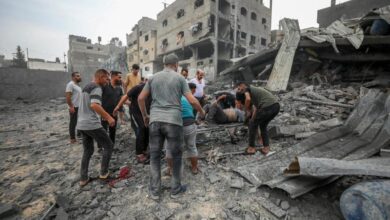
| Images of violence and destruction | Showcasing the impact of the conflict, and appealing to the sense of human loss and suffering. | Photos or graphic illustrations depicting the aftermath of a bombing or other acts of violence would be a powerful visual representation of the devastating impact of the conflict. |
| Symbolic representations of peace | Emphasizing the desire for resolution and reconciliation. | A dove or other symbols associated with peace would be a clear visual representation of a wish for peace. |
Closing Notes
In conclusion, the protest letters from Gaza reveal a powerful struggle for rights and justice. The historical context, the underlying causes, and the responses to the letters paint a vivid picture of a conflict deeply rooted in history and fueled by ongoing political and social factors. This examination serves as a reminder of the urgent need for peaceful resolution and a just outcome for all involved.
Frequently Asked Questions
What are the common themes expressed in the protest letters?
The protest letters commonly express grievances about economic hardship, political repression, and human rights violations. They often demand an end to the blockade and call for improved living conditions.
How have international organizations responded to the protests?
International organizations have responded in various ways, from issuing statements condemning violence to calling for a peaceful resolution. Specific actions taken depend on the particular organization and its stance on the conflict.
What is the role of the Israeli government in the conflict, according to the letters?
The letters often portray the Israeli government as a key obstacle to a resolution, highlighting actions perceived as unjust or oppressive.
What are some specific examples of demands made in the letters?
Specific demands in the letters often include an end to the blockade, improvements in living conditions, and an end to the political repression felt by Palestinians in Gaza.