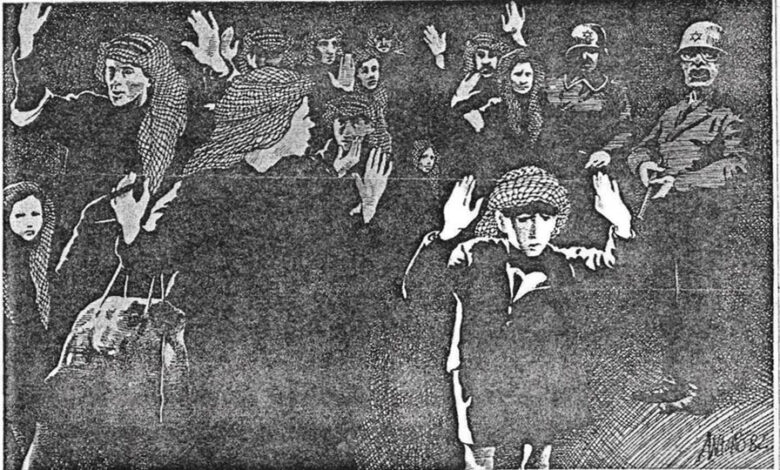
Gaza War Holocaust Shoah Parallels
Gaza War Holocaust Shoah sets the stage for a profound exploration of historical parallels and contrasts. This examination delves into the shared human suffering and devastating consequences of conflict, examining the unique circumstances of each event.
The historical context surrounding the Gaza conflict is crucial to understanding the complexities of this ongoing struggle. It’s a story of political tension, displacement, and the relentless pursuit of justice. The comparison with the Holocaust and Shoah, while undeniably fraught, provides a critical lens through which to analyze the motivations, actions, and consequences of violence.
Historical Context: Gaza War Holocaust Shoah
The Gaza conflict, a protracted and deeply complex struggle, is rooted in a history of competing claims, displacement, and political maneuvering. Understanding the historical context is crucial to comprehending the current situation and the various perspectives surrounding it. The region’s intricate tapestry of historical events, religious beliefs, and political aspirations have shaped the conflict, making it a multifaceted issue with no simple solutions.The conflict is characterized by cycles of violence, periods of relative calm, and the ongoing struggle for self-determination and security.
This historical context reveals the deep-seated grievances and aspirations that continue to fuel the conflict. Examining the key events and figures, narratives, precedents, and timelines provides essential insight into the current crisis.
Key Events Leading to the Conflict
The conflict’s origins are deeply entwined with the broader history of the Israeli-Palestinian conflict, dating back to the early 20th century. The Balfour Declaration, the creation of the state of Israel, and the 1948 Arab-Israeli War dramatically reshaped the region. These events led to the displacement of hundreds of thousands of Palestinians and the establishment of refugee camps. The 1967 Six-Day War further solidified Israeli control over the Gaza Strip, altering the political landscape and adding another layer of complexity to the conflict.
Historical Narratives from Different Perspectives
The conflict is viewed differently depending on the perspective. Israeli narratives often emphasize the security concerns and the historical ties to the land. Palestinian narratives highlight the loss of land, displacement, and the ongoing struggle for self-determination. International perspectives often call for a peaceful resolution and the creation of a two-state solution.
Historical Precedents and Parallels
The Gaza conflict has historical precedents in other conflicts across the globe. The use of armed conflict and political maneuvering to claim land, the creation of refugee populations, and the struggle for self-determination are not unique to this region. Examining historical parallels can offer valuable insights into the potential trajectories of the conflict and the potential for resolution.
Timeline of Significant Events
- 1917: The Balfour Declaration. This British declaration expressed support for a Jewish homeland in Palestine, a significant event that would profoundly impact the region’s future.
- 1948: The Arab-Israeli War. This war resulted in the displacement of hundreds of thousands of Palestinians and the establishment of the State of Israel.
- 1967: The Six-Day War. Israel captured the Gaza Strip and the West Bank in this conflict, marking a significant shift in the regional power dynamic.
- 2006: Hamas won Palestinian parliamentary elections. This victory marked a shift in the political landscape of the region.
- 2008-2009, 2012, 2014: Major conflicts between Israel and Hamas. These conflicts involved intense fighting and resulted in significant loss of life and destruction.
Defining the Terms
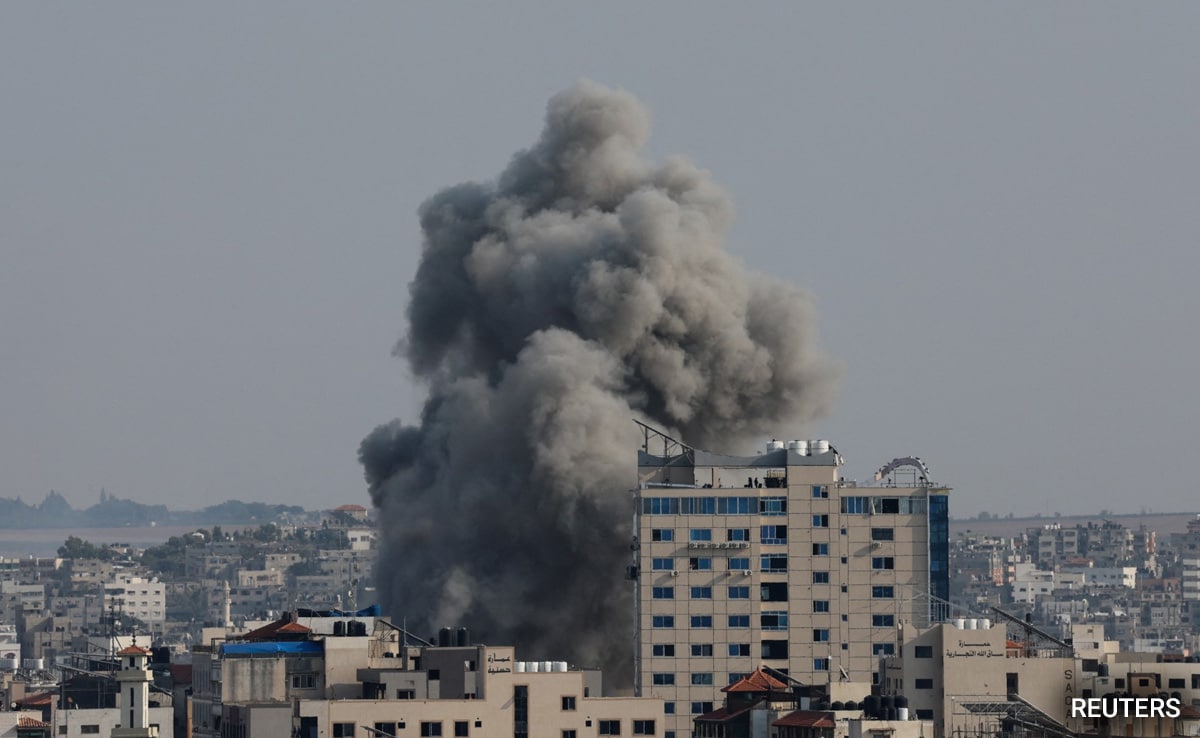
The terms “Gaza War,” “Holocaust,” and “Shoah” evoke profound historical tragedies, each with unique contexts and implications. Understanding these terms requires delving into the specific events, the experiences of victims, and the broader socio-political landscapes in which they occurred. This exploration aims to clarify the definitions and highlight the shared and distinct aspects of these catastrophic events.The term “Gaza War” refers to the ongoing military conflicts involving Israel and Hamas, the Palestinian Sunni-Islamist fundamentalist political organization.
These conflicts, marked by intense violence and civilian casualties, have shaped the geopolitical landscape of the region. “Holocaust” and “Shoah” both describe the systematic, state-sponsored persecution and murder of approximately six million Jews by the Nazi regime and its collaborators during World War II.
Definitions of Key Terms
The “Gaza War” encompasses a series of armed conflicts between Israel and Hamas, often marked by significant casualties and displacement among Palestinian civilians. The Holocaust, also known as the Shoah, represents the deliberate, systematic annihilation of European Jewry by Nazi Germany and its collaborators. The term “Shoah” is the Hebrew word for “catastrophe.”
Nuances and Implications
The term “Gaza War” emphasizes the ongoing nature of the conflict and the repeated cycles of violence. The terms “Holocaust” and “Shoah” highlight the intentional and industrialized nature of the genocide, underscoring the methodical planning and execution of the Nazi regime. These nuances carry important implications for understanding the motivations behind the violence and the responses to it.
Comparison of Historical Contexts
The historical contexts of the Gaza Wars and the Holocaust differ significantly. The Gaza Wars are rooted in the Israeli-Palestinian conflict, a complex geopolitical struggle involving competing claims to land and self-determination. The Holocaust stemmed from the racist ideology of Nazism, culminating in the systematic targeting and extermination of Jews.
Comparison of Victim Experiences
While both events resulted in immense suffering and loss of life, the experiences of victims varied considerably. In the Gaza Wars, Palestinian civilians often experience displacement, loss of homes, and the direct impact of armed conflict. During the Holocaust, Jewish victims faced a more comprehensive and systematic form of persecution, including forced labor, imprisonment, and ultimately, genocide.
Table: Geographical Locations and Time Periods
| Event | Geographical Location | Approximate Time Period |
|---|---|---|
| Gaza Wars | Gaza Strip, Israel | Multiple conflicts, starting in the late 20th century and continuing to the present |
| Holocaust/Shoah | Europe, primarily Nazi-occupied territories | 1933-1945 |
Similarities and Differences
The comparison between the Gaza conflict and the Holocaust/Shoah is fraught with sensitivity and ethical complexities. While both represent horrific acts of violence and suffering, their contexts, motivations, and ultimate consequences differ significantly. Understanding these nuances is crucial to prevent misinterpretations and to foster a more comprehensive understanding of human cruelty.The fundamental difference lies in the scale and nature of the intended extermination.
The Holocaust was a state-sponsored, systematic attempt to annihilate an entire religious and ethnic group. The Gaza conflict, while undeniably tragic and involving immense suffering, is not an attempt at total annihilation. The motivations and actions, though equally reprehensible in their own right, are rooted in different historical and political dynamics.
Motivations and Actions
The motivations behind the Gaza conflict are complex, often revolving around political and territorial disputes. These disputes include the Israeli-Palestinian conflict, the occupation of Palestinian territories, and the desire for security. The actions involved in the conflict encompass military operations, shelling, and the targeting of civilian populations.The motivations behind the Holocaust were rooted in the Nazi ideology of racial superiority and the demonization of Jewish people.
The actions involved systematic persecution, forced displacement, concentration and extermination camps, and the ultimate aim of eliminating the Jewish population from Europe.
Consequences and Scale of Suffering
The Gaza conflict has resulted in a significant loss of life, displacement of populations, and extensive damage to infrastructure. The scale of suffering, while immense, is not comparable to the sheer scale of the Holocaust. The consequences of the Holocaust were catastrophic and irreversible, leading to the loss of millions of lives, the destruction of Jewish communities, and a profound impact on global politics.The scale of suffering in the Gaza conflict is substantial, but it lacks the systematic and organized annihilation seen in the Holocaust.
Comparing the scale of suffering requires a careful distinction between the targeted annihilation of a population and the consequences of a protracted conflict.
Historical Figures and Organizations
Several figures and organizations have played crucial roles in the Gaza conflict, including Israeli military leaders, Palestinian political figures, and international humanitarian organizations. The Holocaust involved numerous key figures, such as Adolf Hitler, Heinrich Himmler, and numerous high-ranking Nazi officials. Organizations like the Schutzstaffel (SS) and the Gestapo played a pivotal role in implementing the systematic persecution and extermination.
Unique Aspects of Each Event
The Gaza conflict, though marked by violence and human suffering, is fundamentally different from the Holocaust in its aims. The Gaza conflict, while often involving severe violence and civilian casualties, is not a systematic attempt to annihilate a group of people.The Holocaust, on the other hand, was a unique and unprecedented event characterized by its systematic nature, its state-sponsored character, and the explicit aim of eliminating an entire group of people.
Perspectives and Narratives
The Gaza conflict, like other protracted conflicts, is characterized by a complex interplay of perspectives and narratives. Understanding these differing viewpoints is crucial to grasping the multifaceted nature of the conflict and its enduring impact. Different actors, from governments to civil society groups, and individuals, hold vastly different interpretations of events, motivations, and responsibilities. These divergent accounts shape public opinion and often clash in the media landscape.The conflict’s history is replete with conflicting claims and counterclaims.
The ongoing Gaza War, another horrific chapter in the history of human suffering, echoes the horrors of the Holocaust and Shoah. It’s important to remember these atrocities and learn from them. However, amidst the darkness, vibrant cultural movements like the Harlem Renaissance, exemplified by figures like Abney Bey, Fordjour, and Simmons, showcased resilience and artistic expression. Exploring the connection between these artistic movements and the historical context of the Holocaust and Shoah through the lens of the Metropolitan Museum of Art’s current exhibition, like the one about Abney Bey, Fordjour, Simmons, and the Harlem Renaissance at the Met , is a crucial step in understanding how art can offer solace and strength in the face of immense tragedy.
The Gaza War reminds us that these acts of cultural resistance and artistic expression are essential to combating the darkest corners of human history.
Each side presents its narrative as justifiable and legitimate, highlighting different aspects of the situation and often blaming the other for the escalation of violence. This dynamic makes a neutral and comprehensive understanding challenging.
Different Viewpoints on the Conflict
Diverse actors have varying interpretations of the conflict. These viewpoints are often deeply rooted in political ideologies, cultural values, and personal experiences.
The ongoing Gaza War, a tragic reminder of past atrocities, echoes disturbingly with the Holocaust and Shoah. While the recent Gaza cease-fire negotiations involve Russia and NATO, it’s crucial to remember that the underlying issues, rooted in historical injustices, are far deeper than any temporary truce. This complex situation highlights the urgent need for a lasting peace in the region, and hopefully, a future free from such horrific violence, similar to the horrors of the Holocaust and Shoah.
For more insights on the current Gaza cease-fire, check out this article: gaza cease fire russia nato.
- Israeli Perspective: Israel frequently emphasizes the security threat posed by Hamas and other militant groups. They often highlight rocket attacks from Gaza as a primary justification for their military actions. This perspective often frames the conflict as a struggle for survival against terrorism.
- Palestinian Perspective: Palestinians, particularly those living in Gaza, often view the conflict as a consequence of Israeli occupation and blockade. They frequently emphasize the suffering caused by the conflict and the lack of access to basic necessities, including healthcare and essential goods. This narrative often centers on the rights of Palestinians and the need for an independent state.
The ongoing Gaza War, a stark reminder of the horrors of the Holocaust and Shoah, is deeply disturbing. It’s hard to reconcile these atrocities with the vibrant, often celebratory tone of major advertising campaigns, like the recent Costar Group Super Bowl ads. These ads , despite their apparent focus on business and real estate, somehow feel strangely disconnected from the suffering and resilience of those affected by conflict.
The contrast highlights the urgent need for empathy and understanding, particularly in times of global crisis, like the Gaza War.
- International Perspective: International organizations and governments often offer a more neutral perspective, emphasizing the need for a peaceful resolution and an end to the violence. However, these perspectives can sometimes be influenced by geopolitical considerations and national interests.
The Role of Propaganda and Media
Propaganda and media play a significant role in shaping public opinion during conflicts. Both sides often employ selective information and emotional appeals to influence public perception.
- Selective Information: Both Israeli and Palestinian media outlets can be accused of selectively presenting information that supports their narrative, while downplaying or omitting information that contradicts it. This can lead to biased interpretations of events.
- Emotional Appeals: Images and stories of suffering, often amplified by the media, can evoke strong emotional responses. These appeals can influence public opinion and support for particular sides in the conflict. This can be especially potent in shaping public sentiment during times of intense violence.
Comparison of Perspectives
A comparative analysis of perspectives reveals significant disparities. For example, the Israeli narrative often emphasizes the threat posed by Hamas, while the Palestinian narrative emphasizes the impact of the Israeli occupation and blockade.
| Perspective | Key Argument | Counterargument |
|---|---|---|
| Israeli | Hamas poses a direct threat to Israeli security. | The blockade and occupation are the root causes of Palestinian suffering and radicalization. |
| Palestinian | The Israeli occupation and blockade cause suffering and limit Palestinian rights. | Palestinian militants are responsible for escalating the conflict. |
| International | A peaceful resolution is necessary, and both sides must compromise. | International efforts are often ineffective or insufficient to address the root causes of the conflict. |
Key Arguments and Counterarguments
The conflict is characterized by a complex interplay of arguments and counterarguments.
- Argument: Israeli security is threatened by Hamas and other militant groups. Counterargument: The blockade and occupation are the primary causes of the conflict and Palestinian suffering.
- Argument: Palestinian militants are responsible for violence and escalating the conflict. Counterargument: The Israeli occupation and military actions provoke Palestinian resistance.
Human Rights Violations
The Gaza conflict, a recurring source of human suffering, has consistently witnessed a distressing pattern of human rights violations. These violations often stem from the complex interplay of political tensions, military actions, and humanitarian crises, impacting civilians disproportionately. Understanding these violations is crucial for fostering accountability and promoting peaceful resolutions.The Gaza conflict has unfortunately become a stage for numerous documented abuses, ranging from the unlawful targeting of civilians to the denial of essential services.
The widespread nature of these violations underscores the urgent need for international intervention and accountability mechanisms. This examination will delve into the specific types of human rights violations, analyze potential systemic issues, and compare these experiences to other conflicts.
Reported Human Rights Violations in the Gaza Conflict
The Gaza conflict has been marked by a disturbing array of human rights violations. These violations include, but are not limited to, the indiscriminate targeting of civilians, the destruction of homes and infrastructure, and the denial of access to essential services like healthcare and clean water. These acts often constitute war crimes and crimes against humanity.
- Targeting Civilians: Unlawful attacks on civilian populations, including the use of excessive force, have been frequently reported. These attacks often result in casualties, injuries, and displacement. The lack of distinction between combatants and non-combatants is a key concern, highlighting the disregard for fundamental human rights principles.
- Destruction of Property and Infrastructure: The conflict has led to widespread damage to civilian homes, schools, hospitals, and other essential infrastructure. This destruction not only disrupts the lives of individuals but also undermines the long-term development and stability of the region.
- Denial of Essential Services: The denial of access to essential services, such as healthcare, clean water, and sanitation, is a significant human rights violation. This denial exacerbates the suffering of the affected population, particularly vulnerable groups like women, children, and the elderly. The impact on health and well-being is devastating.
Potential for Systematic Violence and Abuse
The protracted nature of the conflict in Gaza, coupled with the limited access for international monitors, raises serious concerns about the potential for systematic violence and abuse. The lack of accountability mechanisms can create an environment where such abuses are perpetuated without consequence. There is evidence suggesting that patterns of human rights violations may be indicative of a deliberate strategy.
- Impunity: The lack of effective mechanisms to hold perpetrators accountable for human rights abuses creates a climate of impunity, encouraging further violations.
- Cycles of Violence: The protracted conflict can lead to cycles of violence, where abuses in one generation may shape the experiences and behaviors of subsequent generations, perpetuating a cycle of suffering.
- Targeting of Specific Groups: Specific groups, such as women and children, may be disproportionately affected by the conflict, experiencing unique forms of violence and discrimination. This targeted violence underscores the need for specific protection measures.
Comparison with Other Conflicts
The human rights violations in the Gaza conflict exhibit similarities and differences when compared to other conflicts worldwide. The targeting of civilians, destruction of infrastructure, and denial of essential services are unfortunately recurring themes in many armed conflicts.
- Common Threads: The patterns of violence and human rights violations often echo those observed in other conflicts, demonstrating a consistent disregard for international humanitarian law in many regions.
- Unique Circumstances: The specific political and social contexts of the Gaza conflict, including the blockade and the density of population, can contribute to unique forms of suffering not always seen in other conflicts.
- Differences in Scale and Context: The scale and context of human rights violations can vary significantly between conflicts. Factors such as the level of international involvement and the specific political dynamics can significantly impact the nature and severity of abuses.
International Organizations Involved
Several international organizations and institutions are actively involved in addressing the human rights violations in the Gaza conflict. These efforts include investigations, advocacy, and humanitarian assistance.
- UN Agencies: The UN Office for the Coordination of Humanitarian Affairs (OCHA) and various UN human rights bodies play a crucial role in documenting and reporting violations.
- Human Rights Organizations: Organizations like Amnesty International and Human Rights Watch provide crucial monitoring and advocacy efforts.
- International Criminal Court: The possibility of international criminal investigations or prosecutions for war crimes or crimes against humanity is a significant consideration.
Humanitarian Crises
The Gaza conflict, a recurring tragedy, consistently exposes the devastating consequences of armed conflict on civilian populations. The relentless cycle of violence leaves behind a trail of suffering, impacting every facet of life in the region. This section delves into the multifaceted humanitarian crises, examining the immediate and long-term effects on individuals, families, and communities.The conflict in Gaza results in a profound humanitarian crisis, characterized by widespread displacement, destruction of infrastructure, and severe shortages of essential resources.
The impact on civilians, particularly vulnerable groups like children, women, and the elderly, is particularly stark and often irreversible.
The ongoing Gaza War, a heartbreaking tragedy echoing the horrors of the Holocaust and Shoah, is deeply troubling. It’s a reminder of the devastating consequences of conflict. Meanwhile, the intense focus on football negotiations, like Andy Reid’s contract with the Chiefs, andy reid chiefs contract negotiations , highlights the stark contrast between these vastly different worlds, yet both underscore the human cost of indifference and the importance of empathy.
The suffering in Gaza is a painful reminder of the need for global unity and action against such atrocities.
Impact on Civilians
The Gaza conflict disproportionately affects civilians, leaving a profound and lasting impact on their lives. The conflict’s relentless nature often results in injuries, displacement, and loss of loved ones. The trauma experienced by individuals is often compounded by the disruption of their daily lives and the loss of their homes and livelihoods.
- Children are particularly vulnerable, experiencing severe psychological trauma, disruption of education, and exposure to violence. The absence of safe spaces for play and learning compounds the psychological toll of conflict. Their development is significantly impaired, often with lasting consequences.
- Women, as primary caregivers, are disproportionately affected by the conflict. They often bear the brunt of the emotional and physical strain, facing loss of loved ones, and the disruption of family structures. They also struggle to maintain basic needs like food and shelter. In many cases, women’s roles as caregivers are further complicated by the destruction of homes and the displacement of families.
The ongoing Gaza conflict, unfortunately, evokes painful comparisons to the Holocaust. While the situations aren’t directly equivalent, the suffering and loss of innocent life are undeniably heartbreaking. A recent ceasefire in the conflict, detailed in this report on the Israel Gaza cease fire , offers a glimmer of hope, but the deep-seated issues underlying the Gaza War remain, and the echoes of the Holocaust shoah continue to resonate with the tragic history of the region.
- Elderly individuals often face increased vulnerability, experiencing difficulties in accessing essential healthcare and support services. The loss of their homes and familiar surroundings often leads to feelings of isolation and despair. The challenges in maintaining their physical and mental well-being are particularly significant.
Examples of Suffering
The suffering experienced by victims of the Gaza conflict is multifaceted and deeply personal. The loss of life, the destruction of homes, and the disruption of daily routines are just some of the ways in which individuals experience the impact of the conflict.
- Stories of families separated by conflict, children forced to witness unspeakable violence, and individuals struggling to rebuild their lives after losing everything, highlight the devastating consequences. The trauma of these experiences often has lasting impacts on individuals and families.
- The destruction of hospitals and clinics deprives communities of vital healthcare resources, exacerbating existing health problems and leading to preventable deaths. The lack of access to basic medical care further contributes to the humanitarian crisis.
- The disruption of agricultural practices and the destruction of infrastructure further complicates the already dire situation, leading to food insecurity and poverty. The inability to produce and access food creates a profound sense of vulnerability.
Long-Term Effects
The Gaza conflict’s long-term effects on the region are profound and far-reaching. The destruction of infrastructure, the displacement of populations, and the trauma experienced by civilians have lasting repercussions for generations. The conflict’s legacy includes not only physical damage but also psychological scars and societal fragmentation.
- The conflict’s impact on education and the development of future generations is significant. The destruction of schools and the disruption of learning environments have lasting effects on children’s education and future opportunities.
- The region’s economic development is severely hampered by the conflict, as businesses and industries are destroyed, and people lose their livelihoods. The loss of income and resources creates a vicious cycle of poverty and instability.
- The psychological impact of the conflict can affect individuals and communities for years to come, manifesting as mental health problems and societal tensions. The loss of trust and the disruption of social structures can lead to instability and conflict.
Humanitarian Needs and Responses, Gaza war holocaust shoah
A comprehensive understanding of the humanitarian crisis requires an examination of the needs and responses. Effective interventions must address the multifaceted nature of the crisis.
| Humanitarian Need | Response |
|---|---|
| Food and water | Provision of emergency food and water supplies, as well as support for local agricultural production |
| Shelter and housing | Provision of temporary and permanent housing, as well as support for the repair and reconstruction of damaged homes |
| Healthcare | Provision of medical supplies, equipment, and personnel, as well as support for the repair and reconstruction of hospitals and clinics |
| Education | Provision of educational resources and support for the establishment of safe learning environments |
| Psychological support | Provision of psychosocial support and mental health services to address the trauma experienced by civilians |
Cultural and Societal Impact
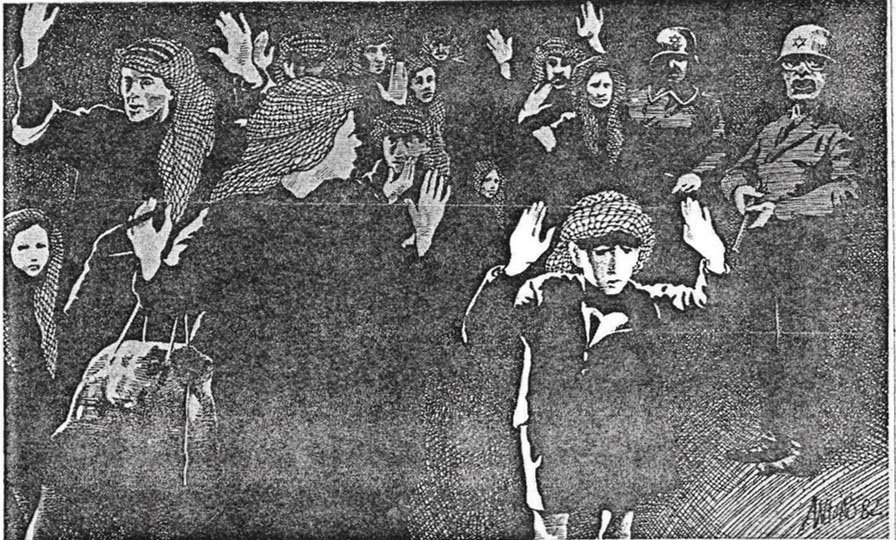
The Gaza conflict has inflicted profound and multifaceted damage on the region’s cultural and societal fabric. The ongoing violence and blockade have created a climate of fear, instability, and despair, leaving lasting scars on individuals and communities. This section will explore the devastating effects on the region’s economy, infrastructure, and social fabric, examining the long-term impacts on cultural heritage and traditions, and the psychological toll on the population.The conflict’s repercussions are not confined to the immediate aftermath of hostilities.
The continuous tension and uncertainty have a pervasive influence on all aspects of life, from daily routines to long-term development prospects. The conflict’s impact is not limited to the physical; it deeply affects the collective memory, cultural identity, and social cohesion of the region.
Economic Impact
The Gaza Strip’s economy, already fragile, has been severely crippled by the conflict. The constant threat of violence and the blockade have significantly hampered trade, investment, and job creation. Destruction of infrastructure, including essential facilities like hospitals and schools, further exacerbates the economic hardship. Reduced agricultural output due to damaged land and restricted access to resources compounds the economic challenges.
The prolonged conflict has driven widespread poverty and unemployment, impacting every facet of life, from access to healthcare to the ability to provide for families.
Infrastructure Damage
The relentless violence has caused extensive damage to Gaza’s infrastructure. Hospitals, schools, homes, and essential services have been destroyed or severely damaged, impacting access to basic necessities and hindering recovery efforts. The disruption of vital infrastructure, such as water and sanitation systems, creates a humanitarian crisis, further exacerbating the already dire situation. The reconstruction process is extremely challenging, given the ongoing conflict and the lack of resources.
Social Fabric and Daily Life
The conflict has profoundly affected the social fabric of Gaza. The loss of life and displacement have created deep trauma and social divisions. The fear of violence and uncertainty has profoundly impacted daily life, causing anxiety and stress. Families have been torn apart, and the future for many young people has been severely compromised. The conflict’s impact is reflected in the region’s reduced capacity for social interaction and cultural activities.
Cultural Heritage and Traditions
The conflict has threatened the preservation of Gaza’s cultural heritage and traditions. Historical sites and cultural landmarks have been damaged or destroyed, eroding the region’s rich cultural identity. The disruption of cultural practices and the displacement of artists and cultural workers have led to a loss of cultural continuity. The transmission of cultural knowledge to younger generations has been hampered, with significant consequences for the future.
Psychological Impact
The prolonged conflict has had a devastating psychological impact on individuals and communities in Gaza. The constant exposure to violence, fear, and uncertainty has led to widespread trauma, anxiety, and depression. The disruption of daily routines, the loss of loved ones, and the destruction of homes and livelihoods have contributed to a climate of fear and hopelessness. The psychological well-being of the population is severely compromised, hindering the recovery process and long-term well-being.
International Responses
The international community’s response to the Gaza conflict, like other major conflicts, has been multifaceted and often fraught with contradictions. While various nations and organizations have attempted to mediate and offer aid, differing geopolitical interests and historical precedents have often shaped the specific actions taken and the outcomes achieved. The conflict highlights the complexities of international relations and the persistent challenges in achieving effective and equitable responses to humanitarian crises.International responses to the conflict have been characterized by a mix of diplomatic efforts, humanitarian aid, and condemnations of violence.
These actions have been influenced by a variety of factors, including national interests, existing geopolitical tensions, and historical relationships between nations. Understanding these influences is crucial to comprehending the nuanced and often contradictory nature of the international response.
Actions by International Organizations
Numerous international organizations, including the United Nations and various humanitarian groups, have played a crucial role in responding to the conflict. Their efforts often involved providing essential humanitarian aid, such as food, shelter, and medical supplies to those affected by the violence. The scale of this aid and the efficiency of its delivery have varied depending on factors like access restrictions, logistical challenges, and the specific needs of the affected population.
- The United Nations Relief and Works Agency for Palestine Refugees in the Near East (UNRWA) has been a primary provider of assistance to Palestinian refugees. UNRWA’s role involves providing crucial services like education, healthcare, and social support, but the agency faces significant challenges in ensuring adequate resources to meet the needs of the affected population, especially in the face of ongoing conflict and displacement.
- The International Committee of the Red Cross (ICRC) has also played a vital role in delivering humanitarian aid and assisting with the protection of civilians. The ICRC’s neutrality is critical in enabling access to conflict zones and providing essential support to those in need.
- Other organizations, like Doctors Without Borders, have also provided medical assistance and support to the injured and sick, particularly in areas with limited access to healthcare.
Role of International Diplomacy
International diplomacy, in the form of negotiations and mediation efforts, has played a crucial role in attempting to de-escalate tensions and find peaceful resolutions to the conflict. Mediation efforts often involve bringing together parties to the conflict, facilitating communication, and exploring possible compromises. The success of these diplomatic initiatives is heavily reliant on the willingness of all parties to engage constructively and find common ground.
Historical precedence suggests that these diplomatic initiatives, while often challenging, are essential to achieving any measure of lasting peace.
- Numerous international organizations and individual countries have attempted mediation efforts. These attempts, however, have often faced significant obstacles in achieving tangible results due to the complex political dynamics and entrenched positions of the parties involved.
Varying National Stances
Different nations have adopted diverse stances regarding the conflict, influenced by their own geopolitical interests and historical relationships with the involved parties. These stances often vary along a spectrum of support for one side or the other, or a neutral position focused on humanitarian aid. The range of responses highlights the lack of a unified international consensus on the conflict’s resolution.
- Some nations have expressed strong support for one side of the conflict, while others have adopted a neutral position, primarily focused on humanitarian assistance.
- The varying national stances illustrate the complexity of international relations and the difficulty of achieving consensus on sensitive geopolitical issues.
Historical Precedence
International responses to similar events in the past, such as the Rwandan genocide or the Bosnian War, offer valuable insights into the challenges and limitations of international action. These precedents demonstrate the necessity for swift and decisive intervention, while also highlighting the limitations of international law and the need for political will to enforce it. Historical analyses can offer useful insights into the recurring patterns of international responses to such crises.
- Previous conflicts have shown that international responses, while sometimes effective, are often hampered by political complexities and a lack of unified action.
- Lessons learned from these historical precedents should guide future international efforts to prevent and address similar conflicts.
Visual Representation
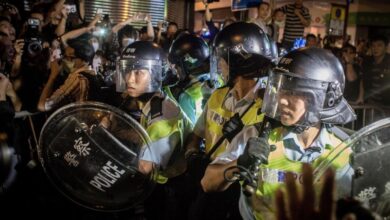
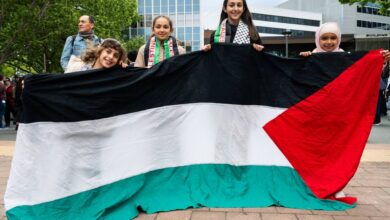
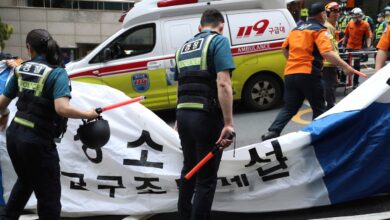
Images are powerful tools that can evoke empathy, understanding, and action. They can convey the human cost of conflict in a way that statistics and reports often cannot. In the context of the Gaza war and the Holocaust/Shoah, visual representations play a crucial role in remembering the past and raising awareness about the present. They bear witness to the suffering, destruction, and resilience of individuals and communities.Visual representations, from photographs to paintings, can powerfully communicate the emotional impact of a crisis.
The specific style, composition, and context of these images can shape how they are interpreted. They are not merely objective records but are also shaped by the perspectives of the individuals or groups creating them. These images can spark empathy, inspire action, and foster a deeper understanding of the complex human experience.
Description of Images Depicting Suffering and Destruction
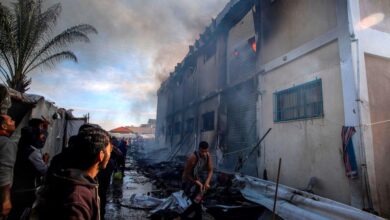
Visual representations of the Gaza war and the Holocaust/Shoah often depict scenes of widespread destruction. Photographs might showcase damaged buildings, rubble-strewn streets, and the aftermath of bombings. They frequently include images of individuals injured or displaced, with visible signs of trauma and distress. In the case of the Holocaust/Shoah, these images could depict concentration camp interiors, emaciated bodies, and mass graves.
These images, though harrowing, are crucial for remembering and understanding the scale of the atrocities committed.
Table Listing Images Showcasing the Scale of the Crisis and Human Cost
| Image Category | Description | Emotional Impact |
|---|---|---|
| Gaza War | A photo of a family huddled together in a damaged home, amidst debris and rubble. | Evokes feelings of vulnerability, displacement, and despair. |
| Gaza War | A wide-angle shot of a bombed-out neighborhood, showing the extent of destruction and the loss of homes. | Creates a sense of overwhelming devastation and loss. |
| Holocaust/Shoah | A portrait of a concentration camp survivor with visible scars and signs of malnutrition. | Evokes feelings of deep trauma, resilience, and the human cost of persecution. |
| Holocaust/Shoah | A photo of a mass grave with rows of bodies. | Triggers feelings of horror, profound grief, and the scale of human suffering. |
Emotional Impact of These Images
The emotional impact of these images can vary significantly. Some may experience feelings of sadness, anger, or revulsion. Others may be moved to empathy, or motivated to take action to prevent similar events. The impact depends on individual experiences, cultural backgrounds, and personal values. The images of suffering can be overwhelming, and some viewers may find it difficult to process them.
It is important to approach such images with sensitivity and a willingness to reflect on their meaning.
Ethical Considerations in Using Images to Represent Suffering
Using images to represent suffering raises important ethical considerations. It is crucial to consider the potential for exploitation, the impact on the individuals depicted, and the responsibility of the person or entity distributing the image. For example, images should not be used to sensationalize or trivialize suffering. The images must be used responsibly and ethically, avoiding exploitation of individuals.
Images should be accompanied by contextual information to ensure that the viewer understands the situation and the message behind the image.
Table Organizing Images Based on Their Themes
| Theme | Image Examples | Description |
|---|---|---|
| Destruction | Images of bombed-out buildings, wrecked infrastructure, and the aftermath of violence. | These images show the physical devastation caused by the conflict. |
| Human Suffering | Images of injured people, displaced families, and individuals expressing grief or despair. | These images directly depict the human cost of the conflict, highlighting the trauma and suffering of individuals. |
| Resilience | Images of individuals and communities rebuilding their lives and communities after suffering. | These images portray the human capacity for survival and recovery. |
Wrap-Up
In conclusion, the Gaza War and the Holocaust/Shoah, though separated by time and place, share a common thread of human suffering. Examining these parallels compels us to reflect on the enduring nature of conflict, the fragility of human life, and the importance of international responses to humanitarian crises. Understanding the past is crucial to shaping a better future.
Common Queries
What are some key figures involved in the Gaza War?
Various political leaders, military commanders, and human rights activists have played significant roles in the Gaza conflict. Specific names will vary depending on the period and perspective. Researching specific time periods can offer a more detailed account.
How does the scale of suffering compare between the Gaza conflict and the Holocaust?
Comparing the scale of suffering is complex and sensitive. While both events involved immense loss of life and suffering, the specific numbers, methods of violence, and historical contexts differ greatly.
What are some examples of international responses to the Gaza conflict?
International responses have varied, ranging from condemnation of violence to humanitarian aid and diplomatic efforts. The effectiveness and impact of these responses have been debated.
How do differing narratives surrounding the Gaza conflict affect public opinion?
Propaganda and media narratives significantly shape public opinion. Understanding the different perspectives and the role of media is essential for a nuanced understanding of the conflict.