
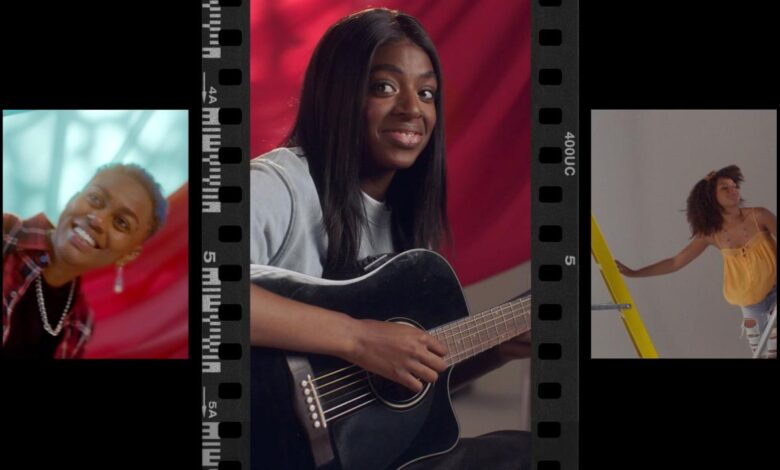
Target Black History TikTok A Deep Dive
Target black history TikTok is exploding with creativity and education, showcasing the vibrant tapestry of Black history through engaging short-form videos. This trend offers a fresh perspective on historical figures, events, and cultural nuances, often combining insightful narratives with captivating visuals.
From educational lessons to inspiring stories, this trend on TikTok is quickly becoming a powerful tool for learning and understanding Black history. The content ranges from in-depth explorations of specific eras to quick summaries of key figures and events, making complex information accessible and engaging for a wider audience.
Understanding the Trend
The current TikTok trend centered around Black History is a vibrant and dynamic exploration of the past, present, and future of Black experiences. It’s a space where users share stories, celebrate achievements, and address ongoing challenges with a mix of personal reflections and broader historical context. The trend demonstrates a growing engagement with Black history, pushing beyond traditional narratives and incorporating diverse perspectives.This trend isn’t merely a rehashing of known facts; it’s a modern interpretation of history, often incorporating personal anecdotes, creative expression, and educational content.
Users are leveraging the platform to connect with each other, build community, and promote understanding and awareness, reflecting a broader societal interest in social justice and historical accuracy.
Summary of the Current Trend
This trend encompasses a wide range of content, including historical accounts of significant figures, contemporary issues impacting Black communities, and celebrations of cultural achievements. Users often share personal stories, highlighting their connection to Black history and the impact it has had on their lives. This trend moves beyond simple commemorations to explore complex issues and encourage dialogue about the ongoing fight for equality and justice.
Key Themes and Topics
The core themes revolve around celebrating Black excellence, acknowledging historical injustices, and fostering dialogue about current social issues affecting Black communities. Discussions range from the accomplishments of prominent historical figures to contemporary struggles like racial bias and systemic inequalities. The trend emphasizes the importance of representation and amplifies marginalized voices, promoting a deeper understanding of Black history and culture.
Users often explore topics like the Civil Rights Movement, Black entrepreneurship, and contributions to art, science, and literature.
Tone and Style
The tone varies, but generally leans toward a mix of celebration, reflection, and activism. Users employ a variety of styles, including educational videos, personal narratives, creative art pieces, and even humorous takes on historical events. There’s a clear effort to make the content engaging and accessible to a broad audience, balancing the gravity of the subject matter with an effort to present it in a dynamic and relatable manner.
Typical Length and Format
TikTok videos in this trend are often short, typically ranging from 15 seconds to 3 minutes. Formats include straightforward educational videos, personal reflections, and creative content like dances, music, or memes. Some videos feature interviews with experts or historical figures, providing context and depth to the discussion.
I’ve been digging into Target’s Black History Month TikTok campaign, and it’s definitely sparking some conversations. While the focus is on celebrating Black history, it’s hard to ignore the broader context of current events, like the ongoing discussions about Congress’s Ukraine, Israel, and aid package decisions. Congress ukraine israel aid is a huge topic right now, and it makes me wonder if Target’s campaign is trying to address the current climate, or if it’s simply a well-intentioned but ultimately less impactful social media campaign.
Regardless, it’s interesting to see how these kinds of things are interconnected.
Comparison to Other Historical/Social Justice Trends
This trend shares similarities with other historical and social justice trends on TikTok, such as those focusing on the Civil Rights Movement, women’s history, or LGBTQ+ rights. However, this Black History trend stands out for its emphasis on the richness and diversity of Black history and its effort to incorporate personal stories and contemporary issues into the discussion. It often involves a more direct and confrontational approach to social justice, while other trends may be more focused on individual stories or celebrations.
Top 5 Hashtags
The following table highlights the top 5 hashtags actively used in this TikTok trend. These hashtags help users discover relevant content and participate in the broader conversation. They are an important element of the trend’s ability to connect and engage with a wide audience.
I’ve been digging into the fascinating Target Black History TikTok trend lately. It’s incredible how much history and culture is being shared and celebrated. This kind of cultural awareness is also highlighted in the current Saint Laurent Dior Paris Fashion Week shows, saint laurent dior paris fashion week , showcasing diverse models and inspirations. Ultimately, these trends are connecting with people and amplifying important stories, just like the Target Black History TikTok campaign.
| Rank | Hashtag | Description |
|---|---|---|
| 1 | #BlackHistoryMonth | The most prominent hashtag, indicating the focus on Black history during the month of February. |
| 2 | #BlackExcellence | Highlights the achievements and contributions of Black individuals. |
| 3 | #BlackHistory | A broad hashtag encompassing various aspects of Black history. |
| 4 | #SocialJustice | Connects the discussion of Black history with the broader movement for social justice. |
| 5 | #BlackVoices | Emphasizes the importance of amplifying the voices of Black individuals. |
Content Creation Strategies

Crafting compelling TikTok content about Black history requires a strategic approach that balances engagement, authenticity, and inclusivity. Understanding your target audience and the platform’s algorithm is crucial for success. Effective creators leverage a variety of formats and techniques to resonate with viewers while staying true to the narrative.
Common Creator Approaches
Many successful creators use a blend of established TikTok strategies, tailored to their unique perspective and audience. They often combine trending audio with visually appealing edits, humor, and personal narratives to captivate viewers. The key is consistency and a clear voice that connects with the audience. Creators often leverage the platform’s collaborative features, engaging with comments and responding to questions to foster community.
Effective Video Formats
Creating engaging videos hinges on employing various formats that cater to different viewer preferences. Short, impactful clips using trending audio are highly effective. These videos can be used to highlight lesser-known historical figures or events. Longer-form videos (up to 10 minutes) can delve deeper into specific topics, providing detailed information. Interactive elements, like polls and quizzes, can enhance viewer participation and knowledge retention.
Accessibility and Inclusivity
Creating accessible and inclusive content is paramount. Captions are essential for reaching a broader audience. Using clear, concise language and avoiding jargon helps ensure that everyone can understand the content. Employing diverse visual elements and representations helps to reflect the richness and diversity of Black history and culture. Subtitles are also crucial, as they help people with hearing impairments to access the information.
Authenticity and Respect
Maintaining authenticity and respect is paramount when creating content about Black history. Creators should research thoroughly and strive to present accurate information. Acknowledging multiple perspectives and avoiding stereotypes is vital for representing Black history truthfully. Presenting different voices and experiences within the Black community fosters a more inclusive narrative. Seeking feedback from diverse communities is essential for ensuring content remains respectful and avoids misinterpretations.
Successful Content Types
| Content Type | Description | Example |
|---|---|---|
| Educational | Videos that provide factual information, insights, and deeper understanding of historical events or figures. | A video explaining the contributions of Black women in science or the fight for civil rights. |
| Inspirational | Videos that uplift and motivate viewers, sharing stories of resilience, determination, and overcoming adversity. | A video highlighting the accomplishments of a Black entrepreneur or leader. |
| Entertaining | Videos that are engaging and fun, using humor, storytelling, and trending sounds to make complex information accessible. | A creative skit about a historical event or figure, presented with humor and relatability. |
| Interactive | Videos that encourage audience participation through polls, questions, or challenges. | A video asking viewers to share their favorite Black historical figures or events. |
Engagement and Community
Black History Month on TikTok, like many social media trends, is a vibrant tapestry woven with diverse threads of engagement. From heartfelt tributes to insightful discussions, the platform serves as a space for sharing experiences and fostering connections. Understanding the nuances of viewer reactions is crucial for creators to cultivate a supportive and respectful community around the theme.
Viewer Reactions and Comments
TikTok users often express a wide range of emotions and perspectives related to Black history. Positive comments frequently highlight the importance of education, the celebration of achievements, and the sharing of personal connections to the subject matter. Negative reactions, while less frequent, can range from misunderstandings about specific historical events to insensitive or inappropriate remarks. Careful moderation and thoughtful responses are essential for navigating these varying reactions.
Common Themes and Sentiments
The most common themes within Black History Month content on TikTok revolve around education and celebration. Many users express appreciation for learning about historical figures, events, and cultural contributions. Other common themes include discussions of ongoing struggles and challenges, as well as calls for social justice and equality. These sentiments highlight the profound impact of Black history and its continued relevance in contemporary society.
Engagement Levels Compared to Other Trends
Engagement levels for Black History Month content often mirror the overall engagement observed in other trending topics on TikTok. The depth and breadth of user interaction depend on the specific content and how effectively it resonates with the audience. Success in engaging users can vary significantly, making it crucial to tailor content strategies for maximum impact. It’s not just about the sheer volume of views but also the quality of interaction, measured by likes, shares, comments, and the overall emotional response.
Strategies for Respectful and Constructive Conversations
To encourage respectful and constructive conversations, creators should actively moderate comments, addressing concerns promptly and with sensitivity. Responding to negative comments in a measured and educational way can diffuse tension and redirect conversations towards a more productive path. Creating a safe space for diverse opinions is key. This involves emphasizing the importance of historical context and encouraging viewers to engage with the material respectfully.
A supportive community fosters a deeper understanding of the subject matter and its significance.
Examples of Positive and Negative Engagement Patterns
| Engagement Pattern | Description | Example |
|---|---|---|
| Positive | Users sharing personal stories, expressing gratitude, and asking insightful questions about the historical content. | “This was so inspiring! I never knew about [historical figure/event]. Thanks for sharing.” |
| Positive | Users celebrating the accomplishments of historical figures and highlighting their contributions to society. | “Amazing! [Historical figure] changed so many lives.” |
| Negative | Users making insensitive or stereotypical comments about Black history or individuals. | “This is all just made up!” or “They’re all the same.” |
| Negative | Users misinterpreting historical events or figures, leading to inaccuracies or misunderstandings. | “They were just lazy.” |
| Negative | Users engaging in disrespectful or hostile arguments, rather than productive discussions. | “You’re wrong!” |
Historical Context and Representation
Understanding Black history through TikTok trends requires careful consideration of the historical context and the potential for both accurate and inaccurate portrayals. The trend’s success hinges on how creators navigate the delicate balance between capturing attention and ensuring respectful representation of complex historical figures and events. A critical lens is necessary to ensure that these trends aren’t just viral sensations, but also opportunities for learning and reflection.Historical narratives presented on TikTok are often condensed and simplified for quick consumption.
This necessitates a conscious effort to avoid oversimplification and to present a multifaceted view of the past. The goal is to go beyond surface-level representations and delve into the nuances of the historical context. This includes acknowledging the various perspectives and experiences within the Black community throughout history.
Significance of Historical Figures and Events
The Black experience is rich with individuals who have shaped global history. Figures like Martin Luther King Jr., Rosa Parks, and Harriet Tubman, among others, have been pivotal in shaping societal progress. Understanding their actions, motivations, and the historical context surrounding them is crucial. Events like the Civil Rights Movement, the fight for voting rights, and the abolitionist movement are integral to understanding the ongoing struggle for equality and justice.
Their contributions are not isolated incidents, but rather a part of a larger, interconnected narrative.
Accurate and Respectful Representation
Accurate representation of Black history necessitates avoiding harmful stereotypes and generalizations. Creators must research the historical figures and events they portray and ensure their narratives align with established historical facts. Avoid romanticized or overly simplistic depictions. The goal is to portray the complexity of the historical struggles and triumphs while maintaining respect for the individuals involved. This includes acknowledging the diversity within the Black community and avoiding reducing complex figures to simple archetypes.
Avoiding Harmful Stereotypes
Harmful stereotypes about Black people have been perpetuated throughout history, often for the purpose of maintaining power imbalances. Creators should be mindful of perpetuating such stereotypes, even unintentionally. This includes avoiding representations that rely on caricatures or reinforce negative narratives. The emphasis should be on nuanced portrayals that recognize the resilience, strength, and diversity within the Black community.
I’ve been digging into Target Black History TikTok lately, and it’s fascinating how these videos connect to broader global issues. For example, the current tensions between the US and Russia, particularly regarding nuclear capabilities and space exploration, as well as the geopolitical dynamics in Pakistan and Asia, us russia nuclear space pakistan asia , all have an indirect impact on the narrative surrounding Black history.
It’s a complex web of interconnectedness that really makes you think about the bigger picture when looking at these TikTok trends.
For instance, avoid portraying Black individuals solely as victims or focusing exclusively on hardship, but rather highlight their agency, creativity, and achievements.
Comparison of Historical Narratives
The trend’s narratives will likely vary, showcasing different interpretations and perspectives. Some videos may focus on specific events, while others might highlight the experiences of particular communities or individuals. A crucial analysis will examine how these various narratives intersect and contribute to a comprehensive understanding of Black history.
Table of Perspectives Represented
| Video Topic | Perspective Emphasized | Potential Strengths | Potential Weaknesses |
|---|---|---|---|
| Civil Rights Movement | Focus on non-violent protest | Highlights peaceful resistance | May overshadow other forms of activism |
| African Diaspora | Tracing the impact of the slave trade | Acknowledges systemic oppression | Can be overly focused on suffering |
| Black Arts Movement | Emphasis on artistic expression | Celebrates cultural achievements | May neglect broader social context |
Educational Value and Impact
This TikTok trend, focused on Black history, holds significant potential for education and awareness. Its virality can reach a massive audience, potentially introducing a broader base of people to historical figures, events, and narratives that have often been overlooked. It can be a powerful tool to spark dialogue and promote a more nuanced understanding of the past.This trend offers a unique opportunity to engage with history in a dynamic and accessible format.
I’ve been digging into Target’s Black History Month TikTok content, and it’s pretty inspiring. The creative ways they’re showcasing Black voices and stories is amazing, but it got me thinking about other things too. For example, how the Vancouver Canucks’ Phil Kessel’s fitness regime might compare to other hockey players. You can find some interesting insights on that topic at this article about phil kessel vancouver canucks fit.
Ultimately, I’m still impressed by the powerful message Target is sending through their Black History Month TikTok campaign.
By presenting information in a concise and visually appealing manner, it can captivate audiences who might otherwise be less inclined to engage with traditional historical accounts. The interactive nature of TikTok encourages active participation and critical thinking, potentially fostering a more profound understanding of the subject matter.
Potential for Inspiring Learning and Awareness
This trend can inspire a deeper exploration of Black history by providing a springboard for further research and learning. The easily digestible format encourages engagement, and the visual elements can spark curiosity and create a desire to learn more. The trend can effectively introduce viewers to significant figures and events, fostering a greater appreciation for their contributions.
Methods to Ensure Accurate and Factual Presentation
Ensuring accuracy in historical information is crucial. Creators should prioritize verified sources and consult reputable historians and organizations specializing in Black history. It is important to present a multifaceted view of historical events, acknowledging the complexity and nuances of the past. Creators should avoid perpetuating harmful stereotypes or misinformation. Presenting diverse perspectives and voices is essential for a comprehensive understanding of the subject.
Comparison to Other Historical Education Initiatives
This trend compares favorably to other educational initiatives, such as museum exhibits, documentaries, and historical societies. However, the trend’s unique strength lies in its accessibility and potential for broad reach. It can potentially transcend traditional educational boundaries, making historical knowledge more readily available to a wider audience. The ability to personalize learning experiences and connect with stories on a more emotional level is a distinctive advantage.
Encouraging Further Research and Exploration
To encourage further research, creators should include links to reputable websites, books, and organizations dedicated to Black history. Providing a bibliography or a list of recommended resources can empower viewers to continue their exploration beyond the TikTok content. By linking the trend to established historical resources, viewers can enhance their understanding. Providing clear citations and references can foster trust and build a stronger foundation for learning.
Methods to Present Information Accurately and Factually
Verifying sources is crucial. Creators should cite their sources explicitly. Using multiple sources to corroborate information and consult with experts is essential. Presenting information in a balanced and nuanced manner, recognizing the complexities of history, is paramount. Avoid generalizations and stereotypes.
Encourage critical thinking by prompting questions and fostering discussions around the presented information.
Table of Resources for Further Learning
| Category | Resource |
|---|---|
| Organizations | The National Museum of African American History and Culture, The NAACP, The Schomburg Center for Research in Black Culture |
| Books | “The Warmth of Other Suns” by Isabel Wilkerson, “Narrative of the Life of Frederick Douglass” by Frederick Douglass, “Black Feminist Thought” by Patricia Hill Collins |
| Websites | African American Registry, Biography.com, BlackPast.org |
Visual Elements and Aesthetics: Target Black History Tiktok
Capturing the essence of Black history on TikTok requires more than just words; it demands a compelling visual narrative. Visuals are the immediate gateway to engaging viewers and conveying complex historical events and narratives. The right aesthetics, coupled with strategic use of music, editing, and graphics, can significantly amplify the impact of the content, transforming a simple video into a powerful educational tool.
This section dives deep into the crucial role of visual elements in creating impactful and memorable Black history TikToks.Effective visual storytelling is not just about aesthetics; it’s about conveying historical significance in a concise and engaging manner. Visually appealing content is a must for retaining viewer attention in the fast-paced TikTok environment. By strategically incorporating impactful visuals, creators can transform dry historical facts into dynamic, relatable, and unforgettable experiences.
Visual Styles and Aesthetics
Black history content on TikTok can adopt various visual styles, ranging from classic archival footage to modern-day representations. Effective content utilizes diverse visual aesthetics, showcasing the richness and complexity of Black history through a range of styles. Using vintage filters and recreating historical moments can add authenticity and visual appeal.
Music, Editing, and Graphics
Music is crucial in setting the tone and evoking the right emotions. A relevant and impactful soundtrack can elevate the video’s message. Powerful, culturally significant music can connect with the audience and make the historical events more impactful. Editing techniques are essential for maintaining viewer engagement. Quick cuts, transitions, and dynamic camera angles can enhance the narrative and make the content more captivating.
Graphics can further enrich the content by providing context, timelines, or visual representations of important historical figures or events. Effective use of graphics can transform a video into a visually compelling narrative.
Effective Use of Music
Utilizing authentic and culturally relevant music is vital in evoking specific emotions and historical contexts. For example, incorporating jazz music during a segment about the Harlem Renaissance or spirituals during a discussion of the Civil Rights Movement can enhance the message’s emotional impact. Selecting music that is both popular and historically significant can help viewers connect with the material on a deeper level.
I’ve been really into the Target Black History TikTok trend lately, showcasing important figures and moments. It’s great to see this kind of content gaining traction. However, the recent NYC shooting on the D train, as reported by CNN , is a stark reminder of the real-world issues we face. Hopefully, the positive energy of the Target Black History TikTok trend can inspire continued conversations and action about important historical figures and relevant social issues.
The right music can be the key to transporting viewers back in time and making history feel more tangible.
Effective Editing Techniques
Dynamic cuts and transitions can keep the viewer engaged. Using split-screen effects to show contrasting viewpoints or juxtapose different eras can provide a layered approach to storytelling. Transitions should be seamless and relevant to the content, adding a sense of flow to the video. The editing style should align with the message and target audience. Quick cuts, for example, can create a sense of urgency, while slower cuts can allow for a more reflective experience.
Effective Use of Graphics
Graphics are essential for providing context and clarity. Adding text overlays, timelines, or visual representations of key events can aid viewers in understanding complex concepts. For instance, using animated timelines to depict the evolution of civil rights movements or adding interactive elements to explain historical figures can be engaging and insightful. Using visually appealing graphics, consistent branding, and relevant text can enhance understanding and viewer engagement.
Best Practices for Visual Storytelling
| Category | Best Practice | Example |
|---|---|---|
| Visual Style | Maintain consistency in visual style across videos to create a recognizable brand identity. | Use a consistent color palette and visual themes to create a cohesive look and feel for all Black history videos. |
| Music Selection | Select music that aligns with the historical context and evokes the intended emotions. | Use jazz music for the Harlem Renaissance or spirituals for the Civil Rights Movement. |
| Editing Techniques | Employ dynamic editing techniques that maintain viewer interest and effectively communicate the narrative. | Use split-screen effects to highlight contrasting viewpoints or eras. |
| Graphics | Incorporate relevant graphics to provide context, clarity, and engagement. | Use animated timelines to illustrate historical events or interactive elements to explain historical figures. |
| Branding | Develop a consistent visual brand for the channel to create a recognizable identity. | Use a unique logo, color palette, and font to create a cohesive look across all videos. |
Challenges and Opportunities
Navigating the digital landscape of social media trends requires careful consideration of potential pitfalls and maximizing opportunities. Black History Month on TikTok, while a powerful tool for education and celebration, presents specific challenges that must be addressed thoughtfully to ensure the authenticity and positive impact of the trend. Successful implementation hinges on understanding these challenges and embracing the opportunities for deeper engagement and growth.Addressing the potential controversies and misinterpretations surrounding historical narratives is paramount.
This includes careful fact-checking, nuanced representation, and proactive engagement with differing perspectives. Moreover, fostering a vibrant community built on respect and understanding is crucial to overcoming challenges and ensuring the trend remains a positive force.
Potential Controversies and Misinterpretations
Addressing potential controversies is essential to maintain the integrity and educational value of the trend. The complexities of historical events, figures, and social movements demand sensitivity and accurate representation. Incorrect or incomplete information can lead to misinformation, perpetuating harmful stereotypes or misrepresenting significant historical figures. Careful fact-checking and collaboration with historians and scholars are critical in navigating this challenge.
Strategies for Addressing Controversial Topics
A proactive approach to addressing potential controversies is key to maintaining the integrity and educational value of the trend. Fact-checking and sourcing historical information from credible sources, such as academic journals and reputable museums, is essential. Creating a space for open dialogue, encouraging respectful debate, and highlighting diverse perspectives are vital strategies. Acknowledging and addressing potential biases in the content is also necessary to promote inclusive representation.
- Fact-Checking and Verification: Thorough verification of historical claims, including consulting primary sources and academic research, is crucial. This approach avoids inaccuracies and ensures the authenticity of the presented content. For instance, consulting reputable historical archives and academic databases will be essential.
- Promoting Diverse Perspectives: Highlighting various viewpoints on historical events and figures can foster a more comprehensive understanding. This could involve showcasing perspectives from different social groups, regions, and time periods. Including diverse voices and experiences enriches the narrative.
- Open Dialogue and Respectful Debate: Creating a space for respectful discussion and debate among users is essential. Encouraging users to engage in thoughtful dialogue while adhering to respectful communication practices can help mitigate misunderstandings and promote learning.
Opportunities for Expansion and Exploration, Target black history tiktok
Expanding the trend beyond simple celebrations to encompass deeper exploration and engagement can create a richer experience. This could involve focusing on specific historical periods, highlighting lesser-known figures, or exploring the connections between past and present.
- Highlighting Underserved Narratives: The trend can focus on lesser-known figures, marginalized communities, or specific events that may not receive enough attention. This will help broaden the understanding of the historical context and celebrate a more inclusive representation.
- Exploring Interdisciplinary Connections: Connecting Black history to other fields, such as science, art, or literature, can create a more dynamic and engaging experience for viewers. This approach will demonstrate the impact of Black individuals on various aspects of society.
Community Engagement and Role in Overcoming Challenges
Community plays a critical role in ensuring the trend’s authenticity and impact. Encouraging active participation, providing a platform for diverse perspectives, and fostering a culture of respect can contribute to a more inclusive and accurate representation of Black history.
- Community Guidelines and Moderation: Implementing clear guidelines for respectful communication, ensuring appropriate moderation of comments, and fostering a supportive community environment are vital steps to promote meaningful dialogue and limit harmful interactions.
- Collaboration with Historians and Educators: Collaborating with historians, educators, and other experts can help ensure accuracy and provide valuable insights. This can also offer a platform to share historical knowledge and promote deeper understanding of the subject matter.
Table of Potential Problems and Solutions
| Potential Problem | Potential Solution |
|---|---|
| Inaccurate historical information | Fact-checking, consulting credible sources, partnering with historians |
| Lack of diverse perspectives | Encouraging diverse voices, highlighting marginalized figures, incorporating different viewpoints |
| Misinterpretation or misrepresentation of events | Providing context, offering multiple perspectives, promoting educational resources |
| Negative or disrespectful interactions within the community | Establishing clear community guidelines, implementing moderation, fostering a supportive environment |
Content Examples
Bringing Black history to life on TikTok requires compelling visuals and engaging narratives. Effective videos capture the essence of the past while remaining relevant to today’s audience. Analyzing successful and less successful content helps refine strategies for impactful storytelling.
Successful Video Examples
Successful TikTok videos on Black history often feature captivating visuals, clear narratives, and a strong emotional connection. They use music, trending sounds, and creative editing to hold the viewer’s attention. These videos typically present historical information in a digestible and accessible format, avoiding overwhelming the viewer with dense text or overly complex information. They frequently use trending audio and incorporate dance challenges or comedic elements to engage a broader audience.
- A video showcasing the contributions of a specific Black female scientist, engineer, or mathematician, set to upbeat music and interspersed with archival footage or illustrations of their work, is likely to resonate with viewers. The video’s visual appeal and focus on a specific individual would make it engaging and memorable.
- A short animated explainer video detailing a historical event like the Montgomery Bus Boycott, using simplified graphics and voiceover narration, can effectively convey complex information in a concise and visually engaging way. The use of animation can be particularly effective in communicating the emotional weight of the event.
- A TikTok featuring a contemporary Black artist or activist discussing the legacy of a historical figure, using their own experiences and insights to connect with the audience, can offer a fresh perspective and build a bridge between past and present. The relatable connection between the speaker and the historical event makes it memorable. The content would include interviews or discussions of relevant people in the field.
Elements Contributing to Success
Videos that effectively convey historical information often feature well-researched content presented in an accessible and engaging format.
- Strong Visual Storytelling: Visuals are crucial. High-quality video, relevant graphics, and archival footage, if available, can make the content more captivating. A consistent visual style can also enhance the overall impact.
- Authenticity and Emotional Connection: Using real stories, personal accounts, or interviews from people involved in the historical event helps build authenticity. This human element can make the history relatable and engaging. This could include recreations of the time period, such as dress, and the language of the time.
- Clear Narrative and Concise Information: Effective videos have a clear beginning, middle, and end, and avoid overwhelming the viewer with excessive details. Concise explanations of key events and figures are essential. The video should provide context and clear historical significance.
Examples of Content Requiring Improvement
Some videos on Black history might lack context or critical analysis. Others might oversimplify complex issues or present inaccurate information.
- Videos that solely focus on sensational aspects of history without proper context risk misrepresenting the complexity of the historical event or individual. A focus on entertainment might overshadow the educational value.
- Videos that rely on overly simplistic or stereotypical representations of Black individuals or communities can be harmful and inaccurate. A nuanced and respectful approach to diverse historical figures is crucial. A thorough review of sources should be done to avoid biases.
- Videos that present biased information or omit crucial historical details can distort the understanding of the past. Providing balanced perspectives and factual information is important.
Strengths and Weaknesses of Sample Videos
| Video Type | Strengths | Weaknesses | Educational Value ||—|—|—|—|| Video showcasing contributions of a Black scientist | Captivating visuals, strong narrative, clear message | Limited historical context, could be too focused on one individual | Shows the importance of diversity and role models in STEM fields. || Animated explainer video of the Montgomery Bus Boycott | Clear narrative, simplified information, engaging visuals | Limited depth of historical context, potential for oversimplification | Provides a basic understanding of the civil rights movement.
|| Video featuring a contemporary artist discussing a historical figure | Personal connection, fresh perspective, relatable approach | Potential for oversimplification, may not provide comprehensive historical details | Shows the enduring legacy of historical figures in contemporary society. |
What the Videos Teach About Black History
The examples of successful videos highlight various aspects of Black history. These include the contributions of Black individuals to various fields, the resilience and struggles faced during historical events, and the ongoing legacy of Black activism and culture. The videos teach about the fight for equality, social justice, and the impact of historical figures on society.
Closing Summary
Ultimately, Target Black History TikTok represents a dynamic and evolving conversation about Black history, encouraging engagement, learning, and reflection. The trend’s impact extends beyond the platform, fostering a sense of community and inspiring further exploration into the rich tapestry of Black experiences. By promoting accurate and respectful representation, this trend holds the potential to reshape how we learn and interact with history.
FAQ Guide
What are some common video formats used in this trend?
Common formats include educational explainers, inspirational stories, creative reenactments, and quick summaries of key events or figures.
How can creators ensure their videos are inclusive and respectful?
Creators should prioritize accurate information, avoid perpetuating harmful stereotypes, and feature diverse perspectives. Respectful representation is key.
What are some potential challenges associated with this trend?
Potential challenges include misinformation, misrepresentation of historical narratives, and negative viewer interactions. Constructive engagement is crucial.
How can I find resources for further learning about Black History?
The Artikel provides a table of resources for further learning. Beyond this, a quick search online can yield many more.