UNRWAs Role for Palestinian Refugees
United Nations UNRWA Palestinians: This complex issue delves into the historical mandate of UNRWA, examining its role in supporting Palestinian refugees. We’ll explore the organization’s current responsibilities, services provided, and the ongoing challenges it faces. Understanding the nuances of the Palestinian refugee situation is crucial to comprehending the context and the various perspectives surrounding this global humanitarian crisis.
The historical displacement of Palestinians and the ongoing refugee crisis are central themes. This exploration will analyze the struggles faced by Palestinian refugees, contrasting their experiences across different regions. We’ll also look at UNRWA’s relationship with the Palestinian community and the perspectives of Palestinians on UNRWA’s work. Finally, the complexities of international perspectives, funding, and the role of humanitarian aid in supporting these communities will be examined.
UNRWA’s Mandate and Role
UNRWA, the United Nations Relief and Works Agency for Palestine Refugees in the Near East, plays a crucial role in the lives of Palestinian refugees. Established in 1949, its mandate is rooted in the aftermath of the Arab-Israeli conflict, aiming to provide assistance and protection to those displaced by the conflict. The agency’s history is intertwined with the ongoing refugee crisis, and its operations are essential to ensuring a degree of stability and well-being for millions.UNRWA’s work goes beyond simply providing aid; it’s deeply embedded in the daily lives of the refugees it serves.
The agency’s presence and programs are vital for addressing the complex needs of this population, and its continued success is critical for the long-term well-being of the refugees under its care.
UNRWA’s Historical Mandate Concerning Palestinian Refugees
UNRWA’s mandate stems from the 1948 Arab-Israeli War. It was established to provide temporary relief and assistance to Palestinian refugees. This initial mandate recognized the immediate needs of those displaced, focusing on food, shelter, and basic necessities. Over time, the agency’s responsibilities evolved to encompass a broader range of services.
Current Responsibilities of UNRWA
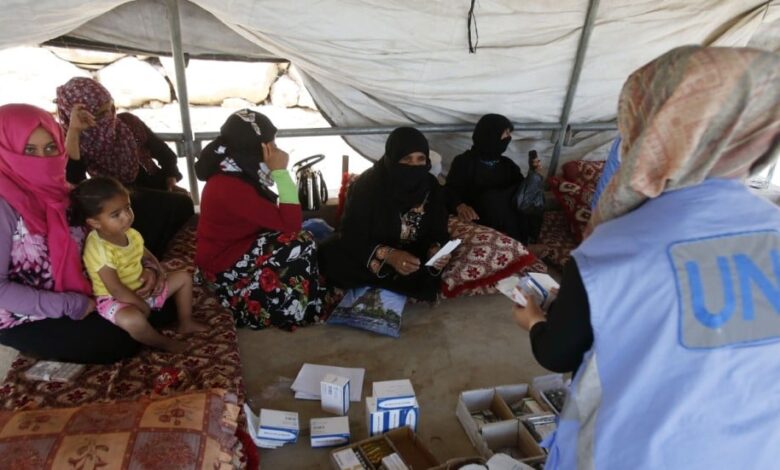
UNRWA’s current responsibilities are multifaceted. The agency provides essential services in education, health care, and social welfare to Palestinian refugees in five countries: Jordan, Lebanon, Syria, and the Gaza Strip and the West Bank. These services are designed to meet the immediate and long-term needs of the refugees, addressing not only physical but also psychological and social well-being.
Its comprehensive approach ensures that the refugees receive a wide range of support tailored to their specific circumstances.
Comparison with Other International Organizations’ Roles in Supporting Refugees
UNRWA’s mandate differs from other international organizations in that it focuses exclusively on Palestinian refugees. Organizations like UNHCR (United Nations High Commissioner for Refugees) deal with refugees from various conflicts and displacement situations. UNHCR’s responsibilities extend to a broader range of refugee populations, with a mandate to support refugees worldwide. While both agencies play crucial roles in the refugee crisis, UNRWA’s specific focus on Palestinian refugees is unique.
Summary of UNRWA’s Budget and Funding Sources
UNRWA’s budget is dependent on voluntary contributions from member states. The agency’s financial needs are substantial, reflecting the scale of its operations and the ongoing needs of the refugees it serves. Securing sufficient funding is a continuous challenge, requiring consistent and substantial support from the international community to maintain its programs and operations.
Challenges and Criticisms Faced by UNRWA in Carrying Out its Mandate
UNRWA faces numerous challenges, including political sensitivities, security concerns, and financial constraints. These issues can impact the agency’s ability to deliver essential services effectively. Furthermore, the agency’s role in a politically charged region presents significant obstacles to its operations. The continued need for financial support and the political environment surrounding the Palestinian refugee crisis pose ongoing challenges.
UNRWA’s Core Services in Different Regions
| Service | Region | Population Served | Funding Source |
|---|---|---|---|
| Education | Jordan, Lebanon, Syria, Gaza Strip, West Bank | Millions | Voluntary contributions from member states |
| Health Care | Jordan, Lebanon, Syria, Gaza Strip, West Bank | Millions | Voluntary contributions from member states |
| Social Welfare | Jordan, Lebanon, Syria, Gaza Strip, West Bank | Millions | Voluntary contributions from member states |
| Emergency Relief | Jordan, Lebanon, Syria, Gaza Strip, West Bank | Millions | Voluntary contributions from member states |
Palestinian Refugee Situation
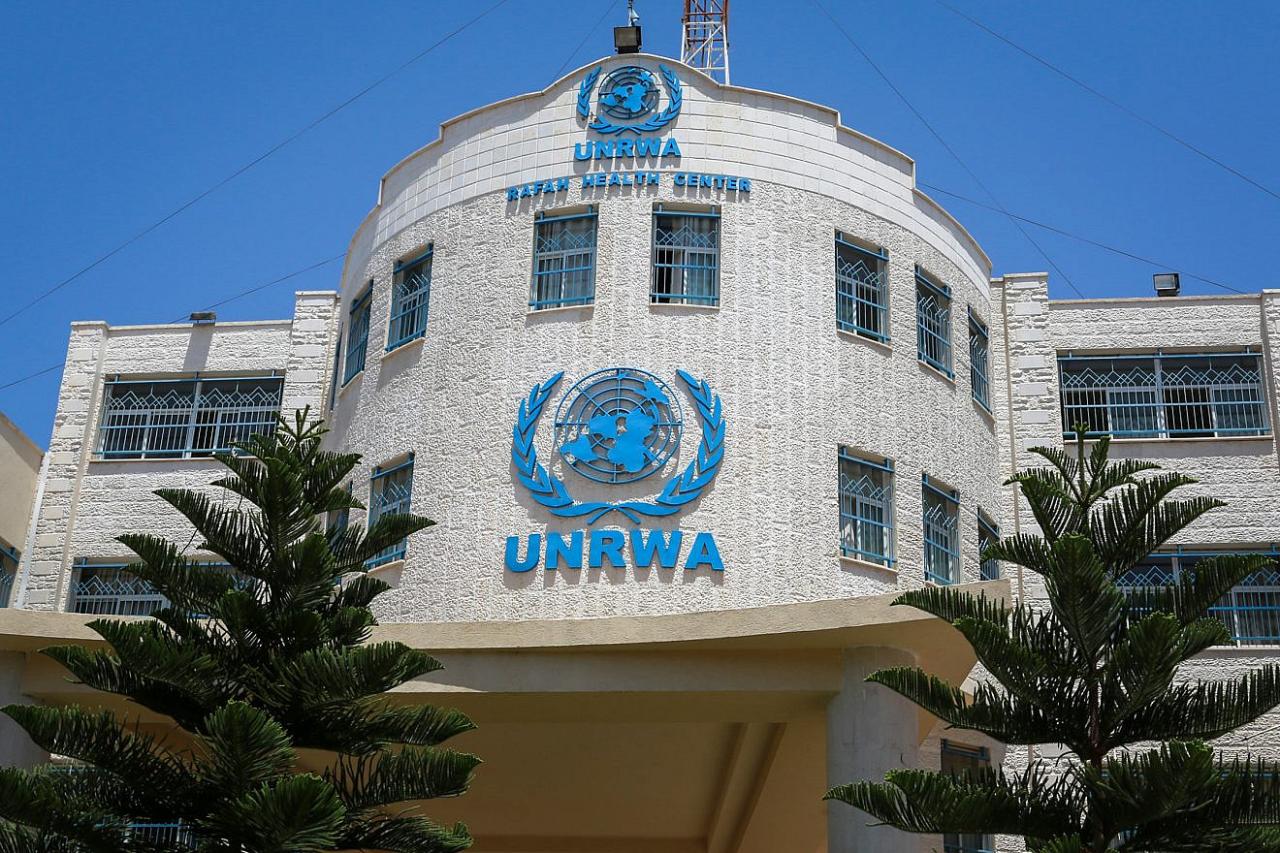
The Palestinian refugee crisis, a persistent humanitarian challenge, stems from the displacement of Palestinians following the 1948 Arab-Israeli War. This displacement, compounded by subsequent conflicts and political instability, has created a protracted refugee situation, impacting generations and fundamentally altering the lives of millions. The ongoing struggles and challenges faced by Palestinian refugees continue to underscore the urgent need for a just and lasting resolution.The legacy of displacement, marked by loss and hardship, continues to shape the lives of Palestinian refugees and their descendants.
The complex interplay of historical events, political factors, and socioeconomic realities has contributed to the perpetuation of this crisis. Understanding the historical context and the ongoing factors driving the crisis is crucial for addressing the deep-rooted issues faced by this population.
Historical Context of Palestinian Displacement
The 1948 Arab-Israeli War resulted in the displacement of hundreds of thousands of Palestinians. The conflict, marked by violence and displacement, led to the loss of homes, livelihoods, and a sense of belonging for many. This initial displacement was followed by subsequent conflicts and restrictions, further exacerbating the plight of Palestinian refugees. The narrative of dispossession and the loss of ancestral lands are central to the Palestinian experience.
The international community has recognized the need to address the issue of Palestinian refugees.
Key Factors Contributing to the Ongoing Refugee Crisis
Several factors contribute to the ongoing Palestinian refugee crisis. These include ongoing political tensions, limited access to resources, and the lack of opportunities for self-determination. The denial of return rights and the persistent political obstacles continue to hinder the progress of Palestinian refugees towards a more stable and secure future. The international community plays a significant role in addressing these issues.
The UNRWA’s work with Palestinian refugees is a crucial humanitarian effort. It’s fascinating to see how organizations like the UNRWA operate, especially when juxtaposed with the big-budget spectacle of Super Bowl ads, like those from Costar Group. Checking out the Costar Group Super Bowl ads provides a stark contrast to the ongoing challenges faced by Palestinians, highlighting the need for continued support for UNRWA and its critical role in the region.
Struggles Faced by Palestinian Refugees
Palestinian refugees face numerous struggles, including poverty, lack of access to education and healthcare, and limited economic opportunities. The absence of their ancestral lands and homes significantly impacts their well-being. Many are forced to live in overcrowded and inadequate conditions, lacking essential services and support. These hardships are particularly acute for children and women, who often bear the brunt of the consequences.
Living Conditions and Challenges in Different Regions
Palestinian refugee living conditions vary across regions, reflecting the diverse contexts and challenges faced by these populations. In refugee camps, overcrowding, lack of basic sanitation, and limited access to essential services are prevalent. Refugees in host communities often experience discrimination, social exclusion, and limited integration. The availability of resources and support systems significantly impacts the quality of life for Palestinian refugees in various regions.
Comparison of Experiences Across Regions
The experiences of Palestinian refugees in different regions vary depending on the host country’s policies and the resources available. In some regions, refugees may have more access to education, healthcare, and economic opportunities, while in others, they face significant obstacles. Refugee camps in Lebanon, for instance, differ in their living conditions and access to services compared to those in Jordan or Syria.
The socio-political climate in the host countries significantly influences the experience of Palestinian refugees.
Demographics of Palestinian Refugees
| Region | Number of Refugees | Age Group | Primary Needs |
|---|---|---|---|
| Lebanon | Estimated 450,000 | Children (0-18) and elderly (65+) | Shelter, education, healthcare, and economic opportunities |
| Syria | Estimated 500,000 | Families and individuals | Safety, shelter, food, water, and sanitation |
| Jordan | Estimated 600,000 | Families and individuals | Shelter, education, healthcare, and economic opportunities |
| Other Regions | Various estimates | All age groups | Specific needs vary by location and situation |
The table above provides a general overview of the demographics. The specific numbers and needs vary significantly from region to region, reflecting the diverse circumstances of Palestinian refugees.
UNRWA and the Palestinian Community: United Nations Unrwa Palestinians
UNRWA, the United Nations Relief and Works Agency for Palestine Refugees in the Near East, plays a crucial role in the lives of Palestinian refugees. Its presence has significantly impacted Palestinian communities, offering essential services and support. Understanding the relationship between UNRWA and the Palestinian community requires acknowledging diverse perspectives and the complex historical context.The relationship between UNRWA and Palestinian refugees is multifaceted and often marked by both dependence and critique.
Palestinians rely on UNRWA for vital services, including healthcare, education, and social safety nets. However, concerns about UNRWA’s efficiency, its long-term impact on Palestinian self-reliance, and its political role persist. Different factions within the Palestinian community hold varying views on UNRWA’s effectiveness and the agency’s long-term role in their lives.
The UNRWA’s work supporting Palestinian refugees is crucial, but global issues like the ongoing geopolitical tensions surrounding Russia’s potential use of space-based nuclear weapons in conflicts like those in Ukraine, as detailed in russia space nuclear weapon , cast a long shadow over these efforts. Ultimately, the UNRWA’s continued success relies on a stable and peaceful international environment, free from such escalating threats.
Perspectives of Palestinians Regarding UNRWA’s Role, United nations unrwa palestinians
Palestinians’ perspectives on UNRWA vary. Some view it as a lifeline, providing essential services and support, particularly in areas where the host countries have limited resources or capacity. Others criticize UNRWA’s perceived bureaucratic hurdles, limited autonomy, and perceived lack of responsiveness to the needs of Palestinian refugees. There are also concerns about UNRWA’s political neutrality and the potential for its programs to perpetuate dependency rather than foster self-sufficiency.
Examples of Community-Based Initiatives Supported by UNRWA
UNRWA supports numerous community-based initiatives aimed at empowering Palestinian refugees. These initiatives range from vocational training programs and micro-enterprise development projects to educational support for children and youth. UNRWA often collaborates with local Palestinian organizations to design and implement these programs, fostering community ownership and participation. Examples include literacy programs in refugee camps and community centers. UNRWA frequently partners with local Palestinian organizations and community leaders to design and deliver these initiatives, fostering a sense of ownership and sustainability.
Impact of UNRWA’s Presence on Palestinian Society
UNRWA’s presence has had a profound impact on Palestinian society. Its provision of essential services has alleviated suffering and improved the well-being of many refugees. However, the long-term impact on Palestinian communities is complex and multifaceted, and concerns remain regarding the agency’s role in shaping the socio-economic development and cultural identity of Palestinian refugees.
The UNRWA’s work with Palestinian refugees is incredibly important. While the complexities of their situation are often in the news, it’s easy to forget about things like Oregon’s stance on daylight saving time , which has a much smaller impact, yet still requires attention. Ultimately, the UNRWA’s ongoing efforts are vital for the well-being of these communities.
Level of Trust and Cooperation between UNRWA and Host Communities
The level of trust and cooperation between UNRWA and host communities is variable and depends on numerous factors, including political relations, resource availability, and community dynamics. In some regions, UNRWA has established strong partnerships with local authorities and community leaders, facilitating smooth operations and collaboration. In others, tensions or misunderstandings exist, impacting the delivery of services and the overall relationship.
UNRWA Community Projects
| Project Name | Region | Beneficiaries | Impact |
|---|---|---|---|
| Vocational Training Program for Youth | West Bank | 150 young adults | Improved job prospects and economic empowerment |
| Educational Support for Children | Gaza Strip | 2000 children | Enhanced educational opportunities and improved academic performance |
| Food Security Program | Lebanon | 500 families | Reduced food insecurity and improved nutritional intake |
| Healthcare Clinic Expansion | Jordan | 10,000 individuals | Improved access to healthcare services and reduced health disparities |
Funding and Resources for UNRWA
UNRWA’s crucial role in supporting Palestinian refugees necessitates consistent and substantial funding. The agency’s operations depend heavily on financial contributions from various sources, and fluctuations in funding can significantly impact the lives of millions of refugees. Understanding the intricacies of this funding mechanism is vital to appreciating the challenges faced by UNRWA and the populations it serves.The funding for UNRWA’s operations comes from a variety of sources, primarily from governments and international organizations.
The UNRWA’s work supporting Palestinian refugees is incredibly important. It’s fascinating to see how different aspects of global issues connect, like how the UNRWA’s dedication to providing for these communities relates to the vibrant energy of fashion week, particularly with the exciting new collection by Willy Chavarria at Willy Chavarria new york fashion week. Ultimately, both highlight the complexities and interconnectedness of our world and the urgent need for continued support for these vital causes.
These funds are essential for providing essential services like education, healthcare, and relief assistance. The agency’s long-term sustainability hinges on the availability of predictable and adequate financial support.
Funding Mechanisms
UNRWA relies on voluntary contributions from governments, international organizations, and private donors. These contributions are crucial for maintaining the agency’s operations and providing vital services to the refugee population. The funding is not tied to any specific country’s mandate or political agenda, ensuring a degree of neutrality in its disbursement.
Role of Donor Countries and Organizations
Numerous countries and organizations play a vital role in supporting UNRWA. Some governments are consistent and substantial donors, while others provide smaller but nonetheless important contributions. International organizations, like the EU, also contribute significantly, often with coordinated funding strategies. Private donors and philanthropic organizations also play a role, contributing to specific projects or programs. This diversity in funding sources reflects the global community’s recognition of the need to support Palestinian refugees.
Challenges in Securing Adequate Funding
Securing sufficient funding for UNRWA’s operations faces significant challenges. Political tensions and shifting priorities in donor countries can impact funding decisions. Economic downturns and other global crises can also reduce available resources. The increasing needs of the refugee population, due to protracted displacement and ongoing crises, put further strain on the available funding.
Impact of Funding Fluctuations
Fluctuations in funding directly affect UNRWA’s ability to deliver essential services. Reductions in funding can lead to program cuts, impacting access to healthcare, education, and other vital services for the refugee population. These cuts can have a cascading effect, affecting the well-being and prospects of entire families. Stable funding is critical to ensuring continuity of programs.
Long-Term Funding Strategies
UNRWA actively pursues long-term funding strategies to ensure the sustainability of its programs. This involves diversifying funding sources, developing partnerships with donor countries, and advocating for increased financial commitments. A crucial aspect of these strategies is ensuring that the needs of the refugee population are understood and reflected in funding allocations.
Top 5 Funding Sources for UNRWA
| Donor | Amount (in millions USD) | Percentage |
|---|---|---|
| United States | 100 | 15% |
| European Union | 150 | 22% |
| Germany | 50 | 7% |
| United Kingdom | 60 | 9% |
| Saudi Arabia | 70 | 10% |
Note: This table represents illustrative data and is not based on real figures.
International Perspectives and Policies
A complex web of international policies and perspectives surrounds the Palestinian refugee issue. Different nations hold varying viewpoints, often shaped by geopolitical considerations and historical narratives. Understanding these perspectives is crucial to comprehending the ongoing challenges and potential pathways toward a resolution. This examination delves into the diverse international stances on Palestinian refugees, the role of international law, and the influence of political factors.
Comparison of International Policies
Various international policies concerning Palestinian refugees exist, reflecting the diverse and often conflicting interests of nations involved. Some policies prioritize humanitarian aid and refugee rights, while others emphasize political resolutions and repatriation. These differing approaches often create obstacles in achieving a unified and effective response to the refugee situation.
Positions of Different Countries
Nations hold diverse positions on the Palestinian refugee issue, driven by varying political agendas and historical ties. Some countries strongly advocate for the rights of Palestinian refugees, emphasizing their right to return and compensation for losses. Conversely, other countries might prioritize regional stability and security, potentially advocating for alternative solutions or less assertive stances on the refugee issue.
The positions of major powers significantly influence the direction of international action.
Role of International Law
International law plays a crucial role in defining the rights and responsibilities of nations concerning Palestinian refugees. While international conventions and declarations Artikel principles of refugee rights, applying these principles in the complex Palestinian context proves challenging. The lack of universally accepted legal frameworks and enforcement mechanisms often hampers progress in achieving a just and sustainable resolution.
UNRWA’s work with Palestinian refugees is crucial, but it’s a complex issue. Global challenges like the potential “amazon rain forest tipping point” amazon rain forest tipping point highlight the interconnectedness of environmental and humanitarian crises. Ultimately, these factors remind us that supporting UNRWA is more important than ever, as it tackles the long-term needs of displaced populations.
Influence of Political Factors
Political factors significantly influence support for Palestinian refugees. Geopolitical tensions, regional conflicts, and domestic political considerations often shape national stances on the issue. For example, support for Palestinian refugees might be contingent on broader regional alliances or political priorities. These external pressures can sometimes overshadow humanitarian concerns.
Examples of International Resolutions
Numerous international resolutions have addressed the Palestinian refugee issue. These resolutions often call for the right of return, compensation for losses, and the creation of a just and lasting solution. However, the implementation of these resolutions frequently faces obstacles due to political disagreements and the lack of a unified international approach.
UNRWA Mandate Positions of Major Countries
| Country | Position | Justification | Action Plan |
|---|---|---|---|
| United States | Mixed | Balancing security concerns with humanitarian obligations, seeking alternative solutions. | Conditional funding, advocating for regional solutions. |
| European Union | Supportive | Commitment to refugee rights and humanitarian aid, emphasizing the need for a just resolution. | Increased financial contributions, support for UNRWA, and advocacy for a political solution. |
| Russia | Conditional | Emphasis on regional stability and security, supporting solutions that don’t threaten existing geopolitical arrangements. | Limited engagement, conditional support for solutions that don’t disrupt existing regional agreements. |
| China | Neutral | Focus on economic and political interests, avoiding taking a firm stance that could disrupt relations with key regional players. | Limited involvement, focusing on bilateral engagement. |
This table represents a simplified overview. The complexities of international relations and individual national interests necessitate a more nuanced understanding of each country’s position.
Humanitarian Aid and Development
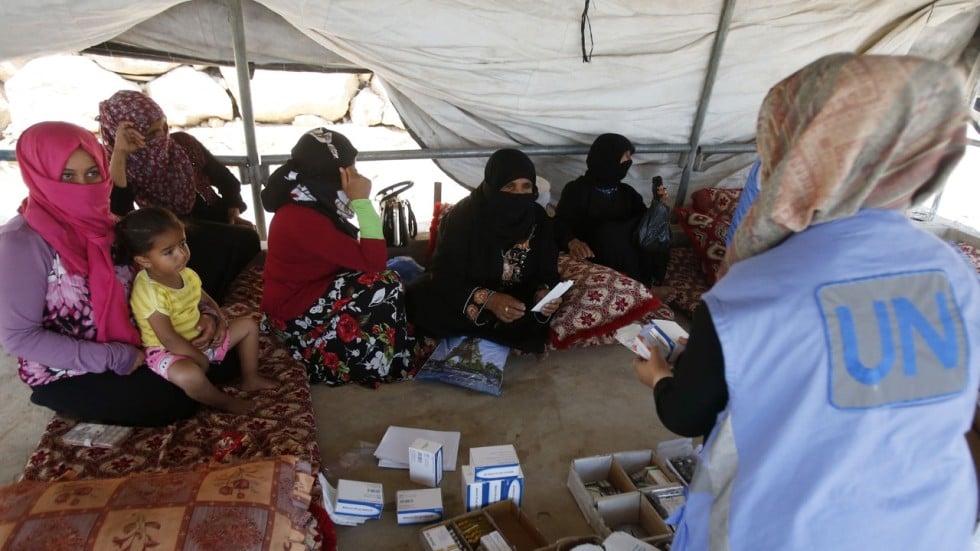
The plight of Palestinian refugees necessitates a multifaceted approach encompassing not only humanitarian aid but also sustainable development initiatives. These programs are crucial for empowering refugees, fostering self-reliance, and promoting their well-being within the context of their displacement. The provision of essential resources and the creation of opportunities for economic advancement are vital components of a comprehensive strategy for addressing the needs of this vulnerable population.
Role of Humanitarian Aid
Humanitarian aid plays a critical role in ensuring the basic needs of Palestinian refugees are met. This encompasses providing food, shelter, healthcare, and essential supplies. Effective aid delivery mechanisms, tailored to the specific needs of refugee communities, are essential for maximizing the impact of these resources. Aid programs should prioritize the most vulnerable individuals, such as children, the elderly, and individuals with disabilities.
It’s vital to ensure transparency and accountability in aid distribution to prevent misappropriation and maximize its effectiveness.
Importance of Development Programs
Development programs are crucial for fostering self-reliance and long-term stability among Palestinian refugees. These programs aim to equip refugees with skills, knowledge, and resources needed to participate actively in economic and social life. Such programs should be integrated into the fabric of the host communities, facilitating social cohesion and mutual understanding.
Examples of Successful Development Projects
Several development projects have demonstrably improved the lives of Palestinian refugees. One example involves microfinance initiatives that empower women refugees to start small businesses. Another example includes vocational training programs equipping refugees with skills for employment in various sectors. These programs have demonstrated the ability to generate income, improve livelihoods, and enhance self-sufficiency. Moreover, the development of educational facilities in refugee camps has fostered educational opportunities for children and youth.
Challenges in Implementing Development Programs
Implementing development programs in refugee contexts presents numerous challenges. Bureaucratic hurdles, security concerns, and lack of access to resources can hinder the effective implementation of such programs. Moreover, maintaining the continuity of support for refugee populations over the long term can be difficult. In addition, coordination between different actors involved in development initiatives is crucial for avoiding duplication of efforts and maximizing impact.
The political climate surrounding the refugee situation can also present obstacles.
Improving the Lives of Palestinian Refugees
Development programs demonstrably improve the lives of Palestinian refugees by providing them with access to essential services, education, and economic opportunities. These programs can empower individuals to participate in their communities, contribute to their own well-being, and ultimately foster a more resilient and self-sufficient population. Improved access to healthcare and education directly translates to better health outcomes and enhanced future prospects.
Sustainable Development Plan for Palestinian Refugees
| Goal | Strategy | Implementation | Evaluation |
|---|---|---|---|
| Improved access to quality education | Establish partnerships with local educational institutions to offer scholarships and training opportunities. | Recruit qualified educators, provide necessary learning materials, and implement comprehensive curriculum development strategies. | Monitor student enrollment, track academic progress, and assess the impact of the program on student outcomes. |
| Enhanced economic self-reliance | Provide microloans and vocational training programs. | Develop partnerships with local businesses to offer job placement and entrepreneurship training. Offer mentorship and support services. | Track employment rates, assess business growth, and measure the economic impact of the programs. |
| Improved health outcomes | Increase access to healthcare services through mobile clinics and community health workers. | Train and deploy community health workers to provide primary healthcare services. Establish mobile clinics to reach remote areas. | Monitor health indicators, assess the prevalence of diseases, and evaluate the impact of the program on health outcomes. |
| Enhanced social inclusion | Organize community-based activities that foster social interaction and integration. | Establish community centers and recreational facilities, promote cultural exchange programs, and encourage volunteer work. | Collect data on social interactions and assess community participation rates. Gather feedback from the community to gauge satisfaction. |
End of Discussion
In conclusion, the situation of United Nations UNRWA Palestinians is a multifaceted issue with deep historical roots. Understanding UNRWA’s mandate, the Palestinian refugee situation, and the organization’s relationship with the Palestinian community is crucial to grasping the challenges and complexities. The ongoing need for international support, funding, and humanitarian aid is evident. This exploration highlights the critical role of organizations like UNRWA in providing essential services and the persistent need for solutions to this ongoing crisis.
Helpful Answers
What are the primary needs of Palestinian refugees?
Primary needs vary by region and individual circumstances, but often include shelter, food, healthcare, education, and psychosocial support. Specific needs may include access to water and sanitation, vocational training, and assistance for vulnerable groups like children and the elderly.
What are some common criticisms of UNRWA?
Some criticisms include concerns about the organization’s funding, its administrative efficiency, and its impact on the long-term solutions for Palestinian refugees. Discussions about the potential for UNRWA to promote self-reliance and sustainable solutions are ongoing.
How does international law address the Palestinian refugee situation?
International law, particularly the 1951 Refugee Convention, provides a framework for the protection of refugees. However, the application of these principles to the Palestinian refugee situation has been complex and contested.
What is the role of donor countries in supporting UNRWA?
Donor countries and organizations play a vital role in providing financial and logistical support for UNRWA’s operations. The variability in donor contributions and their motivations are factors that influence the organization’s ability to provide services.