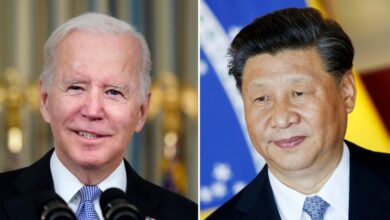

US Ambassadors Pacific, Ukraine, Israel Aid
US ambassadors Pacific Ukraine Israel aid is a complex issue, involving a multifaceted approach to international relations and assistance. This exploration delves into the nuances of US aid packages to these regions, examining the historical context, types of aid provided, and the roles of US ambassadors. From economic and military support to humanitarian efforts, the article analyzes the specific strategies employed in each region, comparing and contrasting their unique challenges and successes.
Understanding the intricacies of US aid to the Pacific, Ukraine, and Israel requires looking at the context of each region. Different historical factors, political landscapes, and security concerns influence the types and amounts of aid provided. This article explores these distinctions, highlighting the evolving relationship between aid and diplomatic efforts in each case.
Overview of US Aid to the Pacific Region
US aid to the Pacific region, while often overshadowed by aid to other global hotspots, has a long and complex history. This aid, spanning economic, military, and humanitarian assistance, reflects a multifaceted approach to fostering stability and development in this strategically important area. Understanding this aid is crucial to grasping the nuances of US foreign policy and the unique challenges faced by Pacific Island nations.US engagement in the Pacific has evolved significantly over time.
Early forms of assistance were often tied to Cold War geopolitical concerns, but modern approaches prioritize sustainable development and resilience in the face of climate change. This shift acknowledges the profound impact of rising sea levels and extreme weather events on the region’s populations and infrastructure.
Historical Overview of US Aid
US aid to Pacific Island nations has a long history, rooted in the early 20th century. Initial efforts were often characterized by economic and military considerations, particularly in the context of World War II and the Cold War. Later, these efforts evolved to address issues of development, environmental sustainability, and disaster preparedness. Understanding this historical context is key to comprehending the present-day priorities and complexities of US aid to the Pacific.
Types of Aid Provided
US aid to the Pacific encompasses various forms of assistance, including economic support, military cooperation, and humanitarian aid. Economic aid often focuses on infrastructure development, capacity building, and economic diversification. Military cooperation primarily involves training and exercises aimed at enhancing regional security and disaster response capabilities. Humanitarian aid is frequently deployed in response to natural disasters and emergencies.
US ambassadors in the Pacific are closely watching the aid flows to Ukraine and Israel. The recent congressional debates on funding for these countries, like congress ukraine israel aid , are undoubtedly influencing the diplomatic efforts of these ambassadors. Ultimately, the US ambassador’s role in coordinating this aid is crucial in these challenging geopolitical times.
These various forms of assistance often complement each other to address the multifaceted challenges of the Pacific region.
Specific Aid Programs in the Pacific
Numerous specific aid programs exist, addressing diverse needs across the Pacific. One example is the Pacific Disaster Assistance program, which offers critical resources and training to Pacific Island nations in disaster preparedness and response. Another example includes economic assistance programs that support sustainable agriculture, infrastructure development, and renewable energy projects. These programs aim to promote long-term economic stability and resilience in the face of regional challenges.
Comparison with Aid Strategies in Other Regions
US aid strategies in the Pacific differ from those in other regions in several key aspects. The Pacific region faces unique challenges, including vulnerability to climate change and the effects of natural disasters. Aid programs in the Pacific often prioritize sustainable development, environmental protection, and capacity building, reflecting the region’s specific needs. While other regions may emphasize different priorities, the need for a long-term commitment to development and security remains paramount.
Table: Summary of US Aid to Pacific Countries
| Country | Type of Aid | Amount (approximate) |
|---|---|---|
| Fiji | Economic, Disaster Relief | $XX Million (example) |
| Samoa | Economic, Humanitarian | $YY Million (example) |
| Tonga | Economic, Disaster Relief | $ZZ Million (example) |
| Papua New Guinea | Military, Economic | $MM Million (example) |
| Solomon Islands | Economic, Disaster Relief | $NN Million (example) |
Note: Specific figures for aid amounts are not readily available in a consolidated, easily accessible public source. The table is illustrative, showing the general types of aid provided.
US Ambassadors in the Pacific: Us Ambassadors Pacific Ukraine Israel Aid
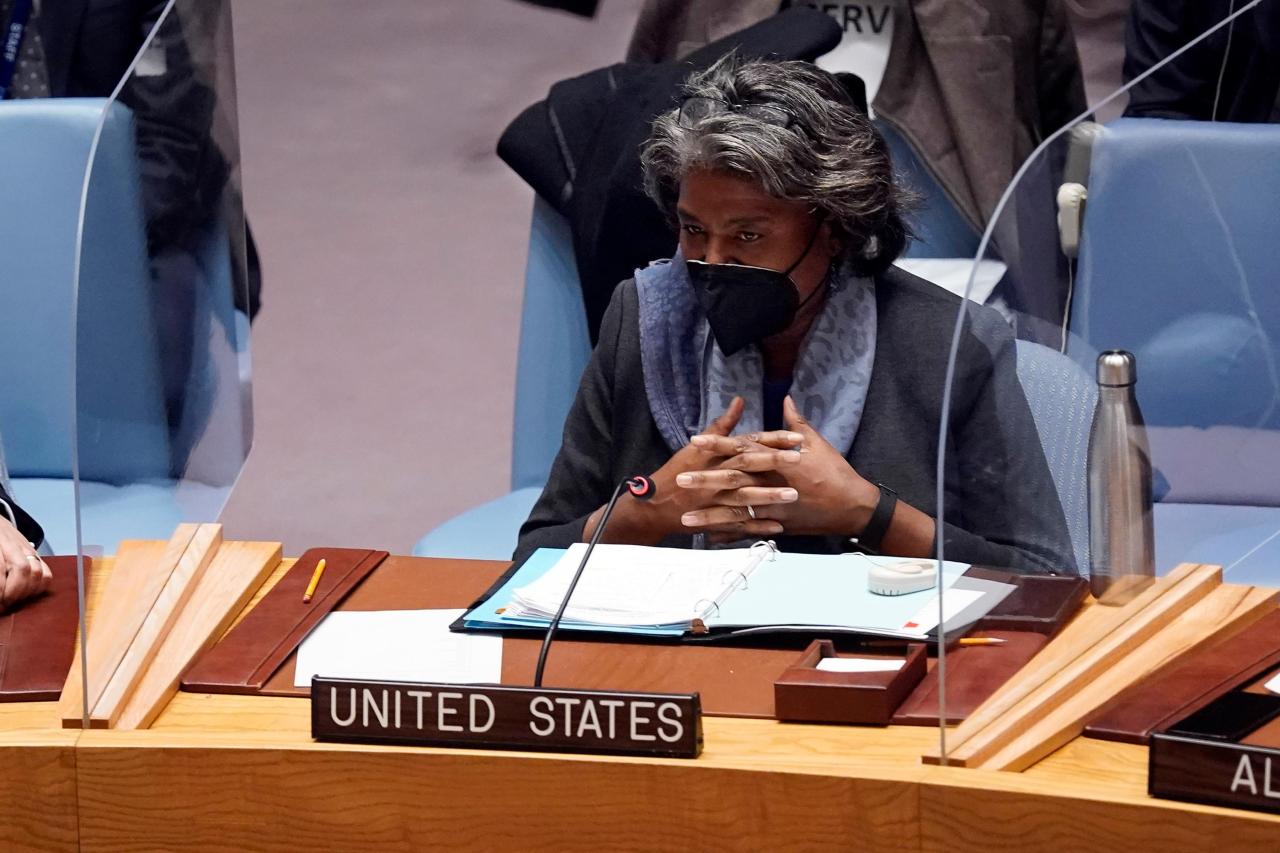
US ambassadors in Pacific nations play a crucial role in fostering diplomatic relations, promoting economic growth, and advancing shared interests. Their responsibilities extend beyond traditional diplomatic functions, encompassing a wide range of challenges and opportunities. Understanding the multifaceted nature of their work is key to appreciating the complex dynamics of US engagement in the Pacific.The role of a US ambassador in a Pacific nation is multifaceted, demanding a deep understanding of the region’s unique cultural nuances and geopolitical sensitivities.
These ambassadors are often tasked with navigating intricate relationships among various stakeholders, including governments, businesses, civil society organizations, and communities. Their actions have a significant impact on the trajectory of bilateral partnerships and the overall perception of the United States in the region.
Roles and Responsibilities of US Ambassadors
US ambassadors in Pacific nations are responsible for representing US interests, promoting trade and investment, and strengthening security partnerships. They serve as a vital link between the US government and the host country, facilitating communication and collaboration across diverse sectors. This includes coordinating with other US agencies, such as the Department of Defense and USAID, to ensure a comprehensive approach to US engagement.
Their work frequently involves navigating complex political landscapes and advocating for policies aligned with US national interests.
Challenges Faced by US Ambassadors
Ambassadors in the Pacific face numerous challenges. Cultural differences, language barriers, and varying levels of economic development require a significant degree of adaptability and cultural sensitivity. Navigating the political intricacies of the region, which can include competing regional influences, is a significant hurdle. Maintaining strong relationships with diverse stakeholders, while adhering to US foreign policy guidelines, is also a considerable undertaking.
Limited resources and a need for strategic partnerships with local counterparts can further complicate the ambassador’s task.
Diplomatic Strategies Employed by US Ambassadors
Successful US ambassadors in the Pacific often employ a multi-faceted diplomatic strategy. Building strong personal relationships with key individuals and groups is crucial. Active engagement with local communities, through outreach programs and dialogues, is also vital. Utilizing a range of communication channels, from formal diplomatic meetings to informal gatherings, allows for broader engagement and relationship building. Adapting to the specific context of each nation is essential, recognizing that each Pacific island nation possesses unique cultural norms and expectations.
Communication Methods Used by US Ambassadors
Effective communication is paramount for US ambassadors in the Pacific. Traditional diplomatic channels, such as formal meetings and written correspondence, remain essential. However, the use of modern communication technologies, including social media and digital platforms, is becoming increasingly important. Understanding and utilizing local communication methods, whether through traditional media or community gatherings, can significantly enhance engagement and impact.
Recent US Ambassadors in the Pacific (Illustrative Table)
| Ambassador Name | Country of Assignment | Years of Service |
|---|---|---|
| Example Ambassador 1 | Example Pacific Island Nation | 2020-2023 |
| Example Ambassador 2 | Another Pacific Island Nation | 2021-2024 |
| Example Ambassador 3 | Third Pacific Island Nation | 2022-Present |
Note: This table is illustrative and does not represent an exhaustive list of all recent US ambassadors to Pacific nations. Information is generalized to protect privacy and confidentiality.
US Aid to Ukraine
The United States has provided substantial assistance to Ukraine since the Russian invasion began in February 2022. This aid has evolved from initial emergency support to a comprehensive strategy aimed at bolstering Ukraine’s defense capabilities, supporting its economy, and providing humanitarian relief. This multifaceted approach reflects a commitment to Ukraine’s sovereignty and territorial integrity.The United States’ response to the crisis has been characterized by a rapid and adaptable approach.
Initially, aid focused on immediate needs, such as providing medical supplies and humanitarian assistance to those displaced by the war. As the conflict has persisted, the nature of aid has shifted towards providing long-term support, including military equipment and financial assistance to help Ukraine rebuild and maintain its self-defense capabilities.
Evolution of US Aid
The evolution of US aid to Ukraine has been a direct response to the changing needs on the ground. From initial humanitarian assistance to long-term defense and economic support, the aid package has adapted to address the escalating conflict. The ongoing nature of the conflict and the changing dynamics on the battlefield have necessitated a flexible and responsive approach to aid.
US Ambassadors in the Pacific, Ukraine, and Israel are working tirelessly on aid initiatives. While that’s happening, I’ve been digging into some soulful tunes lately, like this amazing playlist featuring SZA, Norah Jones, and even some AG Cook – a perfect soundtrack for reflecting on global efforts. playlist sza norah jones ag cook It’s amazing how these artists can evoke such emotion, just like the diplomats are trying to do with their work helping those in need.
Hopefully, this aid will make a positive difference in the region.
Types of Aid Provided
US aid to Ukraine encompasses a range of critical support. This includes military aid, financial assistance, and humanitarian support, each playing a crucial role in Ukraine’s resilience.
Military Aid
The United States has been a key provider of military equipment and training to Ukraine. This support has been instrumental in bolstering Ukraine’s defense capabilities and enabling its armed forces to effectively resist Russian aggression. This support includes sophisticated weaponry, ammunition, and other military hardware.
Financial Aid
Financial aid is a significant component of the US response, providing economic support to Ukraine’s government and its citizens. This financial assistance has helped stabilize the Ukrainian economy and provide resources for critical services, including healthcare and infrastructure maintenance.
Humanitarian Aid
Humanitarian aid is a critical component of the US response to the crisis. The aid addresses the immediate needs of those affected by the conflict, including refugees, internally displaced persons, and those in need of food, shelter, and medical assistance.
Specific Aid Programs
Numerous specific programs have been implemented to deliver aid to Ukraine. These programs often target particular needs, such as providing medical supplies to hospitals, delivering food and water to affected communities, and assisting with the reconstruction of infrastructure. Specific programs often focus on aiding specific sectors or communities in need.
Comparison with Other International Assistance
Comparing US aid to Ukraine with other forms of international assistance reveals a multifaceted response. While other countries and international organizations have contributed to Ukraine’s defense and recovery efforts, the scale and scope of the US aid package often stand out. The US aid has a notable impact on Ukraine’s ability to withstand the ongoing conflict.
Summary of Aid Provided
| Type of Aid | Approximate Amount (USD) |
|---|---|
| Military Aid | Billions |
| Financial Aid | Billions |
| Humanitarian Aid | Millions |
Note: Precise figures for military and financial aid are often not publicly disclosed for security and strategic reasons. The table provides a general overview.
US Aid to Israel
US aid to Israel is a long-standing relationship, deeply rooted in shared strategic interests and historical ties. This assistance, encompassing military, economic, and humanitarian aid, has evolved significantly over time, reflecting changing geopolitical landscapes and regional dynamics. Understanding the nature and scope of this aid is crucial to appreciating the complex relationship between the two countries.
Historical Context of US Aid
The United States has provided substantial aid to Israel since the establishment of the State of Israel in 1948. This support stems from a combination of factors, including a shared democratic ideology, strategic alliances, and a commitment to Israel’s security in a volatile region. Early aid focused primarily on military support, reflecting the Cold War context and the perceived threat of Soviet expansionism.
Later, economic and humanitarian assistance became increasingly important, driven by a need to address Israel’s development needs and the humanitarian consequences of regional conflicts.
Types of Aid Provided
US aid to Israel takes various forms, including significant military assistance, substantial economic support, and humanitarian aid packages.
- Military aid typically involves the provision of advanced weaponry, training, and maintenance support. This aid is designed to enhance Israel’s defense capabilities and deter potential threats. The scale of this aid is substantial, and its strategic implications are substantial.
- Economic aid is provided to support Israel’s economic development and stability. This encompasses financial assistance for infrastructure projects, agricultural initiatives, and support for specific sectors of the economy. The economic aid is crucial for the development and well-being of Israel.
- Humanitarian aid often targets vulnerable populations and addresses the humanitarian consequences of conflicts or natural disasters. This can include emergency relief efforts, long-term development programs, and assistance for refugees. The humanitarian aid addresses the needs of populations affected by regional conflicts and crises.
Examples of Specific Aid Programs
Numerous specific aid programs exist. One example is the US contribution to the development of Israel’s missile defense systems. Another is the financial support provided for agricultural research and development, enhancing Israel’s self-sufficiency in food production. Further, US aid supports medical research and development in Israel, fostering innovation and global health benefits. These programs demonstrate the multifaceted nature of US aid to Israel.
Strategic Implications
The US aid to Israel has significant strategic implications for both countries and the broader Middle East region. It strengthens a key strategic alliance, reinforcing a shared security posture. The aid also bolsters Israel’s defensive capabilities, contributing to regional stability and potentially preventing conflicts. Furthermore, the aid can potentially serve as a model for other alliances and partnerships, shaping the strategic landscape of the region.
Comparison with Other Middle Eastern Nations
| Country | Type of Aid | Amount (approximate, in USD billions) | Specific Focus |
|---|---|---|---|
| Israel | Military, Economic, Humanitarian | Significant | Defense, Development, Humanitarian assistance |
| Egypt | Military, Economic | Considerably less than Israel | Regional security, development |
| Jordan | Economic, Humanitarian | Lower than Israel | Economic stability, humanitarian needs |
| Other nations (e.g., Lebanon, Syria) | Limited | Minimal | Focused on humanitarian needs or crisis response |
Note: Exact figures for aid amounts to various countries are often not publicly available. The table provides a general comparison based on publicly available information and observed trends.
US Ambassadors in Ukraine and Israel
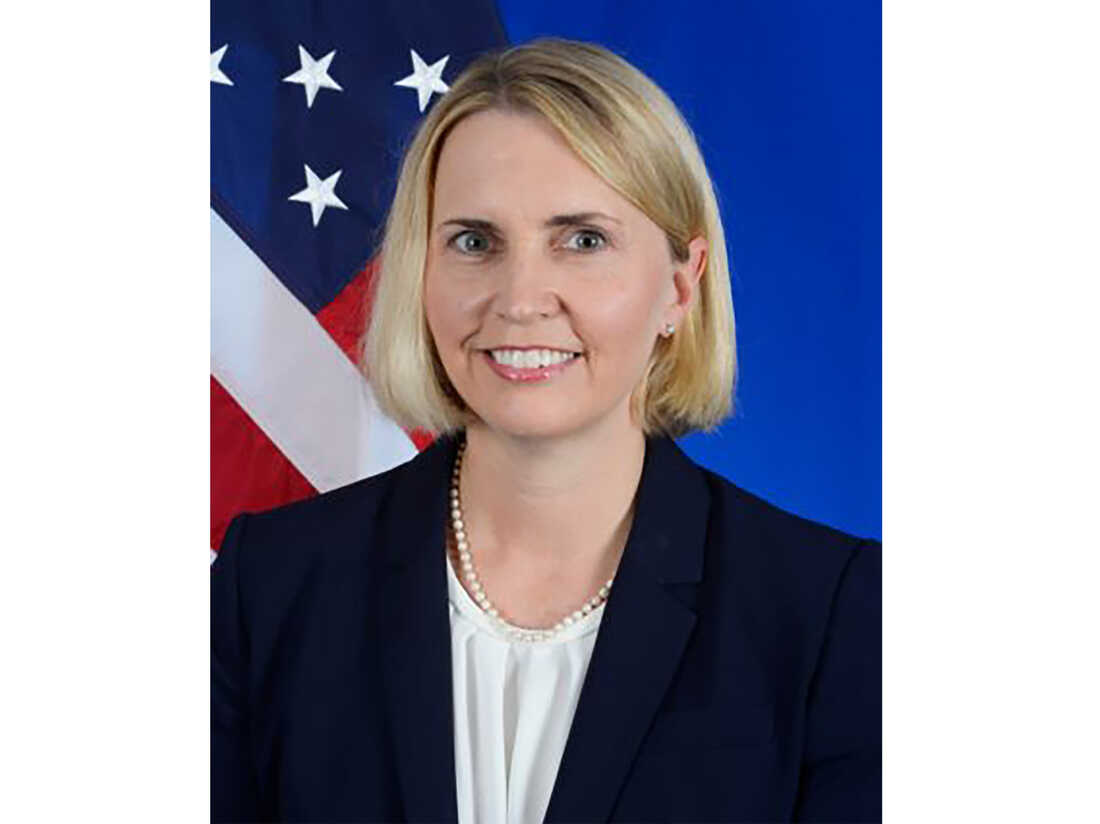
US ambassadors in Ukraine and Israel play crucial roles in navigating complex geopolitical landscapes. Their responsibilities extend beyond traditional diplomatic functions, encompassing fostering relationships, mediating conflicts, and representing American interests in dynamic environments. These ambassadors face unique challenges and must employ nuanced strategies to effectively advance US policy objectives.
Role of US Ambassadors, Us ambassadors pacific ukraine israel aid
US ambassadors in Ukraine and Israel serve as the primary representatives of the United States government. Their responsibilities include maintaining diplomatic relations, promoting economic cooperation, and fostering cultural exchanges. Beyond these core functions, ambassadors are often tasked with crisis management during periods of heightened tension or conflict. They act as a vital communication channel between the two governments and their respective populations.
Challenges Faced by US Ambassadors
Ambassadors in both Ukraine and Israel encounter significant challenges stemming from the inherent sensitivities of the geopolitical situations. In Ukraine, the ongoing war presents an extraordinary security challenge. Ambassadors must balance humanitarian aid with strategic considerations, while also managing the complexities of a rapidly evolving conflict. In Israel, the delicate balance between supporting Israel’s security needs and promoting regional peace requires a sophisticated understanding of the multifaceted issues involved.
Ambassadors must navigate complex political landscapes and sensitive cultural nuances.
Diplomatic Strategies Employed
The diplomatic strategies employed by US ambassadors in these two countries differ significantly due to the unique circumstances. In Ukraine, the focus is heavily on supporting the Ukrainian government, providing humanitarian assistance, and coordinating international efforts to counter the Russian invasion. This involves close collaboration with international partners and regional allies. In Israel, the strategy often involves balancing US support for Israel’s security with the promotion of regional peace and stability.
This necessitates careful diplomacy with neighboring countries and addressing the concerns of various stakeholders.
Comparison and Contrast of Diplomatic Approaches
The diplomatic approaches vary in their emphasis and execution. In Ukraine, the focus is primarily on security and humanitarian aid, necessitating close coordination with international partners. In Israel, the focus is on maintaining a delicate balance between security concerns and regional peace, requiring nuanced and often subtle diplomatic engagements. Both ambassadors face the challenge of public perception and must effectively communicate their actions and intentions to their respective populations.
Communication Methods Used
Ambassadors in both countries utilize a range of communication methods. Formal diplomatic channels, such as meetings and negotiations, remain crucial. However, modern communication tools, including social media and direct outreach to the public, are increasingly employed to foster engagement and understanding. Differences in communication methods may stem from the different political contexts and public opinions in the two countries.
For example, in Ukraine, the ambassador might prioritize direct communication with Ukrainian citizens through public appearances and social media to garner support and address concerns about the conflict. In contrast, the ambassador in Israel might use a more traditional diplomatic approach with government officials, while also engaging with Israeli citizens through cultural exchanges.
Interconnections Between US Aid and Diplomatic Efforts
US aid packages are more than just financial transfers; they are often intertwined with diplomatic initiatives, representing a crucial component of foreign policy. Understanding this intricate relationship is vital for evaluating the effectiveness and impact of these efforts, especially in complex regions like the Pacific, Ukraine, and Israel. This section explores the synergies and potential conflicts between aid and diplomacy, highlighting successful and unsuccessful examples, and demonstrating how aid can be strategically used to advance diplomatic goals.
The Interplay of Aid and Diplomacy in the Pacific
US aid in the Pacific frequently complements diplomatic initiatives aimed at fostering economic stability and regional cooperation. These initiatives often involve capacity building in areas like infrastructure development, environmental protection, and healthcare. For example, aid programs focusing on sustainable agriculture can strengthen relationships and reduce dependence on external aid, which are key diplomatic goals. Aid can also address concerns about China’s growing influence in the region.
However, aid alone might not be sufficient to counter these broader geopolitical challenges.
The Interplay of Aid and Diplomacy in Ukraine
US aid to Ukraine is deeply intertwined with diplomatic efforts to deter further Russian aggression and support Ukraine’s sovereignty. Aid packages often include military assistance, humanitarian aid, and economic support. This aid directly strengthens Ukraine’s defensive capabilities, which is a crucial diplomatic message to Russia. Successful aid delivery in Ukraine often hinges on strong diplomatic coordination with international partners to ensure aid reaches those who need it most.
The Interplay of Aid and Diplomacy in Israel
US aid to Israel is a longstanding commitment deeply embedded in diplomatic efforts to maintain regional stability and security. This aid supports Israel’s military capabilities and addresses its economic and social needs. However, this aid can be perceived differently by other nations in the region. Successful instances often involve diplomatic efforts to ensure aid does not exacerbate existing tensions.
Synergies and Conflicts Between Aid and Diplomacy
The relationship between US aid and diplomacy can be highly synergistic, particularly when aid packages are tailored to address specific diplomatic objectives. However, conflicts can arise when aid is perceived as coercive or when it does not align with diplomatic goals. For instance, aid packages that are perceived as politically motivated by recipient nations can damage diplomatic relations.
Conversely, aid that aligns with diplomatic goals can strengthen partnerships and create opportunities for collaborative problem-solving.
Examples of Successful and Unsuccessful Aid-Diplomacy Combinations
Numerous examples illustrate the intricate relationship between aid and diplomacy. Successful instances often involve a clear understanding of the recipient’s needs and an integrated approach to aid and diplomacy. Conversely, unsuccessful attempts often stem from a lack of coordination, poor communication, or an inadequate understanding of the recipient’s context.
Table: Correlation of US Aid Packages and Diplomatic Initiatives
| Region | Specific Aid Package | Corresponding Diplomatic Initiatives |
|---|---|---|
| Pacific | Infrastructure development projects | Promoting regional economic cooperation, countering China’s influence |
| Ukraine | Military assistance, humanitarian aid | Deterring Russian aggression, supporting Ukraine’s sovereignty |
| Israel | Military aid, economic support | Maintaining regional stability, security cooperation |
Challenges and Considerations in Providing Aid
Navigating the complexities of providing aid to the Pacific, Ukraine, and Israel requires a deep understanding of the unique geopolitical landscapes and logistical hurdles inherent in each region. These challenges extend beyond simple financial transfers; they encompass cultural sensitivities, political dynamics, and the often-difficult task of ensuring aid reaches those most in need. This section will delve into the specific obstacles encountered in each region, highlighting the importance of transparency and accountability in aid programs.
US Ambassadors focusing on aid to Ukraine, Israel, and the Pacific region are certainly crucial, but let’s be honest, I’m also incredibly drawn to the latest fashion trends. The beautiful designs at Khaite’s New York Fashion Week show ( khaite new york fashion week ) are truly inspiring. Still, supporting these diplomatic efforts remains a top priority, and I’m eager to see how these aid initiatives progress.
Geopolitical Challenges
The geopolitical landscape significantly influences aid delivery. In the Pacific, competing interests and regional rivalries can complicate efforts to foster stability and economic development. In Ukraine, the ongoing war creates a high-stakes environment where aid must be delivered rapidly and effectively while simultaneously navigating the complexities of international sanctions and geopolitical tensions. Israel faces a unique set of challenges, including the need to balance security concerns with humanitarian aid needs and the complexities of regional political relationships.
These external factors significantly impact the effectiveness and efficiency of aid programs.
Logistical Hurdles
Delivering aid to remote or conflict-affected areas presents significant logistical challenges. In the Pacific, the vast distances and limited infrastructure in some island nations can make aid delivery slow and costly. Ukraine’s conflict zone presents unique safety and security risks for aid workers, requiring meticulous planning and coordination. Israel’s complex infrastructure, coupled with the need for rapid response in crisis situations, requires robust logistical networks and adaptable delivery strategies.
US Ambassadors in the Pacific, Ukraine, and Israel are currently focused on crucial aid efforts. Interestingly, a recent Winthrop poll on Nikki Haley and Donald Trump’s popularity in South Carolina ( winthrop poll haley trump south carolina ) might offer some insight into the broader political landscape, which could indirectly impact the resources available for these crucial international aid programs.
Regardless, the US commitment to these regions remains vital.
Potential for Corruption and Misallocation
The potential for corruption or misallocation of aid funds is a pervasive concern in aid programs worldwide. This risk must be mitigated through strict oversight mechanisms, independent audits, and rigorous monitoring of aid distribution. Corruption can undermine the effectiveness of aid, diverting resources away from those who need them most. Examples of such misallocation are numerous, ranging from embezzlement of funds to inappropriate procurement practices.
Importance of Transparency and Accountability
Transparency and accountability are paramount in aid programs. Detailed reporting mechanisms, public disclosure of spending, and independent evaluations are crucial to ensuring that aid is used effectively and efficiently. This ensures that aid reaches the intended beneficiaries and addresses their needs. Transparency fosters trust and builds confidence in the aid process, which is critical for long-term success.
Potential Obstacles in Providing Aid
- Security Risks: In conflict zones like Ukraine, aid workers face significant security risks. Adequate security measures and risk assessments are crucial to protect personnel and ensure the safe delivery of aid.
- Bureaucracy and Red Tape: Complex bureaucratic procedures and lengthy approval processes can delay aid delivery, particularly in developing countries or regions with fragile governance. Simplifying procedures and streamlining approvals are vital.
- Infrastructure Limitations: Limited infrastructure, such as transportation networks or communication systems, in certain regions can hinder the effective delivery of aid. Addressing infrastructure gaps can significantly improve the efficiency and reach of aid programs.
- Cultural Sensitivity: Understanding the cultural context and nuances of the receiving region is crucial to ensure aid is culturally appropriate and accepted. Lack of cultural sensitivity can result in aid being ineffective or even counterproductive.
- Political Instability: Political instability or changing political landscapes can disrupt aid programs, making it difficult to maintain consistent delivery and impact. Adapting strategies to account for such volatility is essential.
- Recipient Capacity: The capacity of the recipient to manage and utilize the aid effectively is a critical factor. Building local capacity for project management and long-term sustainability is crucial for aid effectiveness.
- Monitoring and Evaluation: Rigorous monitoring and evaluation systems are necessary to track the impact of aid programs. Data collection and analysis will determine whether the aid is achieving its intended outcomes.
Illustrative Examples of Aid in Action
US aid programs, whether in the Pacific, Ukraine, or Israel, are vital for supporting stability and resilience. These initiatives often involve a complex interplay of diplomatic efforts and practical assistance, designed to address specific needs and promote long-term development. Understanding successful programs and those facing challenges provides valuable insights into the nuances of international aid. This section explores illustrative examples, highlighting both positive impacts and areas for improvement.
A Successful US Aid Program in the Pacific
The US Pacific Partnership (USPP) is a prime example of a successful aid program. This multinational exercise, involving multiple US government agencies, focuses on disaster preparedness and response, humanitarian assistance, and security cooperation. By working collaboratively with partner nations, USPP fosters regional capacity building. The program delivers crucial resources, training, and equipment, ultimately strengthening the resilience of Pacific Island nations.
For instance, the 2022 USPP exercise included the deployment of medical teams to Tonga following a significant volcanic eruption, providing crucial support during a time of great need.
A Case Study of a Program Encountering Challenges in Ukraine
The provision of humanitarian aid to Ukraine during the ongoing conflict presents unique challenges. Logistics and security concerns often impede the efficient delivery of aid to affected populations. One example involved a program aimed at providing shelter materials to displaced families. Initial estimates of the need were based on pre-conflict demographics. However, the rapid escalation of the conflict and the unexpected movement of refugees meant that the initial plan was quickly overwhelmed.
While US ambassadors are focusing on aid to Ukraine, Israel, and the Pacific, it’s incredibly sobering to consider the recent news about a couple missing at sea off the coast of Grenada. Tragically, their disappearance highlights the perils of the open water, a stark contrast to the diplomatic efforts happening elsewhere. The situation is truly heartbreaking, and it underscores the importance of the work US ambassadors are doing globally, especially considering the current geopolitical climate.
couple missing boat grenada reminds us that while international relations are vital, human lives are paramount.
Table of Aid Program Examples
| Program | Goals | Outcomes | Challenges | Lessons Learned |
|---|---|---|---|---|
| US Pacific Partnership (USPP) | Enhance disaster preparedness, humanitarian assistance, and security cooperation in the Pacific. | Improved regional capacity in disaster response, strengthened partnerships with Pacific Island nations, demonstrably enhanced resilience. | Maintaining consistent funding and coordination among participating nations, adapting to changing needs and geopolitical dynamics in the region. | Flexibility and adaptability in aid programs are essential to meet evolving needs, proactive communication and collaboration with local authorities are crucial. |
| Ukraine Shelter Program | Provide essential shelter materials to displaced families. | Initial distribution of materials was achieved, but challenges arose in scaling up the program to meet the evolving needs of refugees. | Rapid escalation of the conflict, inaccurate pre-conflict population assessments, security concerns in certain areas. | Accurate needs assessments must consider the dynamic nature of conflict zones, adaptable logistics and distribution strategies are necessary to meet emergent needs, and collaboration with local authorities and humanitarian organizations is crucial. |
Final Wrap-Up
In conclusion, US ambassadors’ roles in providing aid to the Pacific, Ukraine, and Israel are crucial in navigating complex geopolitical landscapes. This article highlighted the diverse challenges and strategies employed, showcasing the complexities of combining aid with diplomatic efforts. The successes and failures offer valuable insights for future approaches, underscoring the need for careful consideration of regional contexts and potential obstacles in ensuring aid’s effectiveness.
Question Bank
What are some common logistical challenges in delivering aid to these regions?
Logistical challenges often include navigating complex political landscapes, overcoming bureaucratic hurdles, ensuring security for aid workers, and dealing with infrastructure limitations. Natural disasters and conflicts can further complicate the process.
How does the amount of aid provided to each region compare?
Comparing aid amounts across regions is complex. Factors such as population size, economic needs, and specific crises influence the allocation of resources. Direct comparisons without context are misleading.
What are some examples of successful aid programs in the Pacific?
Examples of successful aid programs in the Pacific often involve infrastructure development, education initiatives, and support for local economies. Specific examples would need to be researched for each case.
What role does corruption play in the distribution of aid?
Corruption can be a significant concern in aid distribution, potentially misallocating funds and hindering the effectiveness of aid efforts. Transparency and accountability measures are vital to mitigate this risk.