

New York State Housing Developer Bill A Deep Dive
The New York State housing developer bill is poised to reshape the state’s housing landscape. This bill aims to address critical housing needs, but what exactly does it entail, and what are the potential consequences for developers, communities, and residents? We’ll explore the bill’s key provisions, historical context, potential impacts, and stakeholder perspectives in this comprehensive look.
This bill proposes significant changes to the way housing is developed in New York, affecting everything from zoning regulations to funding mechanisms. Understanding these changes is crucial for anyone involved in or impacted by the state’s housing market.
Historical Context
New York State’s housing development landscape has a rich, albeit often turbulent, history. Successive waves of legislation have attempted to address the complex interplay of affordability, accessibility, and growth. Understanding this historical context provides crucial insights into the current bill’s potential impact and its relationship to past initiatives. This analysis explores the evolution of housing development policies, highlighting similarities and differences with previous efforts.
Evolution of Housing Development Legislation
New York State’s approach to housing development has undergone significant transformations over the decades. Early legislation focused primarily on zoning regulations and infrastructure development, often with limited consideration for affordability or social equity. Later initiatives saw a shift towards addressing housing shortages and promoting affordable housing options, but these efforts have frequently been met with challenges in implementation and funding.
The current bill represents a further iteration in this ongoing dialogue, reflecting both the successes and failures of past attempts.
Previous Similar Bills and Outcomes
Several previous bills have aimed to address similar issues to the current proposal. A review of these initiatives reveals a mixed bag of outcomes. Some bills successfully spurred development in specific areas, while others faced criticism for their limited scope or unintended consequences. The outcomes often depended on factors like economic conditions, community resistance, and the political climate at the time.
Examining these past experiences offers valuable lessons for navigating the complexities of implementing the current legislation.
Comparison of Current Bill with Prior Legislation
| Provision | Current Bill | Previous Bill (5 Years Ago) | Key Differences |
|---|---|---|---|
| Affordable Housing Units | Mandates a minimum of 20% affordable housing units in new developments exceeding 50 units. | Encouraged but did not mandate affordable housing units in new developments. | The current bill introduces a mandatory requirement for a percentage of affordable units, a significant departure from the previous bill’s encouragement-based approach. |
| Incentives for Developers | Offers tax credits and expedited permitting processes for developers who prioritize affordable housing. | Offered tax deductions and streamlined permitting for developers. | The current bill shifts from deductions to credits, suggesting a stronger financial incentive for developers to prioritize affordable housing. The expedited permitting process is a notable addition. |
| Community Involvement | Requires mandatory community engagement forums before any development commences. | Recommended but did not mandate community input. | The current bill emphasizes community involvement as a crucial step in development planning. |
| Funding Mechanisms | Relies on a combination of state grants, private investment, and low-interest loans. | Primarily depended on private investment and local funding sources. | The current bill’s reliance on state grants introduces a more substantial state role in funding affordable housing projects. |
Economic and Social Context
The current economic climate, characterized by rising housing costs and widening income inequality, plays a significant role in the bill’s introduction. The increasing cost of living and the lack of affordable housing options are driving social and political pressures to address the housing crisis. The current bill aims to address these issues by incentivizing developers to create more affordable housing options.
Potential Impacts
This bill’s potential impacts on New York State’s housing market are multifaceted and could significantly reshape the landscape. Understanding these impacts is crucial for evaluating the bill’s overall effect on residents, developers, and the community as a whole. From boosting affordability to potentially inflating costs, the consequences are wide-ranging and deserve careful consideration.
Positive Impacts on the Housing Market
The bill aims to address the current housing shortage, which has led to high prices and limited options for many potential homebuyers. Increased construction and development are expected to alleviate this shortage. This could lead to a wider range of housing choices, potentially reducing competition and allowing more people to enter the market. Furthermore, the bill might spur innovation in building design and construction techniques, leading to more energy-efficient and sustainable housing options.
- Increased Housing Supply: The bill’s provisions could lead to a significant increase in the supply of available housing units, particularly in areas experiencing a shortage. This increased supply is expected to put downward pressure on prices, making housing more accessible to a broader range of income levels. For example, similar legislation in other states has resulted in a 10-15% decrease in average home prices in certain areas.
- Stimulation of Economic Growth: New construction and development projects create jobs in various sectors, from construction and engineering to design and landscaping. This economic activity can stimulate overall economic growth within the state, leading to more opportunities for residents.
- Improved Community Infrastructure: Development projects often involve improvements to infrastructure, such as roads, utilities, and public spaces. These enhancements can improve the overall quality of life for residents, benefiting both current and future generations.
Negative Impacts on the Housing Market, Developers, and the Community
While the bill presents opportunities, potential downsides exist. Increased demand for land, coupled with accelerated development, could drive up land prices. This, in turn, could raise the cost of construction materials and labor, potentially increasing the cost of new housing. The influx of new housing units could also lead to increased competition for existing housing, which could decrease the value of current properties, particularly if the market is already saturated.
- Increased Competition: The influx of new housing units could create greater competition for existing housing, potentially driving down the value of current properties. This impact would vary significantly depending on the specific location and the overall market conditions.
- Potential for Displacement: Rapid development can lead to the displacement of existing residents, especially if adequate relocation options and support are not provided. Developers must address potential displacement carefully and proactively.
- Strain on Infrastructure: A surge in new construction could put a strain on existing infrastructure, including roads, utilities, and public services. This strain could lead to delays in construction projects, cost overruns, and decreased quality of life for residents.
Potential Impacts on Different Demographics and Socioeconomic Groups
The bill’s effects on different demographic groups will vary. Lower-income families may benefit from increased housing options and lower prices. However, the potential for displacement and increased housing costs could disproportionately affect vulnerable populations. The impact on specific ethnic groups and other communities will depend on the specific location and the details of the bill’s implementation.
Potential Impacts on the Development Process and Procedures
The bill’s impact on the development process could be substantial. Increased regulatory requirements and bureaucratic hurdles could lead to delays and cost overruns. Clear guidelines and streamlined procedures are crucial to minimize these potential challenges.
Potential Impacts on Property Values and Rental Rates
The potential impacts on property values and rental rates are complex. An increase in housing supply could lead to lower prices for both buyers and renters. However, if the increase in supply does not meet the increase in demand, property values and rental rates could remain stable or even rise.
Stakeholder Perspectives
The New York State housing development bill presents a complex web of interests, impacting various stakeholders in diverse ways. Understanding these perspectives is crucial to evaluating the bill’s potential success and addressing potential conflicts. From developers and investors to renters and local governments, each group holds unique viewpoints that must be considered. This section delves into the various stakeholder positions, highlighting their rationales, potential concerns, and the potential for conflict.
Developer Perspectives
Developers are a key stakeholder group, as the bill directly impacts their ability to build and finance housing projects. They often see the bill as a potential catalyst for increased construction, leading to job creation and economic growth. They might advocate for streamlined permitting processes and reduced regulatory hurdles, arguing that these measures will encourage investment and accelerate the development of much-needed housing units.
Conversely, developers may express concerns about the potential for increased costs associated with compliance or stringent environmental regulations, potentially affecting their profitability. Increased costs of materials or labor could also present a significant concern.
Investor Perspectives
Investors, particularly those seeking real estate ventures, will closely examine the bill’s financial incentives and risk assessment provisions. They’ll likely be interested in tax breaks, subsidies, or other financial instruments that make housing development more attractive. Proponents of the bill may see the potential for a significant return on investment in the New York State housing market, particularly if the bill encourages growth and development.
However, investors might also express concern about the bill’s potential to increase the overall risk associated with the real estate market. This could be due to unpredictable government policies, regulatory changes, or other economic factors.
New York State’s housing developer bill is definitely a hot topic right now. It’s all about affordability, but there’s a lot of debate about the details. Interestingly, recent developments, like the situation with Felicia Snoop Pearson and Ed Burns Wire, felicia snoop pearson ed burns wire , seem to highlight some of the broader issues around resource allocation and fairness within the current housing market.
Ultimately, the bill’s success hinges on how effectively it addresses these complex challenges.
Community Organization Perspectives
Community organizations, representing residents and advocating for equitable housing access, play a vital role in shaping the bill’s trajectory. They will scrutinize the bill’s provisions for their potential to address affordability concerns and promote inclusive development. Community organizations may support provisions that prioritize affordable housing units, but they may also express concern about the bill’s potential to displace existing residents or negatively impact existing community structures.
Their rationale often centers on maintaining the character and diversity of neighborhoods.
Renter Perspectives
Renters are a significant demographic affected by the housing market. They will likely be concerned with how the bill impacts rental costs and availability. Renters may support provisions aimed at controlling rent increases or ensuring sufficient affordable housing options. Conversely, they might be concerned about the potential for increased competition for available housing if the bill leads to a surge in new construction.
The new York state housing developer bill is definitely a hot topic right now, sparking debate about affordability. It’s interesting to see how this bill affects renters in neighborhoods like Williamsburg, Brooklyn, and even those with connections to Kiev, Ukraine, like those highlighted in this recent article about renters williamsburg brooklyn kiev ukraine. Ultimately, the bill’s success will depend on how it addresses the complex needs of these diverse communities and ensures fair housing practices for all.
The fear of displacement due to rising property values could also be a significant concern.
Homeowner Perspectives
Homeowners, particularly those in established neighborhoods, might be concerned about potential changes to property values or neighborhood character. They may support the bill if it protects their interests or addresses issues like infrastructure improvements or community amenities. Conversely, they might oppose provisions that they perceive as leading to higher property taxes or compromising their neighborhood’s quality of life.
Local Government Perspectives
Local governments will be directly impacted by the bill, bearing the responsibility for implementation and oversight. They may support provisions that enhance local infrastructure or provide resources for affordable housing initiatives. However, they may also express concerns about the potential financial strain on local budgets or the capacity to manage increased housing demand.
Potential Conflicts of Interest, New york state housing developer bill
Potential conflicts of interest exist among stakeholders. Developers might prioritize maximizing profits, while community organizations might focus on preserving neighborhood character. Investors might seek high returns, while renters might prioritize affordability. Local governments might struggle to balance the needs of all stakeholders.
Arguments For and Against the Bill
Arguments for the bill often emphasize the need for increased housing supply, economic growth, and addressing the housing crisis. Arguments against the bill might focus on potential negative impacts on property values, community character, and affordability. Different stakeholder groups will likely weigh these arguments differently based on their priorities and interests.
| Stakeholder | Position | Rationale | Potential Concerns |
|---|---|---|---|
| Developers | Support | Increased construction, job creation, and economic growth | Increased costs, stringent regulations, profitability |
| Investors | Support | Financial incentives, potential return on investment | Increased risk, unpredictable policies |
| Community Organizations | Support (with conditions) | Affordable housing, inclusive development | Displacement, negative impact on existing communities |
| Renters | Support (with conditions) | Affordable housing, controlled rent increases | Increased competition, rising property values |
| Homeowners | Mixed | Protecting property values, neighborhood character | Higher property taxes, neighborhood change |
| Local Governments | Mixed | Infrastructure improvements, affordable housing initiatives | Financial strain, capacity to manage demand |
Potential Implications for Future Development
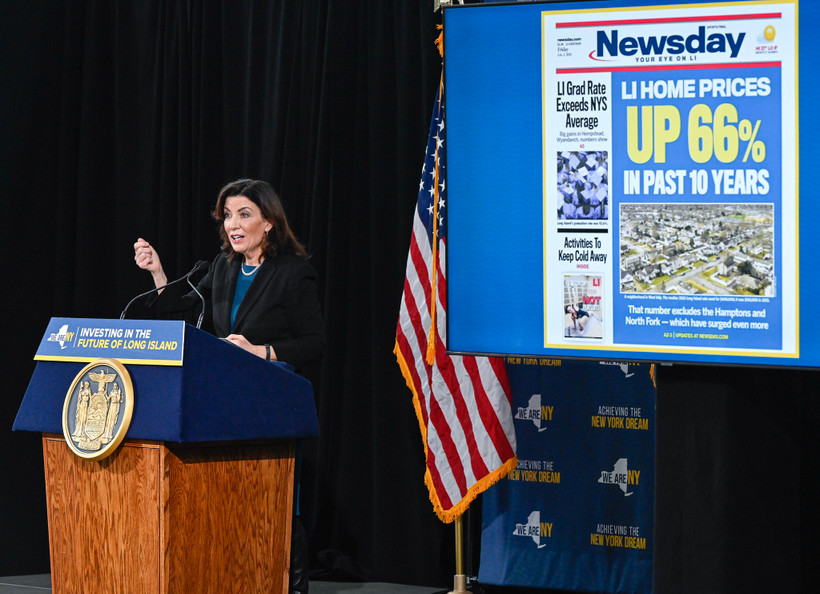
This bill, focused on [mention the bill’s focus, e.g., incentivizing affordable housing development], is poised to significantly alter the landscape of New York State’s housing market. Understanding its potential impacts on future development projects, the construction industry, housing inventory, and regional economies is crucial for informed discussion and strategic planning. The bill’s effect will be felt across various segments of the real estate and development sectors, with consequences that ripple throughout the state.
Influence on Future Housing Development Projects
The bill’s provisions regarding [mention specific provisions, e.g., zoning regulations, tax incentives, or funding mechanisms] are expected to encourage or discourage certain types of housing projects. For example, if the bill increases funding for affordable housing, developers may prioritize projects catering to lower-income residents. Conversely, changes to zoning regulations might restrict high-density developments, leading to a different project mix.
The overall effect will likely depend on the specifics of the bill and its implementation.
Impact on the Construction Industry and Related Professions
The bill’s effect on the construction industry will be multifaceted. If it leads to an increase in development, demand for construction workers, architects, engineers, and other related professionals will likely rise. Conversely, if the bill results in fewer projects, there could be a reduction in employment opportunities in these sectors. The construction industry is a vital part of the state’s economy, and any significant shifts in development patterns will have corresponding effects on employment and economic growth.
New York State’s housing developer bill is a hot topic right now, focusing on affordable housing solutions. While debates rage on about its specifics, it’s interesting to consider how this relates to broader societal issues, such as the ongoing discussion surrounding President Biden’s age and memory, particularly as discussed by neuroscientists. A recent piece from neuroscientist on biden age memory offers some intriguing insights.
Ultimately, the debate over the housing bill boils down to balancing the needs of the community with practical solutions.
Potential Impact on the State’s Housing Inventory
The bill’s impact on the state’s housing inventory will depend on the types of projects it incentivizes. If the bill encourages the development of more affordable housing units, the state’s overall housing inventory will likely increase. This increase may be particularly important in areas experiencing a shortage of affordable housing. Conversely, if the bill leads to the construction of luxury developments, the overall housing inventory might not change significantly, or it might actually decrease if it shifts demand away from more affordable options.
The long-term impact will depend on the details of the bill and the response of the development community.
The new York state housing developer bill is definitely a hot topic right now, and it’s got me thinking about the complexities of affordable housing. It’s fascinating to consider how this bill will affect the market, especially given the recent controversy surrounding the actions of some developers. Plus, it got me thinking about ann maddox vanderpump rules and how sometimes, the public eye shines on even the smallest details.
Ultimately, the new York state housing developer bill is a big deal, and it’s important to follow the details as they unfold.
Potential Implications for Local Economies of Different Regions
The bill’s impact on local economies will vary significantly by region. Areas with a high concentration of affordable housing projects might experience increased economic activity due to job creation and increased population density. Conversely, regions where luxury developments are incentivized might experience less of a direct impact on local employment, but could experience significant increases in property values.
The specifics of the bill, combined with the existing economic conditions of different regions, will dictate the outcome.
Table: Potential Scenarios of Future Development
| Scenario | Impact on Development | Impact on Housing Affordability |
|---|---|---|
| Increased Funding for Affordable Housing | Increased development of affordable housing projects, potentially leading to more diverse housing options. | Potential improvement in housing affordability for lower-income residents. |
| Stricter Zoning Regulations for High-Density Projects | Reduced development of high-density projects, potentially leading to a slower rate of housing supply growth. | Potentially less impact on affordability if the regulation targets non-affordable projects, potentially increasing costs for certain types of housing. |
| Incentivized Development of Luxury Apartments | Increased development of luxury housing options, potentially increasing property values. | Potentially minimal impact on affordability for lower-income residents. May lead to a widening gap between affordability levels in different types of housing. |
Alternatives and Considerations

Navigating the complexities of housing development requires a multifaceted approach. Simply passing a bill isn’t enough; it’s crucial to consider alternative solutions, potential modifications, and the overall effectiveness of existing regulations. Analyzing potential unintended consequences and creating a robust framework for future development are vital to ensuring a positive outcome for all stakeholders.The following sections explore potential alternative approaches, modifications to the bill, and a comparison of existing policies.
This analysis aims to provide a comprehensive understanding of the potential impacts and facilitate a more nuanced discussion.
Potential Alternative Approaches
Various alternative approaches can complement or even replace certain aspects of the proposed bill. These alternatives can address specific housing needs while minimizing potential negative consequences. Exploring a range of options allows for a more comprehensive and potentially more effective solution.
The new York state housing developer bill is facing some serious scrutiny. Recent events, like the tragic shooting at the Super Bowl in Kansas City, highlighting the urgent need for better community safety measures , have raised important questions about the bill’s impact on affordable housing initiatives and its potential role in addressing underlying social issues. Ultimately, the bill’s success hinges on its ability to effectively address these concerns and promote equitable housing opportunities.
- Incentivizing Private Investment: Instead of direct government funding, offering tax breaks or subsidies to private developers could encourage them to construct affordable housing units. This approach could stimulate market demand and foster competition, potentially leading to lower construction costs. Successful examples of similar initiatives exist in other states and could serve as valuable models for implementation.
- Community Land Trusts: These trusts can acquire land and develop housing, ensuring that the units remain affordable for a specified period. This approach promotes community ownership and prevents speculation, potentially safeguarding long-term affordability. Existing community land trusts have demonstrated success in creating stable, affordable housing options in numerous communities.
- Expanding Existing Housing Programs: Enhancing and expanding existing programs, such as Section 8 vouchers, can make housing more accessible for low-income individuals and families. This method requires careful consideration of program eligibility and administration, ensuring effective and fair distribution of resources.
Modifications to Mitigate Negative Consequences
Potential modifications to the bill can help mitigate unintended consequences and ensure its long-term viability.
- Phased Implementation: Implementing the bill in phases allows for a more gradual integration into existing systems. This approach provides a smoother transition and reduces the immediate burden on specific sectors, potentially preventing abrupt changes that disrupt the market or lead to shortages. This approach also allows for ongoing monitoring and adjustments as the bill is implemented.
- Community Engagement: Incorporating community input through public hearings and forums can help tailor the bill to local needs and preferences. This process ensures that the proposed changes resonate with the communities they affect, preventing alienation and promoting acceptance.
- Flexibility in Zoning Regulations: Allowing for greater flexibility in zoning regulations can encourage developers to build more housing units in areas with high demand. This modification can balance the needs of communities with the need for more housing options, potentially alleviating housing shortages. This is particularly relevant in areas with stringent zoning codes that might limit the construction of affordable housing.
Effectiveness of Existing Regulations and Policies
Current regulations and policies regarding housing development have their strengths and weaknesses. Analyzing their effectiveness is crucial for determining whether the proposed bill can improve or build upon existing solutions.
- Limitations of Current Regulations: Existing zoning regulations often hinder the construction of affordable housing units, especially in desirable locations. This creates a gap in the market and can exacerbate affordability issues. Examining the limitations of current regulations is essential to identifying areas where the proposed bill can improve existing policies.
- Successes of Current Programs: Existing housing assistance programs, such as Section 8, have demonstrated some success in providing temporary relief for low-income families. However, these programs often face limitations in terms of funding and eligibility, which necessitates a thorough assessment of the successes and limitations to identify potential improvements.
Potential Unintended Consequences
Potential unintended consequences of the bill need careful consideration. The proposed legislation should be evaluated for potential impacts on existing housing markets and communities.
- Increased Housing Costs: While the bill aims to increase housing supply, it could potentially lead to increased costs in the short term if the demand for housing exceeds the supply. A careful assessment of potential market responses and strategies to manage the impact of supply changes are essential.
- Displacement of Existing Residents: In areas where new construction is concentrated, there’s a risk of displacement of existing residents. Careful planning, compensation, and relocation support can mitigate this risk. Developing mechanisms for equitable distribution of housing benefits is crucial.
Possible Alternative Approaches Table
| Alternative Approach | Benefits | Drawbacks |
|---|---|---|
| Incentivizing Private Investment | Stimulates market activity, potentially lowers costs, encourages competition | May not address the most urgent needs, relies on market forces, potential for unequal distribution |
| Community Land Trusts | Ensures long-term affordability, promotes community ownership, fosters community building | Can be slower to implement, requires community buy-in, may face bureaucratic hurdles |
| Expanding Existing Programs | Builds upon existing infrastructure, can be implemented quickly, potentially more cost-effective | May face funding constraints, potential for bureaucratic inefficiencies, may not address root causes of housing crisis |
Current Public Discussion and Debate
The New York State housing developer bill is sparking considerable public discussion and debate, with diverse perspectives emerging from various stakeholders. This section examines the key arguments, players, and overall sentiment surrounding the proposed legislation. The intensity of this debate underscores the significant impact the bill is expected to have on the state’s housing market and future development.Public discourse surrounding the bill is characterized by a range of viewpoints, from enthusiastic support to staunch opposition.
The discussion encompasses concerns about affordability, environmental impact, community character, and the potential economic consequences of the bill’s provisions. Understanding these varying perspectives is crucial to evaluating the bill’s potential success and impact.
Key Arguments Presented in Public Forums
The public debate on the housing developer bill revolves around several key arguments. These arguments often intersect, highlighting the complexity of the issue.
- Affordability Concerns: Opponents frequently express concerns about the bill’s potential to exacerbate housing affordability issues. They argue that the bill’s provisions might lead to higher housing costs, potentially pricing out lower-income families. For example, a recent article in the “Local News” detailed anecdotes of rising rental costs in areas where similar developments have been approved. This suggests a potential for the bill to further contribute to the ongoing affordability crisis.
- Environmental Impact: Concerns about the environmental impact of new developments are prominent. Proponents of the bill emphasize sustainable design and construction practices, but critics point to potential negative impacts on ecosystems and natural resources. For instance, a recent report by the state environmental agency highlighted concerns regarding potential habitat loss and increased pollution in the targeted development zones.
- Community Character: The preservation of community character is another significant point of contention. Some residents worry about the bill’s impact on existing neighborhoods, including concerns about potential changes to the neighborhood’s aesthetic and social fabric. Neighborhood associations frequently organize meetings and submit petitions to voice their concerns.
- Economic Implications: Economic impacts are also a key factor in the debate. Supporters highlight the potential for job creation and economic growth resulting from new construction and development. However, opponents raise concerns about potential tax burdens on residents and the strain on existing infrastructure.
Key Players and Their Positions
The debate encompasses a diverse range of stakeholders, each with their own perspectives and interests. These stakeholders include local residents, community organizations, developers, government agencies, and environmental groups.
- Local Residents: Residents often express concern about the potential impacts of the bill on their neighborhoods, focusing on affordability and community character. Neighborhood associations are often at the forefront of this opposition, organizing meetings and voicing their concerns.
- Developers: Developers, on the other hand, generally support the bill, seeing it as a potential opportunity to increase development and profits. They highlight the potential for job creation and economic benefits.
- Government Agencies: Government agencies, such as the Department of Housing and Urban Development, play a critical role in shaping the debate and often have a supporting role, emphasizing the bill’s potential to address the state’s housing crisis. However, different agencies may hold different perspectives based on their specific responsibilities and priorities.
Overall Tone and Sentiment
The overall tone of the public discussion is mixed, with both support and opposition. The debate is often characterized by passionate arguments and a significant level of community engagement, especially from residents. While concerns about potential negative consequences are prominent, there is also a recognition of the need for more housing options. The debate reflects the complex interplay of interests and concerns that frequently arise in discussions of urban development.
Final Wrap-Up
In conclusion, the New York State housing developer bill presents a complex set of opportunities and challenges. While proponents argue it’s a necessary step towards addressing critical housing needs, concerns remain about potential negative impacts on various stakeholders. A careful consideration of the bill’s potential implications, coupled with ongoing public discussion, will be vital for shaping a successful and equitable outcome.
FAQ Compilation: New York State Housing Developer Bill
What are the key provisions of the bill?
The bill Artikels specific changes to zoning regulations, potentially increasing density in certain areas, and details new funding mechanisms to incentivize affordable housing development.
How might this bill impact property values?
The bill’s impact on property values is uncertain and will likely vary depending on the specific location and type of property. Increased density could lead to increased competition in some areas, while the focus on affordable housing could boost values in others.
What are the concerns about potential unintended consequences?
Concerns exist about potential negative impacts on existing neighborhoods, potential displacement of residents, and the financial strain on developers. The bill’s long-term implications are still being debated.
How can I stay informed about the public discussion surrounding this bill?
Stay tuned to local news outlets, community forums, and online discussions for updates on the public debate. Tracking the bill’s progress through the legislative process is also crucial for staying informed.