
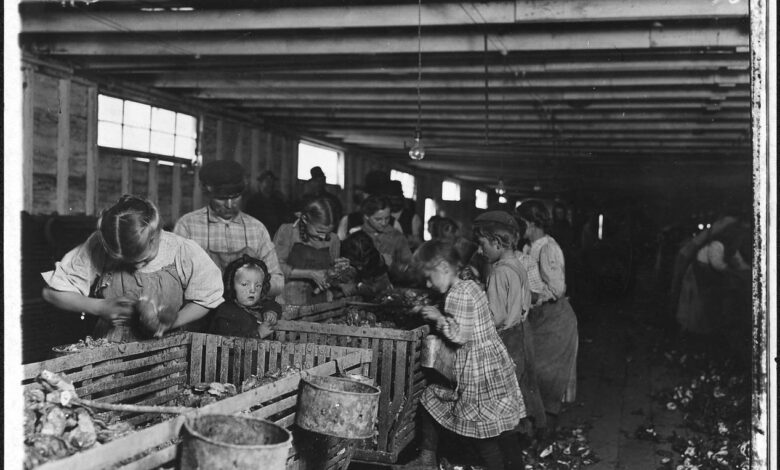
Child Labor US Companies A Deep Dive
Child labor US companies is a complex issue with a long history. From the factories of the past to modern global supply chains, the use of child labor by US companies raises serious ethical questions and has profound impacts on children and society. This blog post will explore the historical context, current state, and global implications of child labor within the operations of US companies.
We’ll examine the legal frameworks, loopholes, and enforcement efforts surrounding child labor in the US. Furthermore, we’ll investigate the role of global supply chains in potentially facilitating child labor practices and analyze the ethical considerations and potential negative consequences of this issue.
Historical Context of Child Labor in the US
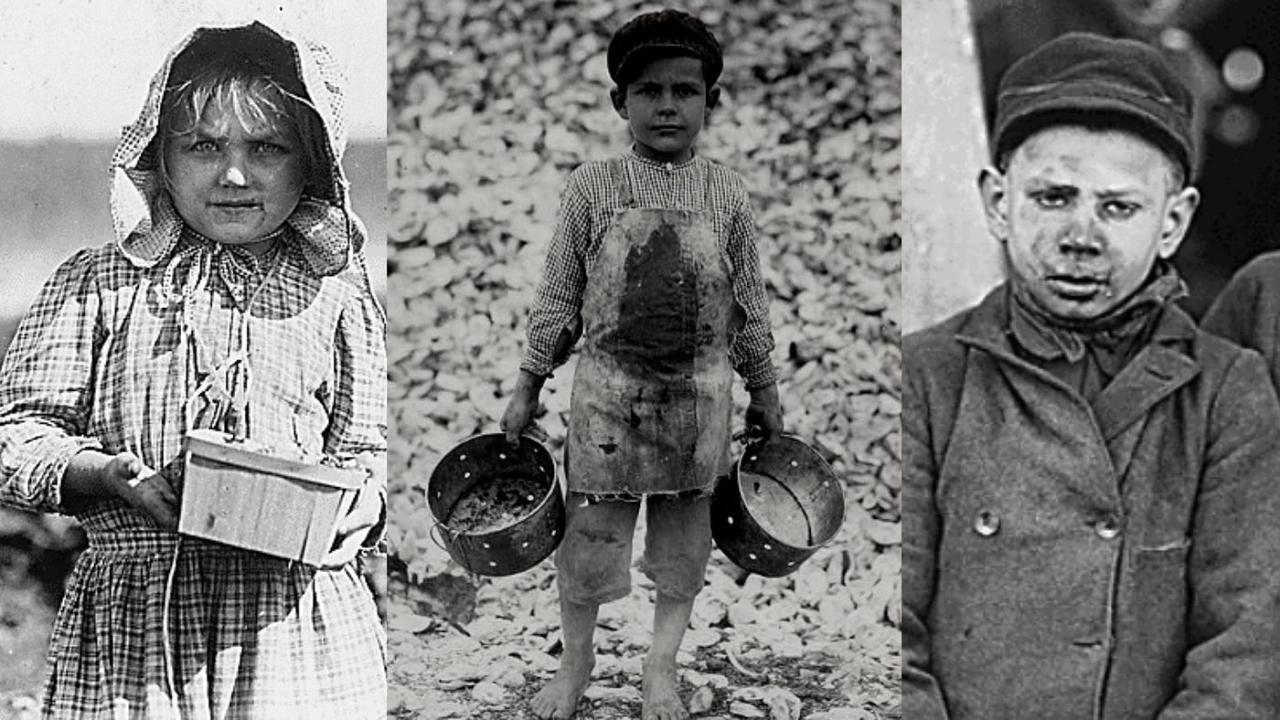
The history of child labor in the United States is a complex and often painful narrative, reflecting changing societal values and economic pressures. From the agrarian era to the industrial revolution and beyond, children’s labor was deeply intertwined with the nation’s development, but also often at the expense of their well-being and education. Understanding this history is crucial to appreciating the progress made and the challenges that remain in ensuring children’s rights.The pervasive nature of child labor throughout American history stemmed from the economic necessities of families and the lack of robust governmental intervention.
As industries expanded, children’s contributions became more critical to family income, particularly during periods of economic hardship. The prevailing societal norms of the time often overlooked the detrimental effects on children’s health, education, and future prospects.
Early Forms of Child Labor
Children’s work in the United States predates industrialization. During the agrarian period, children often worked alongside their families on farms and in households. This labor was often part of the daily routine and not necessarily viewed as exploitative. However, as the nation transitioned to an industrial economy, the nature of child labor changed significantly. The rise of factories and mines created new opportunities for child employment, often in hazardous conditions.
Key Legislation and Enforcement Efforts
The recognition of child labor as a societal problem led to the development of child labor laws. Early efforts focused on regulating the hours and conditions of work for children. The Fair Labor Standards Act of 1938 is a landmark piece of legislation that significantly impacted child labor. It established minimum wage and maximum hour standards for both adults and children, and it restricted the employment of children under 16 in hazardous occupations.
It’s a bummer that some US companies still seem to be skirting the issue of child labor. While I’m really impressed with the creativity showcased at Willy Chavarria’s New York Fashion Week collection, it’s a stark contrast to the ethical concerns surrounding certain industries. Hopefully, more companies will follow suit and prioritize fair labor practices in the future.
Evolution of Societal Attitudes
Societal attitudes towards child labor evolved gradually, driven by a combination of factors. The rise of labor movements and the growing awareness of the importance of education played crucial roles. Public outcry against the abuses associated with child labor, coupled with the advocacy of reformers, helped to push for legislative changes. The increasing availability of educational opportunities and the need for a skilled workforce also contributed to a shift in perspective.
Industries Historically Associated with Child Labor
Various industries historically relied on child labor. Textile mills, coal mines, and agriculture were particularly prominent. Children were often employed in these industries because of their smaller size and perceived lower wages, allowing employers to exploit them. The prevalence of child labor in these sectors differed across different eras and regions, influenced by factors like local economic conditions and the availability of alternative employment.
It’s frustrating to see how some US companies still use child labor, especially when you consider the current trends. The popularity of the Acne Studios scarf on TikTok, acne studios scarf tiktok , highlights the global interconnectedness of consumerism and its impact. Ultimately, we need to hold these companies accountable and push for ethical labor practices, no matter how trendy the accessories might be.
Prevalence of Child Labor Across Eras and Regions
The prevalence of child labor varied considerably across different eras and regions within the United States. The industrial North often saw higher rates of child labor compared to the agricultural South. The early 20th century witnessed a surge in child labor laws, leading to a gradual decrease in its prevalence. However, even after these laws were enacted, pockets of child labor persisted, particularly in rural areas and industries with lax enforcement.
Summary of Key Historical Milestones in Child Labor Legislation
| Year | Law | Impact |
|---|---|---|
| 1916 | Keating-Owen Act | Prohibited the interstate shipment of goods produced by child labor; declared unconstitutional by the Supreme Court. |
| 1938 | Fair Labor Standards Act | Established minimum wage, maximum hours, and restrictions on child labor; significantly reduced child labor. |
| 1970s | Amendments to Fair Labor Standards Act | Further refined restrictions on child labor in hazardous occupations. |
Current State of Child Labor in the US
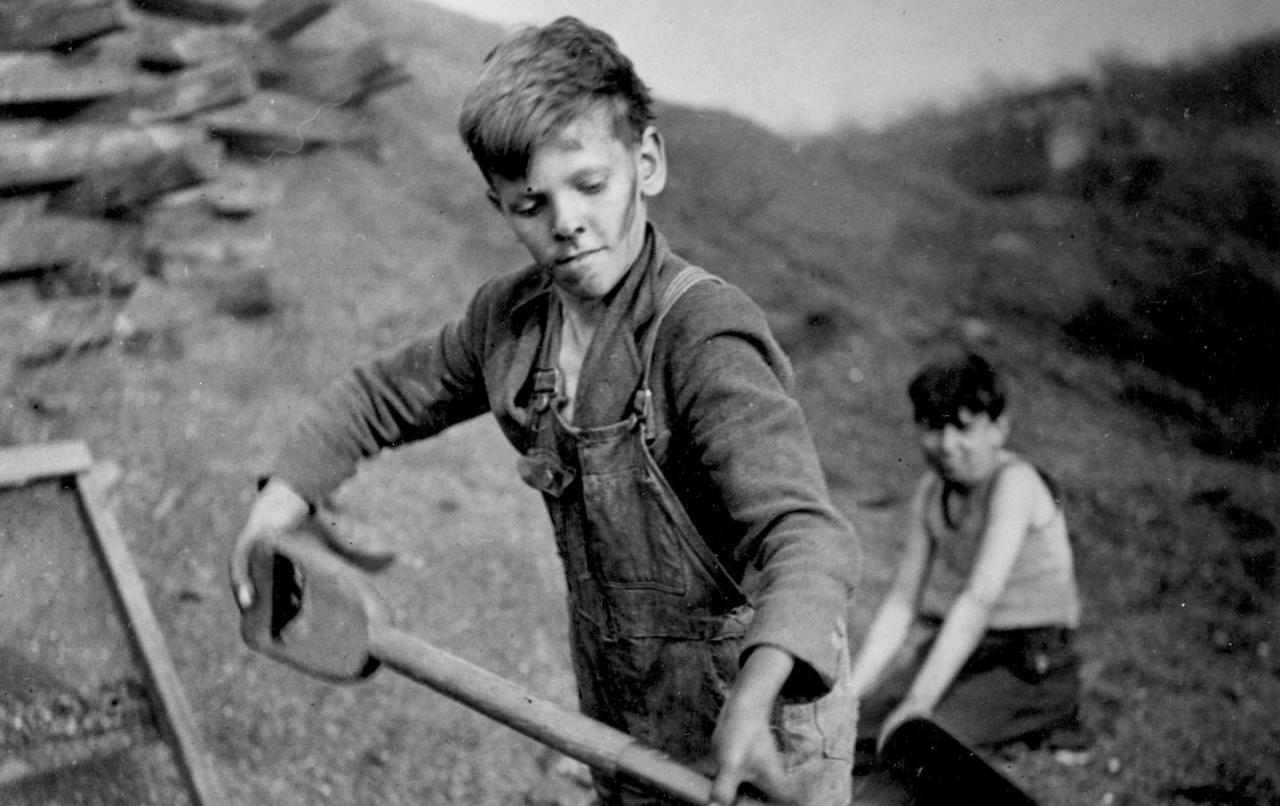
The legal landscape surrounding child labor in the US, while aiming to protect vulnerable youth, has experienced both progress and persistent challenges. Despite significant advancements in the early to mid-20th century, modern realities and evolving industries necessitate a continuous evaluation of existing regulations to ensure effective enforcement and prevent exploitation. This evaluation necessitates understanding both the strengths and weaknesses of the current legal framework.The current legal framework in the US, largely established through the Fair Labor Standards Act (FLSA), defines specific age restrictions and limits on working hours for minors.
This framework is designed to balance the need for economic participation with the imperative to safeguard children’s well-being and education. However, certain sectors and employment situations may present complexities that require ongoing scrutiny.
Legal Framework and Age Restrictions
The Fair Labor Standards Act (FLSA) establishes a comprehensive framework for regulating child labor. It sets minimum age requirements for various types of work and restricts the hours minors can work, particularly during school hours. The FLSA also differentiates between hazardous occupations and those considered less risky, with stricter regulations in place for the former. These regulations are crucial for ensuring the safety and well-being of working children.
The issue of child labor in US companies is a serious one, and while it’s often hidden, it’s crucial to understand the complex web of factors contributing to it. Thinking globally, the plight of renters in Williamsburg, Brooklyn, and Kiev, Ukraine, highlights the ripple effects of economic instability on vulnerable populations, as seen in renters williamsburg brooklyn kiev ukraine.
Ultimately, addressing these global issues requires a multifaceted approach to ensure fair labor practices for all, and prevent child labor in US companies.
Loopholes and Weaknesses in Regulations
Despite the FLSA’s comprehensive nature, certain loopholes and weaknesses persist. The definition of “hazardous occupations” can be subject to interpretation, potentially leaving some minors exposed to risks. Additionally, the enforcement mechanisms, particularly in smaller businesses or industries with dispersed workforces, may be insufficient to address violations effectively. Furthermore, the flexibility granted to some industries concerning overtime hours for minors can lead to potential exploitation.
Prevalence of Child Labor in Various Sectors
Child labor persists in various sectors, although its prevalence is often masked by the complexity of modern labor practices. Agriculture, despite its historical ties to child labor, continues to be a concern. The seasonal nature of agricultural work can make it challenging to monitor compliance with labor laws. Similarly, in some sectors, the use of temporary or contract workers can obscure the true employment status of children, creating a gray area for enforcement.
Government Agencies in Monitoring and Enforcement
The Department of Labor (DOL), particularly the Wage and Hour Division, plays a critical role in monitoring and enforcing child labor laws. They conduct inspections, investigate complaints, and collaborate with state agencies to ensure compliance. The DOL’s efforts are often crucial in identifying and addressing potential violations, although their resources may be stretched thin, leading to an uneven enforcement across various industries.
Age Restrictions and Work Hour Limitations
| Category of Work | Minimum Age | Maximum Hours Per Week | Maximum Hours Per Day |
|---|---|---|---|
| Agriculture (non-hazardous) | 12 | 40 | 8 |
| Agriculture (hazardous) | 16 | 40 | 8 |
| Manufacturing (non-hazardous) | 16 | 40 | 8 |
| Manufacturing (hazardous) | 18 | 40 | 8 |
| Other occupations (non-hazardous) | 14 | 18 | 8 |
| Other occupations (hazardous) | 18 | 40 | 8 |
Note: These are general guidelines. Specific regulations may vary based on state laws or industry-specific standards.
Child Labor and US Companies
The shadow of child labor often extends beyond national borders, impacting global supply chains where US companies play a significant role. Scrutiny of these companies’ practices regarding child labor has intensified, raising crucial ethical questions and highlighting the need for robust accountability. This section delves into specific cases, ethical considerations, and strategies to mitigate this pervasive issue.Companies operating in various sectors, from apparel to electronics, face potential liabilities when their supply chains involve child labor.
The ethical imperative to uphold human rights and prevent exploitation is paramount. The potential consequences extend beyond reputational damage, encompassing legal repercussions and the erosion of consumer trust.
Major US Companies Facing Scrutiny
Several US companies have been embroiled in controversies or allegations related to child labor in their supply chains. These cases often involve factories in developing countries where labor laws may be less stringent, creating a complex ethical landscape for companies sourcing products. Examples include companies involved in the production of clothing, electronics, and other consumer goods.
Ethical Considerations in Global Supply Chains
The use of child labor in global supply chains raises significant ethical concerns. Exploiting children for labor deprives them of their childhood and education, often leading to long-term physical and psychological harm. The ethical responsibility of US companies extends beyond their own operations to encompass the entire supply chain, requiring diligent monitoring and proactive measures to ensure humane working conditions.
Strategies to Mitigate Child Labor Risk
Companies can implement various strategies to mitigate the risk of child labor in their operations. These strategies involve due diligence throughout the supply chain, including thorough audits, supplier vetting, and robust monitoring mechanisms. Transparency and clear communication with stakeholders about the company’s commitment to ethical labor practices are essential.
Comparative Analysis of Company Responses
Different US companies exhibit varying approaches to addressing child labor concerns. Some companies have developed comprehensive ethical codes and audit procedures, while others have been criticized for insufficient efforts. Assessing the effectiveness of different strategies is critical to understanding the best practices in mitigating child labor.
| Company | Statement | Actions | Outcome |
|---|---|---|---|
| Company A | “We are committed to ethical sourcing and have zero tolerance for child labor.” | Implemented extensive supplier audits and conducted training sessions for suppliers. | Reduced but not eliminated reports of child labor in their supply chain. Some critics argue that more robust measures are required. |
| Company B | “We have a strong ethical code that includes a dedicated child labor compliance team.” | Developed a comprehensive supply chain monitoring system. | Received positive feedback for their proactive approach, but ongoing monitoring is necessary to maintain compliance. |
| Company C | “We are aware of the issue and are working to improve our practices.” | Limited measures, primarily reactive to allegations. | Received criticism for insufficient action and lack of transparency in addressing concerns. |
Global Supply Chains and Child Labor
Unraveling the complex web of global supply chains reveals a potential vulnerability to exploitative labor practices, including child labor. Companies sourcing goods from across the globe often face challenges in ensuring ethical labor standards are maintained throughout their intricate supply chains. This necessitates a proactive approach to risk assessment and mitigation.The global nature of supply chains can create a significant distance between the point of production and the final consumer.
It’s disturbing to think about child labor in US companies, especially given the modern world. While exploring the past of filmmaker Keith McNally, Balthazar, I found some fascinating insights into the evolution of film. This, in turn, makes me think about the social and economic pressures that might have led to child labor in US companies in the past.
Learning about Keith McNally Balthazar’s filmmaking past offers a different lens through which to examine these historical and present-day challenges. Hopefully, we’ve learned enough from history to prevent a similar pattern of exploitation in the future.
This distance, coupled with the complexity of interconnected suppliers, can make it challenging to monitor labor conditions and ensure compliance with regulations. This opacity often masks potential abuses, including child labor, making it imperative for companies to adopt robust strategies to combat this issue.
The Role of Global Supply Chains in Facilitating Child Labor
Global supply chains, while fostering economic growth, can inadvertently create avenues for child labor. The interconnected nature of these chains, with numerous suppliers and subcontractors, can obscure the true source of products, making it difficult to trace the origin of materials and ensure ethical labor practices. Companies may not always be aware of the conditions under which their products are manufactured.
This lack of transparency can leave vulnerable children susceptible to exploitation in distant factories or farms.
Challenges of Enforcing Child Labor Laws in International Supply Chains
Enforcing child labor laws in international supply chains presents significant challenges. Different countries have varying labor laws and enforcement mechanisms. Some countries may have lax regulations or limited capacity to effectively monitor labor conditions. The sheer scale and complexity of global supply chains, with multiple tiers of suppliers, make it extremely difficult to ensure compliance. Companies may also encounter resistance from suppliers who are reluctant to comply with international labor standards.
Strategies for Ensuring Ethical Labor Practices
Companies can implement several strategies to promote ethical labor practices throughout their global supply chains. A robust due diligence process is crucial, involving thorough investigations into the labor conditions of suppliers and subcontractors. This includes conducting audits and inspections to verify compliance with labor laws. Establishing clear ethical sourcing policies and procedures, backed by rigorous monitoring and evaluation, is also essential.
Furthermore, fostering transparency and communication with suppliers is key to addressing concerns and encouraging improvements in labor practices.
Transparency and Traceability in Supply Chains
Transparency and traceability in supply chains are vital in preventing child labor. Detailed records of the entire production process, from raw material sourcing to final product delivery, provide visibility into the supply chain’s various stages. This allows for a thorough examination of labor conditions at each step, enabling the identification and mitigation of potential risks. Implementing technology to track products and materials can help improve traceability and accountability throughout the chain.
Potential Indicators of Child Labor in a Global Supply Chain, Child labor us companies
| Red Flags | Mitigating Strategies |
|---|---|
| Low wages, especially for young workers | Implement fair wage structures and conduct regular wage audits. |
| Excessive working hours, especially for those under legal working age. | Implement strict working hour regulations and conduct regular inspections. |
| Inadequate safety measures in the workplace. | Establish and enforce safety standards throughout the supply chain and conduct regular safety audits. |
| Presence of children in hazardous or dangerous work environments. | Conduct regular inspections to identify and address hazardous working conditions. |
| Lack of worker identification documents or documentation of legal working age. | Request and verify proper documentation from all workers. |
Impact of Child Labor on Children and Society
The pervasive issue of child labor casts a long shadow over the lives of children and their communities. It robs them of their childhood, hindering their physical, mental, and emotional development. The consequences ripple through families and societies, creating a cycle of poverty and disadvantage that is difficult to break. Understanding the multifaceted impact of child labor is crucial to developing effective interventions and creating a future where all children can thrive.The exploitation of children through labor deprives them of the opportunity to learn, play, and grow, leading to a range of negative consequences.
These impacts extend beyond the immediate victim, affecting families and communities by hindering their economic and social development. Addressing this issue requires a comprehensive approach that considers the interconnectedness of these factors.
Physical Impacts of Child Labor
Child labor often exposes children to hazardous working conditions, leading to physical injuries and long-term health problems. These conditions can range from repetitive strain injuries to exposure to harmful chemicals and materials. The physical strain can lead to stunted growth, malnutrition, and an increased susceptibility to illnesses. For example, children working in mines face the risk of cave-ins, explosions, and exposure to toxic substances, while those in agriculture may suffer from injuries due to heavy machinery or pesticide exposure.
While child labor in US companies is a serious issue, it’s worth noting that companies like Costar Group are using their Super Bowl ads to project a positive image. Their recent campaign, seen in costar group super bowl ads , highlights their commitment to a variety of causes, including sustainability. This kind of public image-building, however, doesn’t address the root causes of potential child labor issues within their supply chains, which still need to be examined by US companies.
Psychological Impacts of Child Labor
The psychological toll of child labor is equally devastating. Working long hours in harsh conditions can lead to stress, anxiety, depression, and trauma. The isolation and lack of social interaction can further exacerbate these issues. Children may experience feelings of powerlessness, shame, and guilt. They are often deprived of their education and social development, impacting their future prospects and perpetuating a cycle of poverty.
Educational Impacts of Child Labor
Child labor directly interferes with a child’s education. Missing school to work can lead to significant learning gaps and limit future opportunities. Children may not have the resources to continue their education even if they are allowed to attend school, due to economic constraints or other factors. This lack of education hinders their ability to secure better jobs and contribute to society.
Economic Implications on Families and Communities
Child labor can have severe economic consequences for families and communities. While some families might see a short-term gain from having a child’s income, the long-term effects are often detrimental. The lost potential of the child to pursue education and gain valuable skills translates into lower productivity and economic stagnation for the community. The cycle of poverty can become entrenched, with children from impoverished backgrounds more likely to be forced into child labor.
Social Consequences on Children and Their Future Prospects
Child labor can have significant social consequences on children’s development and future prospects. It can lead to social isolation, limited social interaction, and a lack of opportunities to develop social skills. This can negatively impact their ability to form healthy relationships, build self-esteem, and contribute meaningfully to society. Children who are forced to work may be more likely to experience mental health issues and struggle with forming positive relationships as adults.
Examples of Successful Initiatives
Numerous organizations and governments have implemented successful initiatives to combat child labor. These include providing free education, creating awareness campaigns, establishing legal frameworks to protect children, and providing alternative livelihoods for families. International organizations such as UNICEF and ILO have played a crucial role in supporting these efforts. For example, some countries have implemented programs that provide vocational training for children, enabling them to develop valuable skills and secure employment.
“I used to work in a factory, and it was terrible. I missed school and didn’t have time to play. I was tired all the time, and I felt very alone.”
Former child laborer
Case Studies and Examples of Child Labor Violations
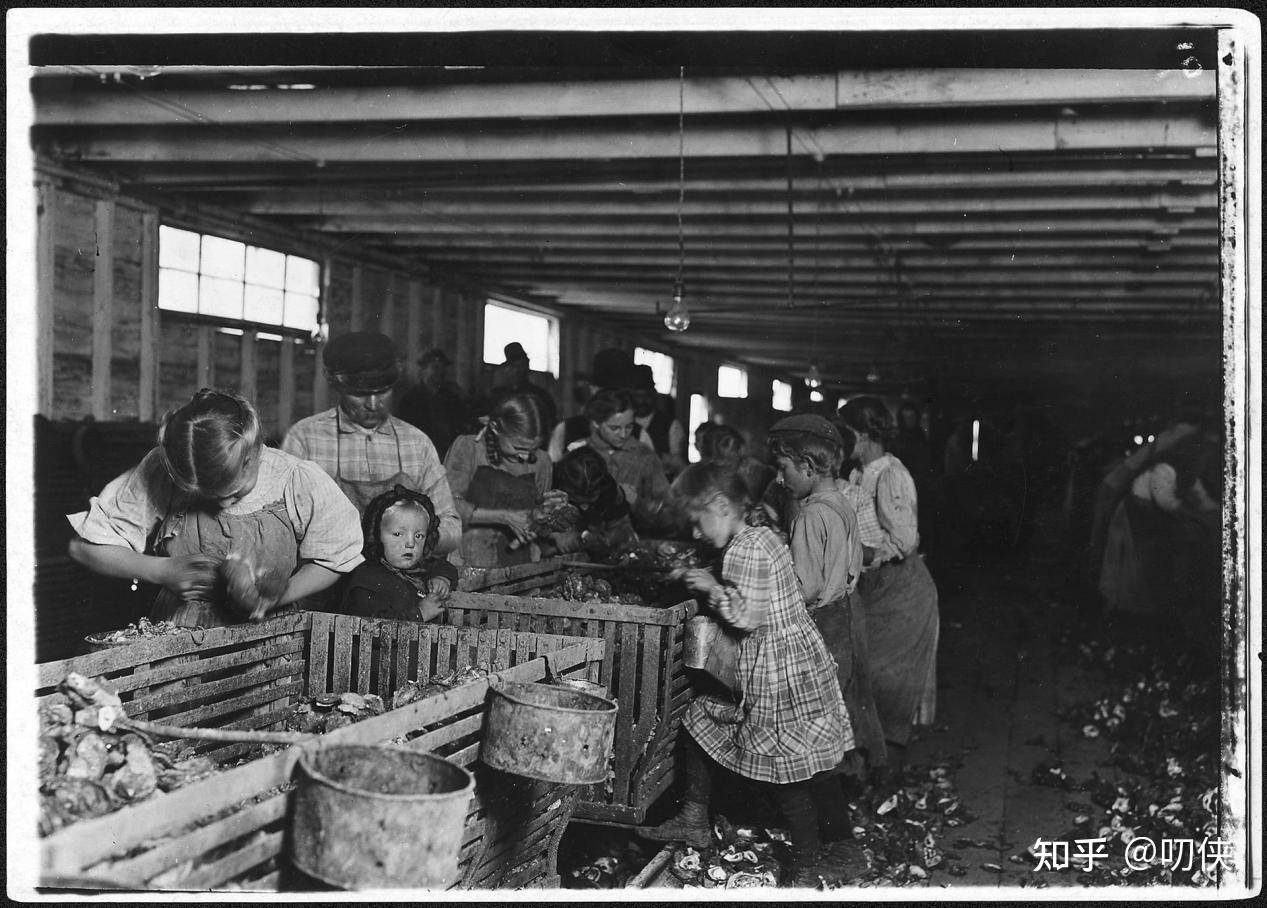
Uncovering instances of child labor violations within complex global supply chains is a crucial step toward combating this pervasive issue. These cases, often involving intricate webs of production, transportation, and distribution, highlight the difficulties in pinpointing responsibility and enforcing accountability. Understanding the specific circumstances, investigative processes, and outcomes of past cases provides valuable insights into the challenges and potential solutions for preventing future violations.The intricate nature of global supply chains often obscures the true extent of child labor exploitation.
Tracing the origin of products, particularly those produced in developing countries, can be exceptionally difficult. This complexity makes it challenging to identify and hold accountable companies involved in sourcing materials or manufacturing products where child labor might be occurring.
Specific Cases Involving US Companies
Several instances have surfaced, highlighting allegations of child labor violations within the supply chains of US companies. These cases underscore the need for enhanced vigilance and transparency throughout the global supply chain. Companies, while not always directly involved in the illegal practices, can be held accountable if they fail to implement adequate due diligence measures.
Investigative Processes and Outcomes
Investigations into alleged child labor violations often involve a multi-faceted approach. Organizations, such as labor rights groups and governmental agencies, frequently collaborate to gather evidence, interview witnesses, and document working conditions. The outcomes of these investigations can vary widely, ranging from public apologies and policy changes within companies to legal action and sanctions. The efficacy of these responses depends significantly on the nature of the violation, the cooperation of the involved parties, and the resources available to the investigating authorities.
Role of Advocacy Groups and NGOs
Advocacy groups and non-governmental organizations (NGOs) play a critical role in bringing attention to child labor issues. Their independent investigations, reports, and advocacy efforts often serve as catalysts for change within companies and governments. These groups often provide crucial resources and expertise, exposing hidden practices and pushing for improved labor standards. Their actions, though sometimes met with resistance, can significantly impact the willingness of companies to address child labor issues within their supply chains.
Challenges in Gathering Evidence and Proving Violations
Gathering evidence and proving child labor violations in complex supply chains presents significant challenges. These challenges often include difficulties in accessing remote locations, securing cooperation from local stakeholders, and verifying information across multiple tiers of suppliers. The use of anonymous reporting mechanisms and the protection of vulnerable workers are also crucial for gathering reliable data. Maintaining the confidentiality of individuals who report child labor violations is essential to encourage future reporting and to protect those who have been affected.
Summary of Case Studies
| Company | Allegations | Investigation | Outcome |
|---|---|---|---|
| Company A | Use of underage workers in textile factories in Bangladesh | Independent investigation by NGOs, media reports, and worker testimonies. | Company A issued a statement acknowledging the issues and committed to implementing improved supply chain monitoring. |
| Company B | Allegations of forced labor and hazardous conditions in a mining operation in South America. | Government agencies and labor rights organizations conducted inspections and investigations. | Company B faced criticism and reputational damage. Legal action was taken against the company. |
| Company C | Underage workers in electronics manufacturing in Southeast Asia. | Investigations by NGOs, uncovering evidence of systematic child labor practices. | Company C implemented new supply chain auditing procedures and introduced programs for child labor awareness. |
Corporate Social Responsibility and Child Labor
Corporate social responsibility (CSR) initiatives play a crucial role in mitigating child labor risks within global supply chains. These initiatives represent a company’s commitment to ethical labor practices, encompassing a wide range of actions from improving working conditions to promoting fair wages and safe environments. By integrating these principles into their operations, companies can actively contribute to a more equitable and sustainable global economy.CSR initiatives can be effective tools in addressing child labor concerns by focusing on transparency and accountability throughout the supply chain.
Companies can implement programs to identify and prevent child labor, provide education and training for workers, and promote safe working conditions. These efforts not only protect vulnerable children but also build trust with consumers and stakeholders.
CSR Initiatives for Addressing Child Labor
CSR initiatives aimed at addressing child labor often encompass a multifaceted approach. These programs should not be viewed as isolated events but rather as ongoing commitments to ethical labor practices. They should be integrated into the core business strategy, extending beyond compliance to proactively identify and mitigate risks.
Examples of CSR Programs
Numerous US companies have implemented CSR programs to promote ethical labor practices. One notable example is Patagonia, known for its commitment to environmental sustainability and fair labor practices. Their programs often include supplier audits, training initiatives, and fair wage policies. Other companies, such as Nike, have also developed robust supply chain monitoring systems, working closely with suppliers to ensure adherence to ethical labor standards.
These programs often involve regular audits and inspections to identify and address potential violations. This demonstrates a shift from reactive to proactive approaches, prioritizing worker safety and ethical labor standards.
Importance of Transparency and Accountability
Transparency and accountability are fundamental to effective CSR initiatives related to child labor. Companies must be open about their supply chain processes, allowing for independent audits and verification of their efforts. Clear communication with stakeholders, including consumers and investors, builds trust and demonstrates a commitment to ethical conduct. Openly sharing data on labor conditions and audits fosters accountability and encourages continuous improvement.
Measuring the Effectiveness of CSR Programs
Measuring the effectiveness of CSR programs is crucial for demonstrating impact and driving continuous improvement. Metrics should encompass various aspects of labor practices, including worker safety, working hours, and wages. Key performance indicators (KPIs) should be regularly monitored and evaluated to assess the effectiveness of interventions and identify areas for improvement. Qualitative feedback from workers and suppliers can provide invaluable insights into the lived experiences and the impact of these programs.
This data-driven approach ensures that CSR programs are truly making a difference.
Table of CSR Initiatives
| Company | Scope of Initiative | Methodology | Impact |
|---|---|---|---|
| Patagonia | Supplier audits, fair wage policies, worker training | Regular audits, transparent reporting, partnerships with NGOs | Improved working conditions, reduced instances of child labor in supply chain |
| Nike | Supply chain monitoring, ethical sourcing | Supplier assessments, independent audits, partnerships with labor organizations | Increased transparency in supply chain, improved worker safety |
| (Insert Third Example Company) | Fair labor practices throughout the supply chain | Continuous improvement initiatives, collaboration with NGOs, independent verification | Reduction in instances of child labor, increased worker empowerment |
Ultimate Conclusion
In conclusion, the issue of child labor US companies demands careful consideration. While legal frameworks and corporate social responsibility initiatives exist, loopholes and complexities in global supply chains persist. Ultimately, holding companies accountable and fostering ethical labor practices across the board is crucial for the well-being of children and the future of our society. This blog post has provided a glimpse into the multifaceted nature of this important topic, highlighting the need for ongoing vigilance and action.
FAQ Resource: Child Labor Us Companies
What are some common loopholes in US child labor laws?
Some loopholes exist in the current regulations, particularly concerning the definition of “hazardous work” and the enforcement of age restrictions in specific industries. This can leave vulnerable children at risk in certain sectors.
How can companies mitigate the risk of child labor in their operations?
Companies can implement robust due diligence processes throughout their supply chains, invest in transparent and traceable systems, and establish clear ethical guidelines. Additionally, they should foster partnerships with NGOs and local communities to address child labor concerns proactively.
What is the role of advocacy groups in addressing child labor issues?
Advocacy groups play a vital role in bringing attention to child labor violations, often conducting investigations, gathering evidence, and pressuring companies to adopt ethical practices. They can also raise public awareness and mobilize support for legislative changes.