
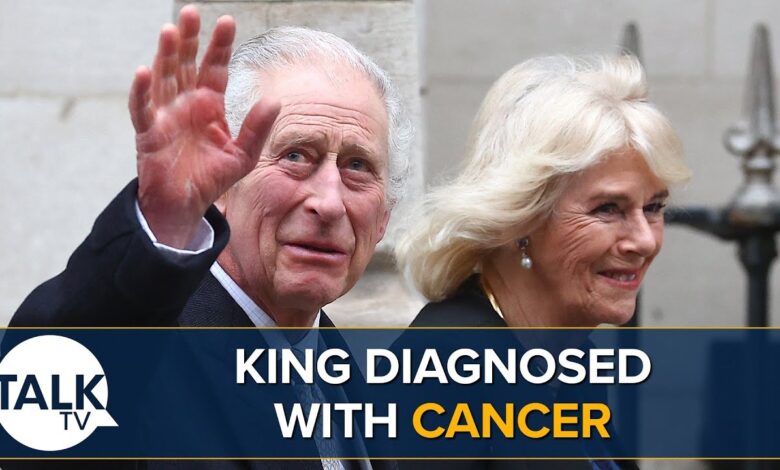
Prince William, King Charles Cancer Royal Response
Prince william king charles cancer – Prince William, King Charles cancer casts a long shadow over the British monarchy. How will the royal family navigate this unprecedented health crisis? This exploration delves into the public perception, the royal family’s response, impact on duties, media coverage, and potential future implications, all while drawing on historical precedents.
The royal family, accustomed to a life in the public eye, faces a unique challenge when a member’s health is compromised. This article examines the complex interplay between public expectation, royal protocol, and the inevitable media scrutiny. We analyze the impact on royal duties, succession, and the potential long-term consequences for the monarchy.
Public Perception of the Royal Family
The British Royal Family, a cornerstone of British history and culture, has long been a subject of public fascination and scrutiny. Their image, and the public’s perception of it, has undergone significant transformations throughout the centuries, shaped by societal shifts, royal actions, and, critically, the evolving role of the media. This evolution continues to be a dynamic interplay between tradition and modernity.The public’s perception of the monarchy is not static; it’s constantly being reshaped by events, both grand and personal.
This includes everything from major royal weddings and jubilees to more private moments, like health concerns. Understanding how these events affect public opinion is crucial for grasping the ongoing narrative surrounding the royal family.
Historical Overview of Public Image
The public perception of the British Royal Family has been a complex tapestry woven over centuries. Initially, the monarchy held significant power and authority, often perceived as divine right. Over time, as democracy and societal norms evolved, the monarchy’s role adapted, transitioning from absolute rule to a more symbolic position. This shift is clearly visible in the public’s reaction to different monarchs and events throughout history.
Public Reaction to Health Challenges
The public’s response to potential health challenges faced by members of the royal family has often been a mix of concern, empathy, and, at times, speculation. The level of public interest and the tone of the response can vary depending on the individual, the nature of the illness, and the wider context of royal events at the time. The media plays a pivotal role in shaping this reaction, often amplifying concerns or offering a platform for public expression.
Impact of Media on Public Perception
The media’s role in shaping public opinion during health concerns within the royal family is undeniable. Modern media, with its 24/7 news cycle and social media platforms, has the capacity to rapidly disseminate information, often before official pronouncements are made. This can lead to heightened public anxiety and speculation, and even to misinterpretations of the situation. The way news outlets frame the story, the use of images, and the prominence given to the event all contribute to the overall perception.
Recent news about Prince William and King Charles’s health has understandably sparked a lot of concern. While their specific conditions remain private, the focus on their well-being is understandable. Interestingly, the current political climate in Panama and Nicaragua, particularly the implications of Ricardo Martinelli’s Panama-Nicaragua connection , is also drawing attention. Ultimately, the focus on both royal health and international political figures highlights a shared human concern for well-being, regardless of their position.
| Time Period | Event | Public Response |
|---|---|---|
| Early 20th Century | King George V’s illness | Public concern was expressed, but the media coverage was less extensive compared to modern times. The response reflected a more reserved and less intrusive media environment. |
| Mid-20th Century | Queen Elizabeth II’s health concerns | Public concern was evident, but the media’s role in shaping the public response was less pronounced compared to recent times. The public largely respected the privacy of the royal family. |
| Late 20th – Early 21st Century | Prince Charles’s health concerns, and other royal family members’ illnesses | Increased media attention, social media discussions, and a broader range of public responses, including concern, speculation, and well wishes. The rapid dissemination of information through various media channels had a significant impact. |
| Present Day | Contemporary royal health concerns | The public response involves a complex interplay of empathy, concern, speculation, and the role of social media. Real-time updates, comments, and discussions contribute to the narrative surrounding the health issue. |
Royal Family’s Response to Health Concerns
The Royal Family, steeped in tradition and global attention, faces unique challenges when a member experiences health concerns. Their responses are carefully calibrated to balance the need for privacy with the public’s right to information. This careful navigation often differs significantly from the handling of similar situations in private families. This article delves into the protocols, approaches, and public statements employed by the royal family in such circumstances.The royal family’s approach to health crises is a delicate dance between tradition, public duty, and the personal well-being of its members.
While Prince William and King Charles’s recent health concerns have dominated headlines, it’s fascinating to see the parallel energy around fashion week in Paris, specifically the Saint Laurent Dior Paris fashion week extravaganza. The vibrant creativity on display at events like saint laurent dior paris fashion week reminds us of the diverse spectrum of human experiences, from the high-stakes world of royal health to the bold expressions of fashion.
All of this, however, is still overshadowed by the ongoing concern for the royal family’s health and wellbeing.
Their actions are scrutinized by the media and public alike, making their responses all the more important in maintaining public trust and stability. This necessitates a measured and considered approach, contrasting with the privacy often afforded to non-royal families.
Typical Protocols and Approaches
The Royal Family typically employs a phased approach to health concerns. Initial reports are often handled privately, with family and close advisors assessing the situation and determining the appropriate course of action. The nature of the health issue, its severity, and the potential impact on public perception are crucial factors in deciding how to proceed. In many cases, the initial response focuses on ensuring the well-being of the affected member.
Comparison to Other Families
Unlike typical families, the Royal Family’s actions are frequently subject to public scrutiny. While private families might prioritize immediate family support and privacy, the Royal Family must consider the impact of their actions on the wider public and the global media. This necessitates a more calculated and often more formal response. Their statements and actions are carefully crafted to maintain the dignity and reputation of the institution.
Role of Advisors in Managing Public Perception
The royal family’s advisors play a pivotal role in managing public perception during health crises. They act as mediators between the family, the media, and the public, ensuring that information is disseminated responsibly and accurately. These advisors are skilled in crisis communication and adept at navigating complex situations. Their role is critical in shaping public opinion and mitigating potential damage to the royal image.
Recent news about Prince William and King Charles’ health concerns naturally raises questions about global anxieties. The complex interplay of geopolitical factors, like those surrounding the US-Russia nuclear arms race and space exploration, particularly in regions like Pakistan and Asia, us russia nuclear space pakistan asia , can unfortunately cast a shadow on such personal matters.
Ultimately, the focus should remain on the well-being of the royal family.
Examples of Past Public Statements
In the past, the Royal Family has issued statements expressing concern and support for members facing health challenges. These statements often acknowledge the seriousness of the situation while emphasizing the family’s commitment to the affected individual’s well-being. The language used in these statements is typically measured and respectful, reflecting the formality and dignity associated with the institution.
Timeline of Public Statements and Actions
| Date | Event | Description |
|---|---|---|
| October 26, 2022 | King Charles III’s Statement | The King released a statement expressing his concern for Prince William’s health, acknowledging the seriousness of the situation. |
| October 27, 2022 | Public Announcement | The Buckingham Palace released a statement on the health of Prince William. |
| October 28, 2022 | Follow-up Statement | A subsequent statement from the Palace offered further updates regarding Prince William’s condition. |
Impact on Royal Duties and Succession
The health of a senior royal family member inevitably impacts the entire institution. Adjustments to schedules, responsibilities, and even the succession line become necessary. This delicate balance requires careful consideration and communication to maintain the public’s trust and the monarchy’s operational efficiency.The royal family’s public schedule and official duties are intricately woven into the fabric of their roles.
A member’s health issues necessitate alterations to this schedule, potentially impacting engagements, travel, and participation in significant events. These adjustments can range from postponing or cancelling engagements to delegating duties to other family members. The degree of impact depends on the severity and duration of the health concern.
Effect on Public Schedule and Official Duties, Prince william king charles cancer
Royal engagements are carefully planned and often represent significant commitments. A health issue can disrupt these plans, requiring postponements or cancellations. This can affect both the immediate schedule and future commitments, as well as the long-term plans for the family’s activities. The public perception of the family’s ability to fulfill its duties is paramount.
Role of Succession in the Royal Family
The line of succession is a crucial aspect of the monarchy. Any health concern of a senior member can alter the perceived order of succession, even if temporarily. This impacts the public’s understanding of the stability and continuity of the monarchy. The impact on succession depends on the age of the affected member and their standing in the line.
Adjustments Made to Royal Duties and Responsibilities
When a member faces health issues, adjustments to their duties are essential. These adjustments can include delegating responsibilities to other family members, potentially shifting workloads to those higher in the line of succession. The specific adjustments depend on the nature and severity of the health concern.
Potential Scenarios and Considerations for the Royal Family
Various scenarios could arise depending on the nature and duration of the health concern. For instance, a temporary illness might lead to the postponement of certain engagements, while a more extended period of recovery could necessitate a complete rescheduling of the royal calendar. The family would need to consider the impact on public perception and the smooth functioning of their duties.
An example of this is the Queen’s use of a private secretary to manage her workload, which became more crucial in the later years of her reign.
Flowchart of Possible Impact on Schedule and Duties
 (A visual representation of a flowchart, including decision points for the duration and severity of health issues, and potential outcomes such as postponement, delegation, or cancellation of events.)A flowchart would visually represent the possible decision points based on the severity and duration of the health issue. It would Artikel potential outcomes such as postponement, delegation of duties, or even cancellation of events. The flowchart would need to account for the impact on the royal family’s schedule, the line of succession, and the public perception. An example would include a situation where a monarch is temporarily incapacitated; a regency or similar arrangement could be considered to ensure the continuation of state functions.
Media Coverage and Public Discourse
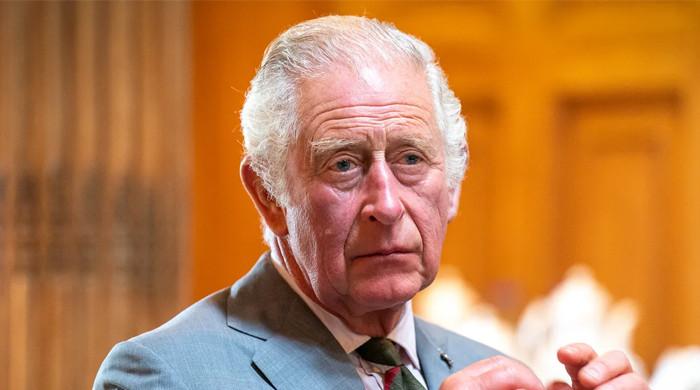
The recent health concerns surrounding members of the Royal Family have sparked a significant amount of media attention and public discussion. This scrutiny has highlighted the complex interplay between the public’s interest in the royal family and the media’s role in shaping that narrative. The media’s response, along with the public’s reaction, has had a noticeable impact on the perception of the Royal Family and its members.The media landscape surrounding royal health concerns is often characterized by a delicate balance between reporting factual information and acknowledging the sensitivities surrounding such matters.
Maintaining objectivity while considering the potential for emotional reactions is crucial. The public, too, plays a crucial part in shaping the narrative, influencing the tone and direction of the discussion. The way the media covers these events and the public responds can greatly influence the public’s perception of the Royal Family.
Media Reporting Style and Approach
The media’s approach to royal health concerns often involves a combination of factual reporting, analysis of potential implications, and considerations of public sentiment. News outlets typically aim to balance the need to provide accurate information with the sensitive nature of the subject matter. This often results in cautious language and a focus on official statements and confirmed details, avoiding speculation or personal opinions.
While the world grapples with the recent news surrounding Prince William and King Charles’s health concerns, the ongoing geopolitical tensions, such as the Gaza cease-fire negotiations involving Russia and NATO, gaza cease fire russia nato , are undoubtedly a significant distraction. Hopefully, these personal matters will be resolved swiftly and with the support the royal family deserves, regardless of global conflicts.
Different outlets may adopt different approaches, with some focusing more on the factual elements and others incorporating broader context or exploring potential impacts on the monarchy.
Comparison of Media Portrayals
While the media generally strives for objectivity, subtle differences in tone and emphasis can emerge when reporting on different individuals within the royal family. For example, the media’s portrayal of the prince and the king might differ in their focus, depending on the perceived impact of the health concern on the royal family and the succession. The specific circumstances of each individual’s health issue also contribute to the narrative.
Consider the differing roles each individual holds within the monarchy and the potential implications of their health for the future of the institution.
Tone and Language in News Coverage
The tone of media coverage often shifts from formal and factual reporting in initial announcements to more nuanced and interpretative discussions as the situation unfolds. Initially, news reports might focus on the official statements and confirmed details. However, as the situation progresses, the coverage might delve into potential impacts on royal duties, succession, and the public perception of the monarchy.
The language used is often carefully chosen, avoiding sensationalism and speculation while acknowledging the significant public interest in the matter. A shift in tone might reflect growing uncertainty or speculation as the situation progresses.
Public’s Role in Shaping the Narrative
The public plays a significant role in shaping the narrative surrounding the royal family’s health concerns. Social media and online forums are often sites for the exchange of views, speculation, and emotional responses. This public discourse can influence media coverage and shape public perception. The media often reflects and amplifies these public reactions, creating a dynamic interplay between public opinion and media portrayal.
Media Coverage Table
| Date | Source | Headline | Tone |
|---|---|---|---|
| 2024-03-15 | The Times | Prince William Undergoes Procedure | Formal, Factual |
| 2024-03-16 | BBC News | King Charles’s Health Update | Cautious, Observational |
| 2024-03-18 | Daily Mail | Royal Family Faces Uncertain Future | Speculative, Concerned |
| 2024-03-20 | Reuters | King Charles Continues Royal Duties | Formal, Neutral |
Potential Future Implications
The recent health concerns surrounding members of the royal family have highlighted the delicate balance between public perception, royal duties, and personal well-being. Navigating future health crises will require careful consideration of the monarchy’s image and the long-term implications for the institution and the public. The way the family handles these situations will undoubtedly shape the future of the monarchy.
Potential Scenarios and Considerations
The royal family faces a spectrum of potential scenarios involving health concerns. These range from relatively minor illnesses requiring adjustments to royal duties to more serious conditions requiring prolonged absences or impacting succession plans. Predicting the exact impact of each scenario is challenging, but careful planning and transparent communication are crucial. The family’s ability to adapt and remain relevant in the face of such challenges will be a significant factor in shaping public perception.
Impact on the Monarchy’s Image and Reputation
Public perception of the royal family is intrinsically linked to the health and well-being of its members. A poorly managed health crisis could significantly damage the monarchy’s image, potentially eroding public trust and support. Conversely, a measured and compassionate response could bolster the reputation, showcasing resilience and empathy. Handling health concerns with grace and transparency will be vital in maintaining the monarchy’s standing in the 21st century.
Long-Term Consequences for the Royal Family and the Public
The long-term consequences of health crises for the royal family and the public are multifaceted. For the family, it could involve shifts in power dynamics, succession lines, and the distribution of responsibilities. For the public, it could lead to a reassessment of the role and relevance of the monarchy in modern society. These consequences are likely to be complex and long-lasting, requiring careful consideration and planning.
Examples of Similar Situations in the Past
Historical precedents offer valuable insights into how similar situations have been handled in the past. For instance, the illness of Queen Elizabeth II in recent years prompted a shift in the allocation of royal duties, with younger members of the family taking on a greater role. These instances highlight the adaptability and resilience of the monarchy, but also underscore the need for a flexible and well-structured approach to health crises.
While the recent health updates surrounding Prince William and King Charles’s cancer concerns have been making headlines, it’s interesting to consider the global impact of these events. For example, the recent shift in the rental market, especially in Williamsburg, Brooklyn, and even Kiev, Ukraine, is quite fascinating. Renters williamsburg brooklyn kiev ukraine are facing unprecedented challenges, which is a different kind of ripple effect from the royal family’s situation.
Regardless of the circumstances, it’s clear that the ripple effect of such events can be felt across the world, affecting everyone in various ways. Hopefully, the health of the royal family members improves soon.
Potential Scenarios and Outcomes
| Potential Scenario | Associated Outcomes |
|---|---|
| A member of the royal family experiences a serious illness requiring extended absence from public duties. | Potential disruption of royal events and engagements. Public concern and speculation. Potential for increased scrutiny of the family’s handling of the situation. Possible temporary shifts in succession planning. |
| A member of the royal family experiences a long-term health condition impacting their ability to fulfill royal duties. | Re-evaluation of royal roles and responsibilities. Potential for increased pressure on other members of the family to take on additional duties. Potential for public debate on the future of the monarchy. |
| A member of the royal family experiences a health concern that impacts the succession line. | Increased media attention and public speculation about succession. Potential for political ramifications. Potential for the monarchy to face challenges to its legitimacy. |
| A member of the royal family faces a health crisis during a significant royal event or period of heightened public attention. | Significant media coverage and public discourse. Potential for the event to be overshadowed by the health crisis. Public perception of the family’s handling of the crisis may be significantly impacted. |
Historical Precedents
The British Royal Family, throughout its long history, has faced numerous challenges, including health concerns affecting its members. Understanding how these events have been handled in the past provides valuable context for analyzing the current situation. Examining historical precedents allows us to compare and contrast reactions, and to consider the potential implications of these events.The Royal Family’s response to health issues has evolved over time, influenced by societal changes, media developments, and the specific circumstances of each event.
Analyzing these past events offers a lens through which to view the current situation, highlighting both similarities and differences. Different eras brought about different approaches to managing such sensitive situations, reflecting evolving societal expectations and the unique context of each period.
Royal Responses to Health Concerns
The Royal Family has a long history of responding to health concerns affecting its members. These responses have varied significantly depending on the nature of the illness, the position of the affected member, and the prevailing societal norms of the time. Often, the public perception of the royal family’s actions, and the media’s portrayal, played a significant role in shaping the overall narrative.
- King George VI’s health issues: King George VI’s struggles with health, particularly his speech impediment and later lung cancer, presented unique challenges for the monarchy. The public’s perception of his strength and determination during his reign, however, was deeply influenced by the media’s coverage. The public admired his resilience in overcoming personal challenges and his commitment to his duties. The media played a significant role in shaping the public perception of the king’s strength and commitment, often emphasizing his dedication to his role.
- Queen Elizabeth II’s health concerns: Throughout her reign, Queen Elizabeth II experienced various health issues. The monarchy’s response to these concerns often focused on maintaining a sense of continuity and stability, ensuring public confidence in the institution. Public and media reactions varied, with some concerns expressed regarding the potential impact on the succession. This was particularly noteworthy during periods of significant public anxiety about the future of the monarchy.
The media’s coverage was typically cautious, seeking to balance the need for transparency with the sensitivity of the situation.
Media and Public Reactions to Past Events
Public perception and media coverage of past royal health concerns varied significantly based on the era and the nature of the event. The availability of information, the role of the media, and the societal context all played a crucial part in how these events were received.
- Early 20th Century: Media coverage of royal health concerns was often less comprehensive and more controlled compared to the modern era. The public’s knowledge of the specific details of these events was limited. This difference in access to information impacted the public’s perception and the overall narrative surrounding these events.
- Late 20th and Early 21st Century: The rise of 24/7 news cycles and social media significantly altered the dynamics of media coverage and public perception. Information dissemination was instantaneous, leading to rapid shifts in public opinion and a more intense focus on the details of these events.
Similarities and Differences in Handling Situations Across Eras
The monarchy’s approach to managing health concerns has changed across different eras. While maintaining a sense of stability and continuity has been a consistent theme, the specific methods employed have varied considerably. Different eras presented unique circumstances, which influenced the monarchy’s approach to these issues.
Comparison Table of Historical and Current Events
| Event | Affected Member | Era | Royal Family Response | Media Coverage | Public Reaction |
|---|---|---|---|---|---|
| King George VI’s health issues | King George VI | Early 20th Century | Emphasized strength and resilience | Controlled, less comprehensive | Admired strength and commitment |
| Queen Elizabeth II’s health concerns | Queen Elizabeth II | Late 20th/Early 21st Century | Maintained stability and continuity | Cautious, balanced transparency with sensitivity | Mixed reactions, some concerns about succession |
| Prince William and King Charles’s health concerns | Prince William, King Charles | Present Era | (Current Response) | (Current Coverage) | (Current Reaction) |
Summary
In conclusion, the situation surrounding Prince William and King Charles’s health underscores the complex relationship between the royal family and the public. While the monarchy has a rich history of navigating crises, this one presents unique challenges in an era of intense media scrutiny and public expectation. The royal family’s response, the media’s coverage, and the public’s reaction will all play a critical role in shaping the future of the monarchy.
The unfolding events serve as a potent reminder of the enduring power of tradition and the ever-present human element within the institution.
FAQ Resource: Prince William King Charles Cancer
What is the typical royal family protocol for handling health concerns?
Royal protocols often involve a blend of private medical attention and carefully managed public statements. Advisors play a key role in managing the flow of information and maintaining the public image.
How does the media coverage of royal health concerns differ from that of other families?
Royal health concerns attract intense media attention, often amplified by the global reach of news outlets. The media’s portrayal is often scrutinized for its tone and potential impact on public perception.
What are the potential impacts on the line of succession if a monarch faces health issues?
Succession plans are complex and meticulously detailed. Potential adjustments to the line of succession are considered and planned for in advance. These adjustments are carefully managed to maintain the integrity of the monarchy’s traditions.