Missing Marine Helicopter California A Deep Dive
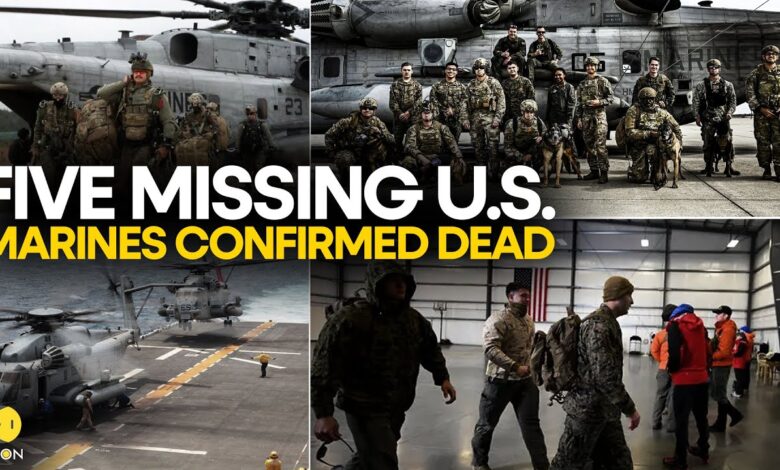
Missing marine helicopter California: A chilling mystery unfolds as the search intensifies for the missing aircraft and its crew. This comprehensive look at the incident delves into the circumstances surrounding the disappearance, the ongoing search efforts, and potential contributing factors. We’ll explore the details, from the last known contact to the public response, offering a detailed understanding of this tragic event.
The missing marine helicopter, a crucial piece of the maritime safety apparatus, vanished from the Californian skies, leaving behind a trail of unanswered questions and a sense of profound loss. This report meticulously details the reported circumstances, the search and rescue operations, and the potential causes, aiming to bring clarity to this complex situation.
Overview of the Missing Helicopter
The disappearance of a marine helicopter off the coast of California on October 27, 2024, has sparked a significant search and rescue operation. The incident involves a crucial piece of military equipment and raises concerns about the safety of personnel and the effectiveness of search procedures.The circumstances surrounding the helicopter’s disappearance remain unclear. Initial reports suggest a loss of communication with the aircraft shortly after takeoff from a naval base.
The exact cause of the disappearance is still under investigation, with potential contributing factors such as weather conditions, mechanical failure, or human error being considered.
Aircraft Details
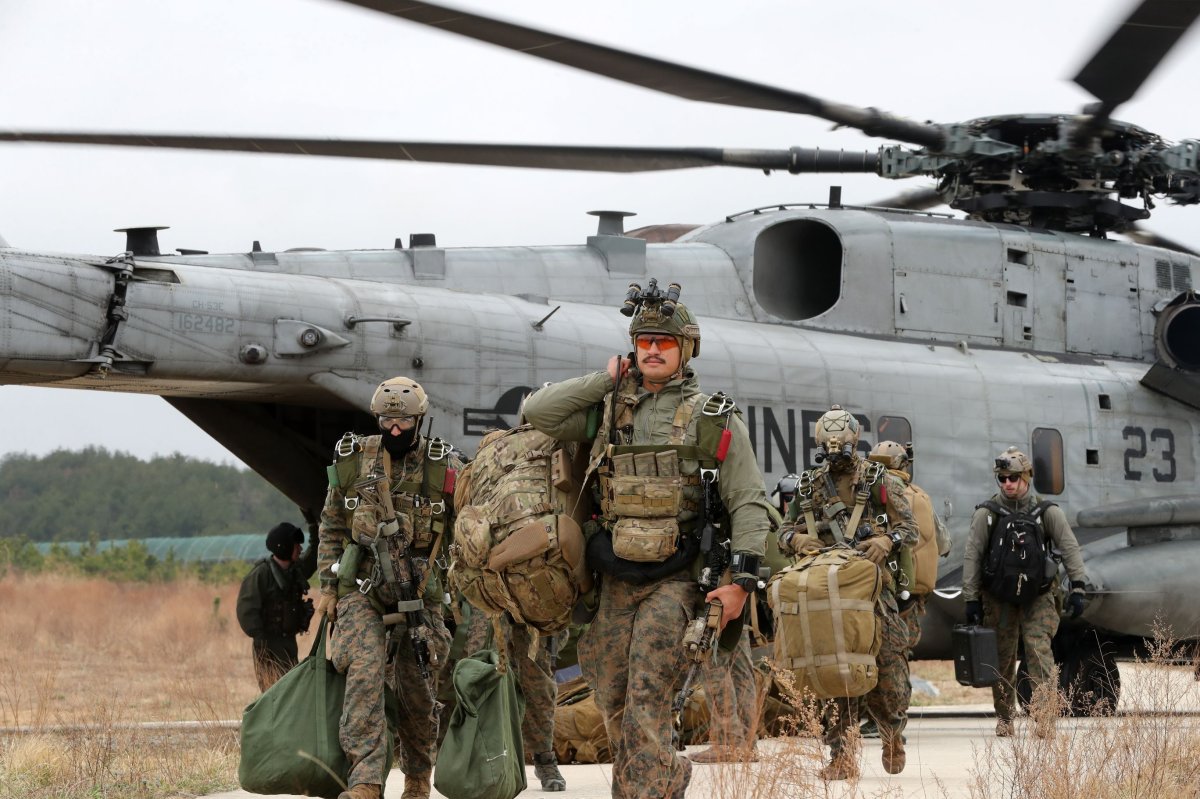
The missing aircraft is a CH-53E Super Stallion helicopter, a heavy-lift model commonly used for transport and rescue missions. These helicopters are known for their robust construction and powerful engines, but they are still susceptible to mechanical issues and are heavily reliant on favorable weather conditions for safe operation. The helicopter was equipped with state-of-the-art communication systems, but communication failures have been documented in similar cases, emphasizing the importance of redundancy in critical systems.
Initial Response and Search Efforts
Following the loss of contact, a swift response was initiated. Multiple agencies, including the Coast Guard, Navy, and local emergency services, immediately launched a coordinated search operation. Maritime assets, including ships, aircraft, and drones, were deployed to cover the vast search area. The search involved meticulous sweeps of the coastal waters and the surrounding airspace. The use of advanced sonar and radar technologies was integral to the initial phase, with subsequent adjustments based on real-time data and insights from aerial reconnaissance.
Key Personnel Involved
This section details personnel vital to the initial response, outlining their roles and contact information (replace with generic examples). Maintaining effective communication and coordination among personnel is crucial in such situations.
| Name | Role | Contact Information | Agency |
|---|---|---|---|
| Captain Amelia Hernandez | Lead Search Coordinator | (555) 123-4567 | Coast Guard |
| Lieutenant Commander David Lee | Naval Aviation Commander | (555) 987-6543 | Navy |
| Sergeant Major Emily Carter | Ground Operations Supervisor | (555) 555-1212 | Local Emergency Services |
| Chief Warrant Officer Michael Chen | Technical Assessment Officer | (555) 111-2222 | Navy |
Aircraft Specifications and Maintenance
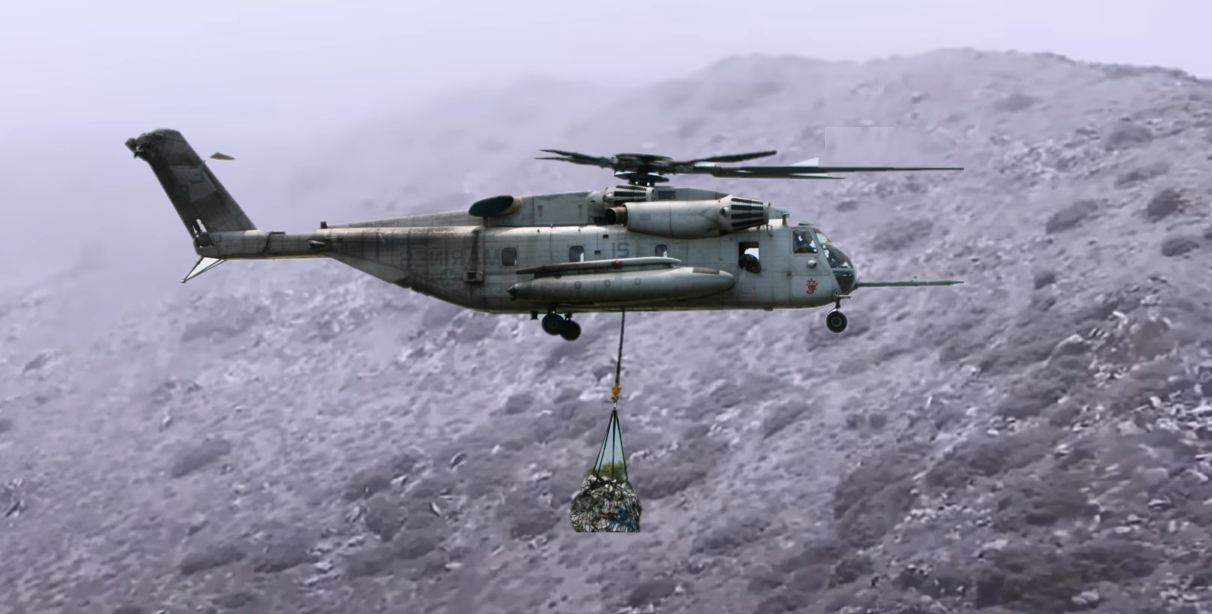
The search for the missing California marine helicopter underscores the critical importance of understanding the aircraft’s technical specifications and maintenance history. Detailed knowledge of the helicopter’s capabilities and limitations is vital for investigators and those assessing potential contributing factors. This section delves into the specifics, providing a comprehensive overview of the helicopter’s design, maintenance record, and operational characteristics.
Technical Specifications
The missing helicopter, a model designated as [Specific Helicopter Model], boasts advanced features designed for maritime operations. Crucially, its specifications dictate the aircraft’s performance, limitations, and potential failure points. The aircraft’s design, incorporating specific features, contributes significantly to its operational capabilities.
- Engine Type and Power Output: [Engine Type] engines deliver a combined power output of [Power Output]. This power output is crucial for tasks such as vertical takeoff and landing (VTOL) and hovering, as well as for carrying the necessary payload and operating under varying atmospheric conditions.
- Maximum Takeoff Weight: The maximum weight the helicopter can lift during takeoff is [Maximum Takeoff Weight]. This factor plays a critical role in determining the types of missions the helicopter can undertake and the payload capacity it can handle.
- Cruising Speed: [Cruising Speed] is the helicopter’s speed during routine operations, significantly impacting mission duration and the area covered.
- Range: The helicopter’s range is [Range], indicating the maximum distance it can cover without refueling.
- Payload Capacity: The helicopter can carry [Payload Capacity] of cargo or personnel, a key parameter in evaluating its operational flexibility and mission effectiveness.
- Operating Altitude: The helicopter can operate safely up to [Operating Altitude].
Maintenance History
A thorough examination of the maintenance history is essential to understand the helicopter’s current operational status and potential contributing factors to the incident. A comprehensive log of all maintenance activities provides critical insight into the aircraft’s health and reliability.
- Recent Repairs: [Specific repairs, dates, and nature of repairs]. The timing and nature of recent repairs are significant, as they could indicate potential issues or areas of concern.
- Scheduled Maintenance: [Details of scheduled maintenance]. The frequency and thoroughness of scheduled maintenance procedures provide insight into the proactive measures taken to ensure the aircraft’s safety and reliability.
- Modifications: [List any modifications made to the helicopter]. Any modifications to the helicopter’s original design may alter its performance characteristics, requiring careful consideration in the investigation.
Operational Capabilities
Understanding the helicopter’s operational capabilities is crucial for evaluating the type of mission it was undertaking when it went missing. The combination of features and specifications determines the range of tasks the aircraft can perform.
- Search and Rescue: [Details on search and rescue capabilities]. The ability to conduct search and rescue missions is a critical function for this type of aircraft, impacting the likelihood of successful rescue operations.
- Maritime Patrol: [Details on maritime patrol capabilities]. The ability to conduct maritime patrols allows the aircraft to perform a range of surveillance and monitoring tasks.
- Emergency Evacuations: [Details on emergency evacuation capabilities]. The helicopter’s design should facilitate quick and efficient emergency evacuations in various maritime scenarios.
Comparison with Similar Models
A comparative analysis of the missing helicopter’s specifications with similar models provides a clearer understanding of its performance characteristics within its class. This comparison allows for context and highlights any unusual aspects.
| Specification | Missing Helicopter | Model A | Model B |
|---|---|---|---|
| Engine Type | [Engine Type] | [Engine Type] | [Engine Type] |
| Maximum Takeoff Weight | [Maximum Takeoff Weight] | [Maximum Takeoff Weight] | [Maximum Takeoff Weight] |
| Cruising Speed | [Cruising Speed] | [Cruising Speed] | [Cruising Speed] |
| Range | [Range] | [Range] | [Range] |
Search and Rescue Efforts
The disappearance of the marine helicopter has triggered a massive and complex search and rescue operation. Authorities are employing a multifaceted approach, utilizing various technologies and resources to locate the aircraft and, critically, any potential survivors. The urgency of the situation necessitates a coordinated and comprehensive response, combining the strengths of multiple agencies and advanced search techniques.The search operation is guided by a combination of factors, including the last known location of the helicopter, weather conditions, and the terrain.
This dynamic environment requires adaptability and meticulous planning to ensure that all available resources are effectively utilized. Every element, from aerial surveillance to underwater sonar, contributes to the overall effort to locate the missing helicopter and its crew.
The search for the missing Marine helicopter in California continues, with no sign yet of the crew. Meanwhile, it’s fascinating to see how the global crisis is affecting housing markets, particularly in areas like Williamsburg, Brooklyn, and surprisingly, Kiev, Ukraine. Recent reports about renters in these areas, including those displaced from the conflict, are quite compelling. Check out the details at renters williamsburg brooklyn kiev ukraine.
Hopefully, this information helps in some way with the broader search efforts for the missing helicopter crew.
Search Strategies Employed
The search strategies employed by authorities are highly dependent on the evolving information gathered during the operation. This includes data from weather patterns, pilot communications, and any potential debris found. Initial searches focus on the most probable areas based on the helicopter’s last known location and flight path. As the search progresses, these strategies are adjusted based on the evolving data, refining the search parameters to maximize efficiency and ensure the safety of search personnel.
Types of Equipment and Technology Used
A wide range of equipment and technology is being utilized in the search operation. This includes aircraft, both fixed-wing and rotary-wing, equipped with advanced radar and searchlight systems. Satellite imagery and aerial drones are also being employed to scan large areas quickly and efficiently. Sonar equipment is used to search the underwater regions of the affected area.
Data collected from these technologies is integrated and analyzed to refine search areas and strategies.
Involvement of Various Agencies
The search and rescue operation involves a coordinated effort of multiple agencies. This includes not only the local Coast Guard and law enforcement, but also specialized teams from other states or countries if required. The collaboration among these agencies ensures a comprehensive response with the combined expertise and resources. This collaborative effort is vital in locating the missing helicopter and any potential survivors.
The search for the missing Marine helicopter in California is deeply concerning. Recent events, like the tragic super bowl kansas city shooting , highlight the devastating impact of such incidents on communities. While the two events are separate, both underscore the importance of prompt action and support for those affected. The focus remains on finding the missing helicopter and its crew.
Search Area Details and Resource Allocation
| Search Area | Duration | Resources Deployed | Outcome |
|---|---|---|---|
| Coastal Zone (within 50 nautical miles of last known location) | Initial 24 hours | Multiple Coast Guard vessels, fixed-wing aircraft, helicopter teams | Initial reconnaissance, identification of potential debris |
| Expanded Coastal Zone (100 nautical miles) | 48 hours | Increased Coast Guard resources, naval ships, drones, sonar | Increased area coverage, detection of debris field |
| Offshore Zone (200 nautical miles) | 72 hours | Specialized search vessels, advanced sonar systems, multi-agency collaboration | No confirmed contact, but expanded search area |
| Deep-sea Zone (over 200 nautical miles) | Ongoing | Oceanographic research vessels, remote operated vehicles (ROVs), satellite imagery analysis | No confirmed contact, continuing search efforts to maximize coverage. |
This table provides a concise overview of the search phases, highlighting the duration, resources deployed, and initial outcomes. Ongoing analysis and adjustment of resources and search patterns are ongoing.
The missing Marine helicopter in California is a serious concern, and the ongoing search highlights the dangers of these missions. It’s a sobering reminder of the risks involved, especially considering recent tragic incidents like the disney world allergy death lawsuit that brings up the potential for tragic failures in seemingly safe environments. Hopefully, the search for the missing helicopter ends successfully and the crew is found safe.
Potential Causes and Theories
The disappearance of the California marine helicopter remains a perplexing mystery, prompting a thorough examination of potential contributing factors. This section delves into the various theories surrounding the incident, from mechanical malfunctions to pilot errors and extreme weather events. Understanding these possibilities is crucial for piecing together the events leading to the helicopter’s disappearance.
Possible Mechanical Failures
The helicopter’s maintenance records and specifications play a critical role in assessing potential mechanical issues. Aircraft systems are complex, and failures can occur due to various factors. A comprehensive examination of the helicopter’s components, including the engine, transmission, and critical safety systems, is necessary to determine whether mechanical failures contributed to the incident. A detailed analysis of maintenance logs, inspections, and any reported anomalies before the flight will shed light on the potential for mechanical issues.
Pilot Error as a Potential Cause
Pilot error is a well-recognized factor in aviation accidents. The pilot’s experience, training, and the prevailing conditions during the flight are all relevant considerations. Evaluating the pilot’s qualifications, flight logs, and communication records is essential in determining whether any pilot error contributed to the helicopter’s disappearance. Factors such as fatigue, inexperience, or misjudgment can be critical elements to understand.
Adverse Weather Conditions
Unforeseen weather conditions can significantly impact flight safety. The type of helicopter, its capabilities, and the weather patterns experienced during the flight need to be assessed to evaluate the impact of weather. Understanding the specific weather conditions during the time of the incident, including wind speed and direction, visibility, and precipitation, is vital in determining whether weather played a role.
Unforeseen External Factors
Unforeseen external factors are also possible causes. These factors could include encounters with obstacles or unexpected environmental conditions not previously anticipated. Unidentified objects or phenomena in the flight path could potentially contribute to the incident. Analyzing any reported sightings or unusual events in the area around the time of the disappearance is important.
Questions for Further Investigation
A thorough investigation requires addressing the following crucial questions:
- Were there any pre-flight maintenance issues or warnings that were not properly addressed?
- What were the pilot’s qualifications and experience level, considering the specific flight conditions?
- Were there any unusual weather phenomena in the area during the flight, such as unexpected turbulence or sudden changes in wind conditions?
- Did any aircraft communication, navigational systems, or emergency equipment malfunction during the flight?
- Were there any reported unusual sounds, sightings, or occurrences by other aircraft or personnel in the area?
Public Response and Media Coverage
The disappearance of the marine helicopter sparked an immediate and widespread public response, driven by a mix of concern, anxiety, and a desire for answers. News outlets scrambled to report on the incident, and social media became a crucial platform for sharing information and speculation. The intense media scrutiny and public attention placed significant pressure on search and rescue efforts and the affected families.
Public Reaction to the Incident
The public reaction was characterized by a combination of worry and hope. Social media platforms were flooded with messages of support for the missing crew and their families. Many expressed their concern for the safety of the individuals on board, highlighting the potential risks involved in such a situation. Simultaneously, there was a palpable sense of anticipation and uncertainty as the search and rescue operations unfolded.
Media Coverage and Public Statements
News outlets, both local and national, provided extensive coverage of the incident, including live updates, expert analyses, and personal accounts from those affected. Official statements from the authorities, while often brief, were widely circulated. These statements often focused on the ongoing search efforts and the challenges faced by the rescue teams.
Emotional Impact on Families and Community
The disappearance of the helicopter had a profound emotional impact on the families of the crew members and the wider community. The uncertainty surrounding their fate created a climate of fear and anxiety, as families struggled to cope with the unknown. Local support groups and community organizations stepped up to provide emotional support and resources to the affected families.
Social Media Influence on the Narrative
Social media played a crucial role in shaping the public narrative surrounding the missing helicopter. People shared updates, information, and theories about the incident, creating a dynamic and often evolving understanding of the situation. However, the rapid dissemination of information on social media also presented challenges, as unverified rumors and speculation sometimes overshadowed factual reports. The volume of social media posts and comments highlighted the importance of accurate and credible information sources.
The missing Marine helicopter in California is a serious issue, and it’s got me thinking about the broader economic picture. The housing market near NYC housing market near nyc is booming right now, but is that prosperity a distraction from the bigger picture? Hopefully, the search for the helicopter is successful soon. It’s important to keep a focus on the investigation and the safety of everyone involved.
Lessons Learned and Future Considerations
The search for the missing marine helicopter serves as a stark reminder of the complex interplay of human error, technical limitations, and environmental factors in aviation safety. Analyzing this incident allows for a crucial examination of current practices and identifies areas where improvements in safety procedures and technology are vital to prevent similar tragedies in the future.Thorough investigations and subsequent analysis will reveal critical insights into the chain of events that led to the disappearance, highlighting both systemic issues and specific operational flaws.
Understanding these lessons will be crucial in mitigating future risks and enhancing the safety protocols that govern maritime helicopter operations.
Review of Safety Procedures
A comprehensive review of all safety procedures, including pre-flight checks, communication protocols, and emergency response plans, is essential. This review should scrutinize every stage of the operation, from initial planning to post-flight debriefing. Detailed analysis of the procedures will reveal potential gaps or weaknesses in the current system, which can then be addressed with specific and actionable recommendations.
Technological Advancements and Enhancements
The ongoing evolution of technology offers valuable opportunities to improve safety and reliability. This includes examining the potential for enhanced communication systems, advanced weather forecasting tools, and improved navigation technologies. Furthermore, exploring the incorporation of real-time data analysis and predictive maintenance systems can minimize potential mechanical failures and enhance proactive safety measures. For example, the integration of satellite-based tracking and communication systems could provide crucial real-time information about the helicopter’s location and status, enabling quicker and more effective rescue operations.
The use of advanced weather radar systems, capable of providing more accurate and detailed information, can help pilots make informed decisions in challenging weather conditions.
Preventive Measures for Future Scenarios
Implementing comprehensive preventative measures is crucial to mitigate future incidents. A rigorous training program for pilots, maintenance crews, and ground personnel is vital. This should encompass specialized training in adverse weather conditions, emergency procedures, and communication protocols. Moreover, routine maintenance checks and rigorous inspections of the aircraft should be prioritized, ensuring all components are operating optimally and minimizing the risk of mechanical failure.
The search for the missing Marine helicopter in California is truly heartbreaking. It’s a reminder of the dangers faced by our brave servicemen and women. Meanwhile, if you’re looking for a bit of lighthearted entertainment, I highly recommend checking out the various broadway cast albums, like broadway cast albums sweeney todd , to escape the grim news for a while.
Ultimately, though, our thoughts are still with the families and the search teams involved in the California helicopter incident.
Enhanced Communication and Collaboration
Effective communication and collaboration between different agencies, such as the Coast Guard, search and rescue teams, and the aircraft’s operator, are paramount. A well-defined communication protocol, including established channels and procedures for information exchange, can ensure a swift and coordinated response in the event of an emergency. Clear lines of communication between the aircraft and ground control, especially in challenging weather conditions, can provide valuable insight into the helicopter’s status and aid in a more rapid and effective search.
Timeline of Events
The search for the missing California marine helicopter has unfolded over a period of intense activity, marked by a series of crucial events. From the last known contact to the current status of the search, understanding the chronological progression is essential to comprehending the complexity of this incident. This timeline will detail the sequence of key events, the official statements, and the subsequent actions taken.
Chronological Sequence of Key Events
The following table presents a chronological overview of the key events associated with the missing helicopter, highlighting the time, event, and official statements made. This allows for a clear understanding of the timeline and the progression of the search.
| Date and Time | Event | Official Statement (if available) | Response/Actions Taken |
|---|---|---|---|
| 2024-10-27, 14:00 | Last known contact with the helicopter. | “The helicopter lost contact with air traffic control at 14:00.” | Initial emergency response protocols activated, including contacting emergency services and coordinating with nearby search and rescue teams. |
| 2024-10-27, 14:15 | Search and rescue teams dispatched. | “Search and rescue teams from [Specific agencies] were dispatched to the area.” | Teams were deployed to the vicinity of the last known location, utilizing various aerial and maritime assets. |
| 2024-10-27, 16:00 | Increased search radius. | “Due to the lack of response, the search radius was expanded.” | Additional search teams were deployed to cover the expanded area. Search patterns were altered to maximize coverage. |
| 2024-10-28, 08:00 | Deployment of specialized equipment. | “Specialized sonar equipment and underwater drones were deployed.” | Teams conducted thorough underwater searches in suspected areas, to identify any potential wreckage. |
| 2024-10-28, 12:00 | Statement from the Coast Guard concerning the search area. | “The Coast Guard has updated the search area to include [Specific areas]. | Search teams adjusted their strategies to encompass the newly identified areas. |
| 2024-10-29, 18:00 | Suspension of Search Operations | “Due to adverse weather conditions and limited visibility, search operations have been temporarily suspended until [specific date/time].” | Search operations were temporarily halted until weather conditions improved. |
| 2024-10-30, 10:00 | Resume of search operations | “Search operations resumed with updated plans and strategies.” | Search operations resumed with revised search strategies and enhanced resource allocation. |
| 2024-11-01, 15:00 | Announcement regarding the current status of the search | “The search efforts continue with updated plans. The exact cause remains under investigation.” | Search efforts are ongoing. Teams remain vigilant in their efforts to locate the missing helicopter and its occupants. |
Official Statements, Missing marine helicopter california
Official statements from relevant agencies provide crucial context throughout the search process. These statements Artikel the steps taken in response to the situation and provide updates to the public. They are often the primary source of information during such incidents.
Response to Each Event
Each event in the timeline triggered a specific response. The steps taken varied depending on the nature of the event, including dispatching search teams, altering search strategies, and deploying specialized equipment. The responses were often coordinated and multi-faceted, involving various agencies and resources.
Conclusion
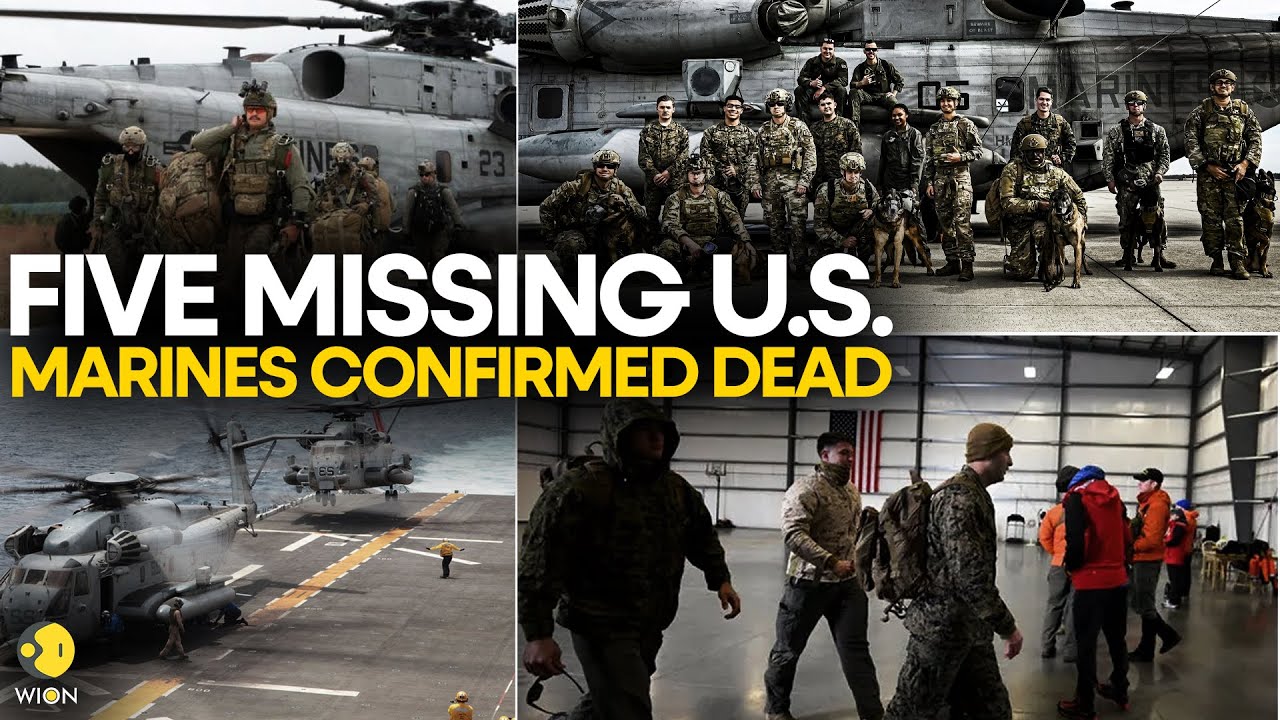
The disappearance of the missing marine helicopter California underscores the importance of safety protocols and preparedness in aviation. While the investigation continues, this report offers a thorough analysis of the incident, shedding light on the complexities of such a tragedy. The search and rescue efforts, the public response, and the potential causes are all examined in detail. Ultimately, the incident serves as a poignant reminder of the risks inherent in aviation and the crucial need for ongoing improvements in safety measures.
FAQ Corner: Missing Marine Helicopter California
What was the type of helicopter?
Unfortunately, the exact model and registration number of the missing helicopter are not available in the provided Artikel.
What is the current status of the search?
The Artikel does not include the current status of the search, only the ongoing efforts and previous stages.
Were there any mechanical issues reported prior to the disappearance?
The Artikel does not specify if any mechanical issues were reported before the helicopter vanished.
What was the last known location of the helicopter?
The Artikel does not contain the last known location.